
The Subway — History & Facts
The first thing that grips the viewer in The Subway is the hush that seems to press in from all sides, a silence built from shadows and the rigid geometry of the train car. The eye is led by the stark white poles, which slice through the gloom and separate the figures as surely as the city above divides its people. At the far right, a solitary man sits, his posture closed and his face cast down, while two shadowy forms stand in the background, their features half-lost in darkness.
The palette is heavy with browns and blacks, broken only by the pale flash of a coat and the cold gleam of metal. Every detail—the empty bench, the averted gazes—signals isolation, making the underground carriage feel less like a vessel of movement and more like a chamber of private solitude. Painted in 1928, this work by José Clemente Orozco emerges from a world in rapid transformation, where the machine age pressed new rhythms and anxieties into daily life. The subway, a marvel of modern engineering, became a symbol of urban alienation as much as progress, a place where strangers traveled together yet remained profoundly alone.
In the late 1920s, artists across the globe were grappling with these tensions—Orozco, known for his murals of revolution and struggle, here turns his gaze inward, capturing the psychological undercurrents of city life. Now held in the Museum of Modern Art’s collection, The Subway stands as a rare, intimate moment from an artist more often associated with public grandeur. The longer you look, the more the painting’s silence seems to echo.
More Artworks by José Clemente Orozco

The Dismembered Man, from the Los teules series
José Clemente Orozco
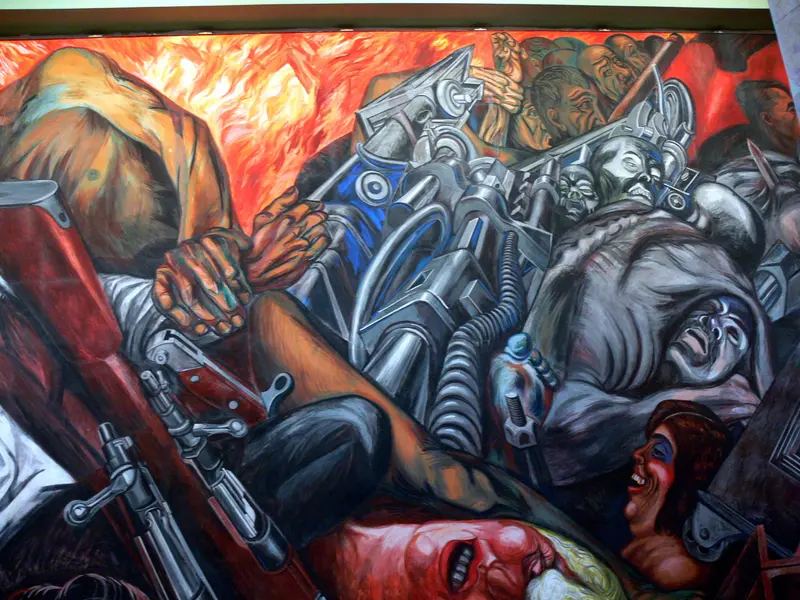
Palacio de Bellas Artes Mural Katharsis Orozco 1
José Clemente Orozco
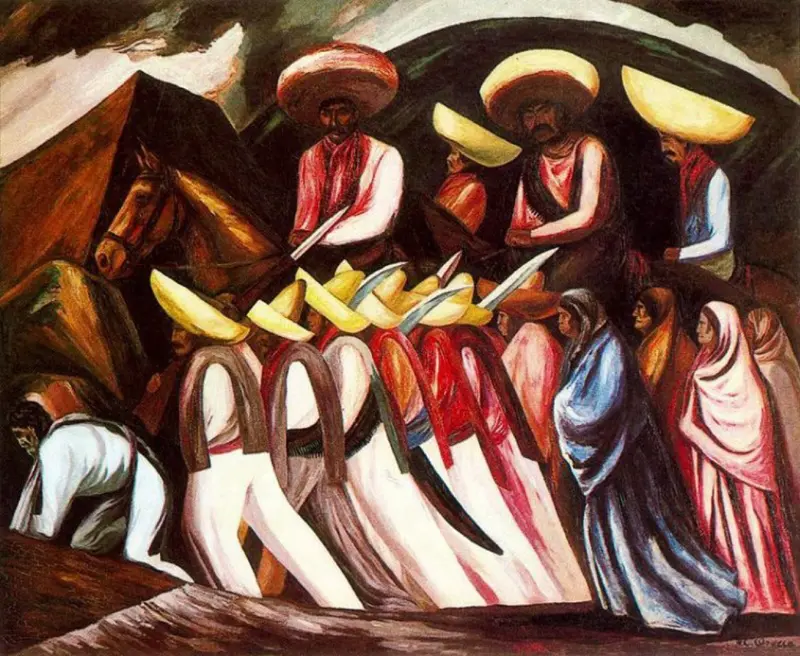
Zapatistas
José Clemente Orozco
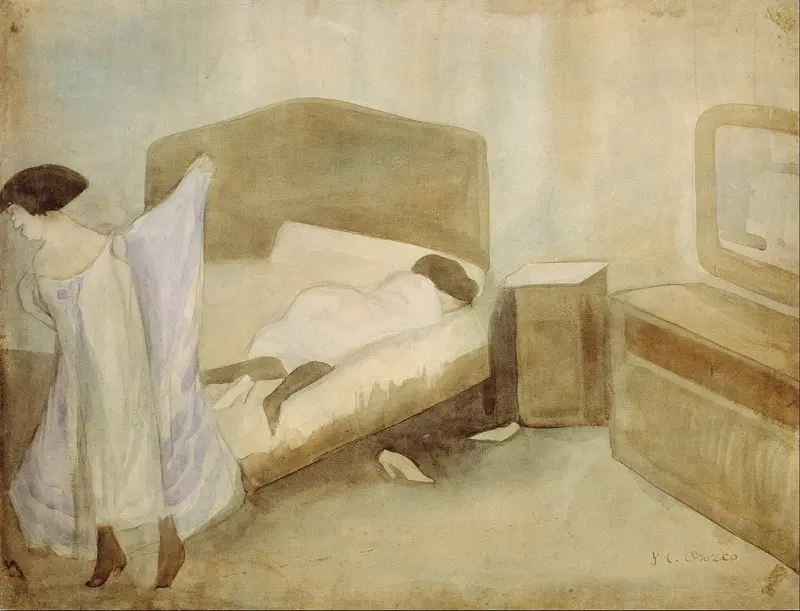
The Bedroom
José Clemente Orozco
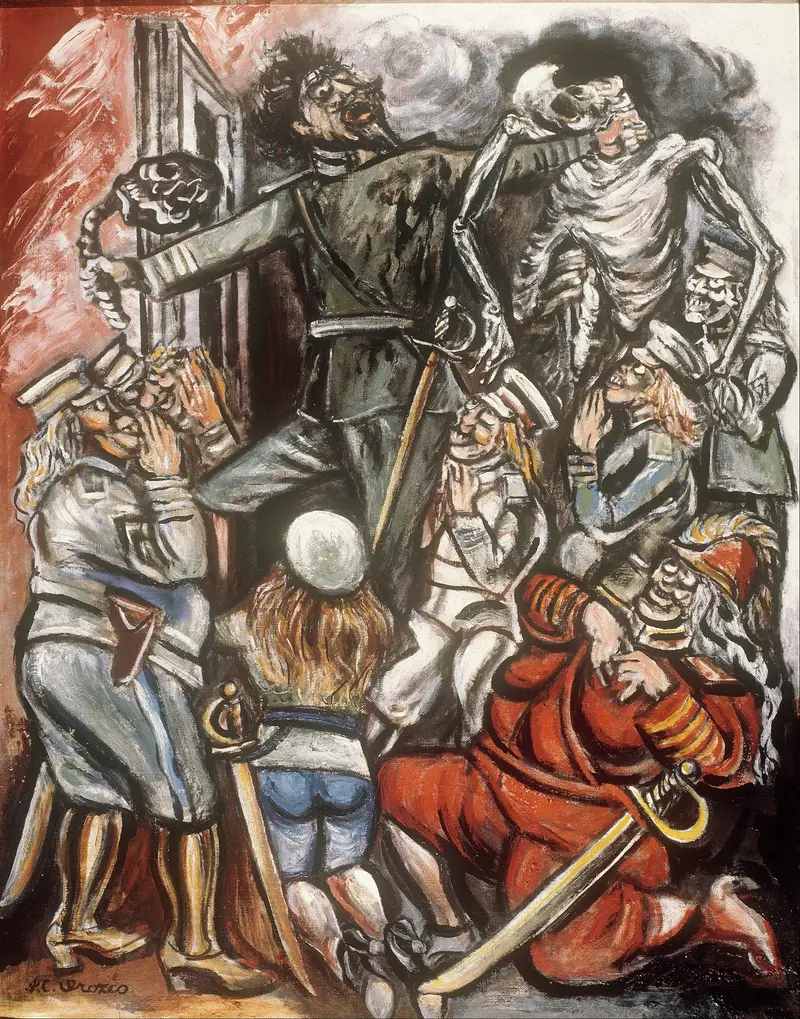
The Demagogue
José Clemente Orozco
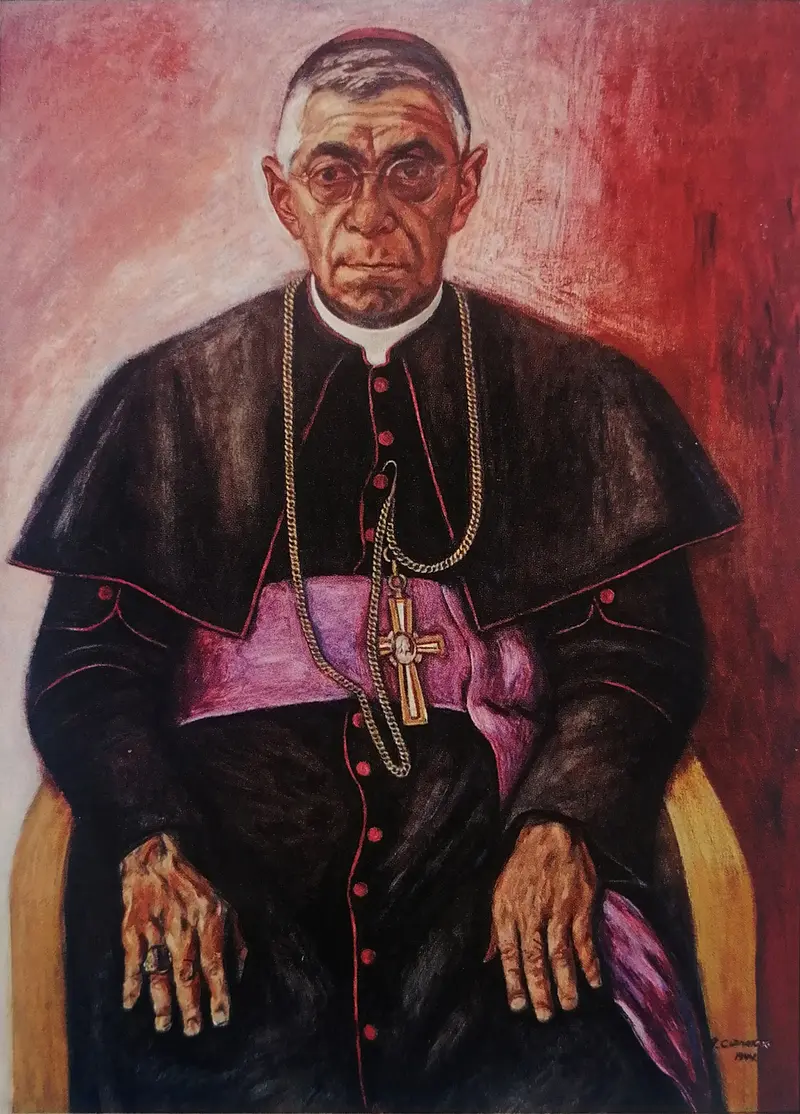
Portrait of Archbishop Luis María Martínez
José Clemente Orozco
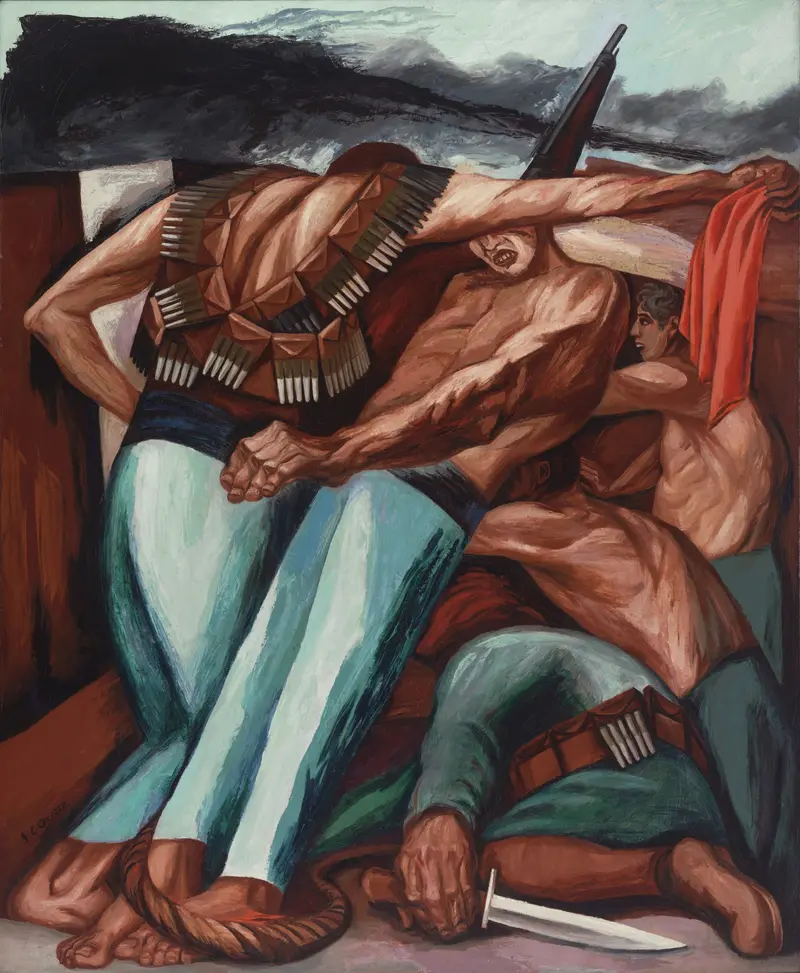
Barricade
José Clemente Orozco
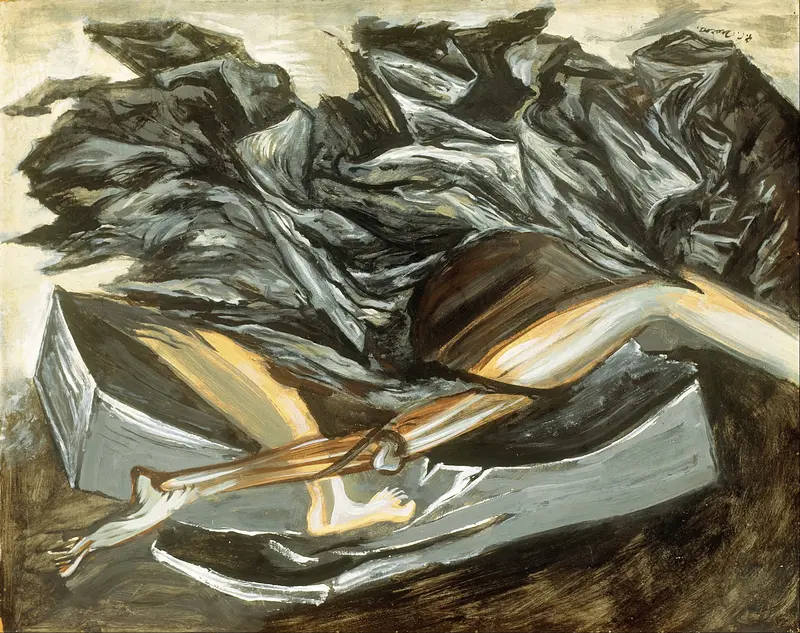
Death and Resurrection
José Clemente Orozco
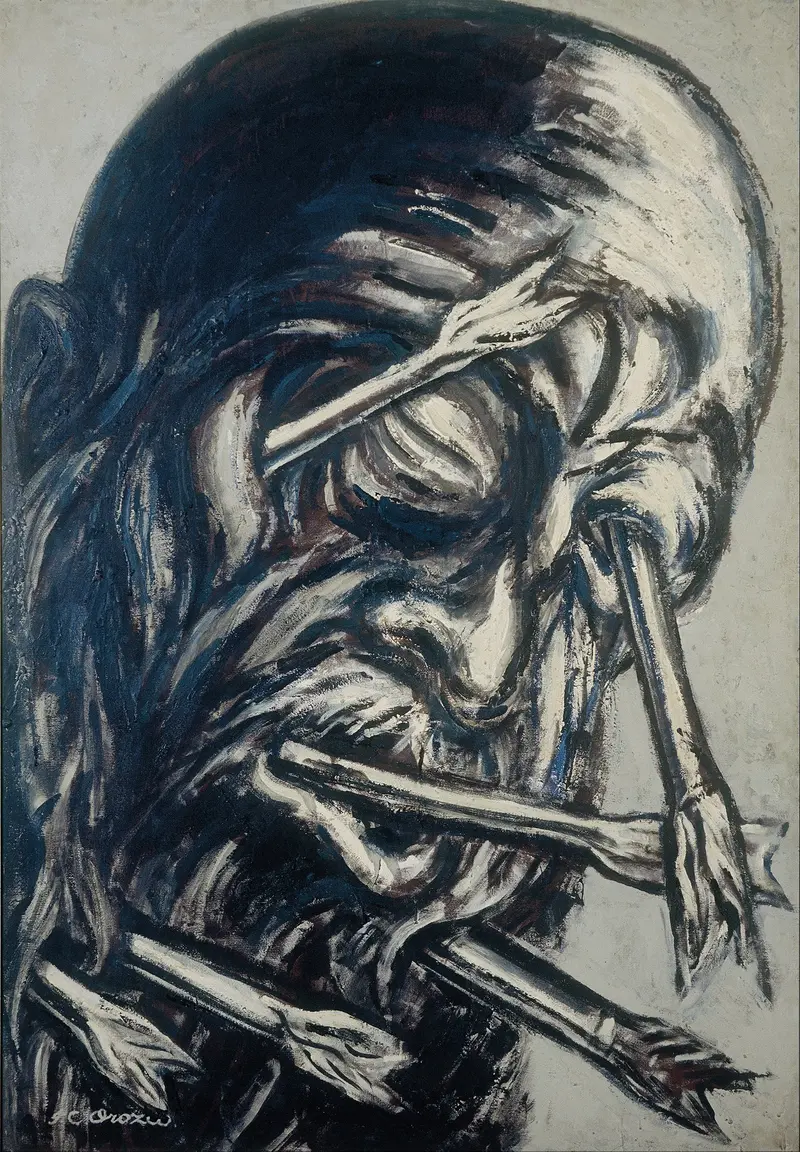
Head Pierced with Arrows, from the Los teules series
José Clemente Orozco





