
Zingende man en luisterend publiek onder wie kind en man — History & Facts
Did the painter know this moment would outlive them? In a fleeting instance of human experience, a vibrant expression of ecstasy haloes the gathering, suspending time and echoing through generations. Look closely at the lively figures, focusing first on the man at the center, his face alight with fervor as he sings. The rich reds and deep blues of his attire contrast beautifully with the muted earth tones of the seated audience, drawing your gaze immediately. Notice how the interplay of light illuminates the child, eyes wide in wonder, embodying innocence and curiosity.
Bega’s use of shadow creates a cocoon of intimacy around the scene, inviting you to not just observe but feel the energy of the performance. As you immerse yourself, consider the juxtaposition of the singer's fervent passion against the calm attentiveness of the crowd. The child’s rapt attention highlights a shared human experience—the joy and connection found in music transcending age and status. The space between the performer and the audience vibrates with unspoken understanding, a reminder of how art binds us in collective ecstasy, no matter the era. Cornelis Pietersz.
Bega painted this work between 1642 and 1664, a period marked by societal change and artistic evolution in the Dutch Golden Age. As the art world embraced genre painting, Bega found his niche in capturing intimate moments of everyday life, reflecting both the simplicity and complexity of human connections during a time of burgeoning creativity.
More Artworks by Cornelis Pietersz. Bega
Browse all →
Mannen en jonge vrouw in herberg
Cornelis Pietersz. Bega

Twee mannen en vrouw met kind zittend in herberg
Cornelis Pietersz. Bega
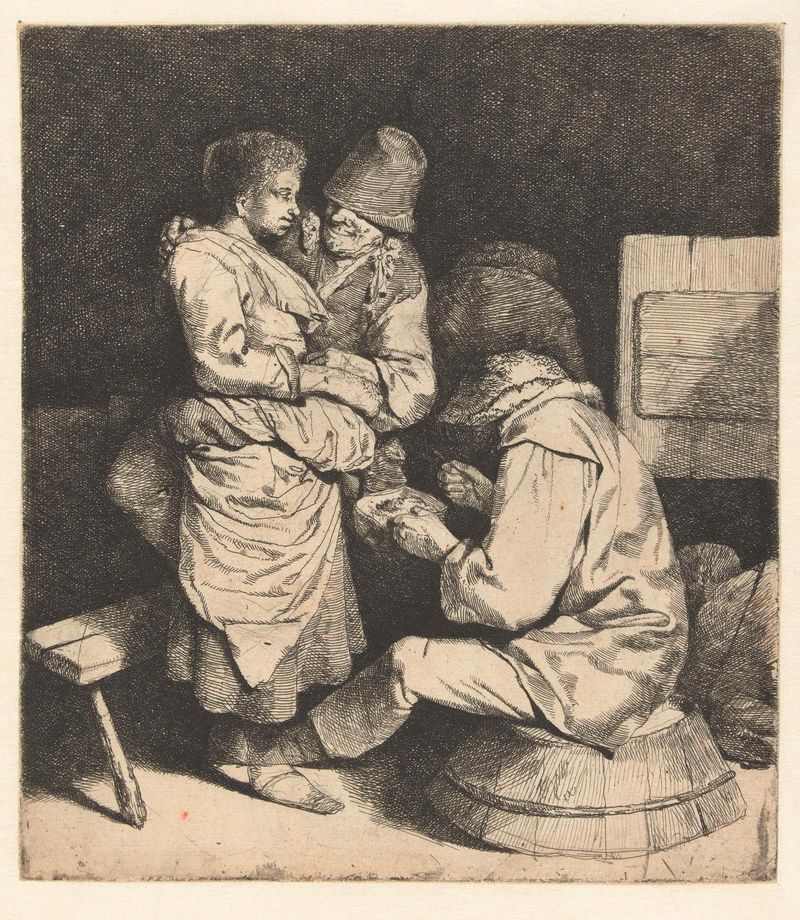
Vrouw vastgepakt door man, andere man zit te eten in herberg
Cornelis Pietersz. Bega

Jonge vrouw zittend met een pijp
Cornelis Pietersz. Bega

Staande vrouw vastgepakt door man, andere man kijkt toe in herberg
Cornelis Pietersz. Bega
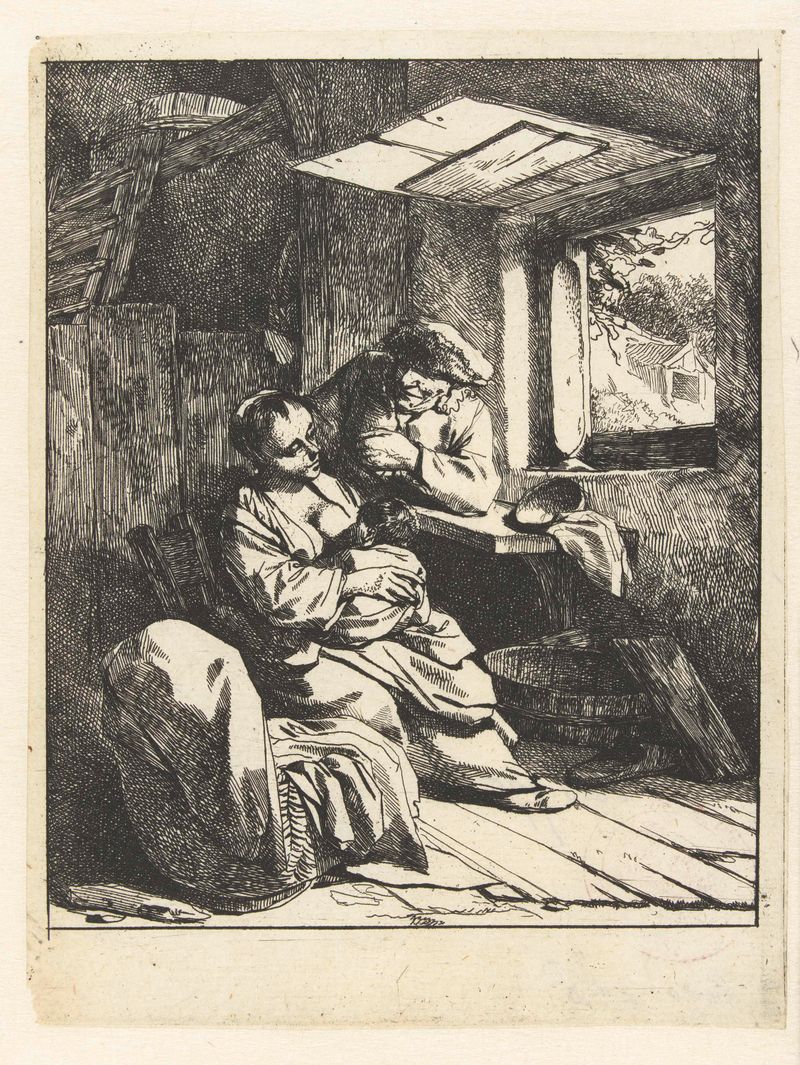
Vrouw met kind en man bij wieg in interieur met open raam
Cornelis Pietersz. Bega
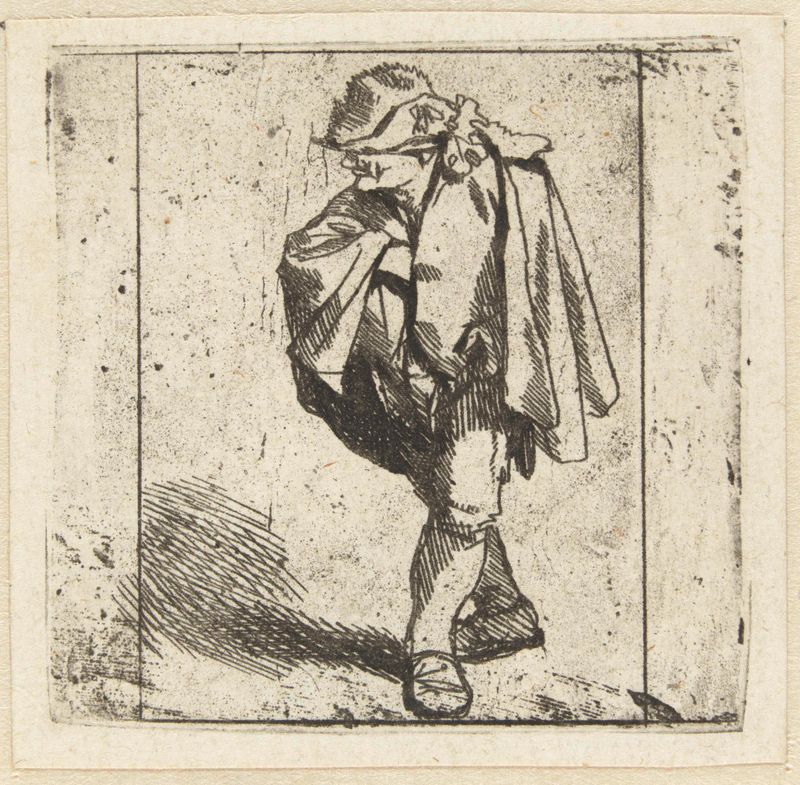
Staande man met de rechterhand op de borst in zijn mantel gestoken
Cornelis Pietersz. Bega
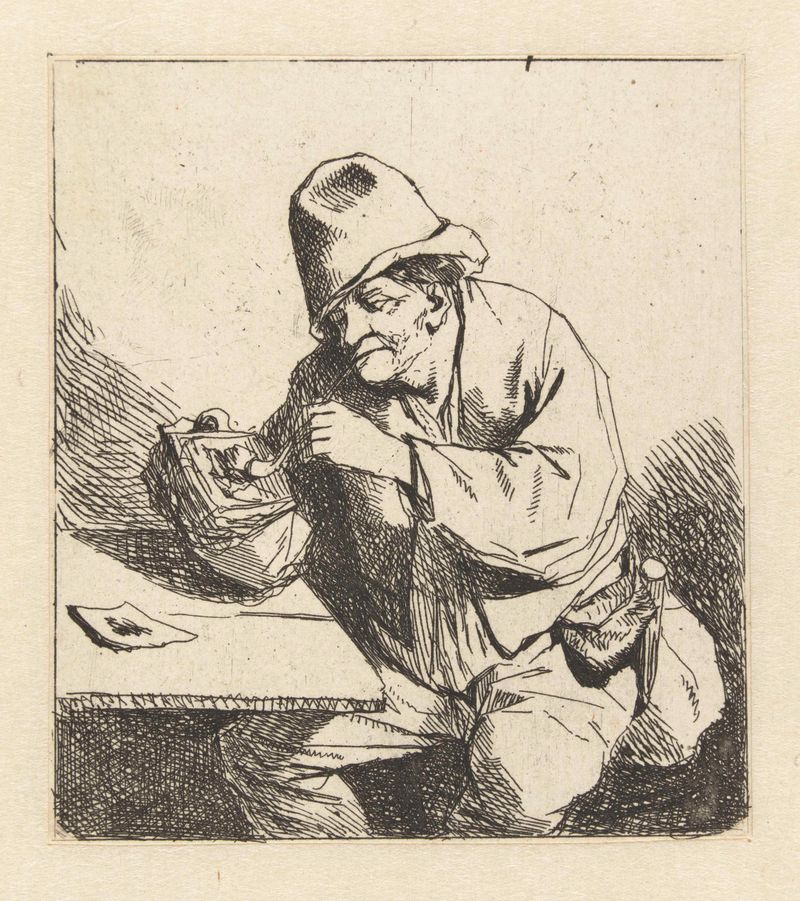
Zittende man steekt pijp aan
Cornelis Pietersz. Bega

Man zittend op ton met kruik in handen
Cornelis Pietersz. Bega

Liefdespaar
Cornelis Pietersz. Bega





