
Zittende jonge vrouw met twee geëtste koperplaten — History & Facts
Can paint confess what words never could? In Zittende jonge vrouw met twee geëtste koperplaten, Hollar captures a moment steeped in desire, where silence speaks volumes more than any spoken declaration could. Look closely at the young woman seated at her easel, her gaze drawn toward the intricate copper plates that lie before her. The delicate linework of the etchings contrasts with the soft curves of her figure, an interplay that invites the eye to linger. Notice how the light dances across her hair, illuminating strands that seem to catch the warmth of a fleeting sunbeam.
The muted palette echoes a sense of contemplation, while the gentle positioning of her hands suggests both focus and yearning. In this intimate setting, the tension between creation and self-reflection emerges. The young woman’s posture, poised yet relaxed, embodies the duality of artistic expression and personal longing; her gaze is fixed, but her thoughts appear far away. The etchings in front of her represent not only artistic ambition but also a desire for transcendence — to capture fleeting beauty in a medium that promises permanence.
This duality enhances the emotional depth of the piece, as the viewer senses her aspiration to immortalize what words can scarcely articulate. Wenceslaus Hollar painted this work in 1645, at a time when he had settled in London, having fled from the tumult of the Thirty Years' War in Europe. His artistic journey was marked by a pursuit of detail and the exploration of printmaking, a medium that allowed for both personal expression and broader commentary on society. In this period, Hollar was increasingly recognized for his skill in capturing the essence of his subjects, a testament to his evolving mastery and the art movements swirling around him.
More Artworks by Wenceslaus Hollar
Browse all →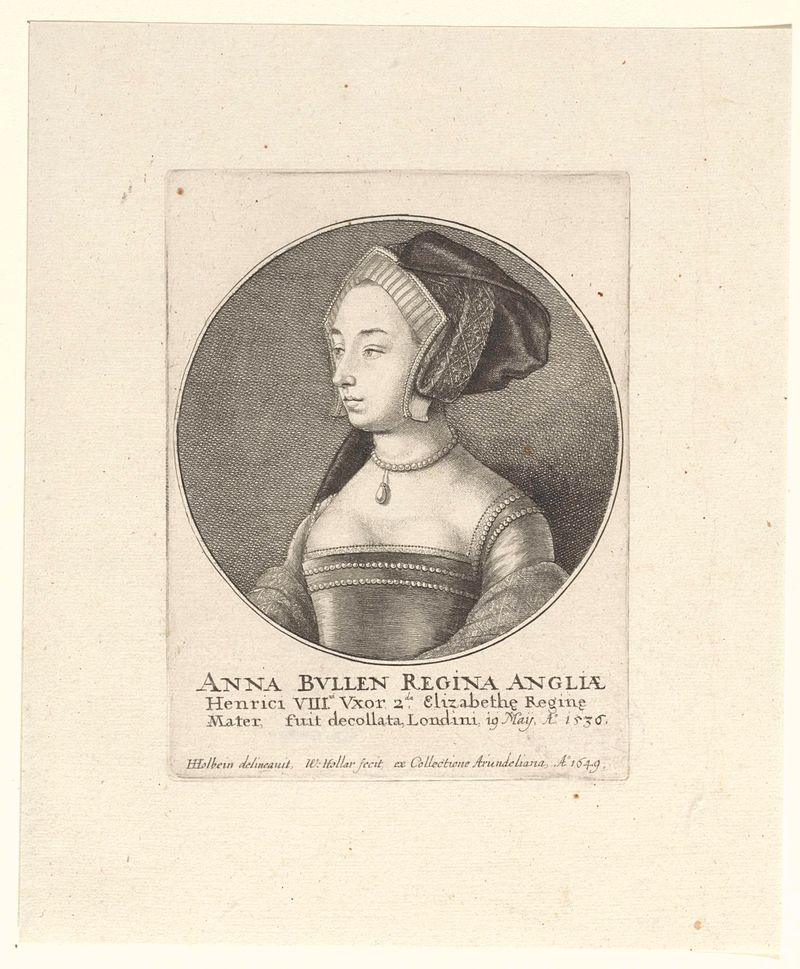
Portret van Anna Boleyn, koningin van Engeland
Wenceslaus Hollar
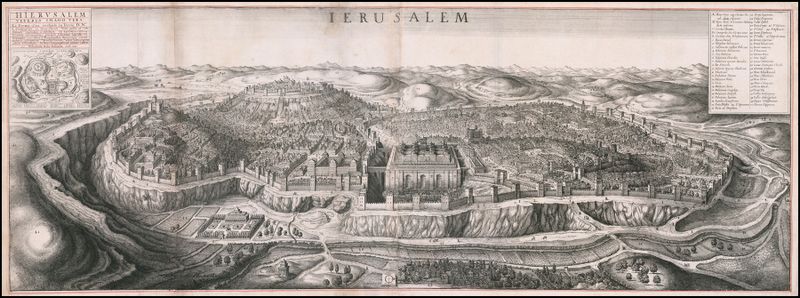
Bird’s eye view of Jerusalem
Wenceslaus Hollar
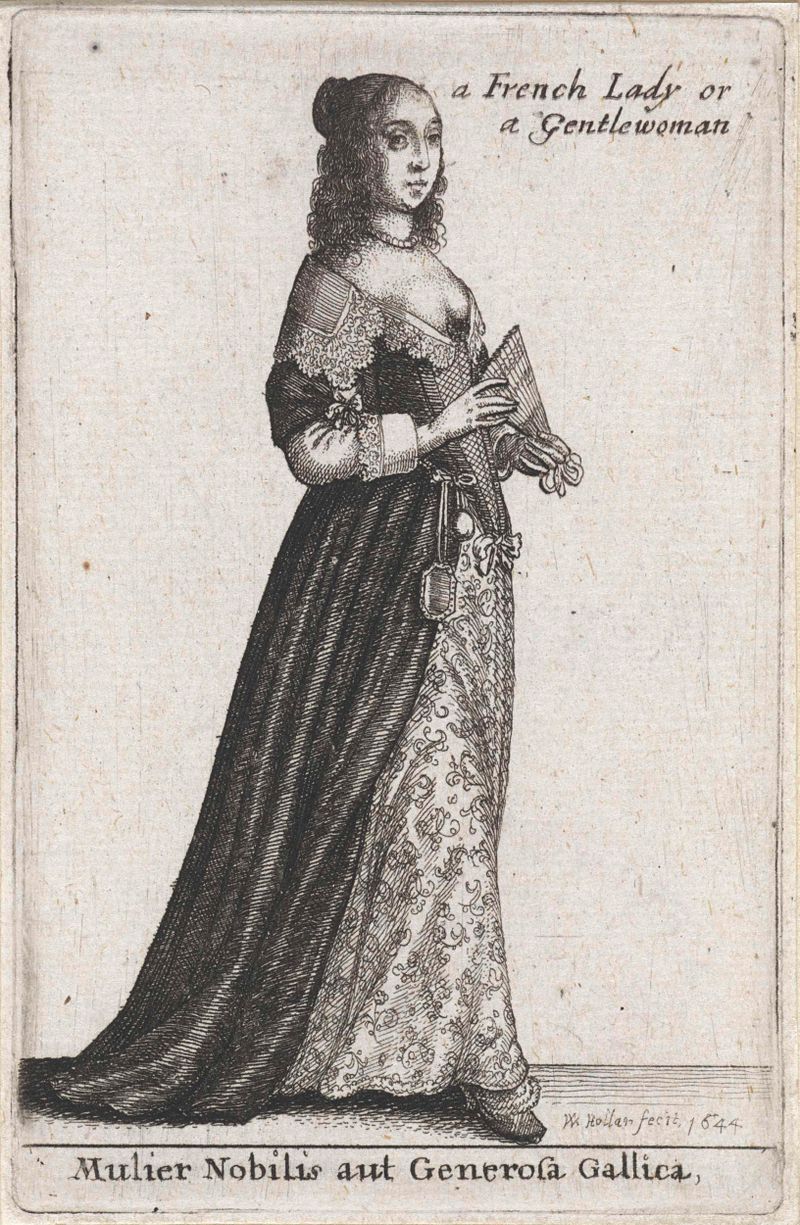
Mulier Nobilis aut Generosa Gallica / a French Lady or Gentlewoman
Wenceslaus Hollar
Titelprent voor: Ornatus Muliebris Anglicanus
Wenceslaus Hollar
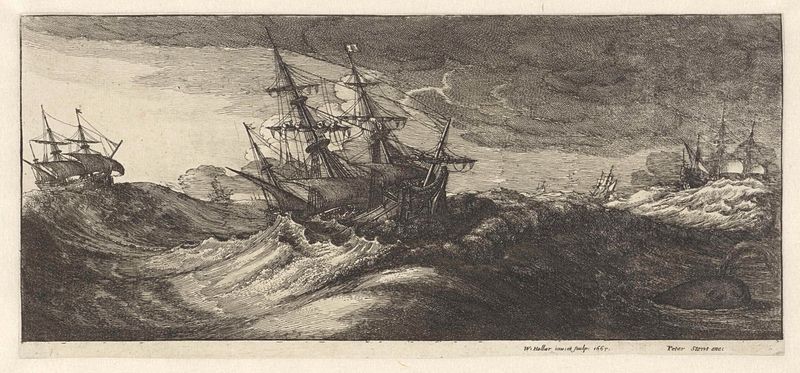
Oorlogsschepen en een walvis in een zeestorm
Wenceslaus Hollar
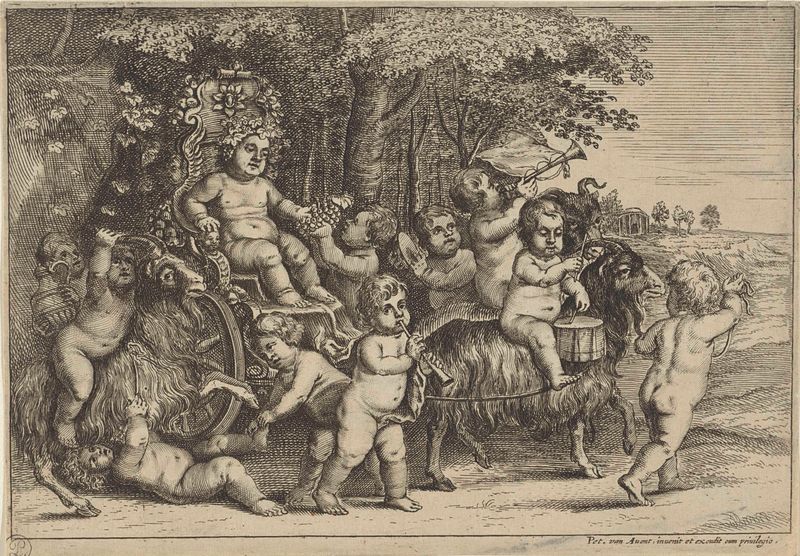
Optocht van bacchant en jongetjes op geiten
Wenceslaus Hollar
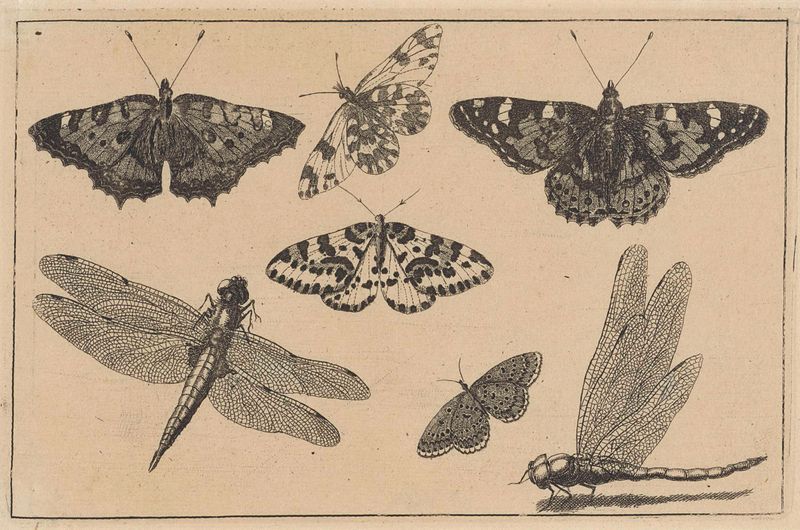
Twee libellen en vijf vlinders
Wenceslaus Hollar
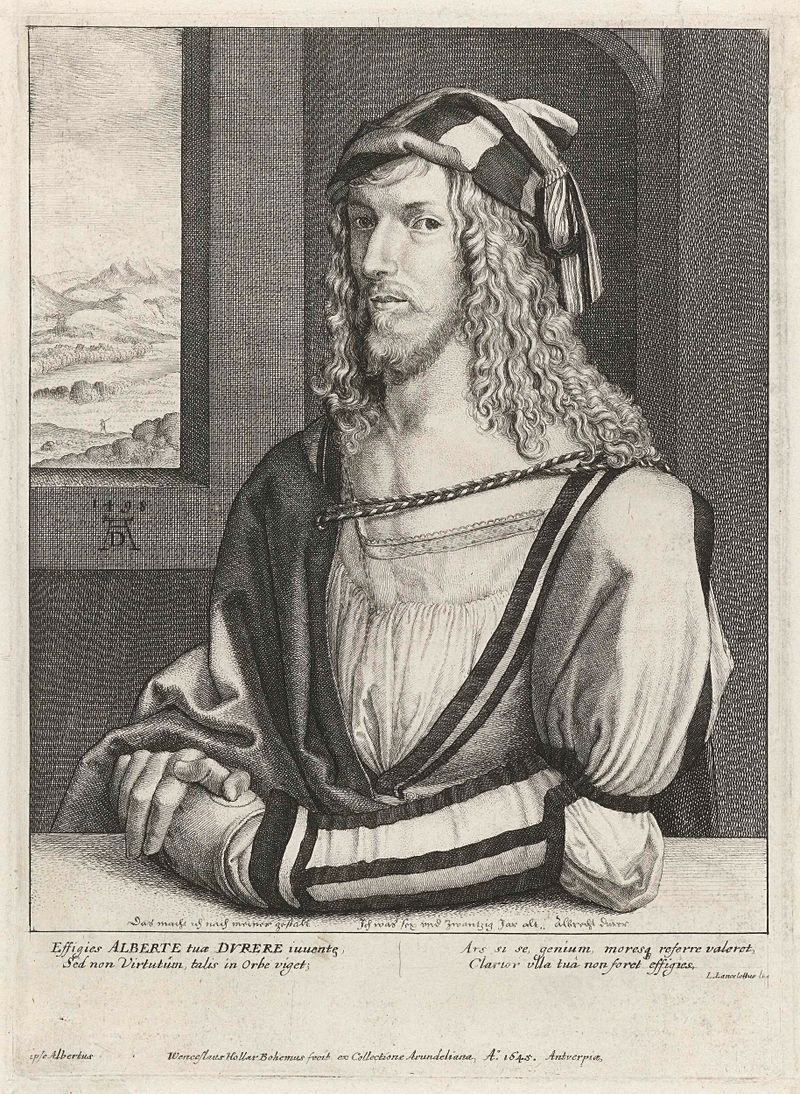
Portret van Albrecht Dürer
Wenceslaus Hollar
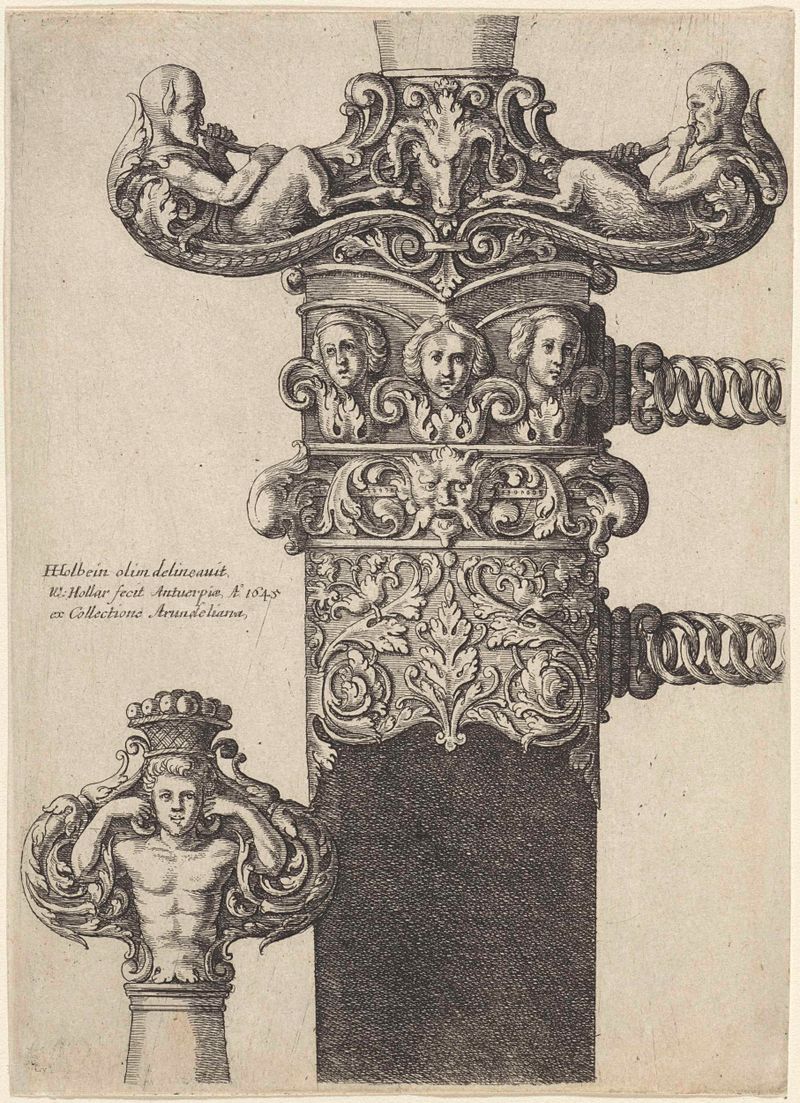
Ornamenteel ontwerp voor een dolk
Wenceslaus Hollar
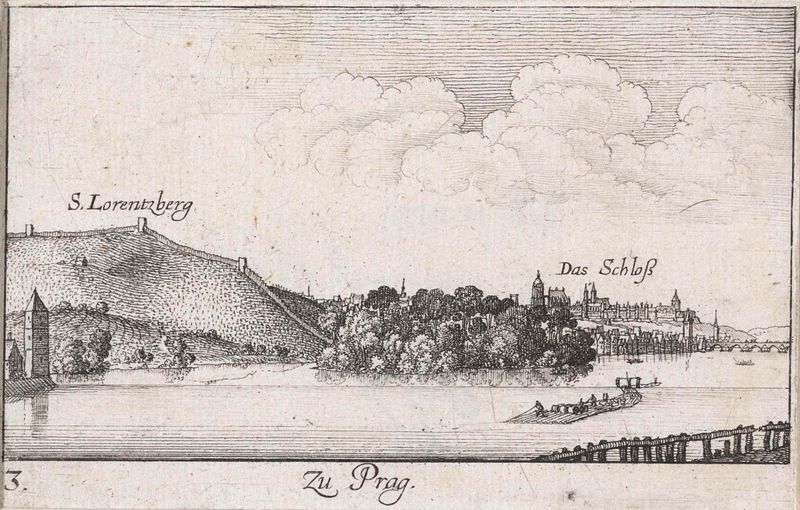
Gezicht op Praag vanaf de Moldau
Wenceslaus Hollar





