
Zittende man met hoed in hand, kruik op de grond — History & Facts
In the quiet realm of dreams and reflections, we find ourselves gazing upon a moment suspended in time. Look to the center of the composition, where a solitary figure sits, hat in hand, a jug resting beside him. The muted palette envelops the scene in a gentle light, casting soft shadows that imbue the subject with both solitude and contemplation. The textures of the fabric and the delicate details of the figure’s features draw the viewer's eye, inviting an intimate connection with this enigmatic man.
Notice how the artist’s deft strokes breathe life into the canvas, creating a sense of depth that intrigues and holds you captive. Yet, beyond the surface lies a rich tapestry of meaning. The man’s relaxed posture contrasts with the tension of his vacant gaze, suggesting a moment of introspection or perhaps longing. The hat he cradles signifies not only his identity but also the weight of societal roles, hinting at the dichotomy between personal dreams and social expectations.
The jug, simple yet significant, may represent nourishment or companionship, adding layers to the narrative of his solitude. Cornelis Pietersz. Bega created this work between 1642 and 1664, a period marked by the flourishing of Dutch genre painting. Settled in Amsterdam, he was influenced by contemporaries who explored everyday life with poignant realism.
As the Baroque era reached its zenith, Bega carved out his niche, capturing the beauty and complexity of human emotion in seemingly mundane scenarios, reflecting the societal shifts and personal struggles of his time.
More Artworks by Cornelis Pietersz. Bega
Browse all →
Mannen en jonge vrouw in herberg
Cornelis Pietersz. Bega

Twee mannen en vrouw met kind zittend in herberg
Cornelis Pietersz. Bega
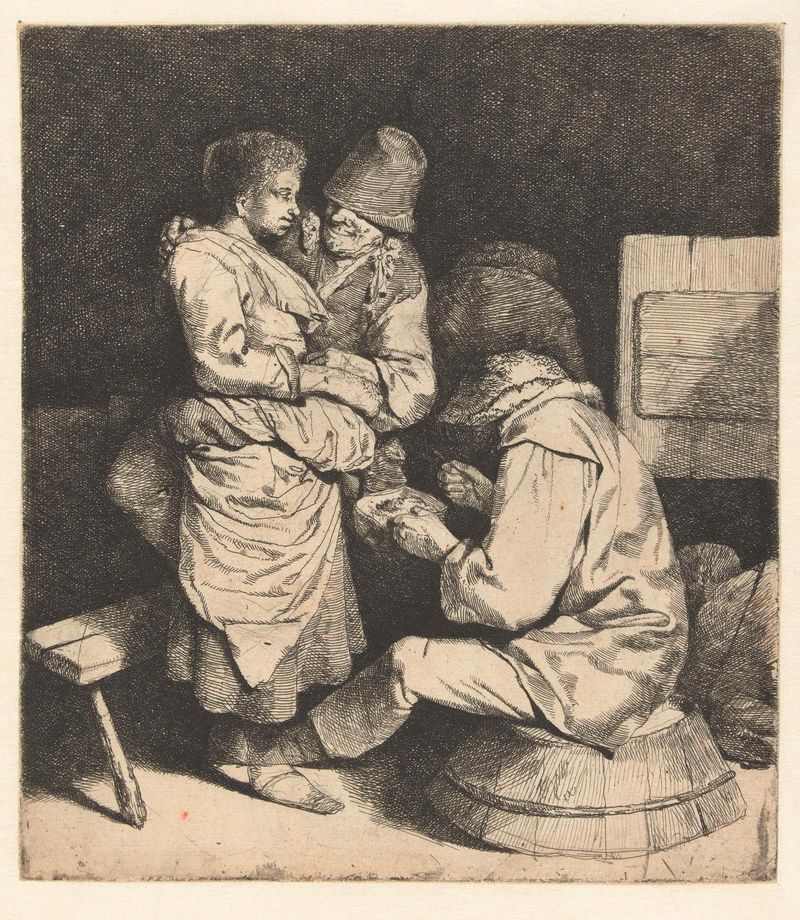
Vrouw vastgepakt door man, andere man zit te eten in herberg
Cornelis Pietersz. Bega

Jonge vrouw zittend met een pijp
Cornelis Pietersz. Bega

Staande vrouw vastgepakt door man, andere man kijkt toe in herberg
Cornelis Pietersz. Bega
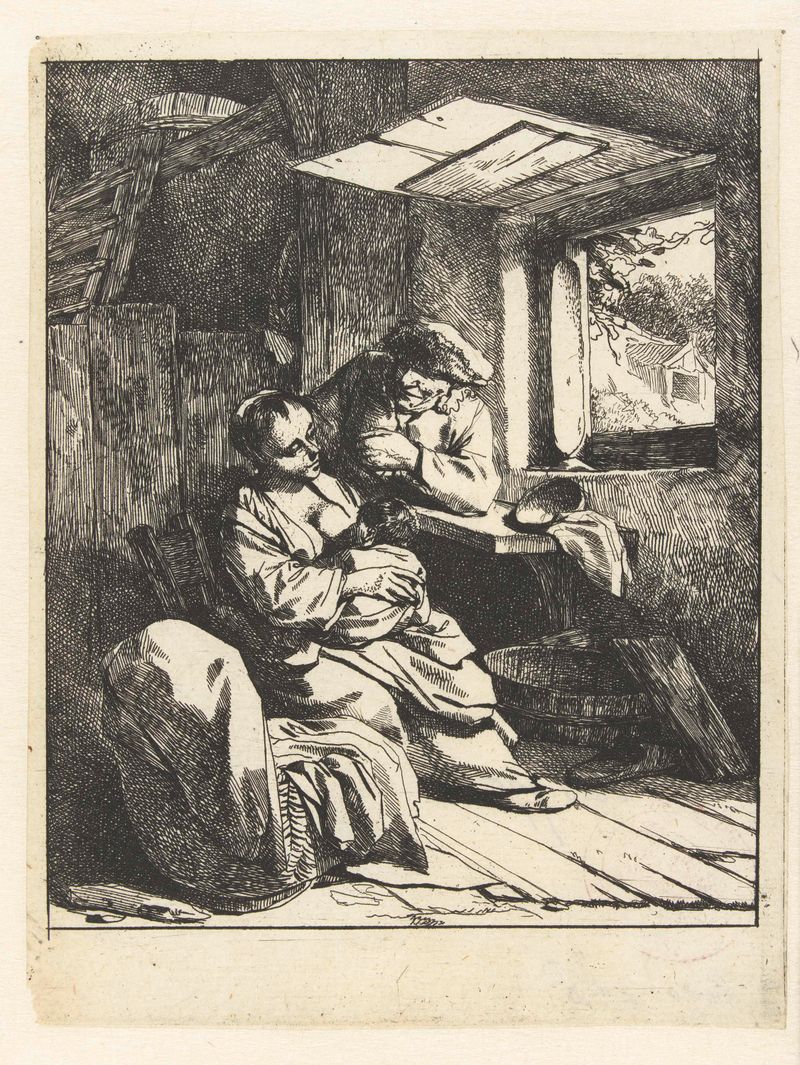
Vrouw met kind en man bij wieg in interieur met open raam
Cornelis Pietersz. Bega
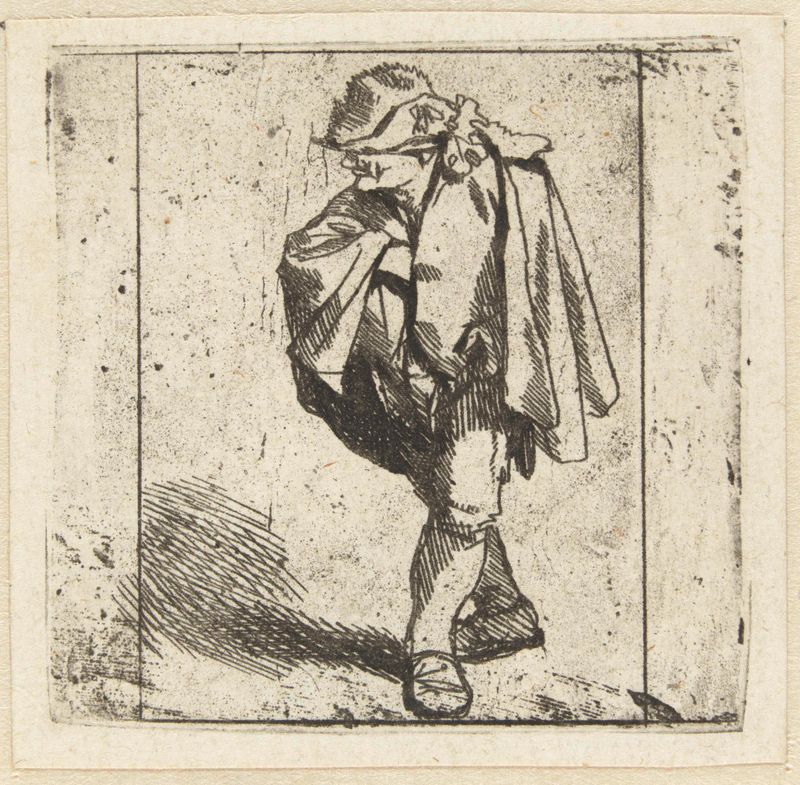
Staande man met de rechterhand op de borst in zijn mantel gestoken
Cornelis Pietersz. Bega
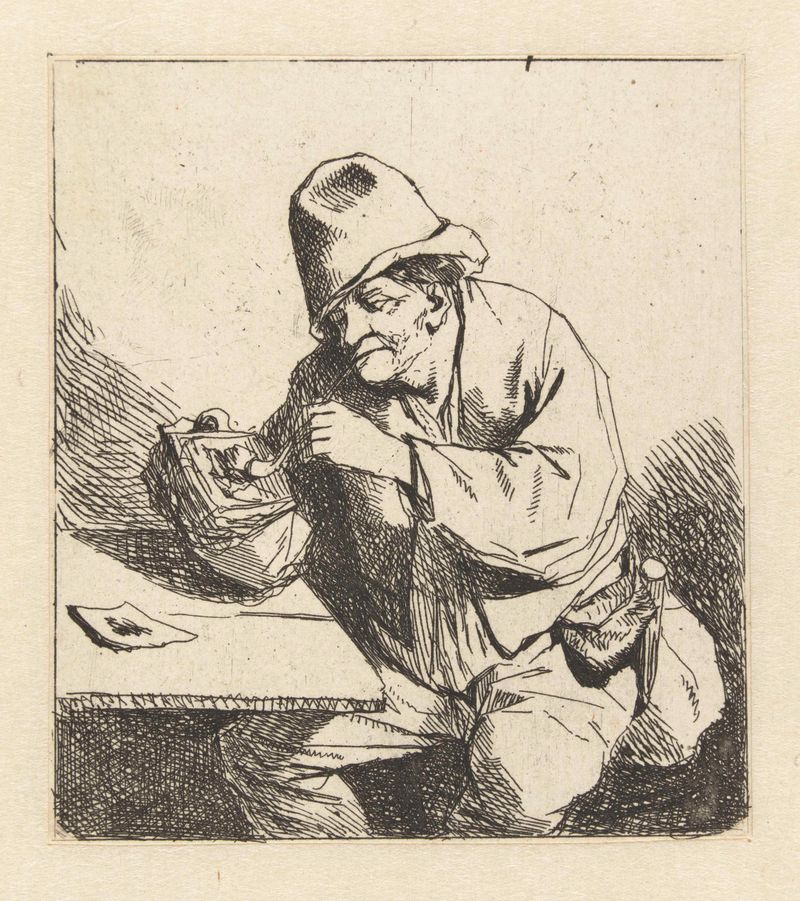
Zittende man steekt pijp aan
Cornelis Pietersz. Bega

Man zittend op ton met kruik in handen
Cornelis Pietersz. Bega

Liefdespaar
Cornelis Pietersz. Bega
More Portrait Art
Browse all →
Las meninas
Diego Velázquez

Self-portrait with a Bandaged Ear and Pipe
Unidentified artist

Girl with a Pearl Earring
Johannes Vermeer

The Sampling Officials of the Amsterdam Drapers’ Guild, Known as ‘The Syndics’
Rembrandt van Rijn

The Hundred Guilder Print: the man seen on the back in the lower left corner
Rembrandt van Rijn

Portrait of Dr Gachet
Vincent van Gogh