
Zone Peu Boisée, Rochers Et Fagotiére — History & Facts
What if beauty was never meant to be finished? In the vibrant strokes of this piece, a serene world unfolds—a landscape that invites contemplation and quietude, beckoning the viewer to linger. Look to the left at the gentle curve of the path winding through the verdant foliage, illuminated by dappled sunlight filtering through the trees. Notice how the artist captures the play between light and shadow, creating a tapestry of greens and browns that draws the eye into the heart of the serene forest. The brushwork, both loose and meticulous, guides you through the composition, evoking a sense of depth and tranquility. At the center, a group of rocks stands resolute, counterbalancing the softness of the surrounding vegetation.
This juxtaposition of hard and soft reflects life's contrasts, where the steadfastness of nature coexists with the ephemeral beauty of fleeting moments. The delicate touch of color evokes an atmosphere of peace, while the wisps of clouds above hint at the transient nature of time itself, suggesting that even serenity is a passing grace. In 1863, the artist worked on this piece amid a shifting art world, embracing the Impressionist movement while still rooted in Romanticism. Living in France, he was influenced by the nearby countryside, weaving his personal experience into his landscapes.
During this time, he fully explored his fascination with light and color, setting the groundwork for a legacy that would inspire future generations of artists.
More Artworks by Narcisse-Virgile Diaz de La Peña
Browse all →
Forest Scene
Narcisse-Virgile Diaz de La Peña
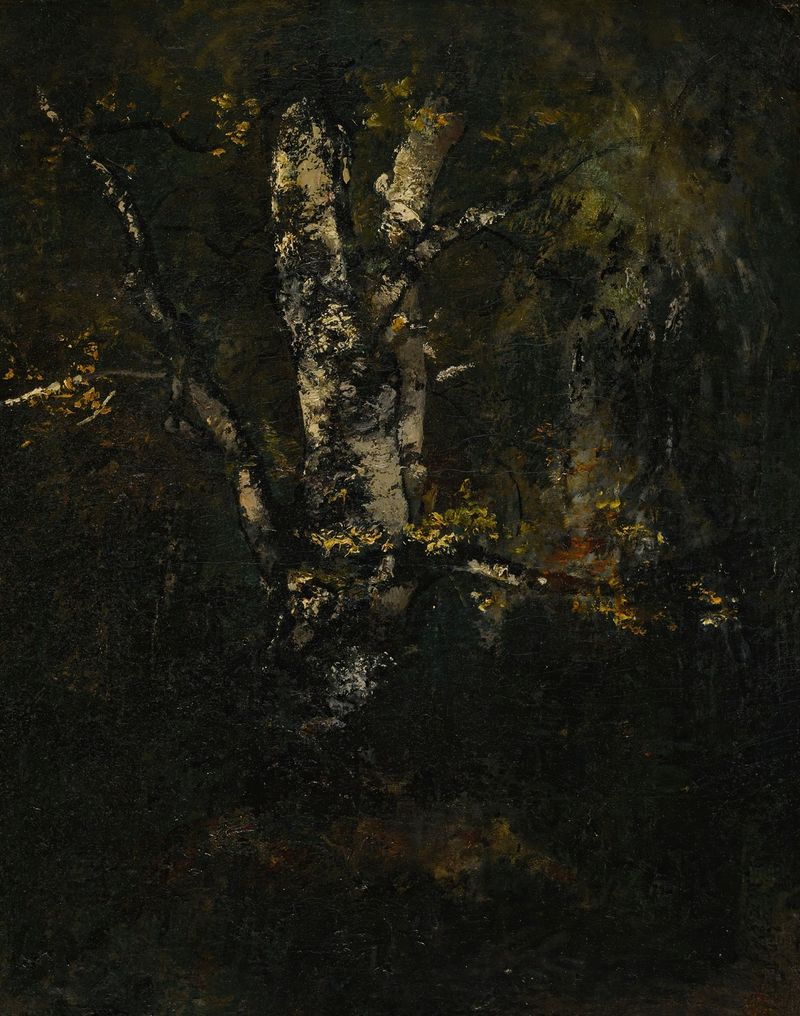
Vieux Troncs De Hêtres
Narcisse-Virgile Diaz de La Peña
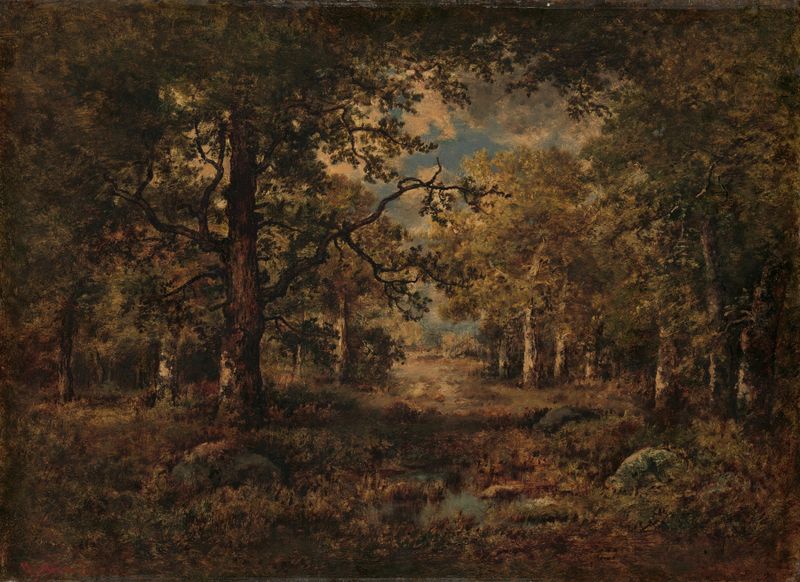
A Vista through Trees; Fontainebleau
Narcisse-Virgile Diaz de La Peña
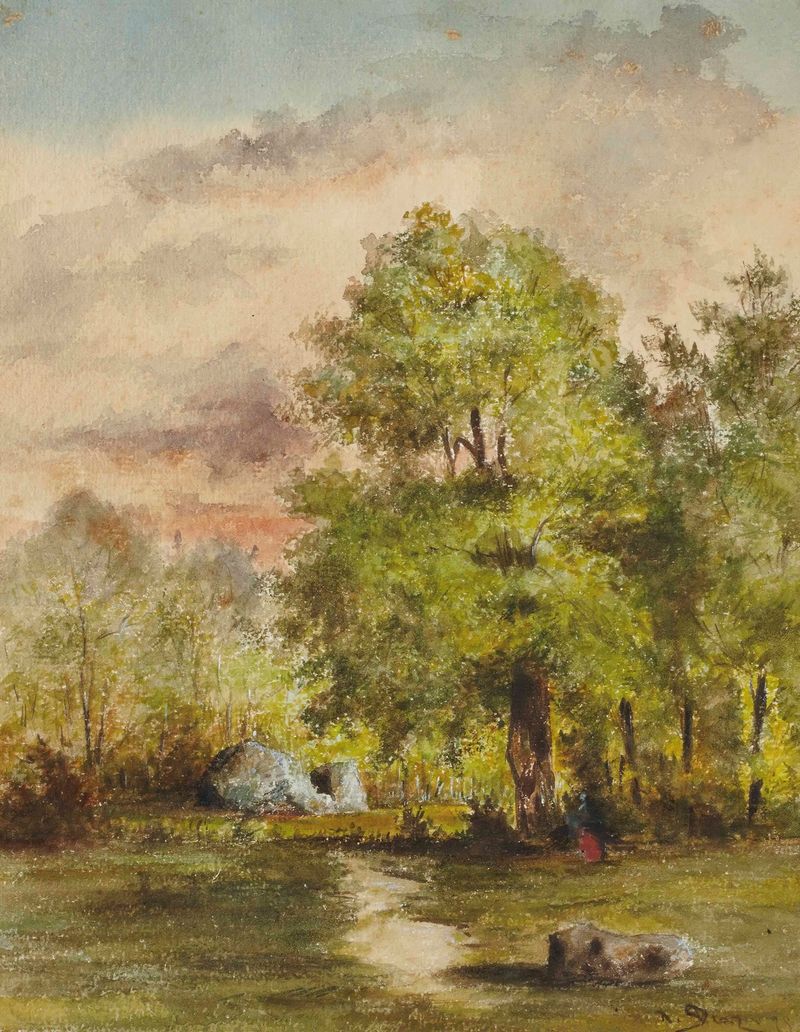
Vue d’une clairière
Narcisse-Virgile Diaz de La Peña

Pond in the Woods
Narcisse-Virgile Diaz de La Peña
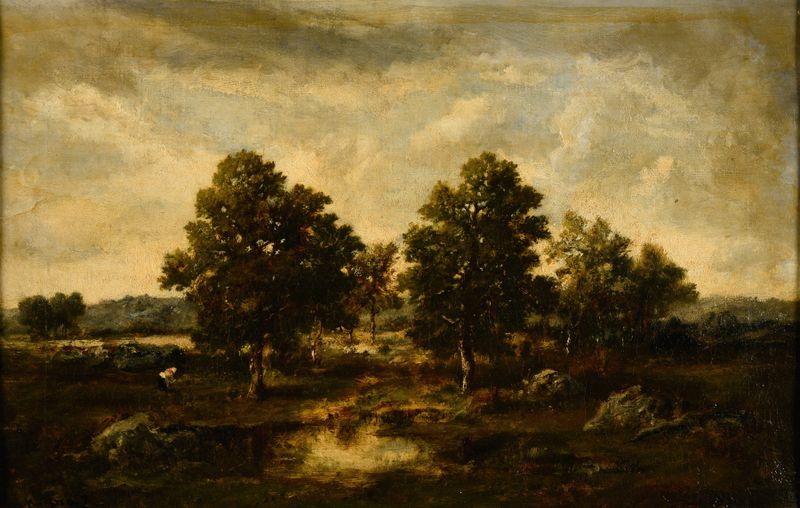
Mare dans une lande
Narcisse-Virgile Diaz de La Peña
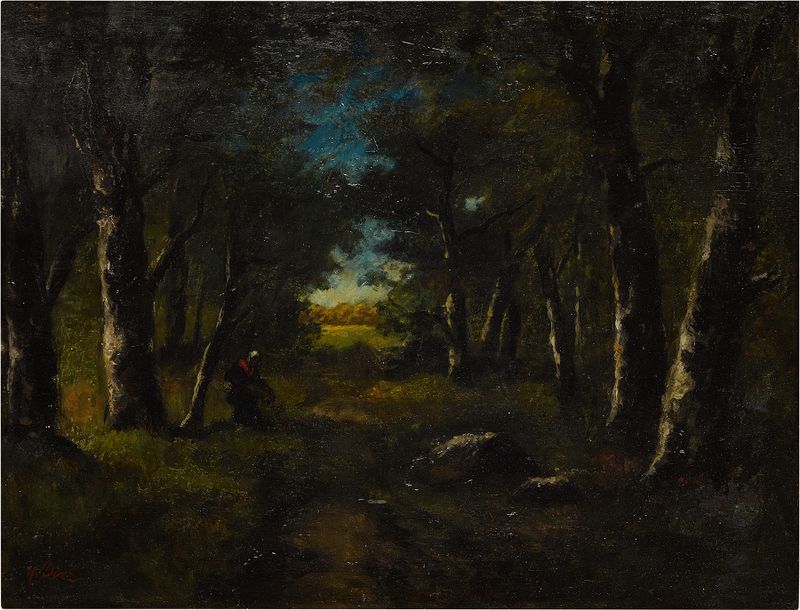
Foraging in the Forest
Narcisse-Virgile Diaz de La Peña
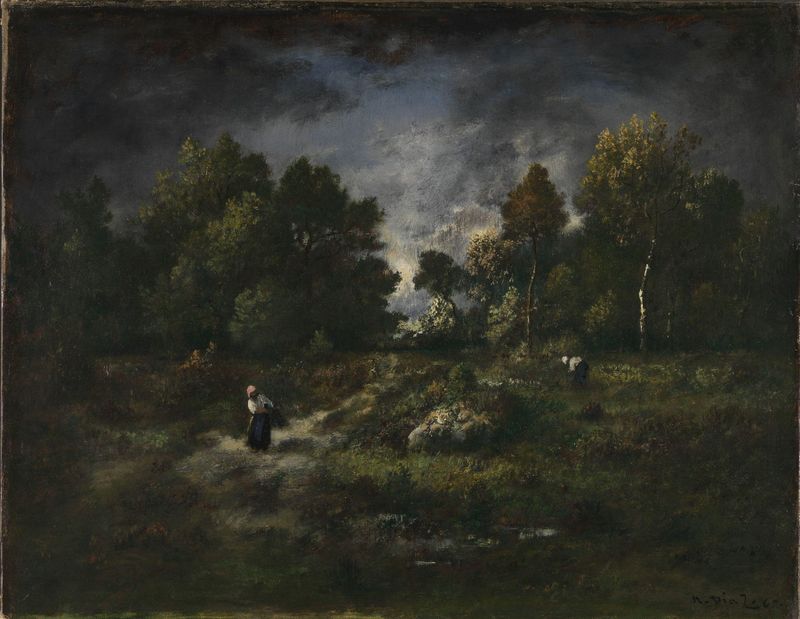
Faggot Gatherers in a Wooden Landscape
Narcisse-Virgile Diaz de La Peña
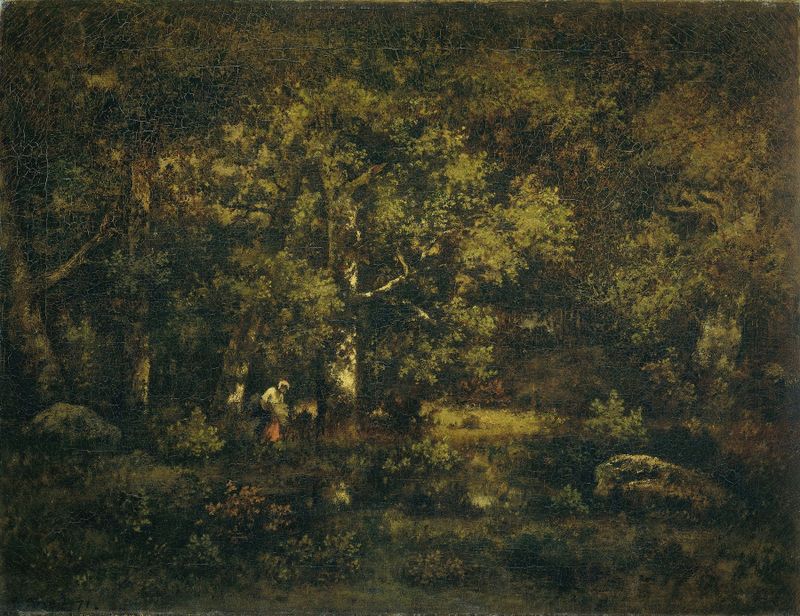
The Forest of Fontainebleau
Narcisse-Virgile Diaz de La Peña

Sous-bois
Narcisse-Virgile Diaz de La Peña





