
Zschopau — History & Facts
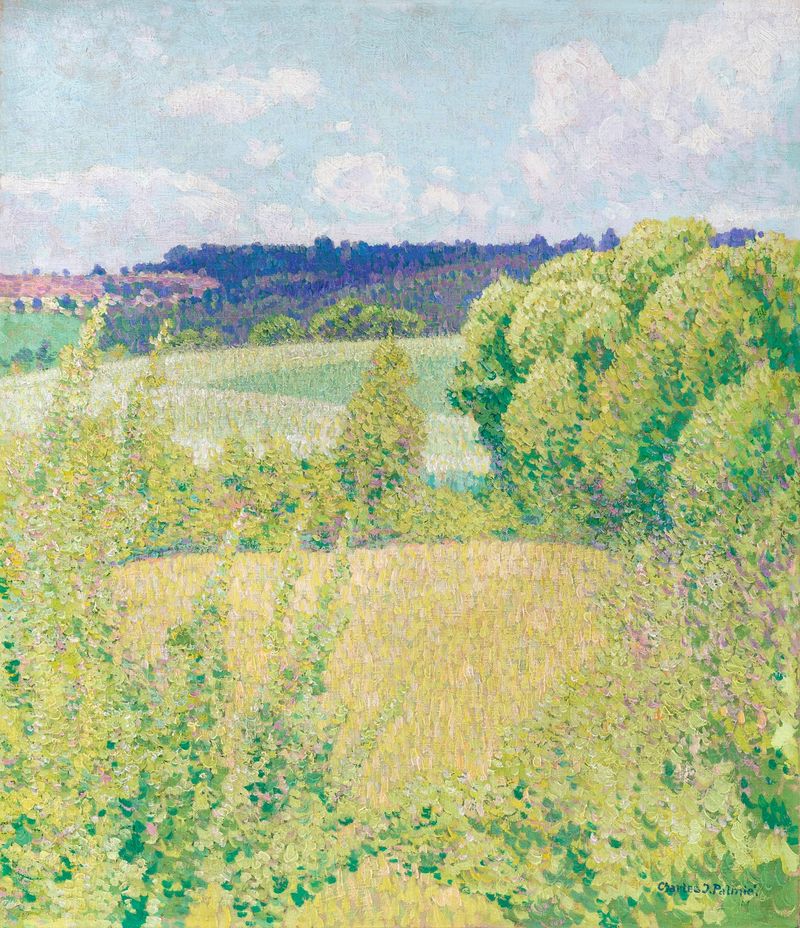
In the quiet recesses of time, every moment holds a story waiting to be unraveled. The brush strokes and color choices of a painting can serve as a portal, drawing us into an unseen world where every hue pulses with life and memory. Focus on the luminous blues and greens that dominate the canvas, pulling your gaze toward the flowing contours of the Zschopau River. Notice how the soft, impressionistic strokes blend seamlessly, creating a sense of movement that captures the water’s gentle flow.
The interplay of light and shadow adds depth, inviting you to explore the landscape’s hidden corners where the trees reflect a kaleidoscope of nature’s palette. Beneath the surface, the painting speaks of fleeting moments and ephemeral beauty. The tranquil river becomes a metaphor for the passage of time, suggesting that while life is transient, its essence can be immortalized in art. The contrasting brightness of the water against the darker elements of the forest hints at the duality of existence—joy juxtaposed with solitude, the known against the unknown. Painted in 1910, this work emerged during a period of artistic exploration for its creator.
Charles Johann Palmié was navigating the evolving landscape of modernism, drawing inspiration from both nature and the changing world around him. At this time, artists were beginning to challenge traditional forms, seeking new ways to express their inner visions, an endeavor that resonated deeply in this evocative piece.
More Artworks by Charles Johann Palmié
Browse all →
Am Karlstor, München
Charles Johann Palmié

München bei Nacht – Marienplatz
Charles Johann Palmié
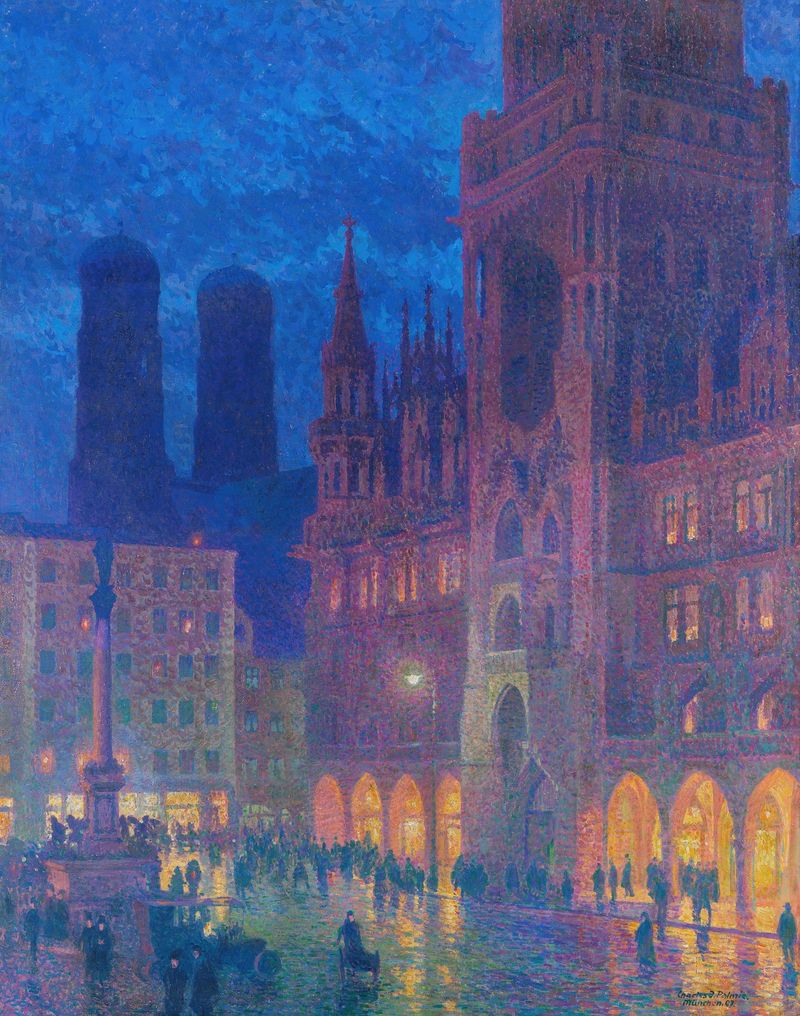
München, Marienplatz
Charles Johann Palmié

München, Marienplatz
Charles Johann Palmié

Blick über München mit dem Turm des neuen Rathauses
Charles Johann Palmié
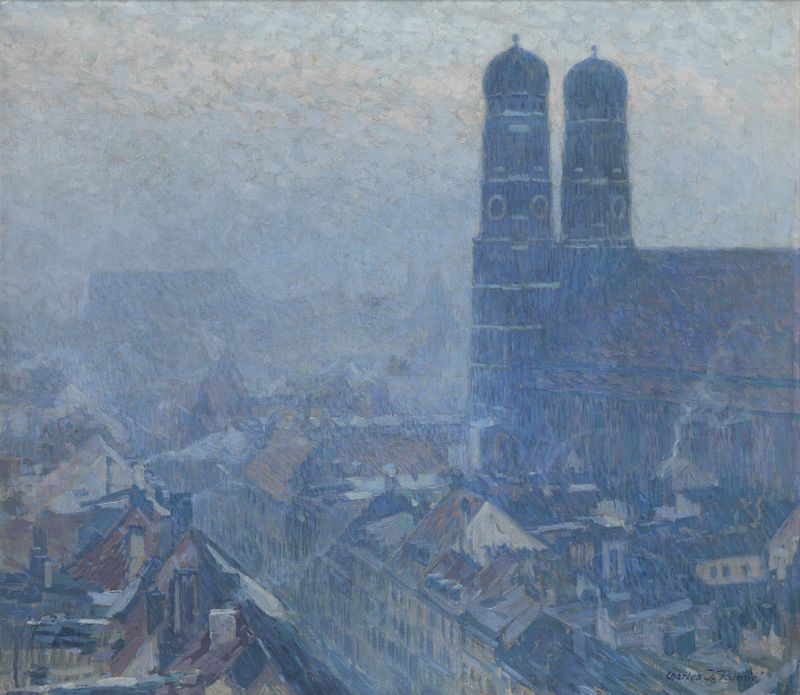
Blick über München mit der Frauenkirche
Charles Johann Palmié
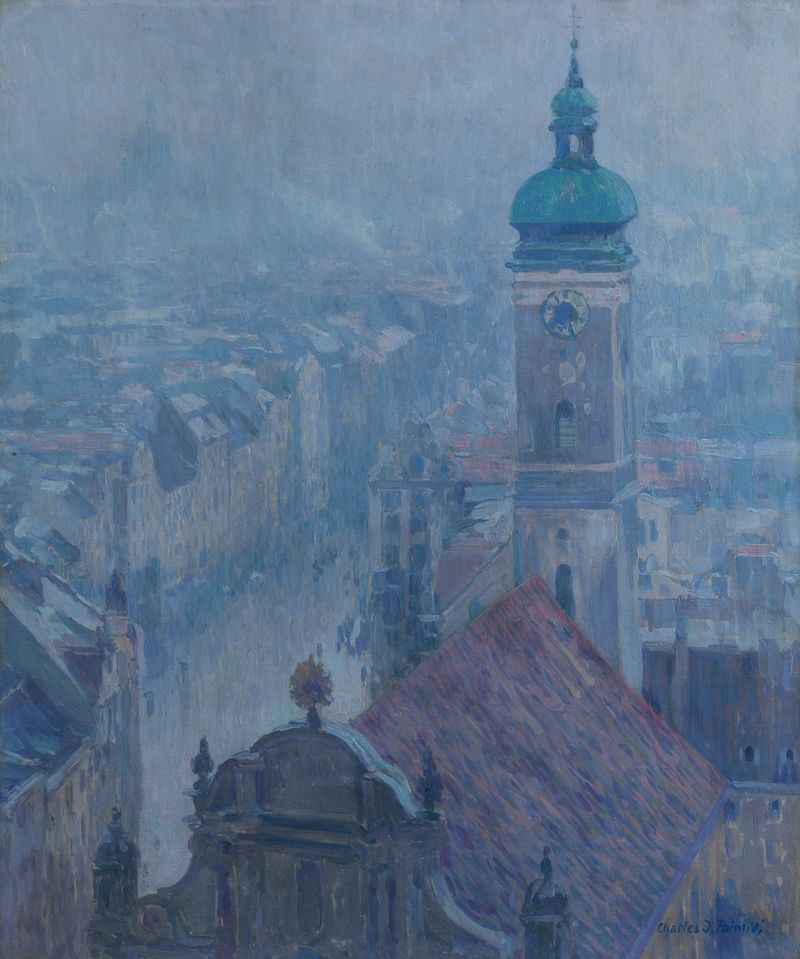
Blick auf München vom Alten Peter
Charles Johann Palmié

Pappelallee in Giverny
Charles Johann Palmié
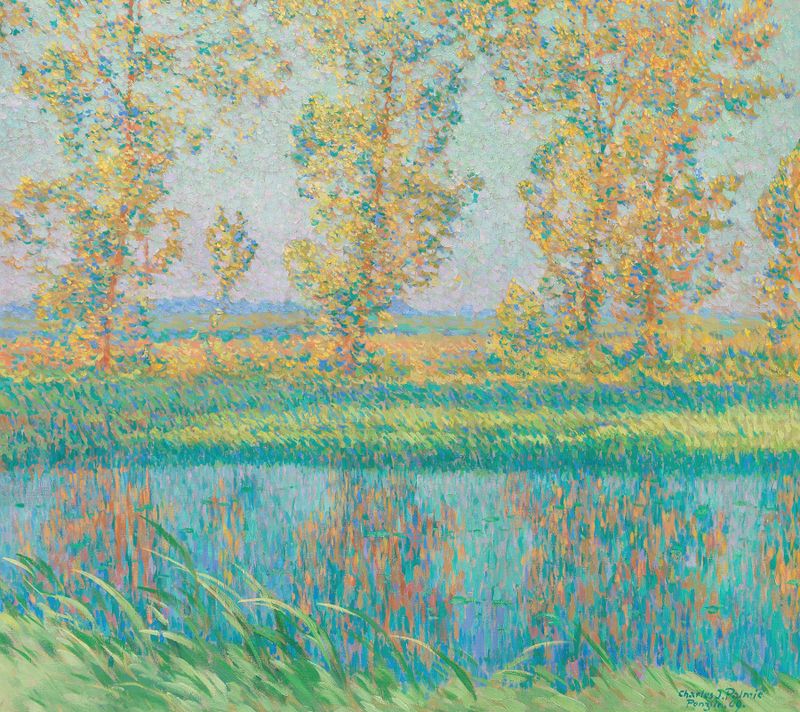
Sommerlandschaft
Charles Johann Palmié
Sommerlandschaft
Charles Johann Palmié





