
Zusammenfluss von Moldau und Elbe — History & Facts
Is this a mirror — or a memory? The tranquil convergence of the Moldau and Elbe rivers evokes a sense of divine harmony, where nature's elements entwine in a sacred embrace. Look to the center where the waters meet, a gentle swirl inviting contemplation. Engelmüller's brushwork captures the fluidity of the rivers, their surfaces shimmering with a palette that blends soft blues, rich greens, and warm earth tones. The horizon stretches wide, inviting the viewer's gaze towards the distant undulating hills, while wisps of cloud dance in the sky, casting reflections that beckon for deeper exploration.
Every stroke reveals the artist’s meticulous attention to light and shadow, creating an ethereal quality that feels almost otherworldly. As you delve further, the contrasting elements of serenity and movement unfold. The stillness of the water juxtaposes the dynamic flows, symbolizing a balance between chaos and tranquility. A lone tree stands sentinel at the riverbank, its leaves appearing to whisper secrets of time and place, merging the earthly with the celestial.
This juxtaposition hints at themes of divinity in nature and the unseen forces that shape our world—a reminder of the interconnectedness of all things. In 1902, Ferdinand Engelmüller created this piece during a time of profound change in Europe, as the continent grappled with industrialization and its impact on the landscape. Living in Germany, Engelmüller was influenced by the Romantic tradition, yet sought to depict a more intimate relationship with nature. His work reflects the era's appetite for capturing the sublime, reaching for a spiritual resonance amid the shifting tides of modernity.
More Artworks by Ferdinand Engelmüller
Browse all →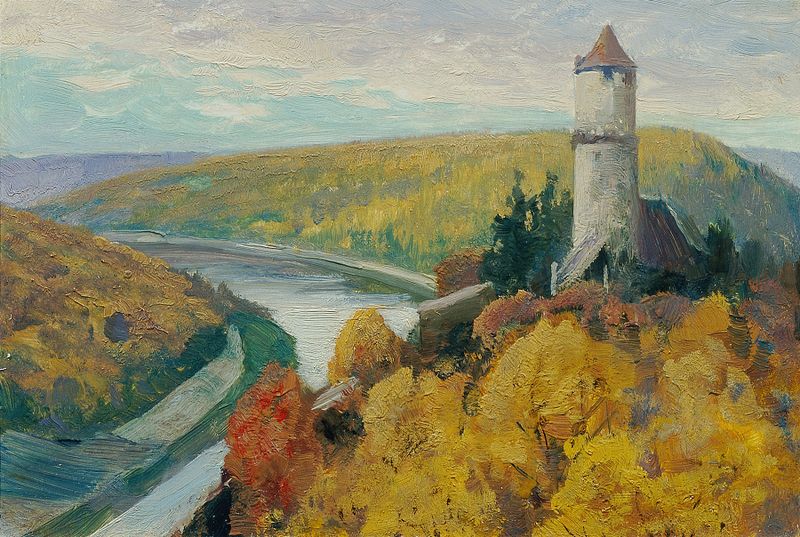
Moldau
Ferdinand Engelmüller
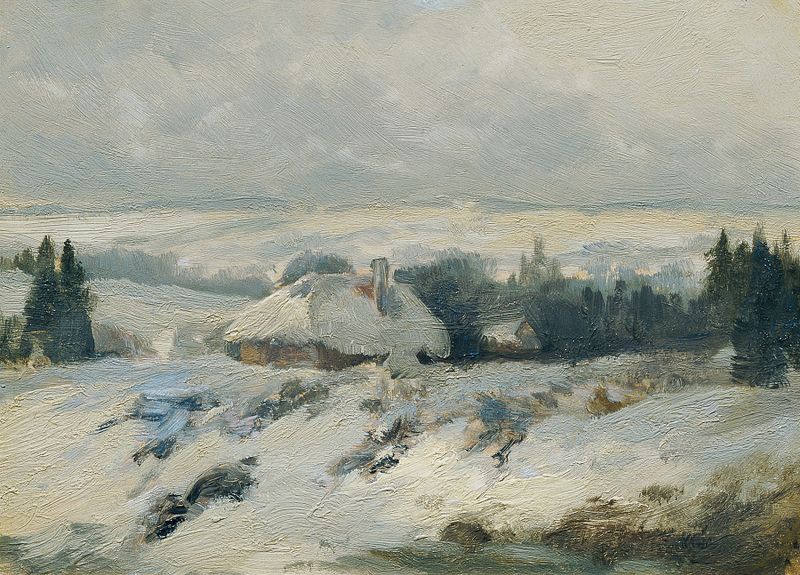
Böhmisch-Mährische Höhe
Ferdinand Engelmüller
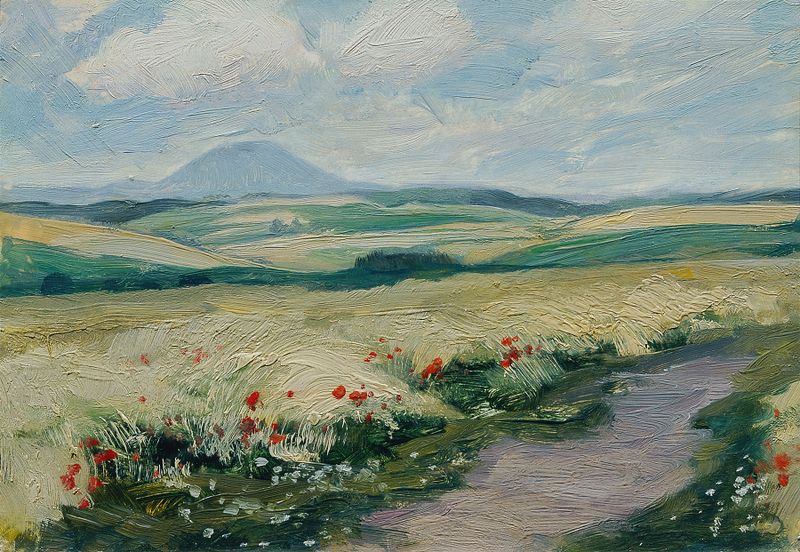
Podřipsko
Ferdinand Engelmüller

Riesengebirge
Ferdinand Engelmüller

Prachauer Felsen
Ferdinand Engelmüller

Böhmerwald
Ferdinand Engelmüller
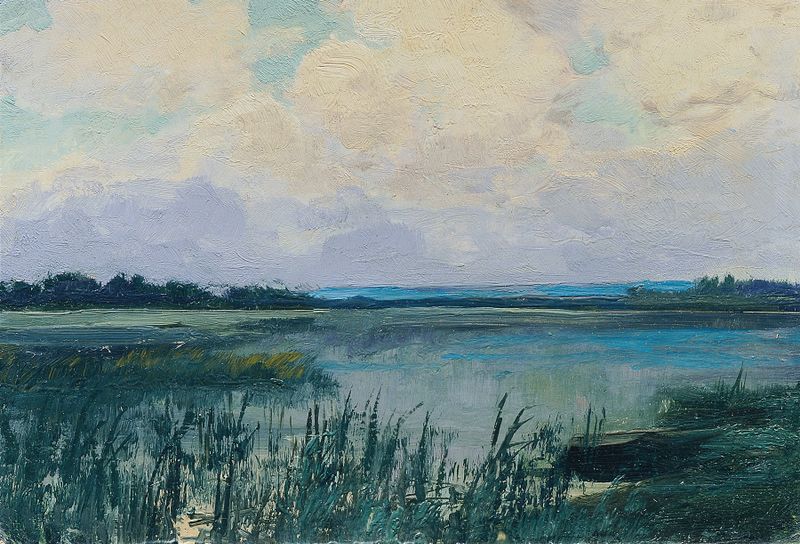
Wittingau
Ferdinand Engelmüller

Táborsko
Ferdinand Engelmüller
Böhmerwald
Ferdinand Engelmüller
Wittingau
Ferdinand Engelmüller





