13. Plafond du Tombeau D’anna (n° 81), 14. Plafond du Tombeau de Menkheper (n° 79) — History & Facts
Did the painter know this moment would outlive them? In the delicate interplay of color and form, 13. Plafond du Tombeau D’anna (n° 81) and 14. Plafond du Tombeau de Menkheper (n° 79) embody an obsession that transcends time, capturing the essence of a forgotten world. Look closely at the intricate details of the ceiling panels.
The meticulous brushwork draws your gaze to the regal figures elegantly intertwined with hieroglyphs, all framed by ornate borders that seem to pulse with life. Notice how the rich, earthy tones contrast with the vibrant splashes of gold and azure, creating an almost shimmering effect that invites lingering contemplation. Each stroke speaks to Jéquier's commitment to authenticity, imbuing the scene with a sense of reverence and history. As you delve deeper, consider the duality present in this work.
The juxtaposition of the serene figures against the backdrop of ancient symbols suggests a tension between mortality and eternity, a longing for connection that echoes through millennia. The layers of paint, some thick and textured while others are smooth and translucent, mirror the complexities of human obsession—both ancient and contemporary. Here lies not just a moment frozen in time but an exploration of humanity's eternal desire to leave a mark. In 1911, Gustave Jéquier was immersed in the study of ancient Egyptian art while working in Paris.
This period was characterized by a burgeoning interest in archaeological discoveries, and Jéquier was at the forefront, capturing the essence of these artifacts. His works were integral to the revival of interest in ancient civilizations, cementing his role as a vital figure in the intersection of art and archaeology during a transformative time.
More Artworks by Gustave Jéquier
Browse all →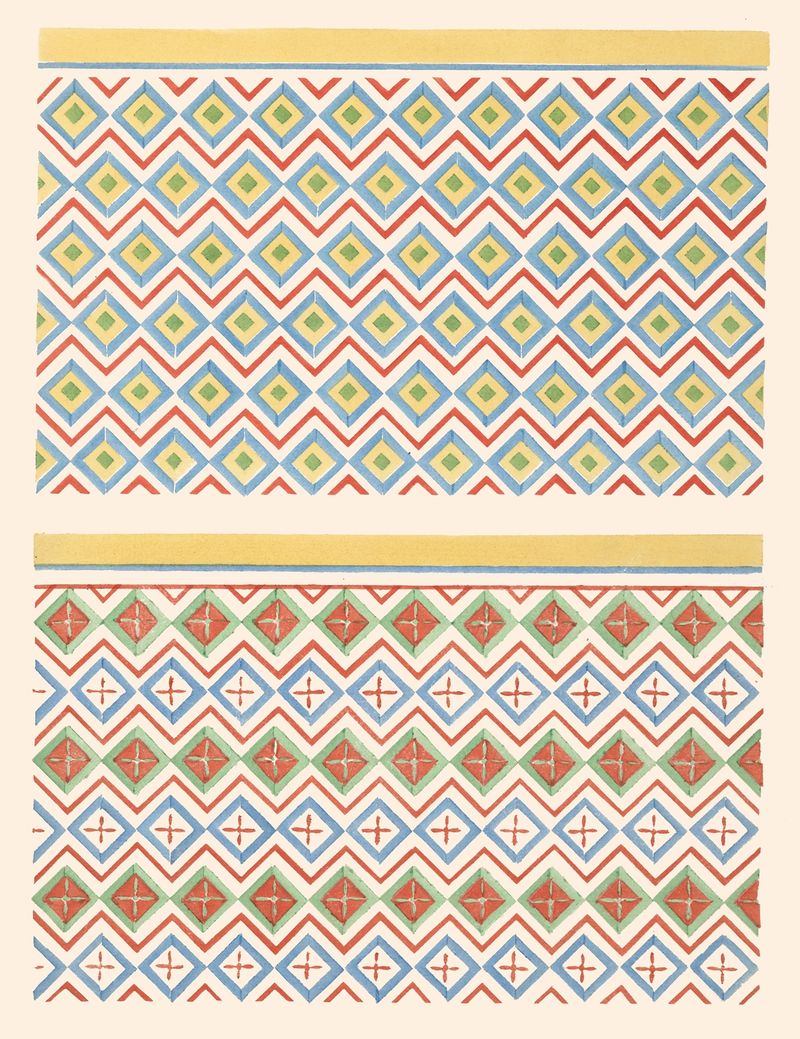
9. Plafond du Tombeau de Hapousenb (n° 67), 10. Plafond du Tombeau D’amounzeh (n° 84)
Gustave Jéquier
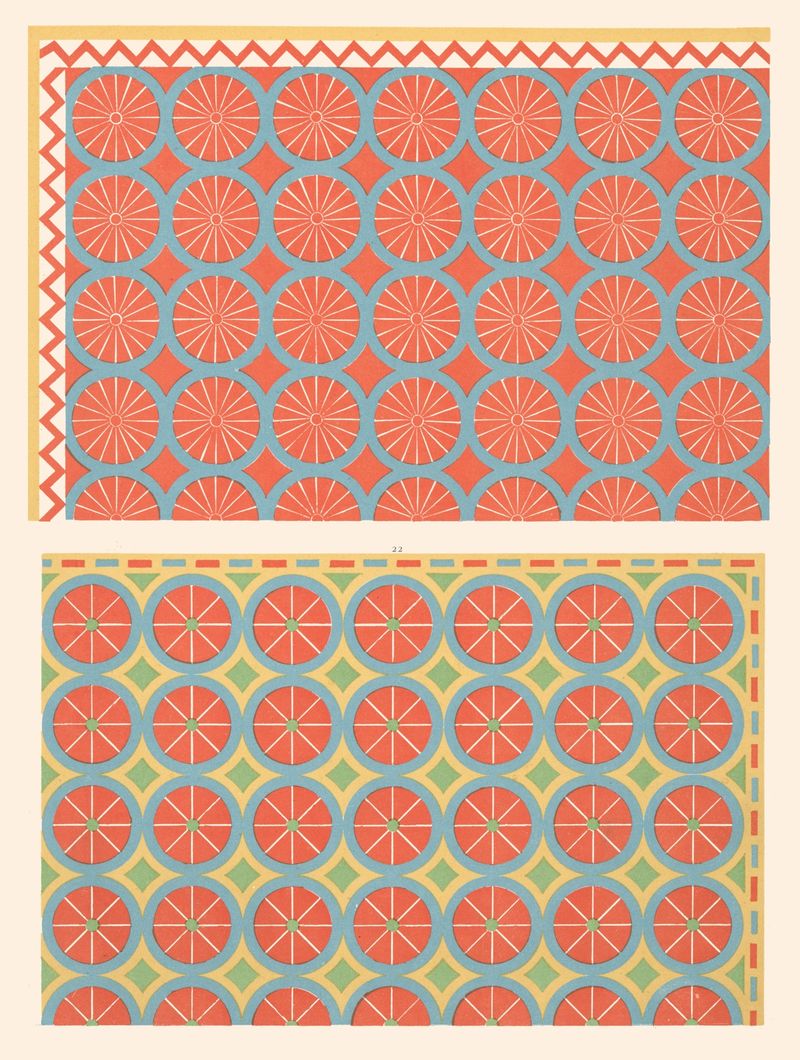
22. Plafond du Tombeau de Hiq-er-Neheh (n°64), 23. Plafond du Tombeau de Tenna (n° 76)
Gustave Jéquier
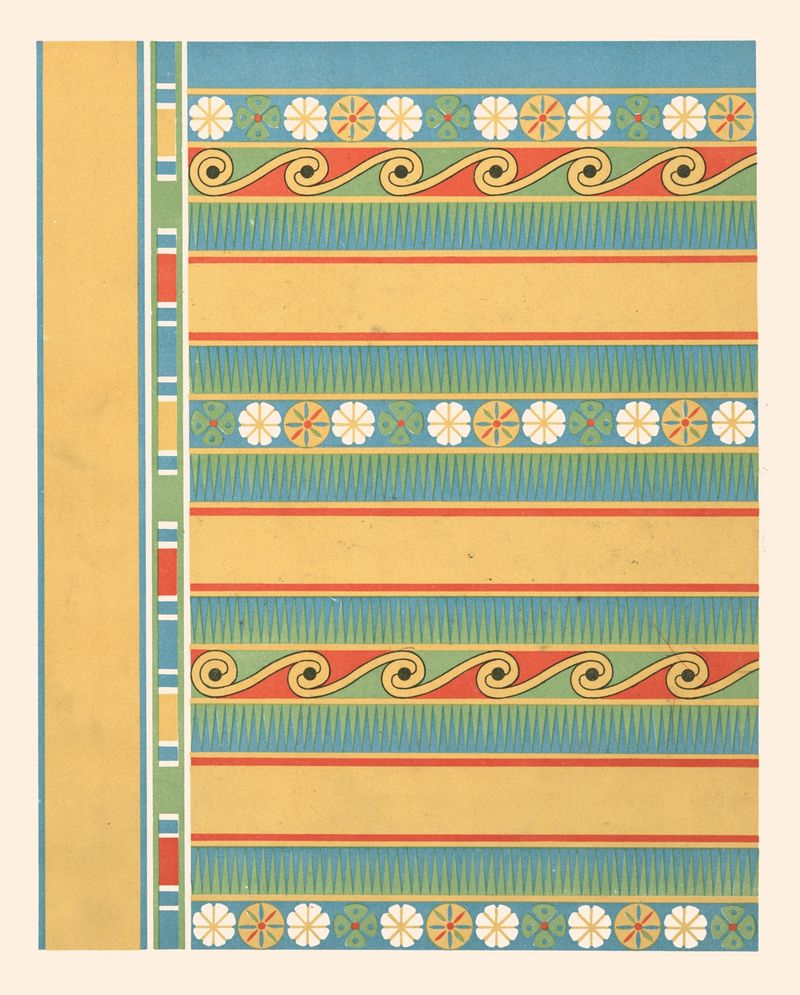
49. Plafond du Tombeau de Nesi-pa-Noferher (n° 68)
Gustave Jéquier
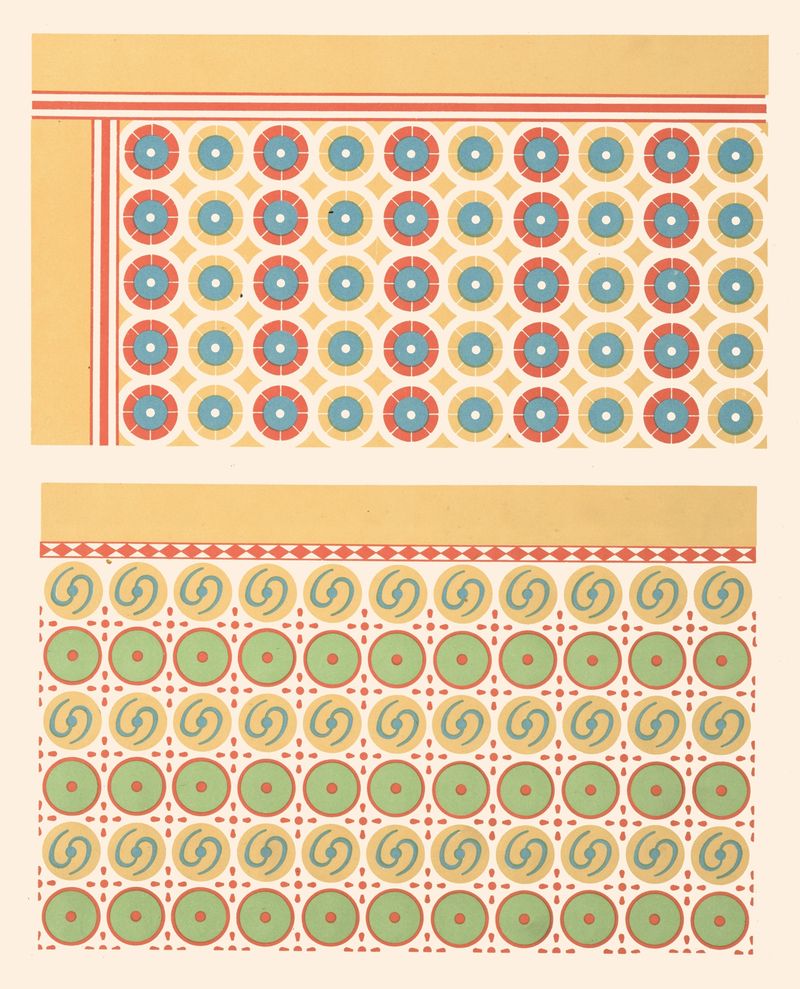
20. Plafond du Tombeau D’amenheb (n° 90), 21. Plafond du Tombeau de Menkheper (n° 79)
Gustave Jéquier
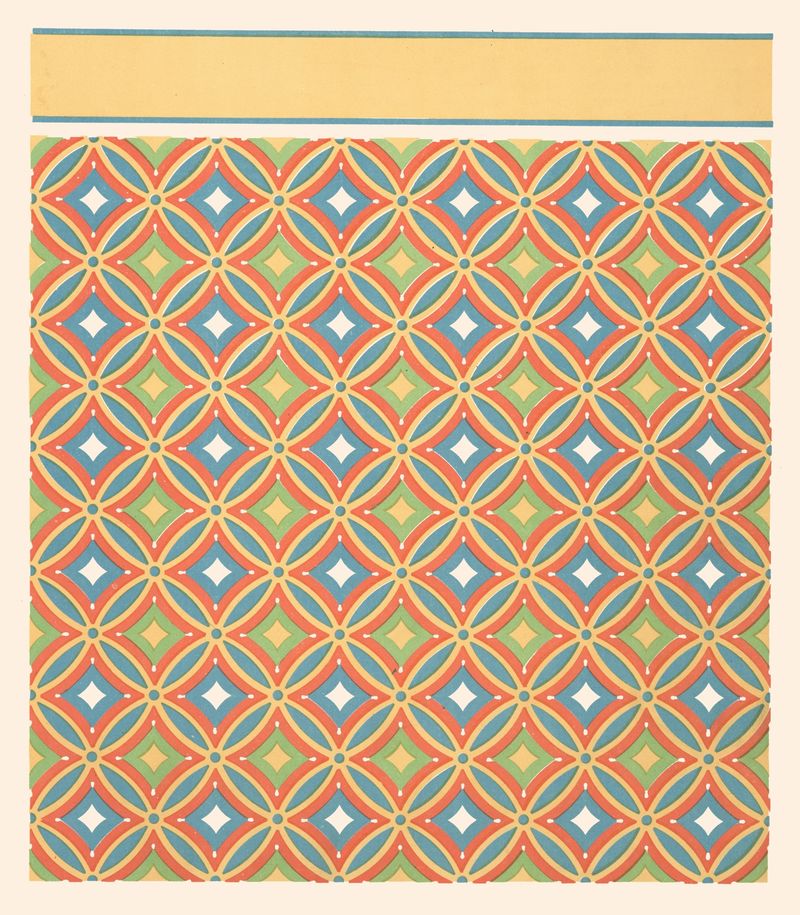
29. Plafond du Tombeau D’amenemhat (n° 82)
Gustave Jéquier
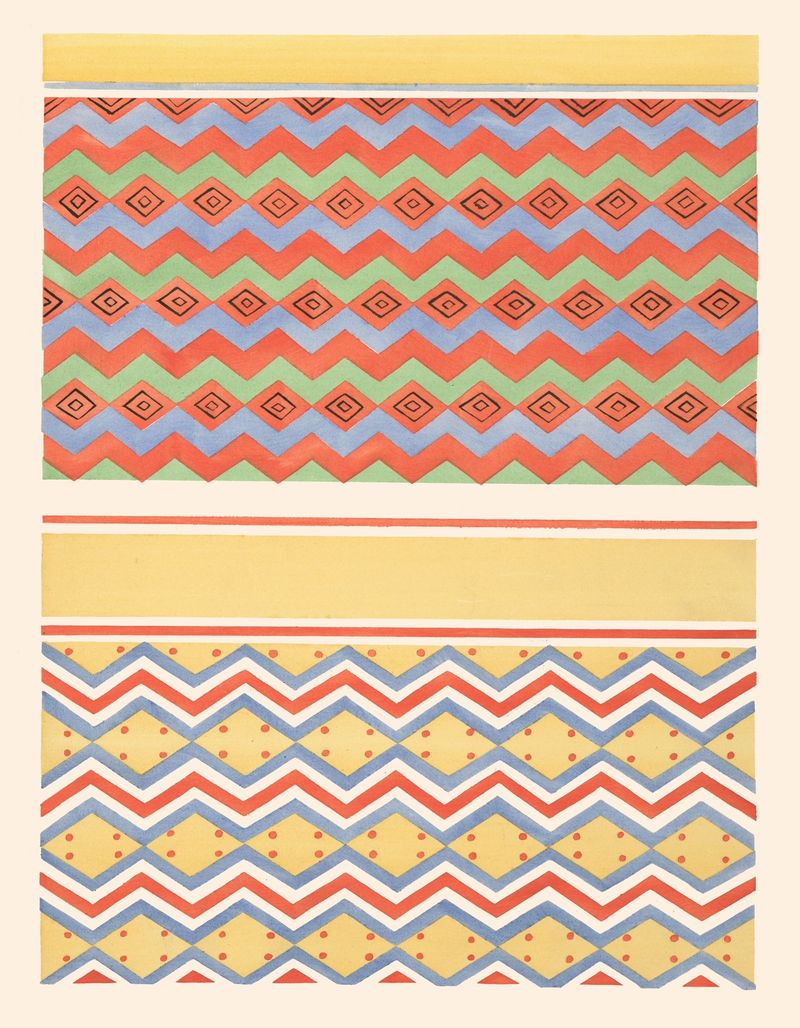
5. Plafond du Tombeau D’amounzeh (° 84), 6. Plafond du Tombeau D’amenemheb
Gustave Jéquier
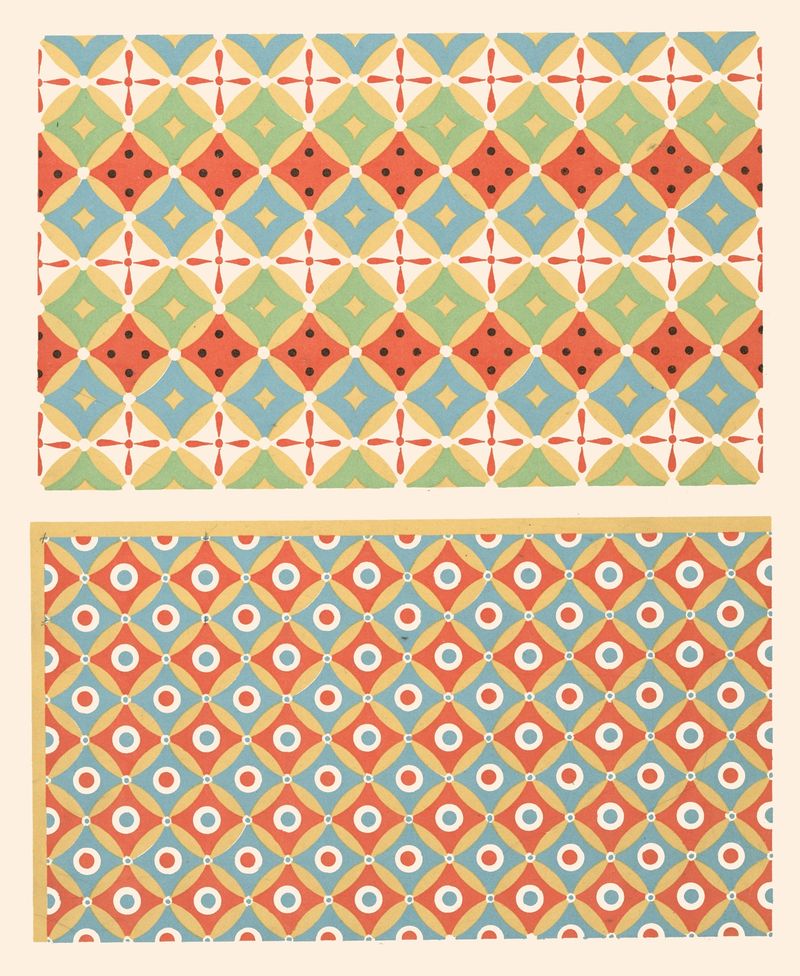
27. Plafond du Tombeau de Nekht-Mîn (n° 87), 28. Plafond du Tombeau n° 91 (Anonyme)
Gustave Jéquier
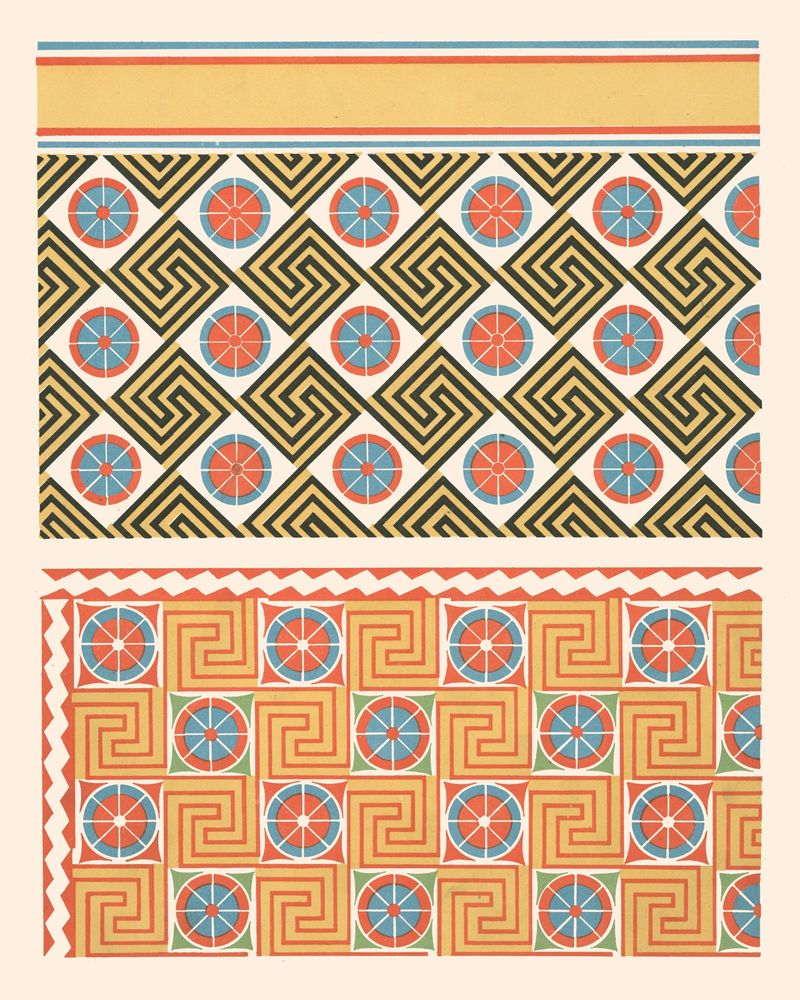
38. Plafond du Tombeau D’anna (n° 81), 39. Plafond du Tombeau de Senmout (n° 71)
Gustave Jéquier
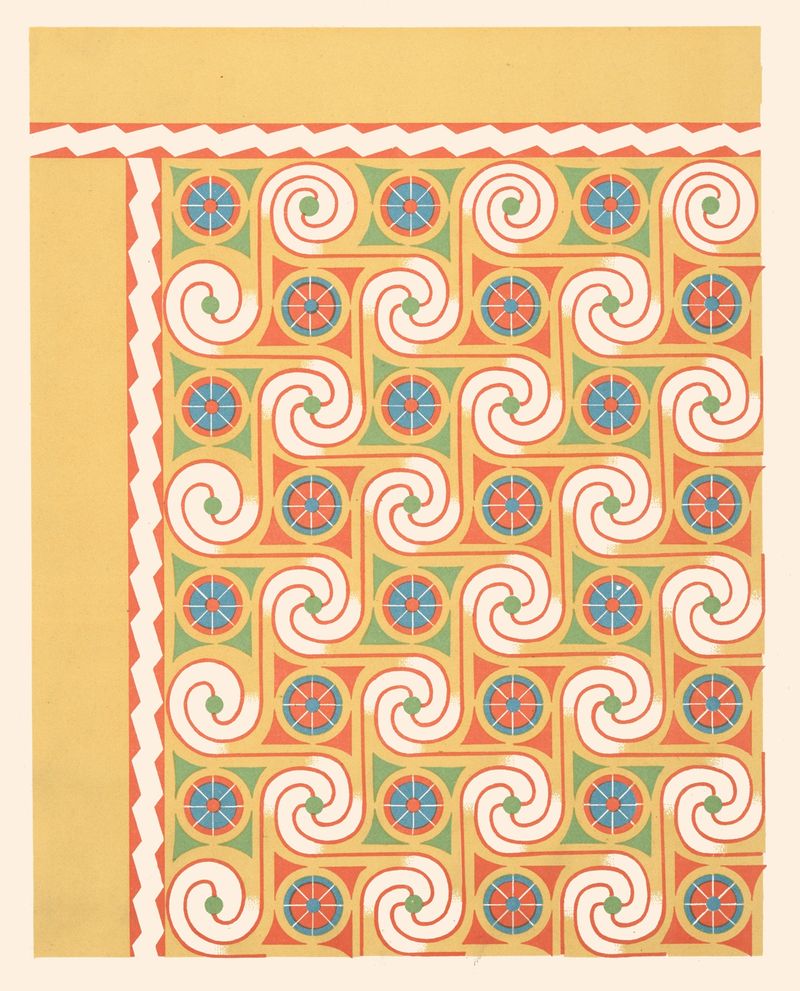
34. Plafond du Tombeau de Senmout (n° 71)
Gustave Jéquier
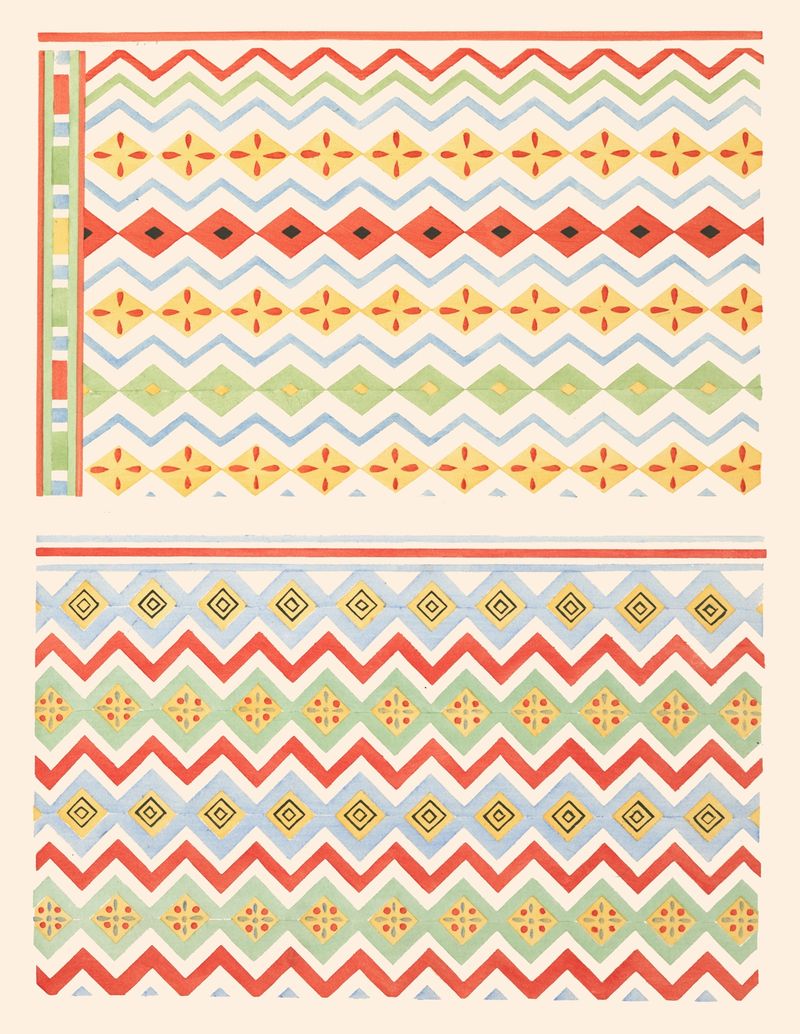
7. Plafond du Tombeau D’amenemant (n° 58), 8. Plafond du Tombeau de Pehsoukehr (n° 88)
Gustave Jéquier