7. Plafond du Tombeau D’amenemant (n° 58), 8. Plafond du Tombeau de Pehsoukehr (n° 88) — History & Facts
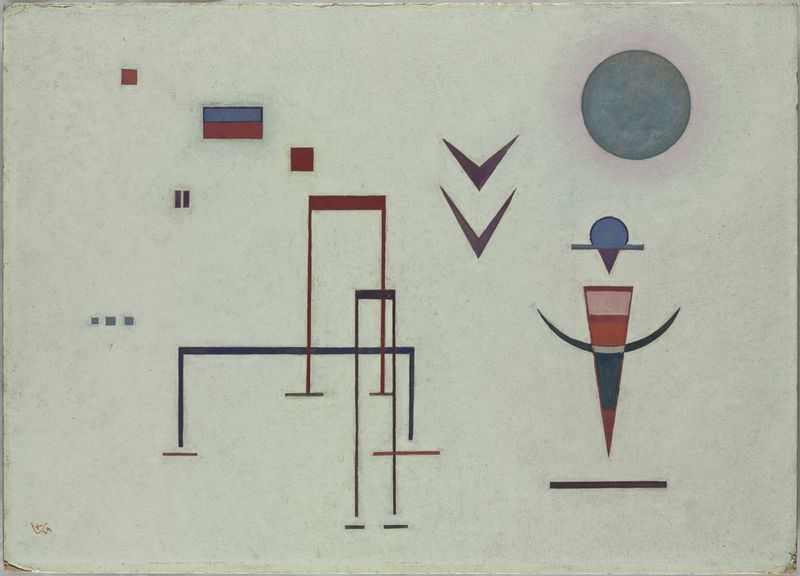
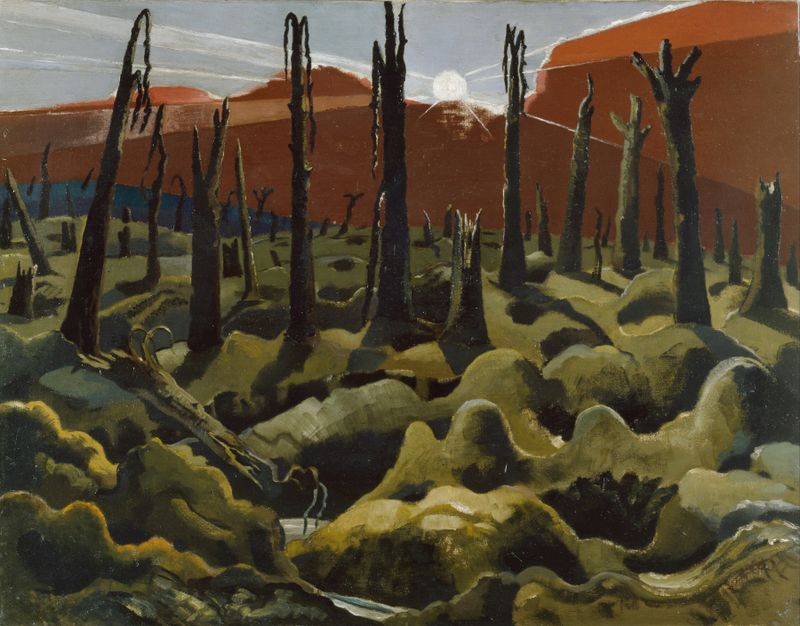
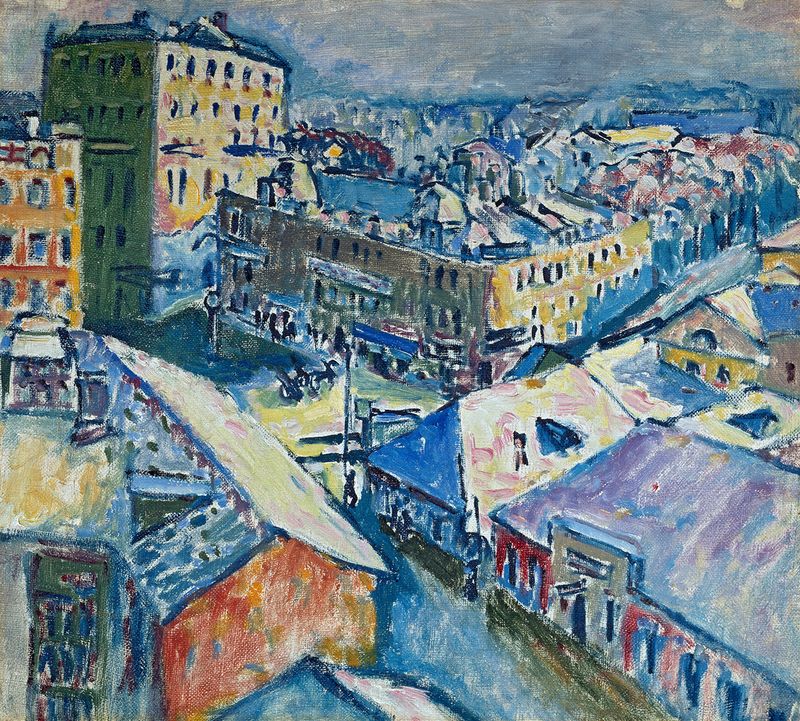
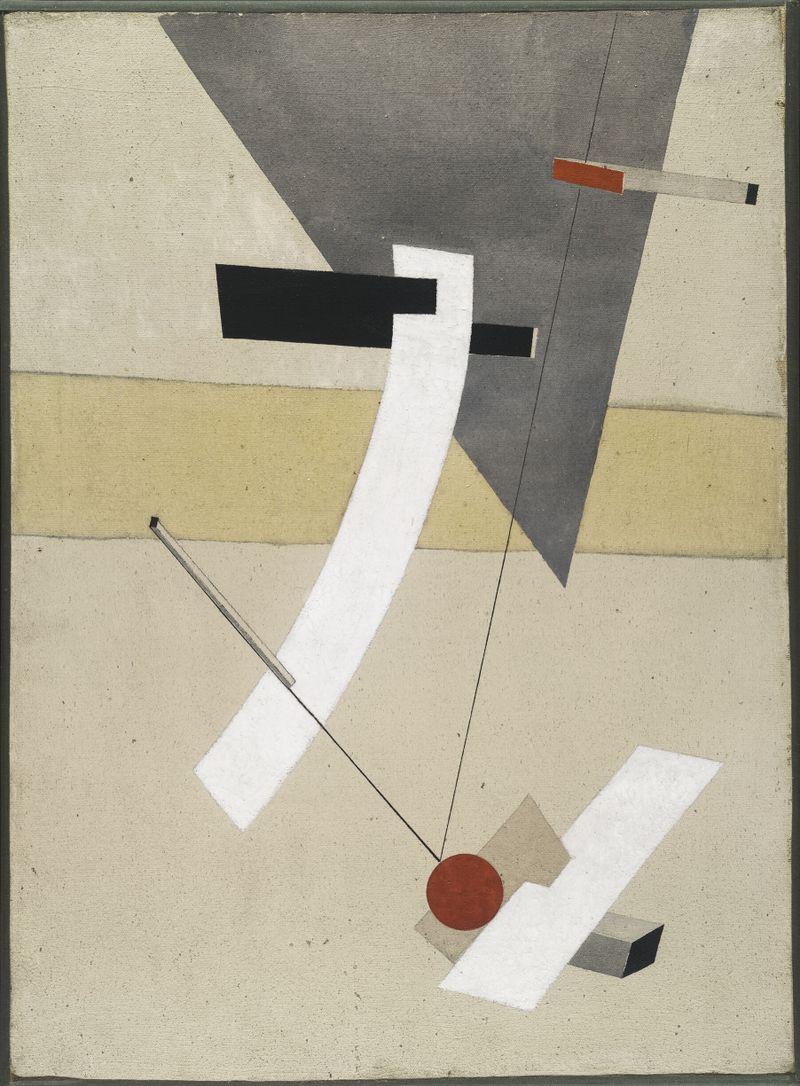
In this stillness, one can feel the weight of longing, an echo of lost histories reverberating through vibrant hues and intricate patterns, yearning to tell their stories. Look to the upper expanse of the composition, where gentle strokes intertwine with bold colors, creating a canopy of visual splendor. Notice how the azure and gold interplay, drawing your gaze through an almost celestial perspective. The meticulous detail of each motif speaks to a craftsmanship that captures both the eye and the spirit.
Jéquier’s choice of warm tones infuses the scene with life, inviting the viewer to linger, to explore its depths, and to uncover the silent whispers embedded within the design. Yet, beneath the allure lies a tension. The contrast of light and shadow suggests a depth of emotion; the brightness hints at hope or aspiration, while the darker corners evoke a sense of nostalgia or melancholy. Each element, from the ornate borders to the delicate figures, embodies a duality—beauty intertwined with a profound sense of absence.
It challenges the viewer to confront the layers of time that these artworks encapsulate, urging reflection on what has been lost and what remains. In 1911, Jéquier was immersed in the revival of decorative arts in Europe, particularly influenced by the Art Nouveau movement and the ancient Egyptian motifs that inspired much of his work. At this time, he was living in Paris, where he engaged with a community of like-minded artists, forging connections that would shape his vision. His dedication to integrating historical contexts with contemporary aesthetics positioned him as a pivotal figure in the evolution of applied arts, as he sought to bridge the past with the present in his creations.
More Artworks by Gustave Jéquier
Browse all →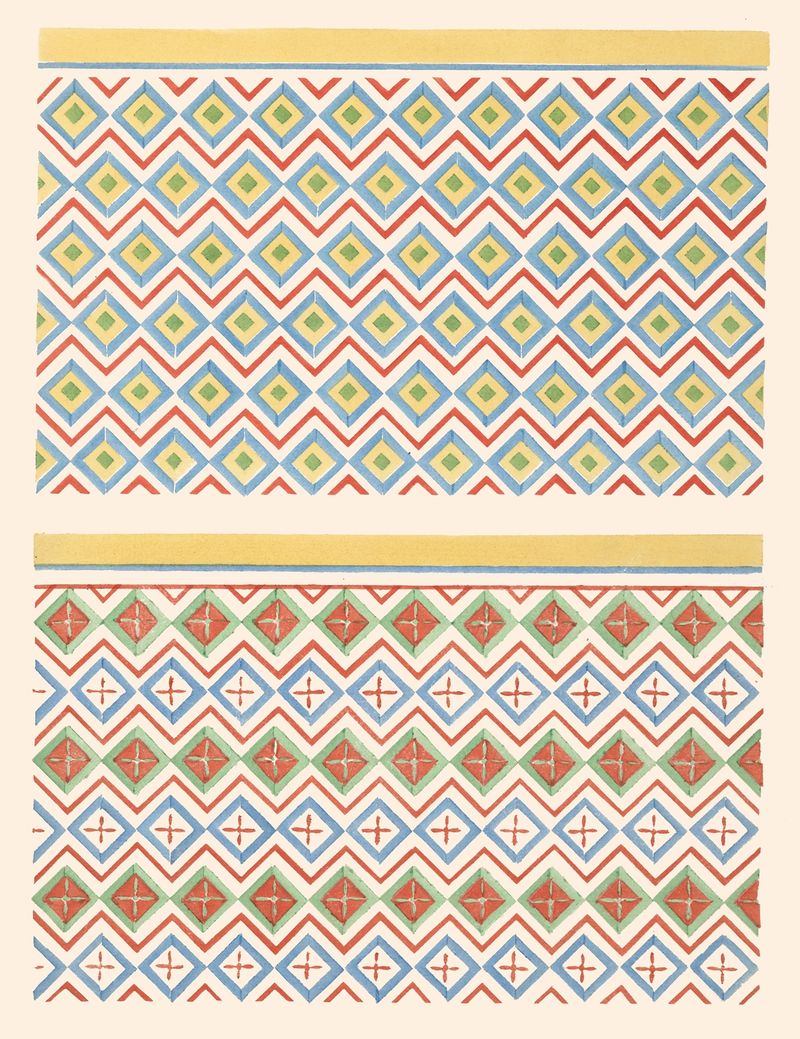
9. Plafond du Tombeau de Hapousenb (n° 67), 10. Plafond du Tombeau D’amounzeh (n° 84)
Gustave Jéquier
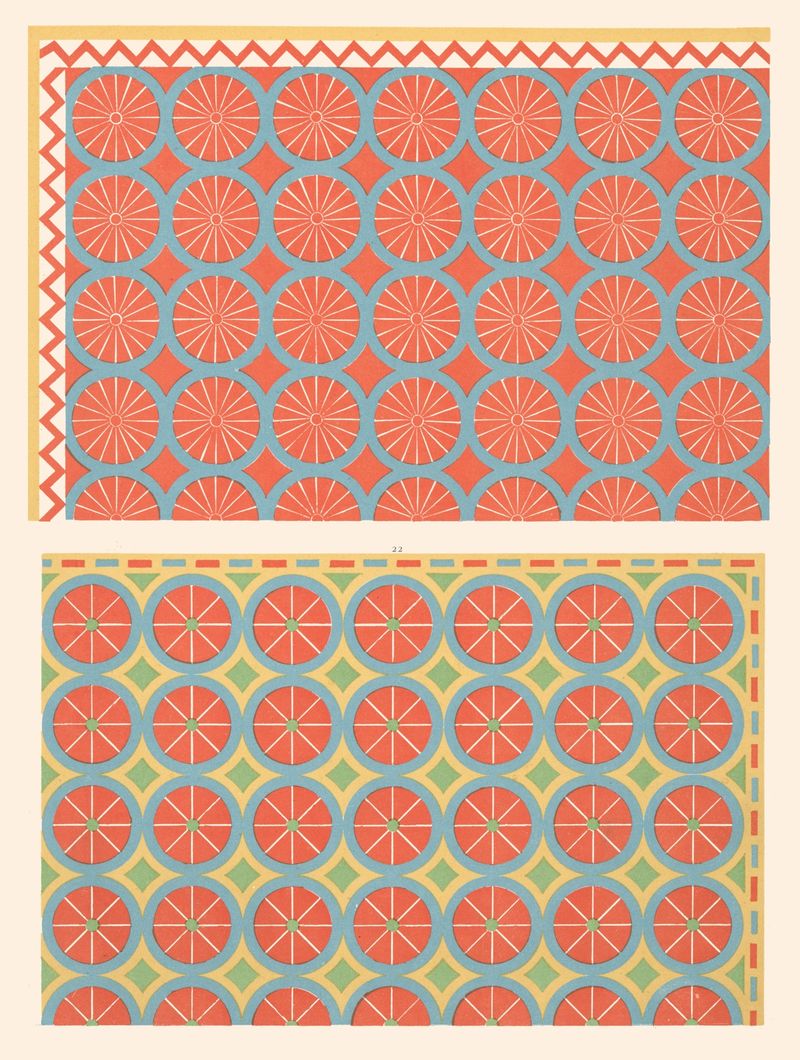
22. Plafond du Tombeau de Hiq-er-Neheh (n°64), 23. Plafond du Tombeau de Tenna (n° 76)
Gustave Jéquier
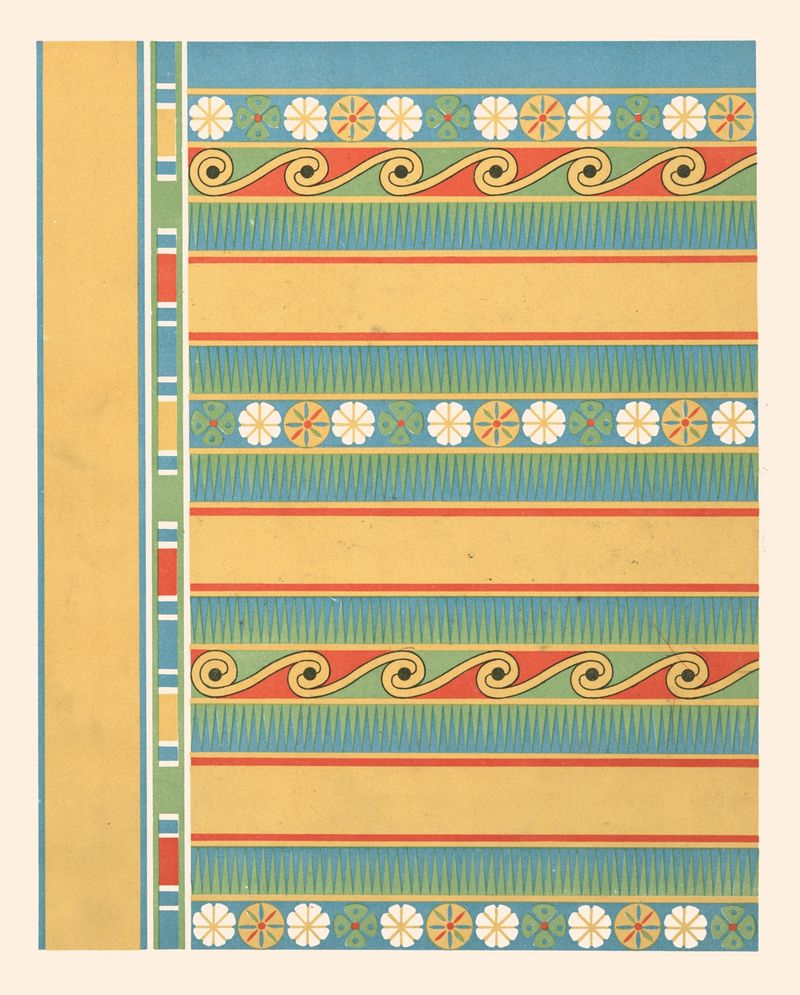
49. Plafond du Tombeau de Nesi-pa-Noferher (n° 68)
Gustave Jéquier
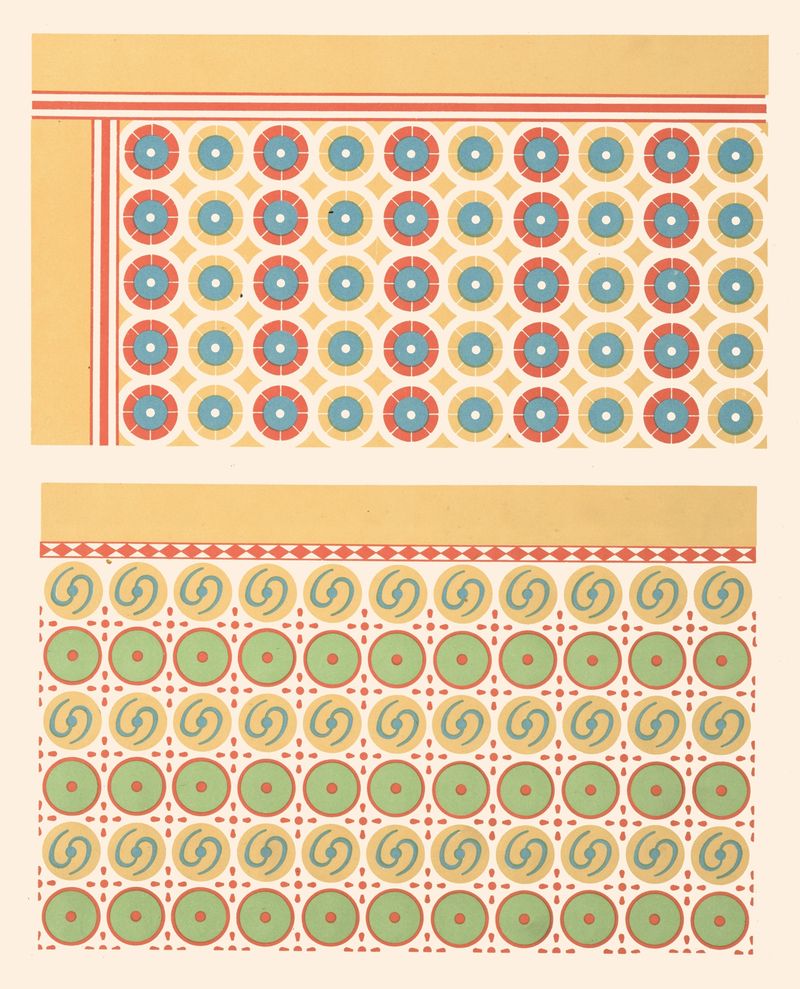
20. Plafond du Tombeau D’amenheb (n° 90), 21. Plafond du Tombeau de Menkheper (n° 79)
Gustave Jéquier
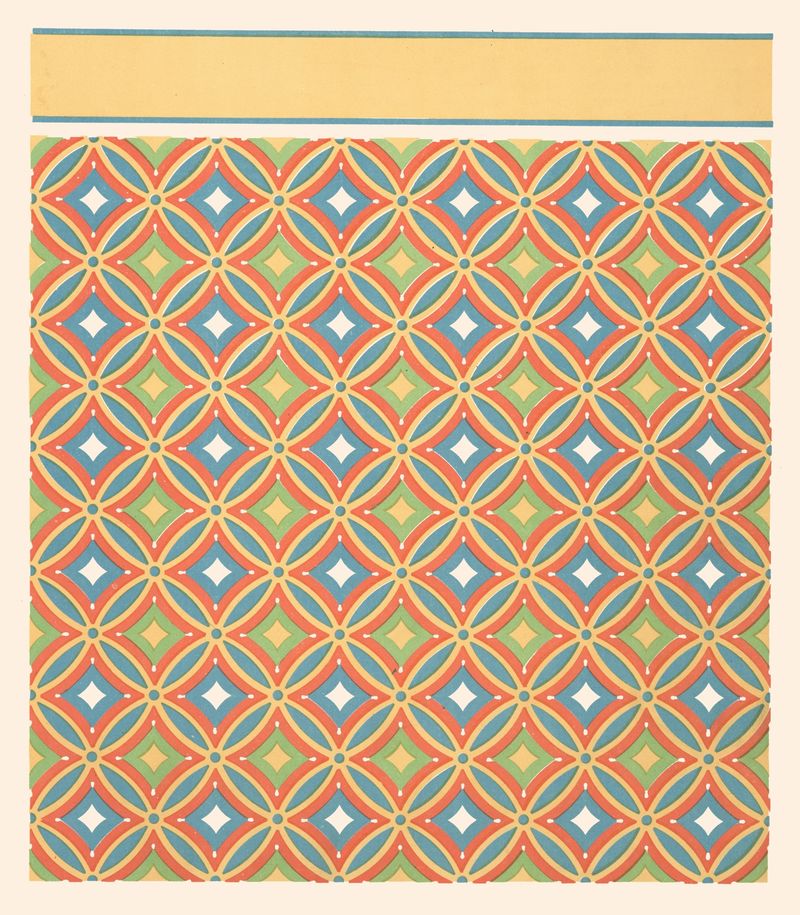
29. Plafond du Tombeau D’amenemhat (n° 82)
Gustave Jéquier
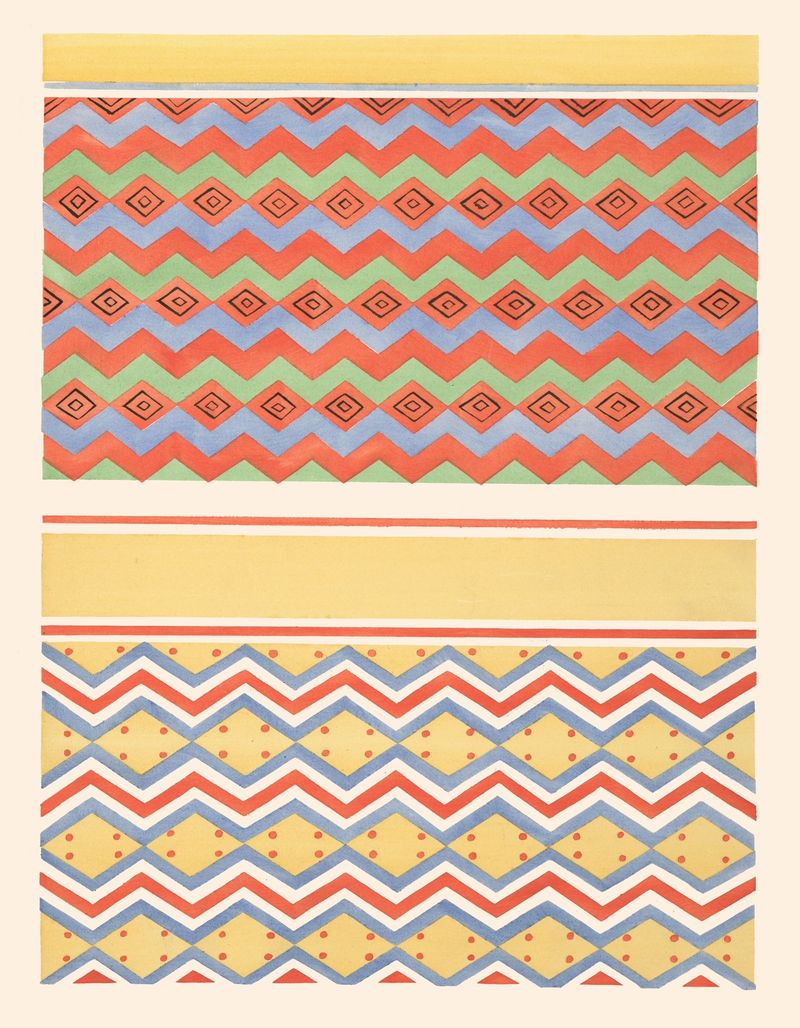
5. Plafond du Tombeau D’amounzeh (° 84), 6. Plafond du Tombeau D’amenemheb
Gustave Jéquier
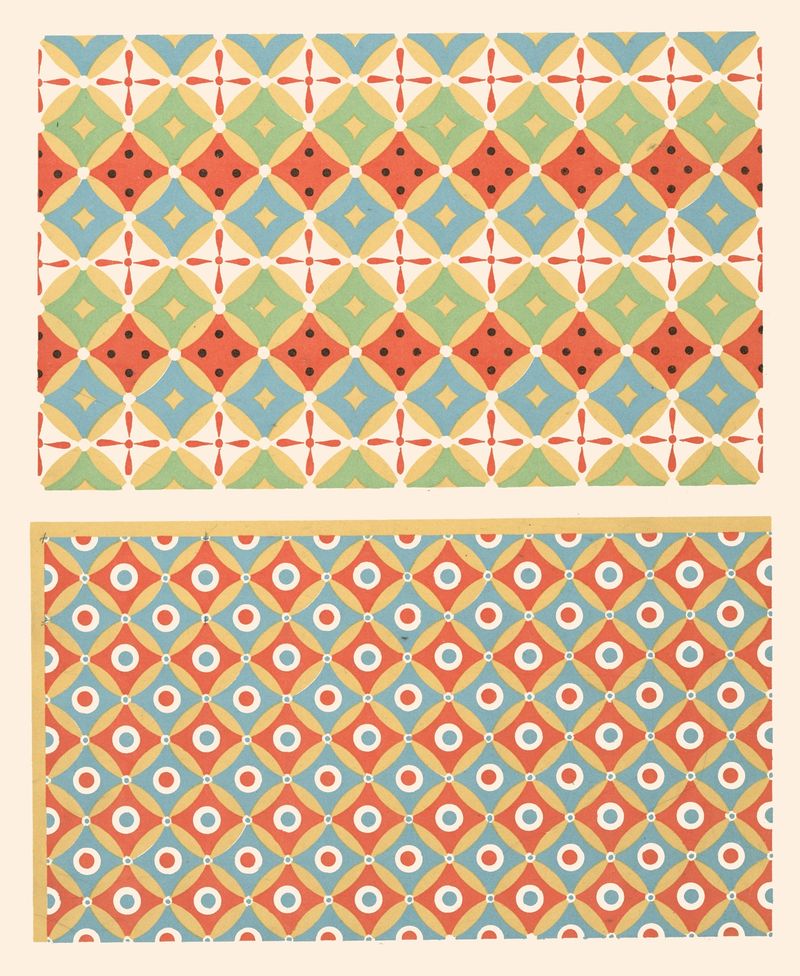
27. Plafond du Tombeau de Nekht-Mîn (n° 87), 28. Plafond du Tombeau n° 91 (Anonyme)
Gustave Jéquier
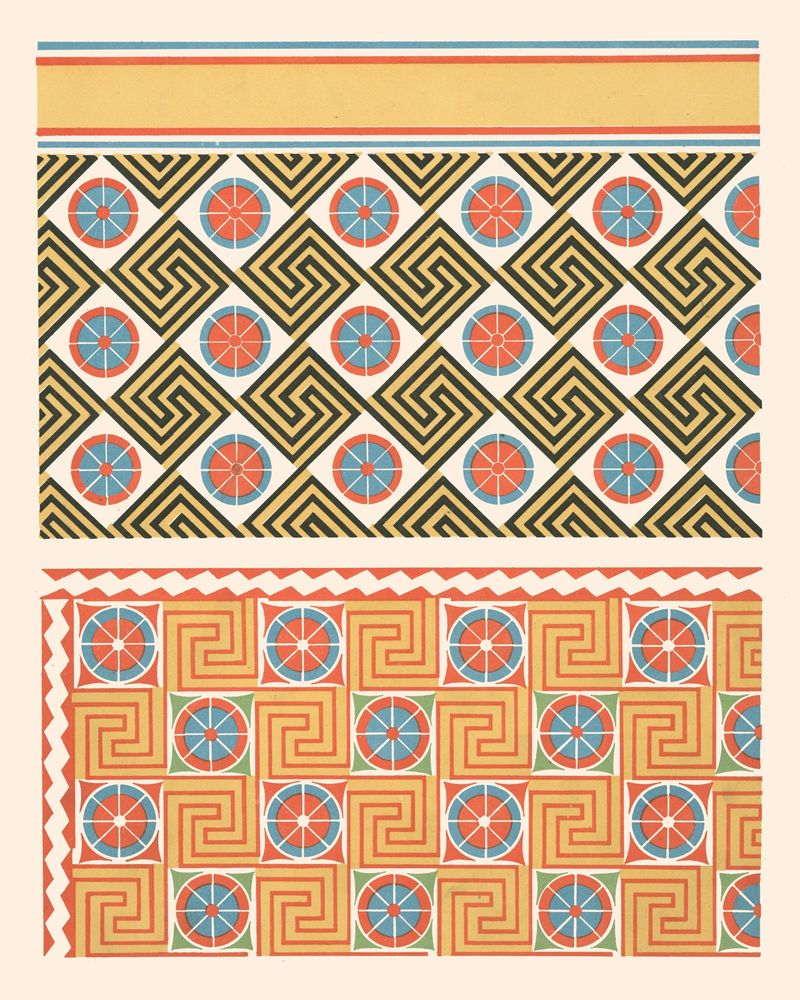
38. Plafond du Tombeau D’anna (n° 81), 39. Plafond du Tombeau de Senmout (n° 71)
Gustave Jéquier
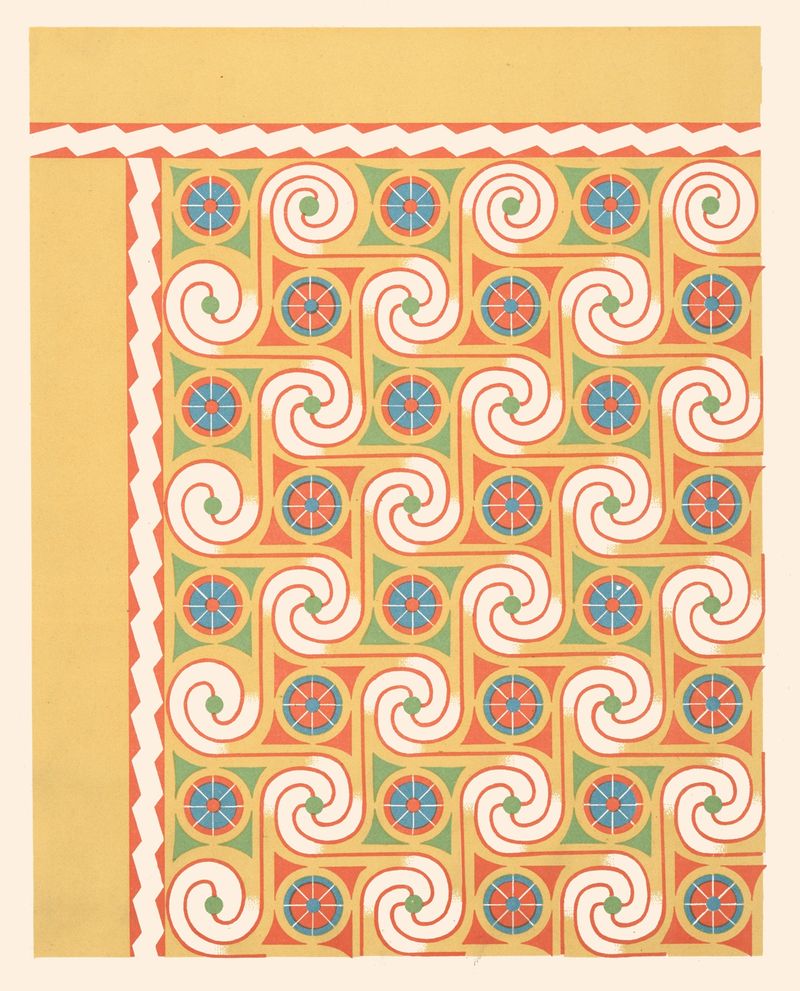
34. Plafond du Tombeau de Senmout (n° 71)
Gustave Jéquier
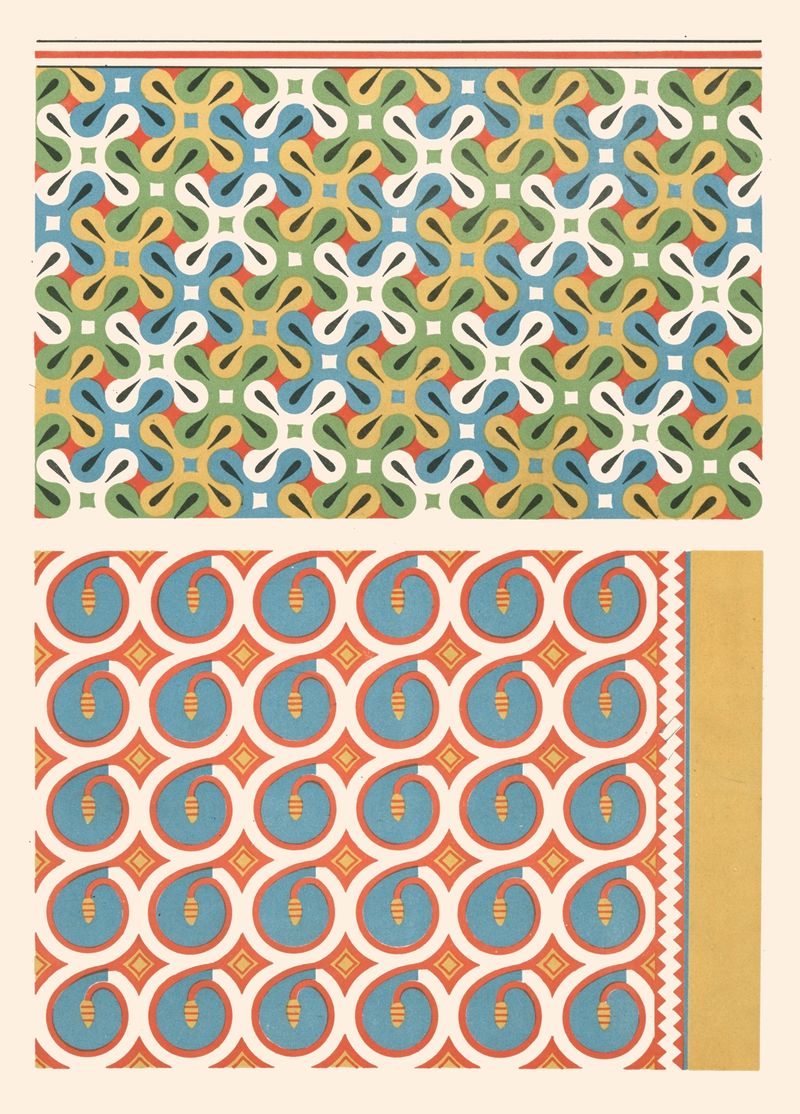
42. Plafond du Tombeau D’amenemhat (n° 82), 43. Plafond du Tombeau de Hapousenb (n° 67)
Gustave Jéquier