
1530 in art — History & Facts
Gaze upward, and the ceiling dissolves into a whirlwind of figures and light, as if the very architecture has given way to a vision. The illusion is so complete that the eye is drawn inexorably toward the blazing center, where the human and divine swirl together in a vortex of clouds and bodies. Every gesture, every turn of the head, is orchestrated to heighten the sense of movement and awe, pulling the viewer into the drama unfolding above.
The figures, painted with muscular dynamism and foreshortened daring, seem to tumble out of the heavens, their limbs reaching into the space of the beholder. This is the world of Antonio da Correggio, a master of illusionistic ceiling painting in the early sixteenth century. Here, the dome becomes a stage for an ascending multitude, with clouds as their only footing and golden light as their destination. The palette is rich but never heavy; draperies ripple in pinks, ochres, and blues, while the sky opens in a burst of yellow-white radiance.
The composition’s centrifugal force is unmistakable, echoing the theatricality of the High Renaissance and anticipating the bravura of later Baroque painters. Such ceilings were commissioned to dazzle, to lift the faithful’s gaze and imagination beyond the confines of stone and mortar—an ambition that this work fulfills with exuberant confidence. History has kept few traces of this specific painting’s journey, but its style and ambition speak to a period when Italian churches and chapels became laboratories for illusion and spectacle. Ceiling frescoes like this, often commissioned by religious patrons eager to proclaim both faith and status, transformed sacred spaces into portals to the divine.
The date of this particular image’s documentation—2009-04-23—reminds us how such works, whether preserved in situ or captured anew, continue to invite viewers into their spiraling worlds. Let your eyes follow the sweep of figures and clouds, and you may sense the thrill that once greeted every upward glance in a Renaissance dome.
More Artworks by Antonio da Correggio

Virgin and Child with the Young Saint John the Baptist
Antonio da Correggio
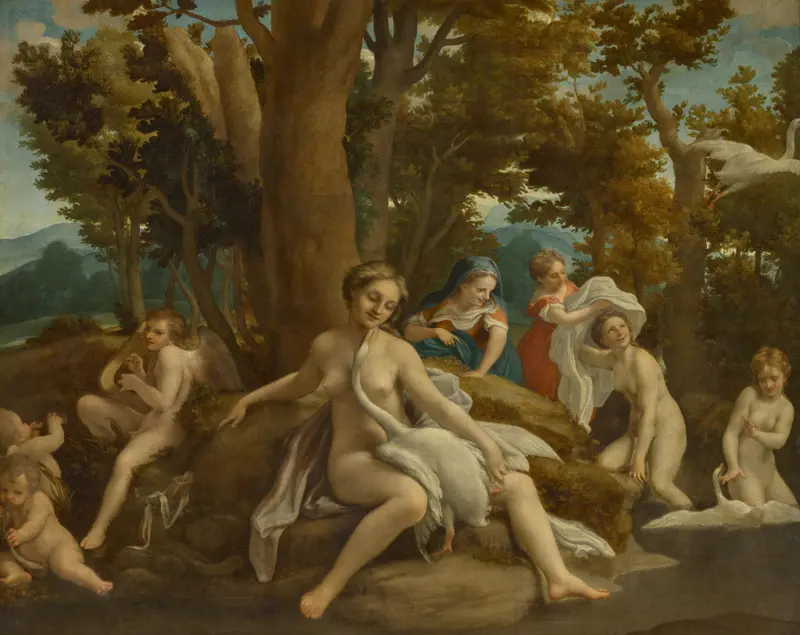
Leda and the Swan
Antonio da Correggio
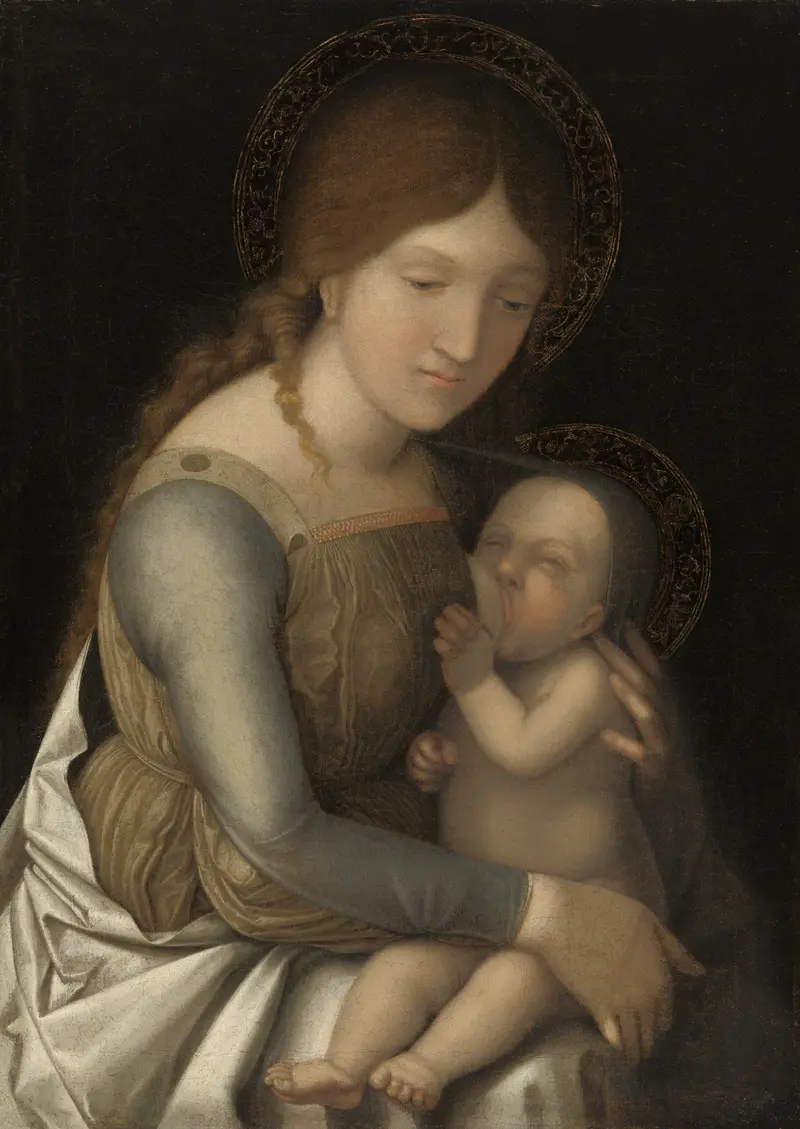
Madonna and Child
Antonio da Correggio
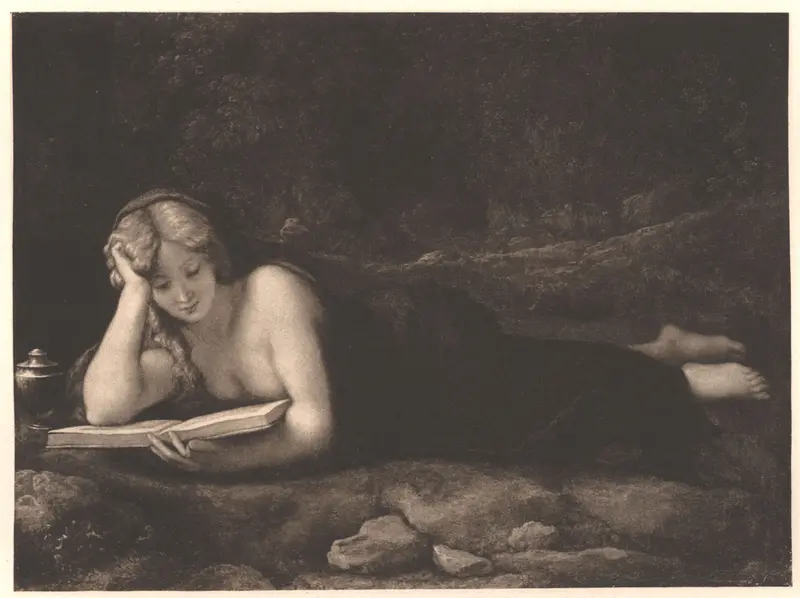
Penitent Magdalene
Antonio da Correggio
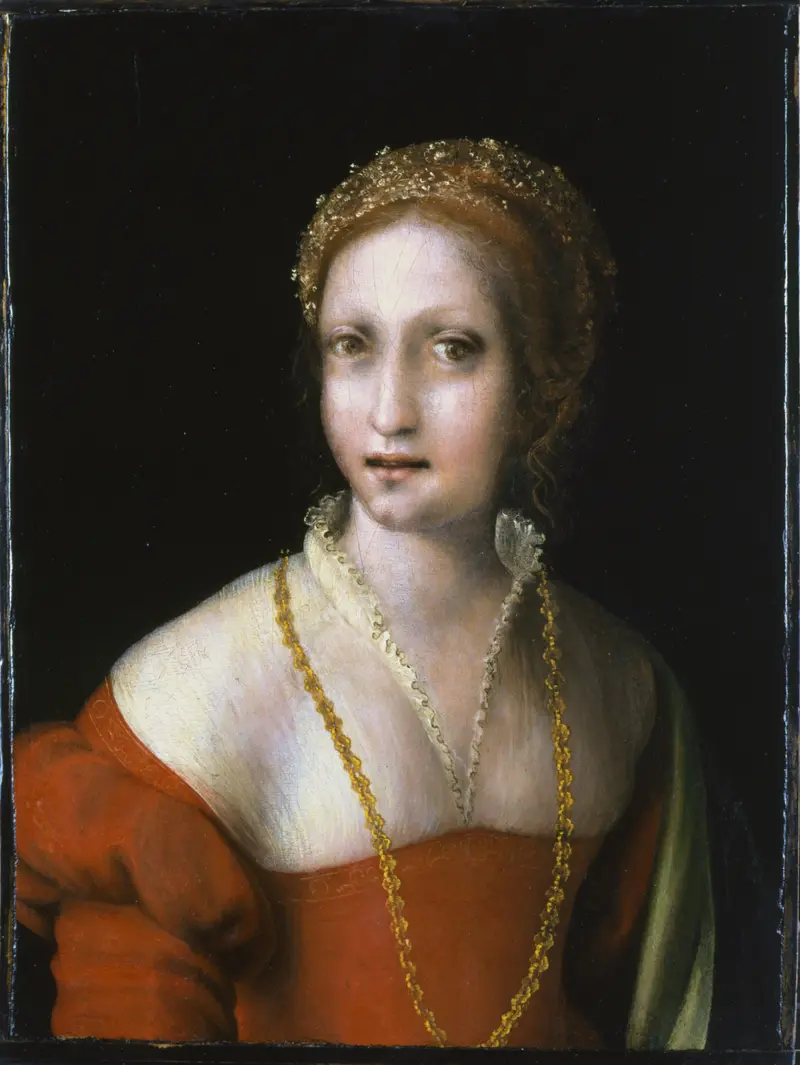
Portrait of a Young Girl
Antonio da Correggio
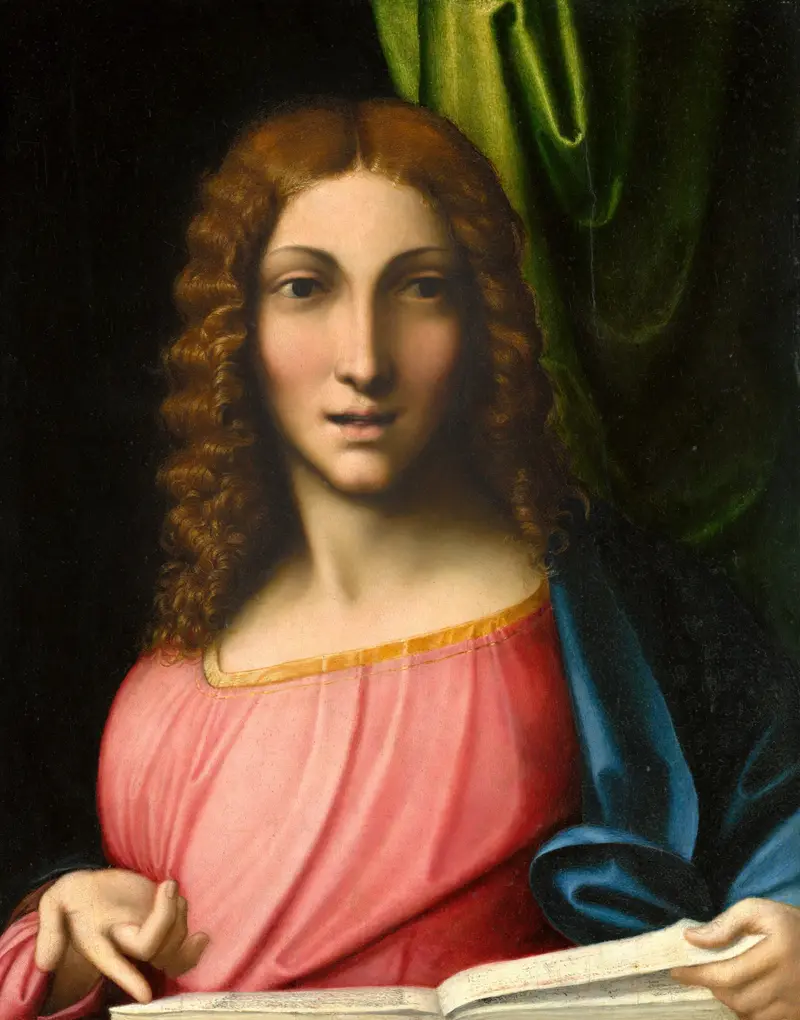
Christ in the Temple
Antonio da Correggio

Nativity
Antonio da Correggio
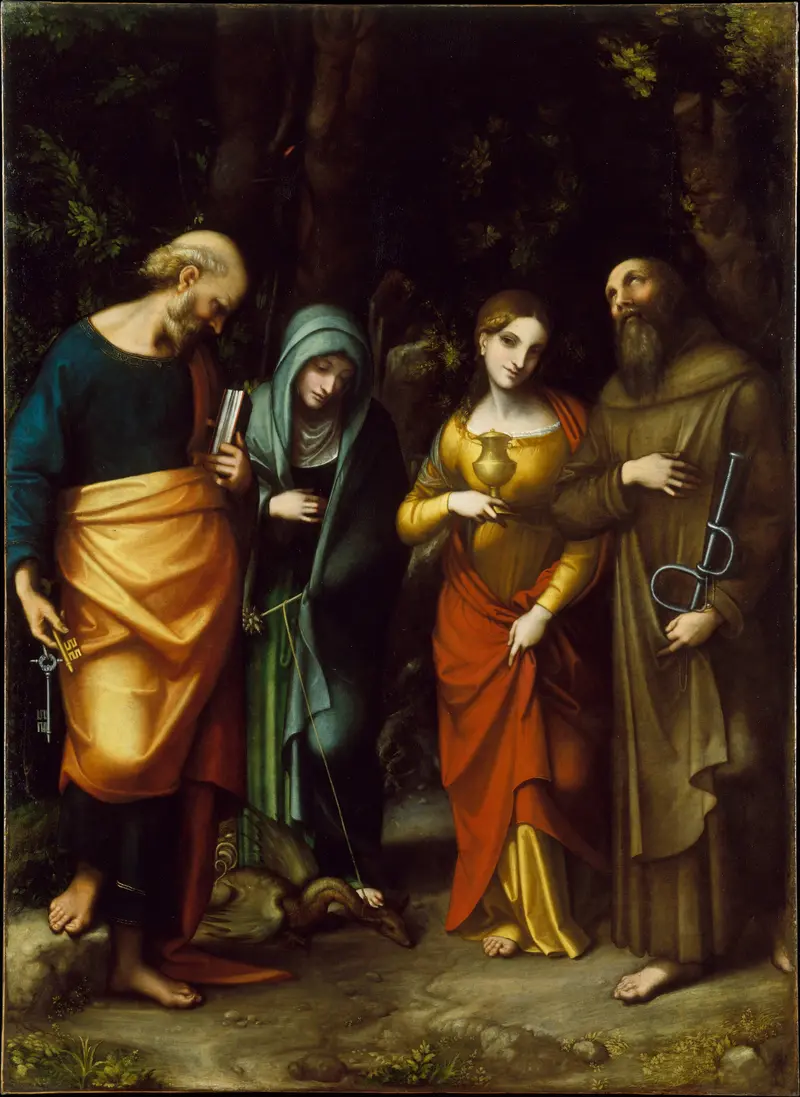
Saints Peter, Martha, Mary Magdalen, and Leonard
Antonio da Correggio
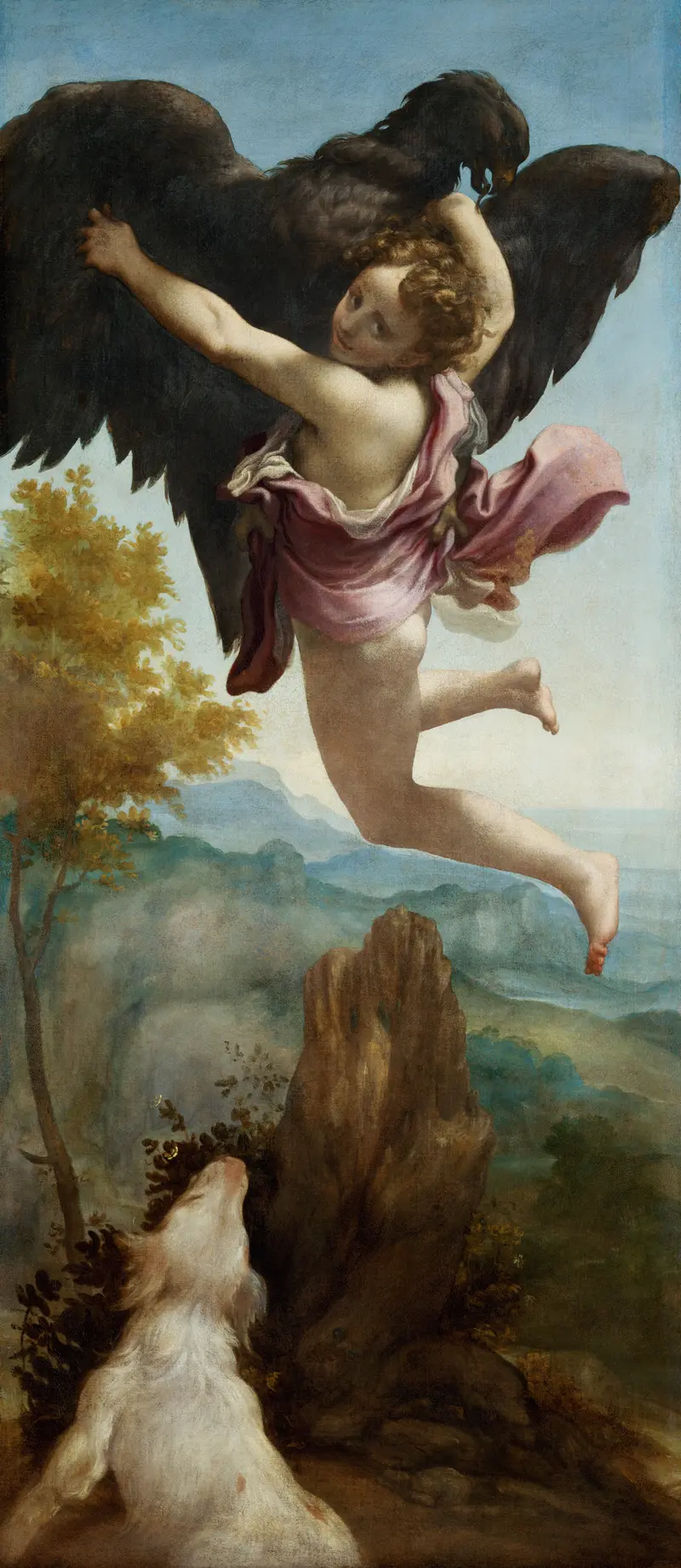
The Loves of Jupiter
Antonio da Correggio

Study for the "Madonna della Scodella" [recto]
Antonio da Correggio





