
18. Plafond du Tombeau de Hapousenb (n° 67), 19. Plafond du Tombeau D’amenemheb (n° 85) — History & Facts
In the hushed expanse of history, time unfurls like a delicate scroll, revealing its layered secrets through the artistry of ancient culture. Look closely at the intricate patterns that adorn the ceiling, where celestial motifs intertwine with earthly symbols. Notice how the deep blues and burnished golds create a dialogue of light and shadow, drawing you into the intimate embrace of eternity. The meticulous detailing reflects not just craftsmanship but also a reverence for the narrative held within these sacred spaces, inviting us to ponder the stories of those long gone. Beneath the vibrant colors lies a profound exploration of mortality and legacy.
The juxtaposition of the ephemeral and the eternal emerges in the way the motifs encapsulate moments of joy and sorrow, hinting at the lives that once breathed beneath this ceiling. Each figure and symbol resonates with the weight of time, suggesting that every glance upward is not merely a visual experience but a communion with the past. In 1911, Gustave Jéquier was immersed in his studies of ancient Egyptian art, specifically focusing on the architectural marvels of tombs and temples. His work during this period reflects a growing fascination with archaeology and its implications for understanding the complexities of human existence.
While the world witnessed rapid modernization, Jéquier anchored his artistic pursuits in the timeless narratives of a civilization that sought to immortalize its presence, capturing a moment both intimate and expansive.
More Artworks by Gustave Jéquier
Browse all →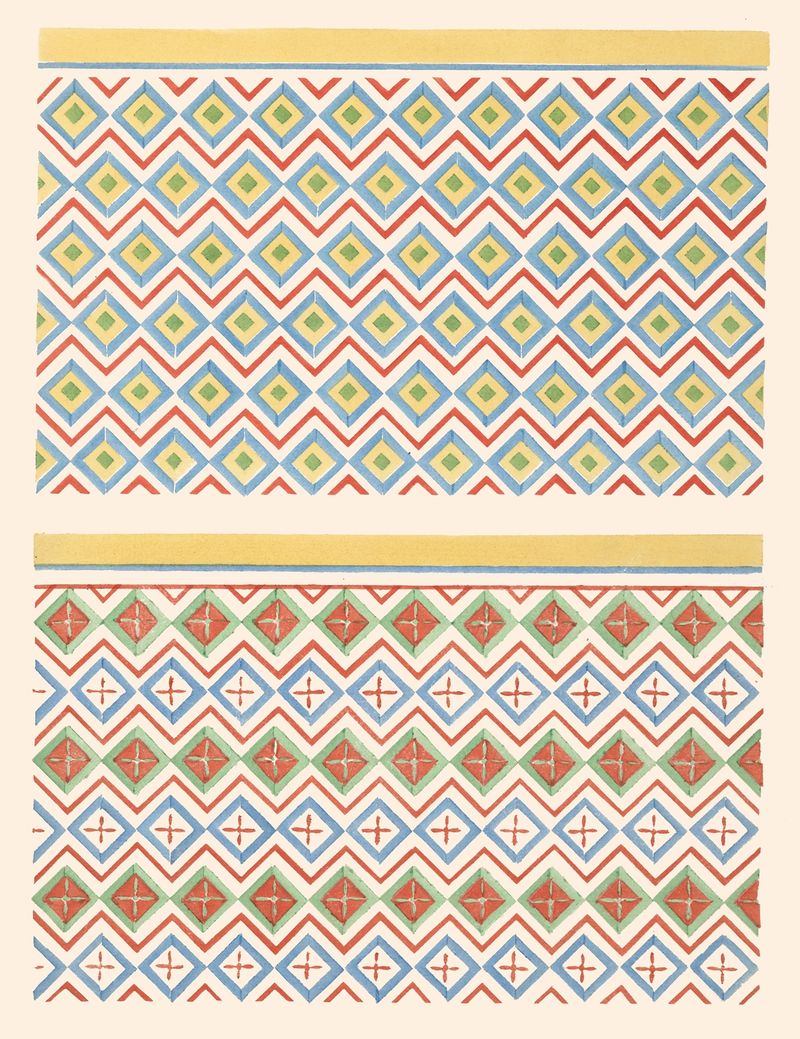
9. Plafond du Tombeau de Hapousenb (n° 67), 10. Plafond du Tombeau D’amounzeh (n° 84)
Gustave Jéquier
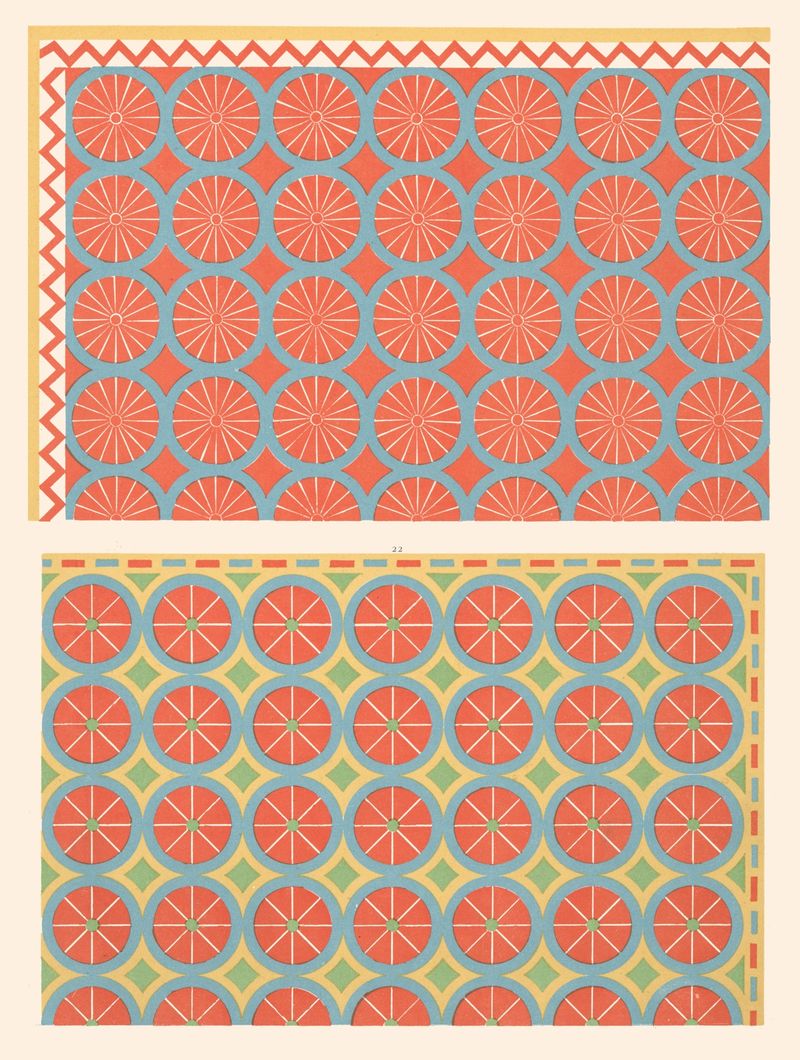
22. Plafond du Tombeau de Hiq-er-Neheh (n°64), 23. Plafond du Tombeau de Tenna (n° 76)
Gustave Jéquier
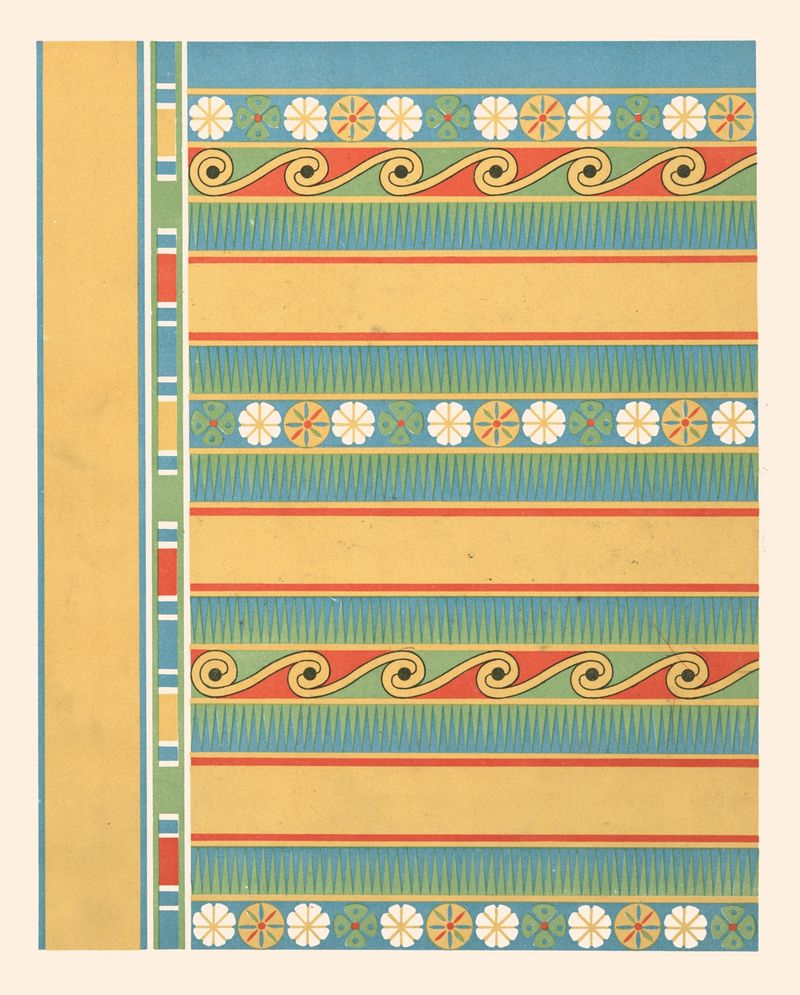
49. Plafond du Tombeau de Nesi-pa-Noferher (n° 68)
Gustave Jéquier
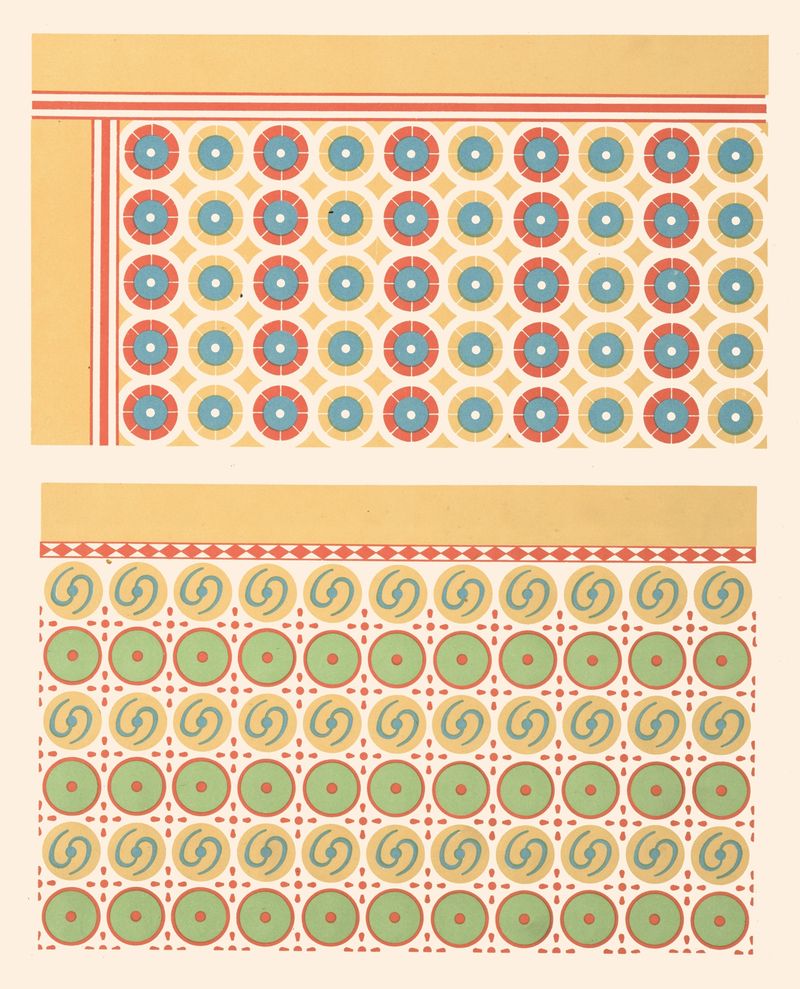
20. Plafond du Tombeau D’amenheb (n° 90), 21. Plafond du Tombeau de Menkheper (n° 79)
Gustave Jéquier
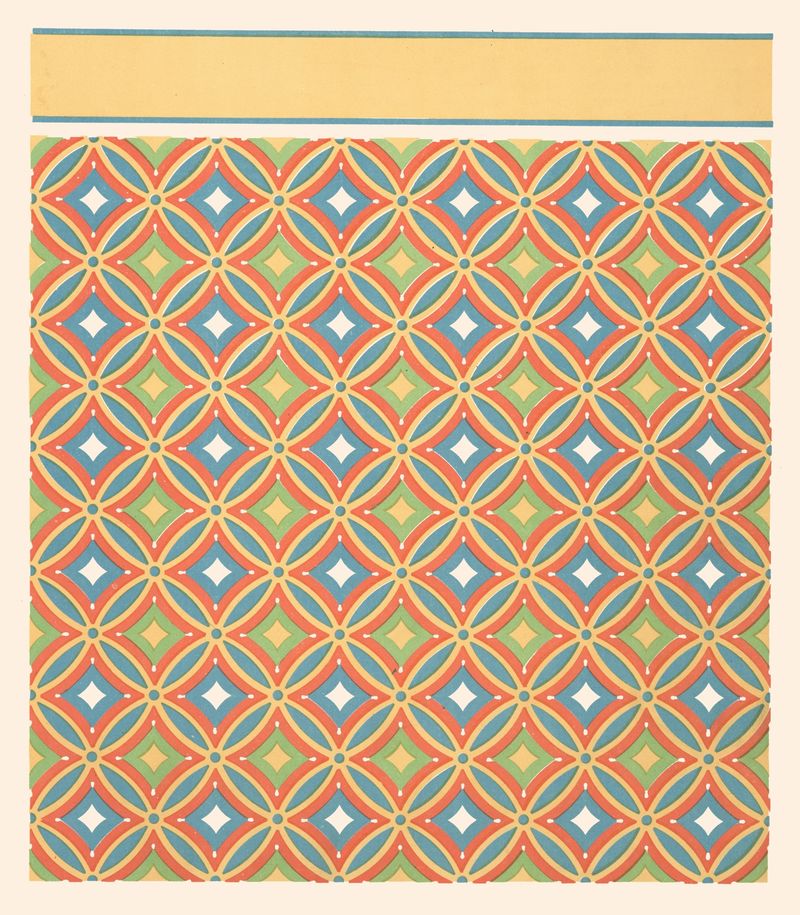
29. Plafond du Tombeau D’amenemhat (n° 82)
Gustave Jéquier
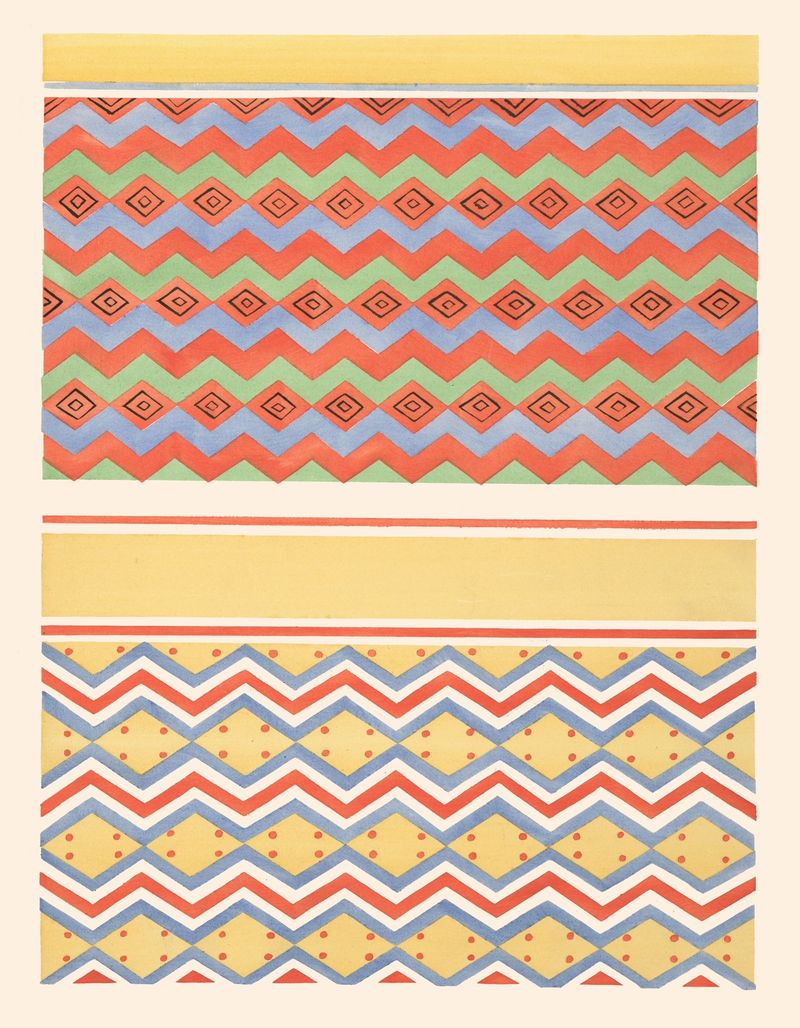
5. Plafond du Tombeau D’amounzeh (° 84), 6. Plafond du Tombeau D’amenemheb
Gustave Jéquier
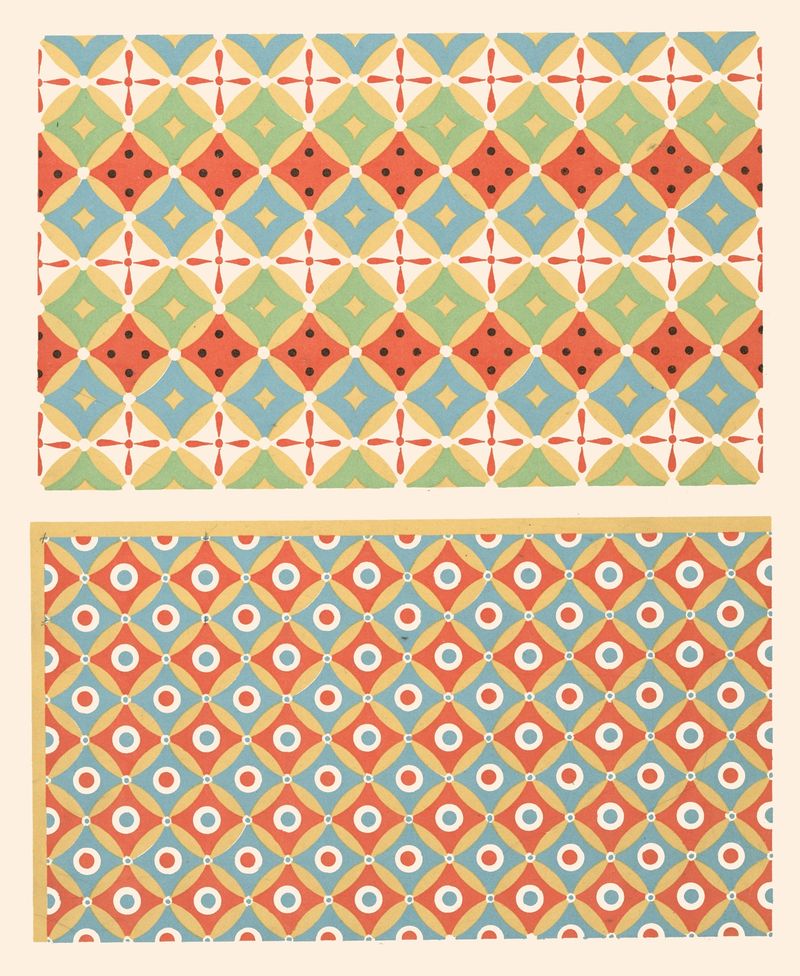
27. Plafond du Tombeau de Nekht-Mîn (n° 87), 28. Plafond du Tombeau n° 91 (Anonyme)
Gustave Jéquier
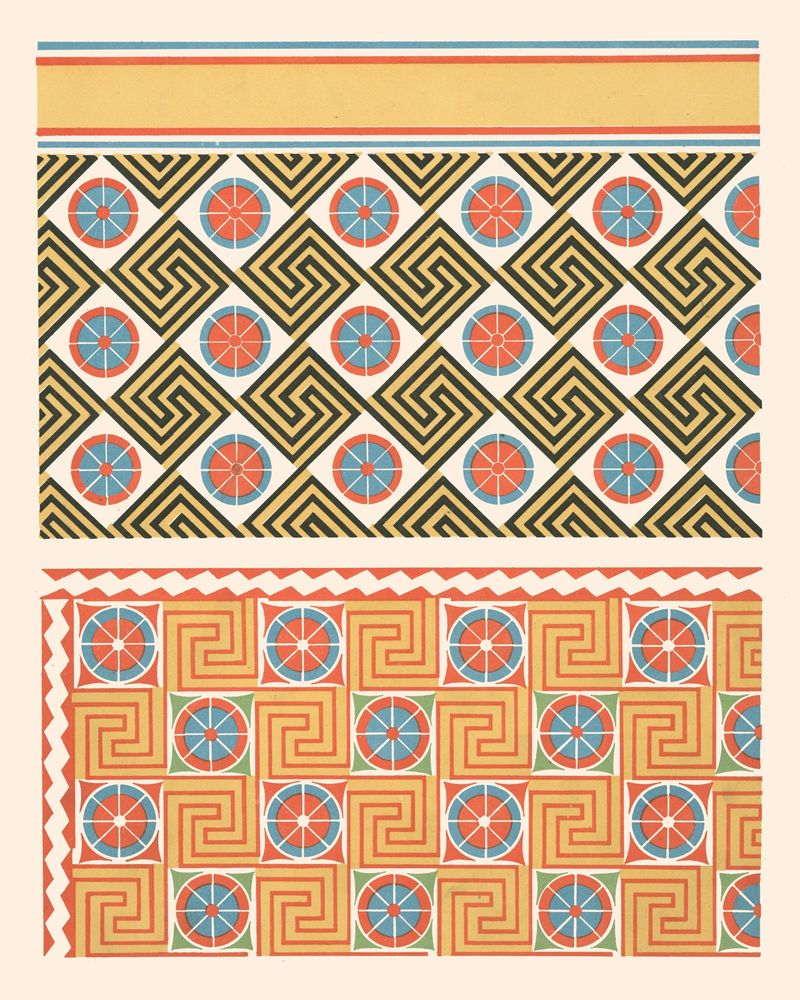
38. Plafond du Tombeau D’anna (n° 81), 39. Plafond du Tombeau de Senmout (n° 71)
Gustave Jéquier
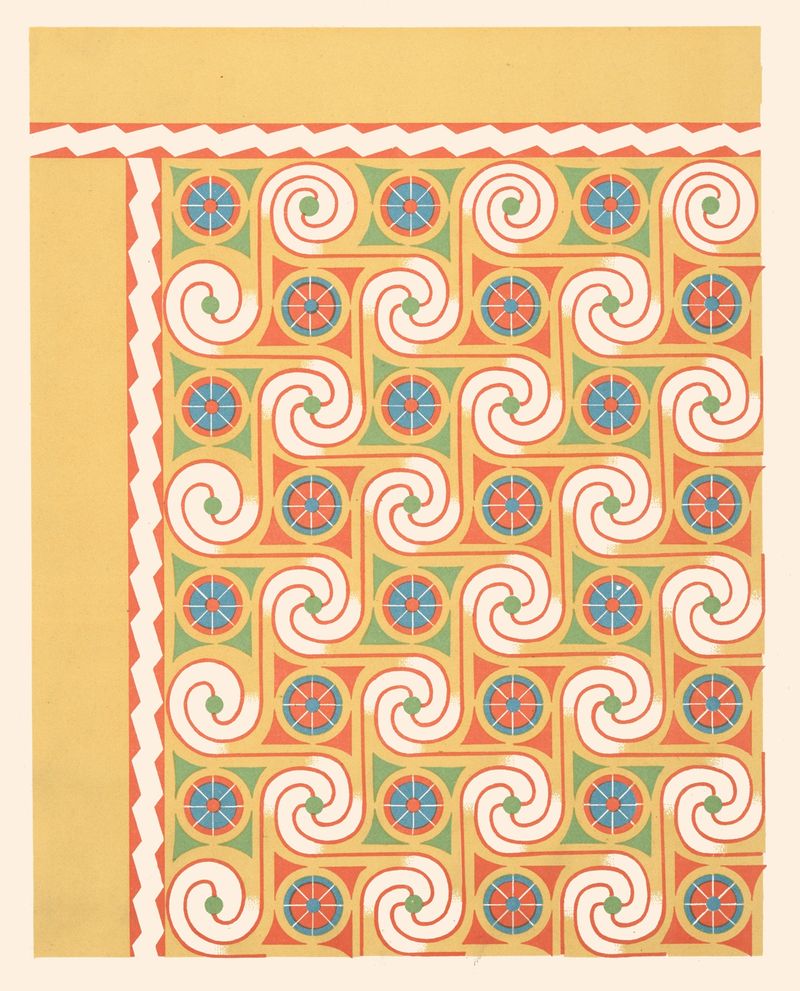
34. Plafond du Tombeau de Senmout (n° 71)
Gustave Jéquier
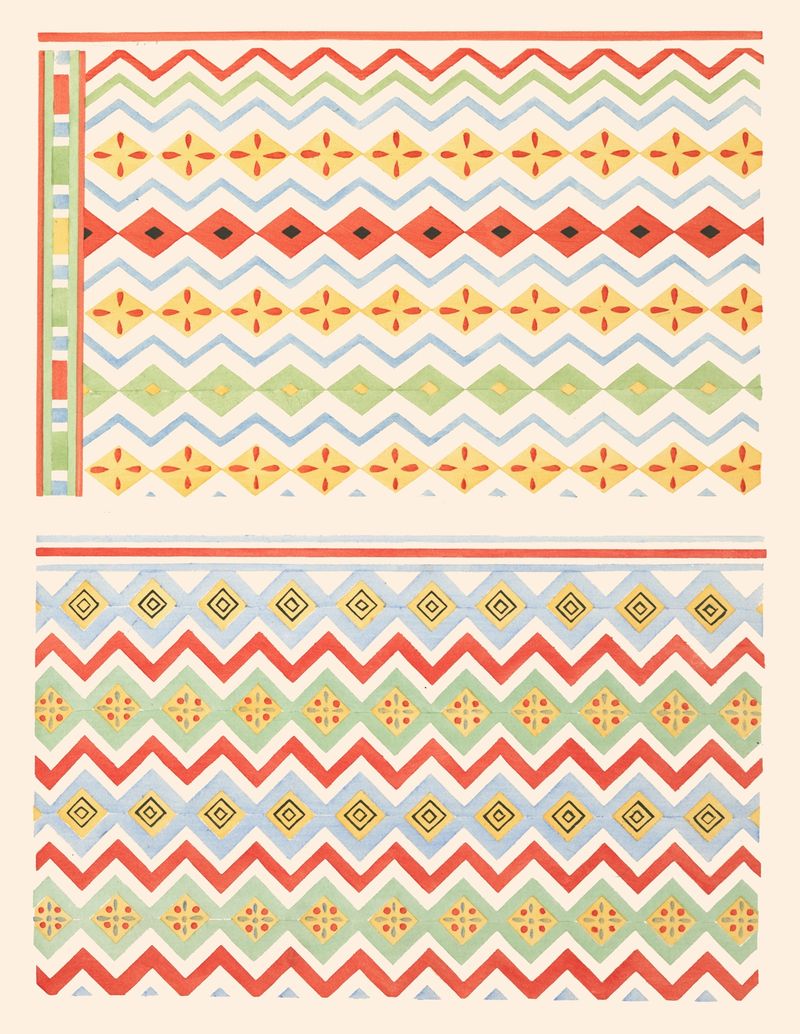
7. Plafond du Tombeau D’amenemant (n° 58), 8. Plafond du Tombeau de Pehsoukehr (n° 88)
Gustave Jéquier
More Religious Art
Browse all →
The Return of the Prodigal Son
Rembrandt van Rijn

The Garden of Earthly Delights
El Bosco

Count Orgaz’ funeral
El Greco

The Hundred Guilder Print: the central piece with Christ preaching, the plate arched
Rembrandt van Rijn

The Descent from the Cross
Rogier van der Weyden

The return of the prodigal son
Rembrandt van Rijn