
42. Plafond du Tombeau D’amenemhat (n° 82), 43. Plafond du Tombeau de Hapousenb (n° 67) — History & Facts
In the stillness of Gustave Jéquier’s Plafond du Tombeau D’amenemhat and Plafond du Tombeau de Hapousenb, an ancient tranquility whispers to the viewer, inviting reflection and reverence. The artwork compels us to confront the weight of history, to ponder the untold stories captured within the intricate designs that adorn these tomb ceilings. Look closely at the vibrant colors and meticulous patterns that dominate the compositions. The use of deep blues and warm golds draws the eye to the celestial motifs, creating a sense of both depth and transcendence.
Notice how the light seems to cascade through the layers of hieroglyphs, illuminating the secrets of the afterlife that lie entwined within the painted narratives. Each stroke reveals not only a mastery of technique but a profound connection to the spiritual beliefs of ancient Egypt. Beneath the surface, these ceilings reflect a dialogue between life and death—a celebration woven with sorrow. The juxtaposition of the joyous depictions of deities and the somber reality of mortality evokes a poignant tension.
Small details, such as the positioning of the figures and their reverential gestures, serve as a reminder of humanity's eternal quest for understanding amid silence, bridging the past and the present in a shared moment of introspection. In 1911, Jéquier created these works during a period of growing interest in Egyptology, following the discovery of Tutankhamun's tomb. Living in Paris, he was immersed in a vibrant artistic community, yet his fascination with the ancient world drove him to explore themes of history and spirituality, resulting in pieces that resonate with timeless significance.
More Artworks by Gustave Jéquier
Browse all →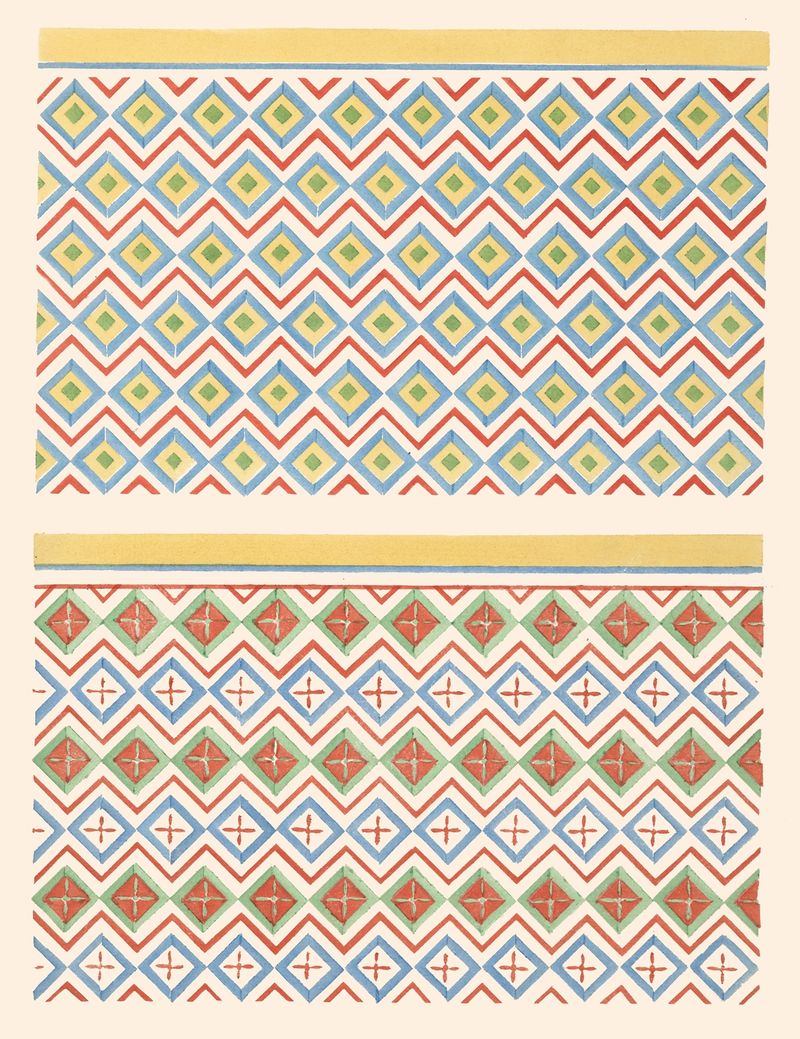
9. Plafond du Tombeau de Hapousenb (n° 67), 10. Plafond du Tombeau D’amounzeh (n° 84)
Gustave Jéquier
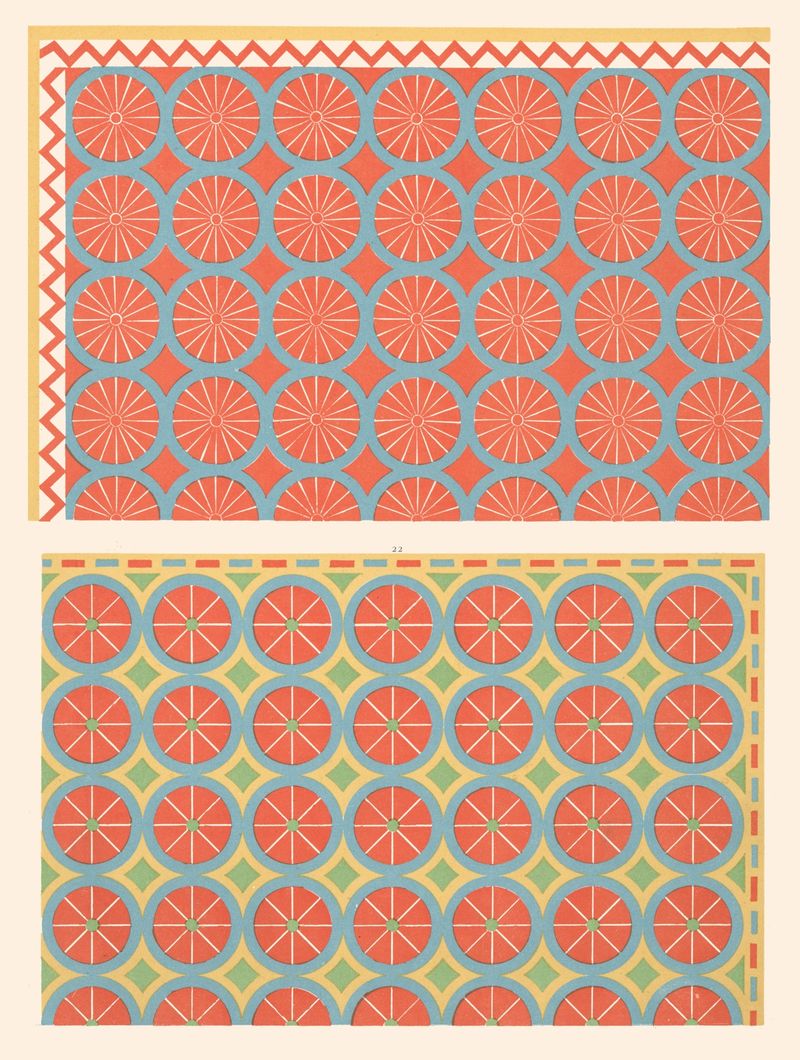
22. Plafond du Tombeau de Hiq-er-Neheh (n°64), 23. Plafond du Tombeau de Tenna (n° 76)
Gustave Jéquier
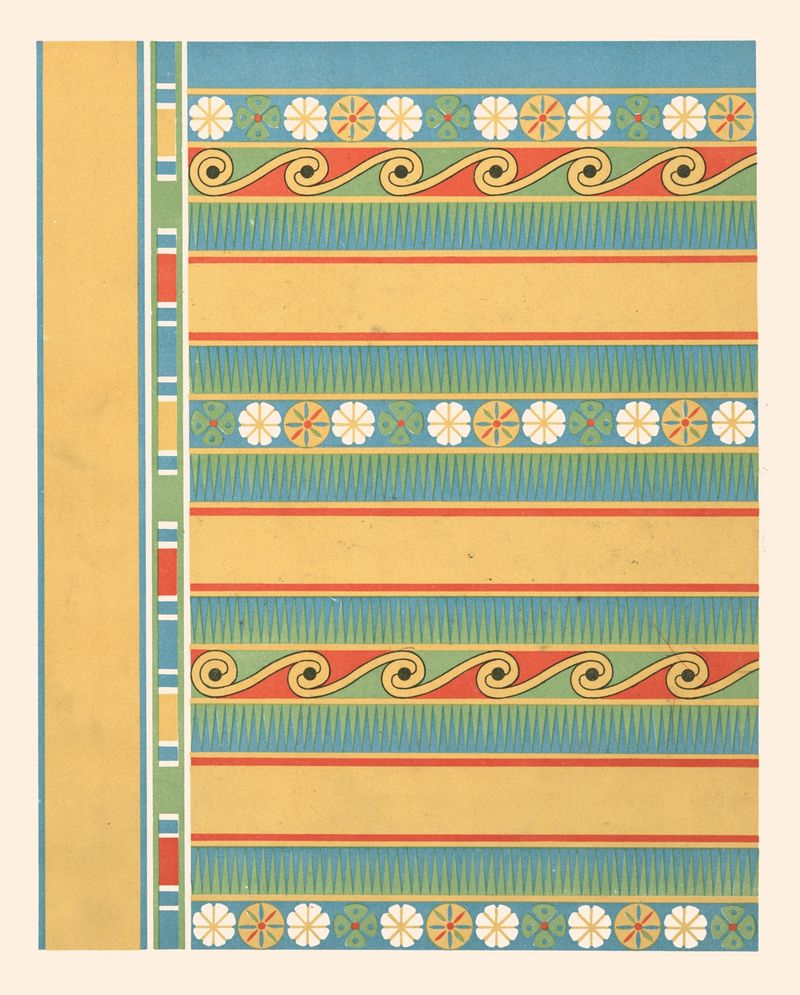
49. Plafond du Tombeau de Nesi-pa-Noferher (n° 68)
Gustave Jéquier
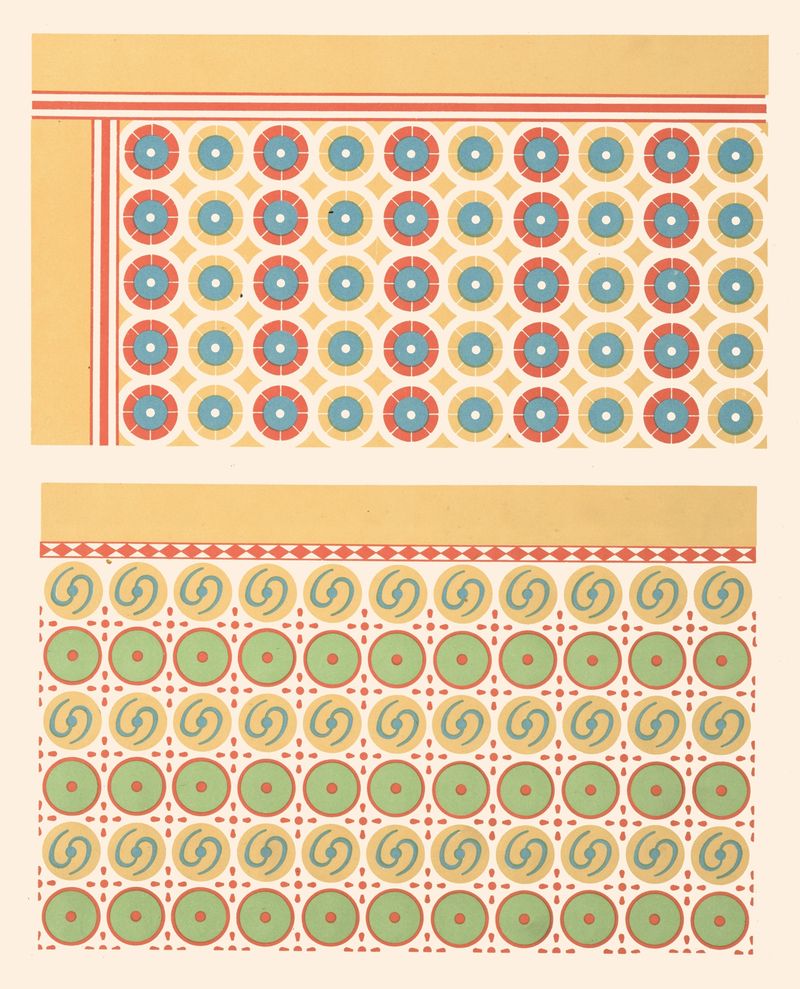
20. Plafond du Tombeau D’amenheb (n° 90), 21. Plafond du Tombeau de Menkheper (n° 79)
Gustave Jéquier
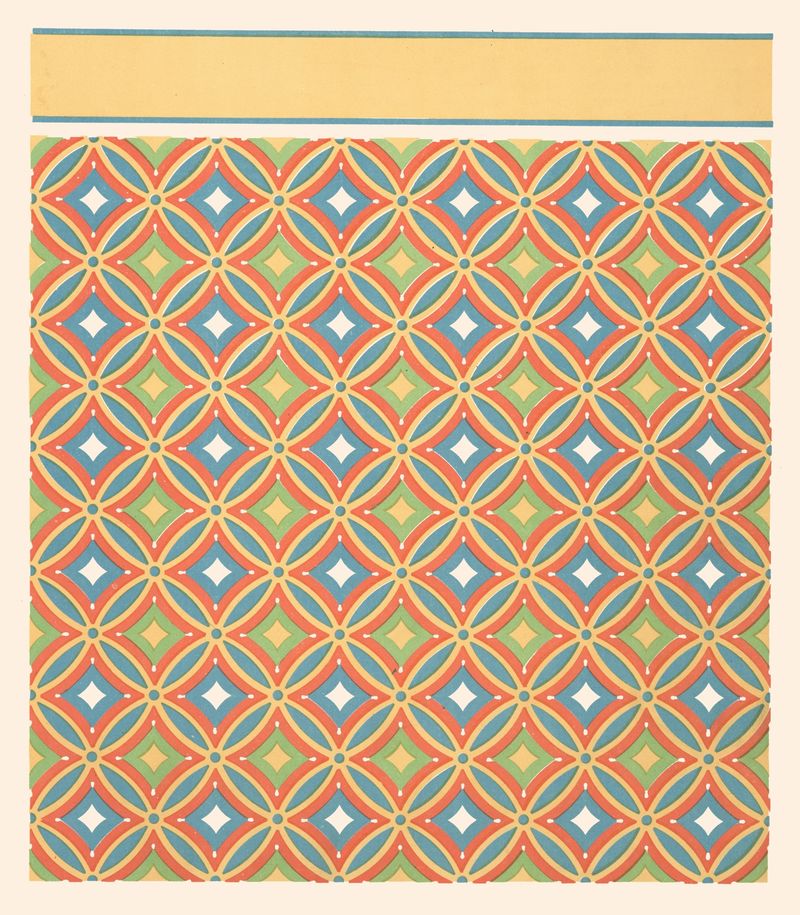
29. Plafond du Tombeau D’amenemhat (n° 82)
Gustave Jéquier
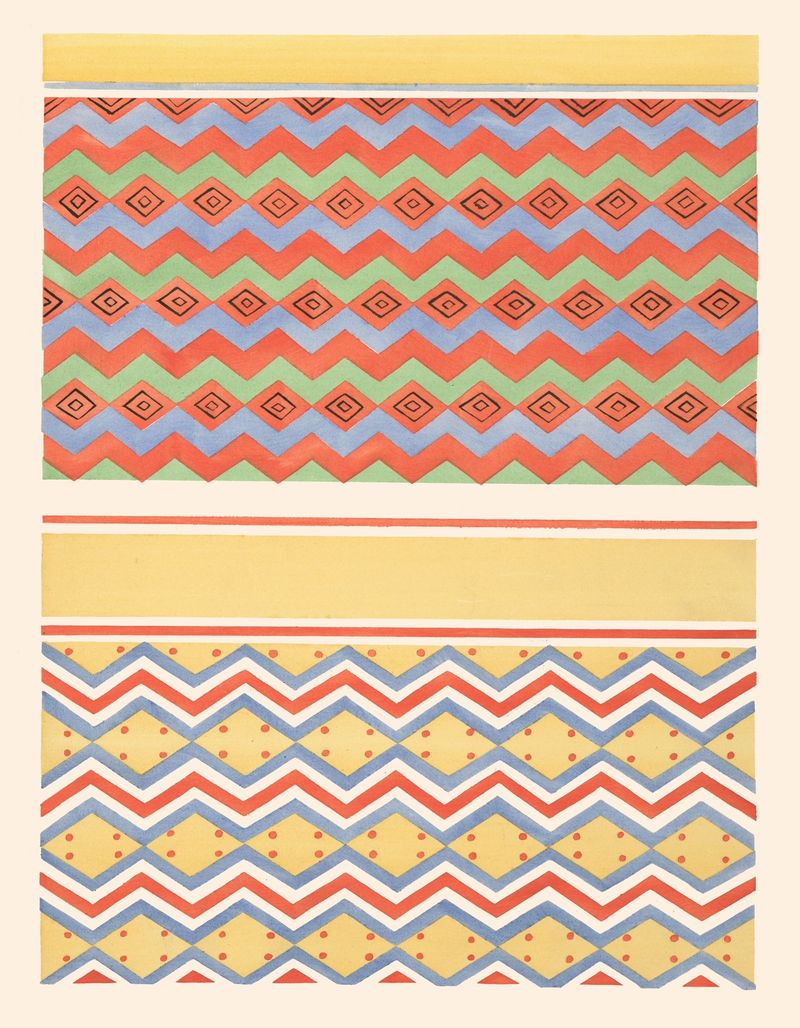
5. Plafond du Tombeau D’amounzeh (° 84), 6. Plafond du Tombeau D’amenemheb
Gustave Jéquier
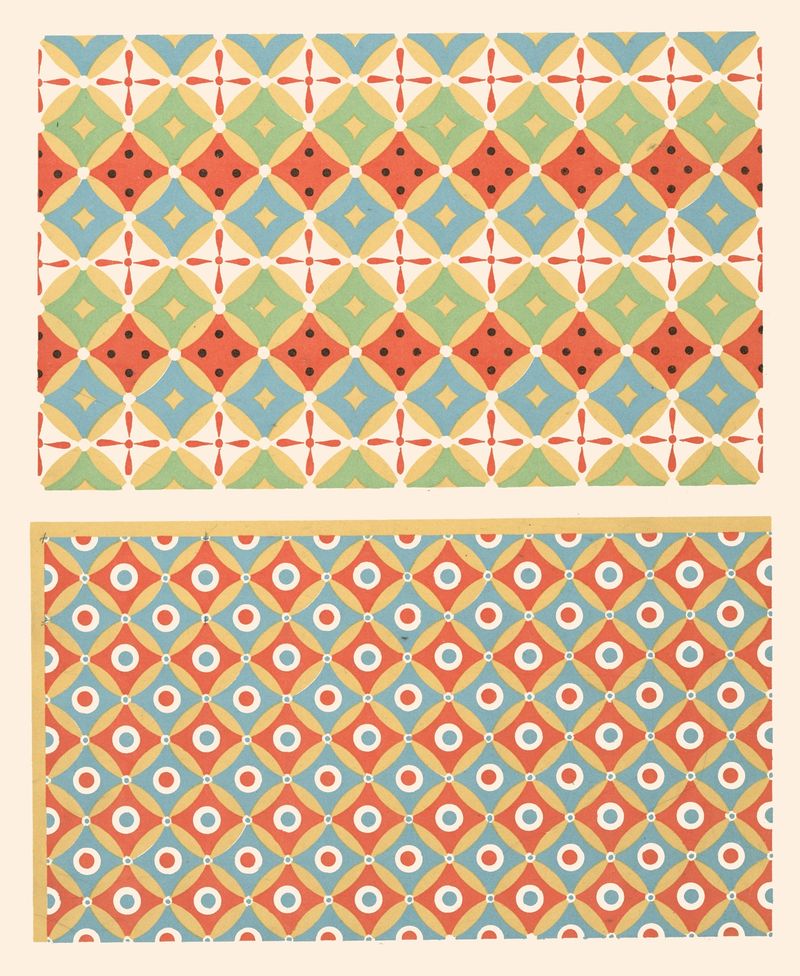
27. Plafond du Tombeau de Nekht-Mîn (n° 87), 28. Plafond du Tombeau n° 91 (Anonyme)
Gustave Jéquier
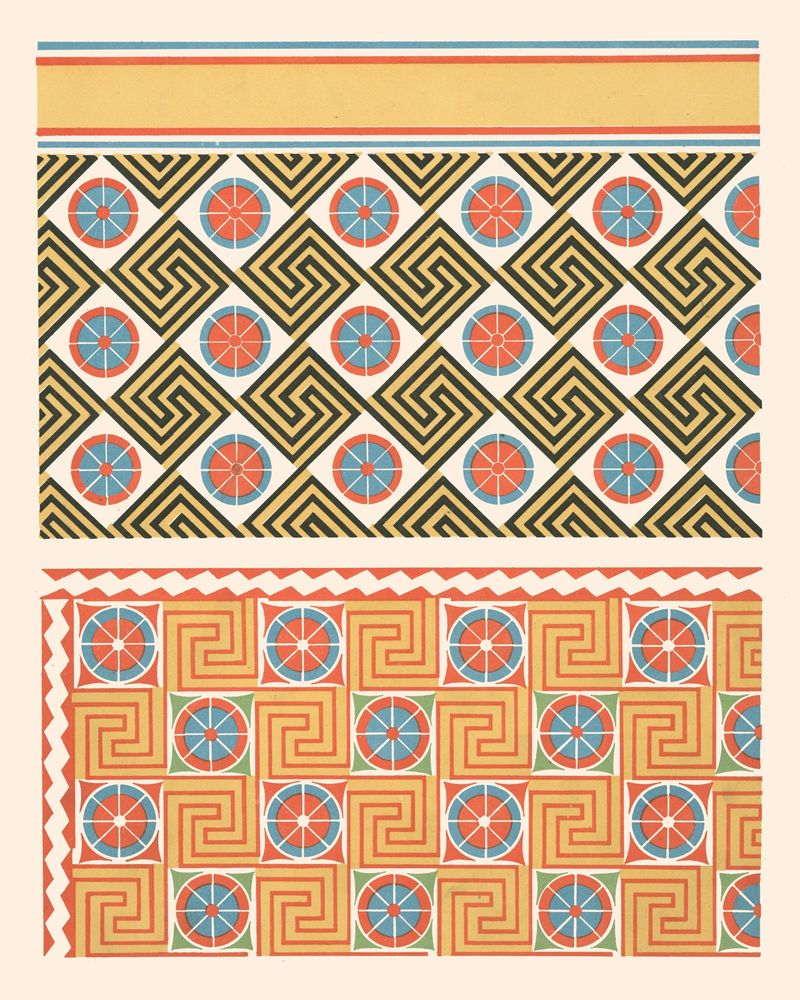
38. Plafond du Tombeau D’anna (n° 81), 39. Plafond du Tombeau de Senmout (n° 71)
Gustave Jéquier
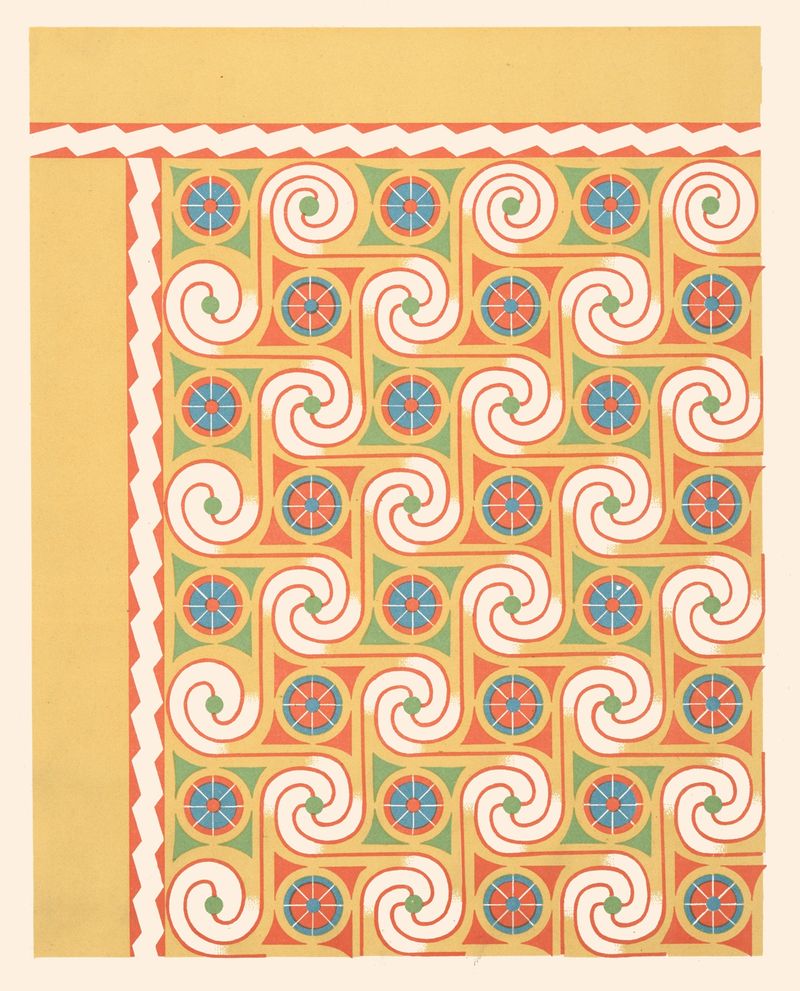
34. Plafond du Tombeau de Senmout (n° 71)
Gustave Jéquier
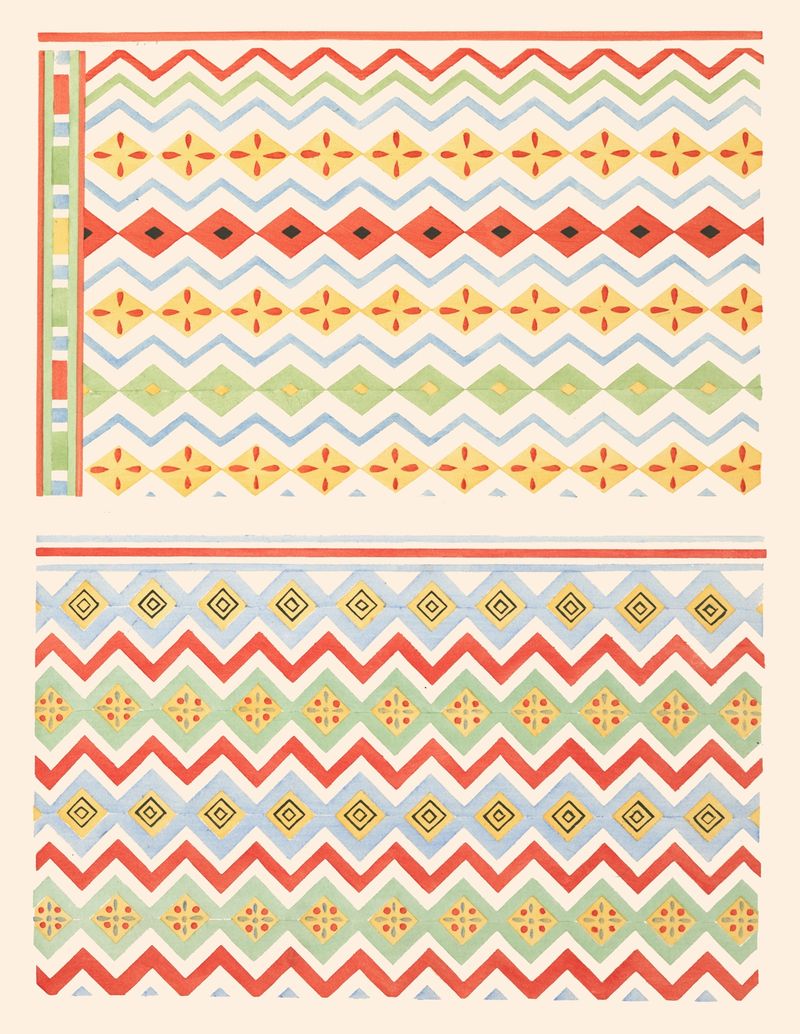
7. Plafond du Tombeau D’amenemant (n° 58), 8. Plafond du Tombeau de Pehsoukehr (n° 88)
Gustave Jéquier
More Religious Art
Browse all →
The Return of the Prodigal Son
Rembrandt van Rijn

The Garden of Earthly Delights
El Bosco

Count Orgaz’ funeral
El Greco

The Hundred Guilder Print: the central piece with Christ preaching, the plate arched
Rembrandt van Rijn

The Descent from the Cross
Rogier van der Weyden

The return of the prodigal son
Rembrandt van Rijn