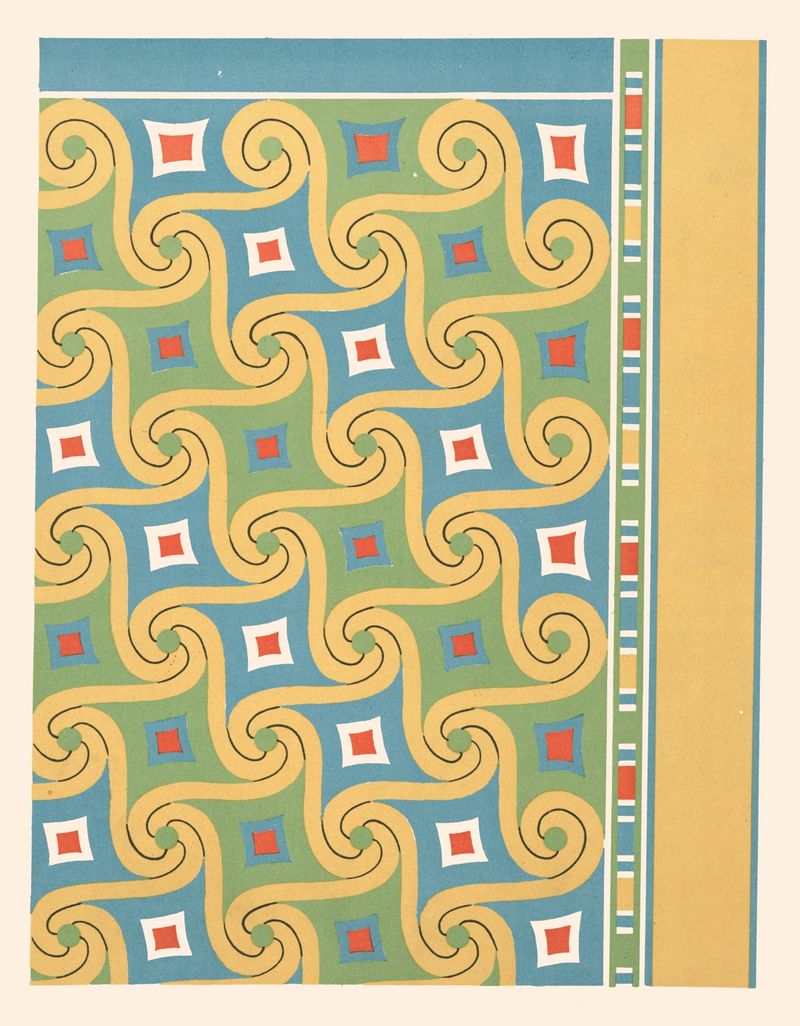
24. Plafond du Tombeau D’amenemant (n° 58) — History & Facts
In the delicate strokes of a brush, memories are captured, not merely preserved but echoed through layers of color and form. Focus first on the intricate patterns that unfurl across the canvas; look to the upper left corner where soft, muted hues intertwine, embodying the ephemeral nature of recollection. The flowing lines mimic the movement of whispers in the past, while subtle gradients of blues and golds suggest the passage of time, merging warmth with coolness. The composition draws your eye upward, inviting you to explore the rhythm of each motif, each a fragment of a greater narrative that lingers just out of reach. As you delve deeper, notice how the contrasting elements share an intimate dialogue—the boldness of vibrant colors against the soft pastels creates tension between remembrance and forgetfulness.
The use of light illuminates the delicate details, emphasizing the fragile nature of memory. Each brushstroke resonates with emotion, while the overall harmony of the piece evokes a sense of nostalgia, compelling the viewer to reflect on their own past. Created in 1911, this work emerged from Jéquier's exploration of ornamental art and its connection to cultural memory. At that time, the artist was living in Switzerland, engaging with the vibrant movements of Art Nouveau and the burgeoning modernist ideals that challenged traditional boundaries.
His work reflects a period when the intricacies of memory and history were being actively reexamined, inviting viewers to reconsider their own perceptions of time and beauty.
More Artworks by Gustave Jéquier
Browse all →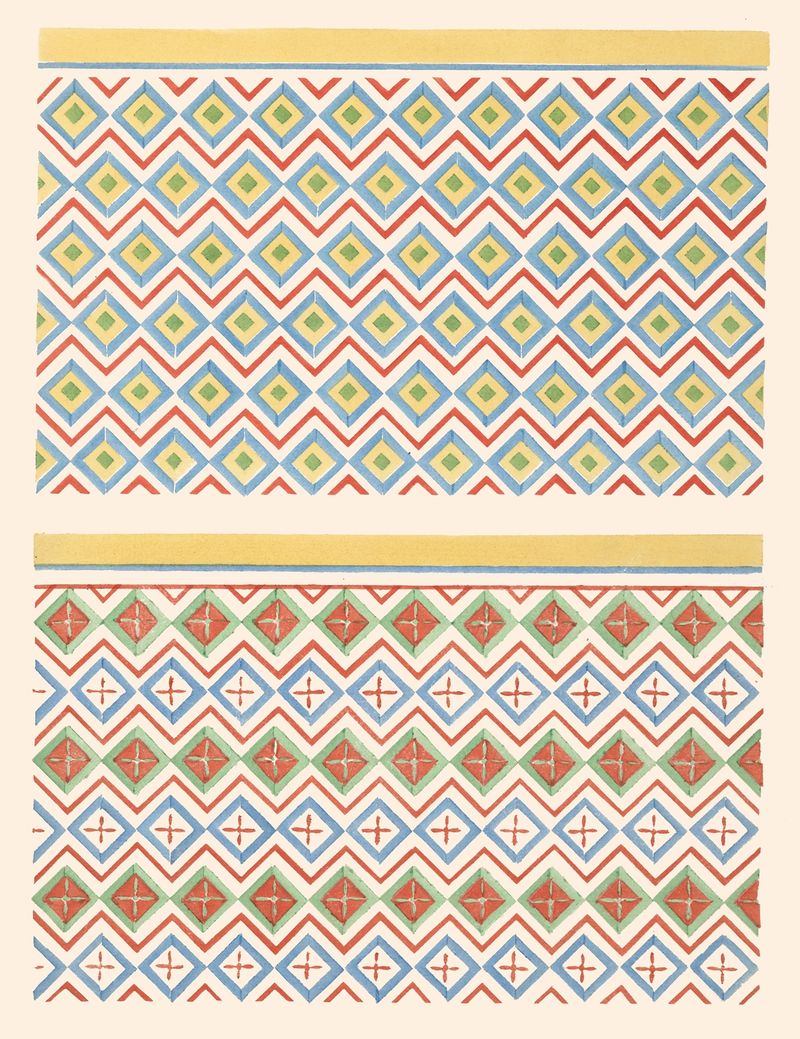
9. Plafond du Tombeau de Hapousenb (n° 67), 10. Plafond du Tombeau D’amounzeh (n° 84)
Gustave Jéquier

22. Plafond du Tombeau de Hiq-er-Neheh (n°64), 23. Plafond du Tombeau de Tenna (n° 76)
Gustave Jéquier
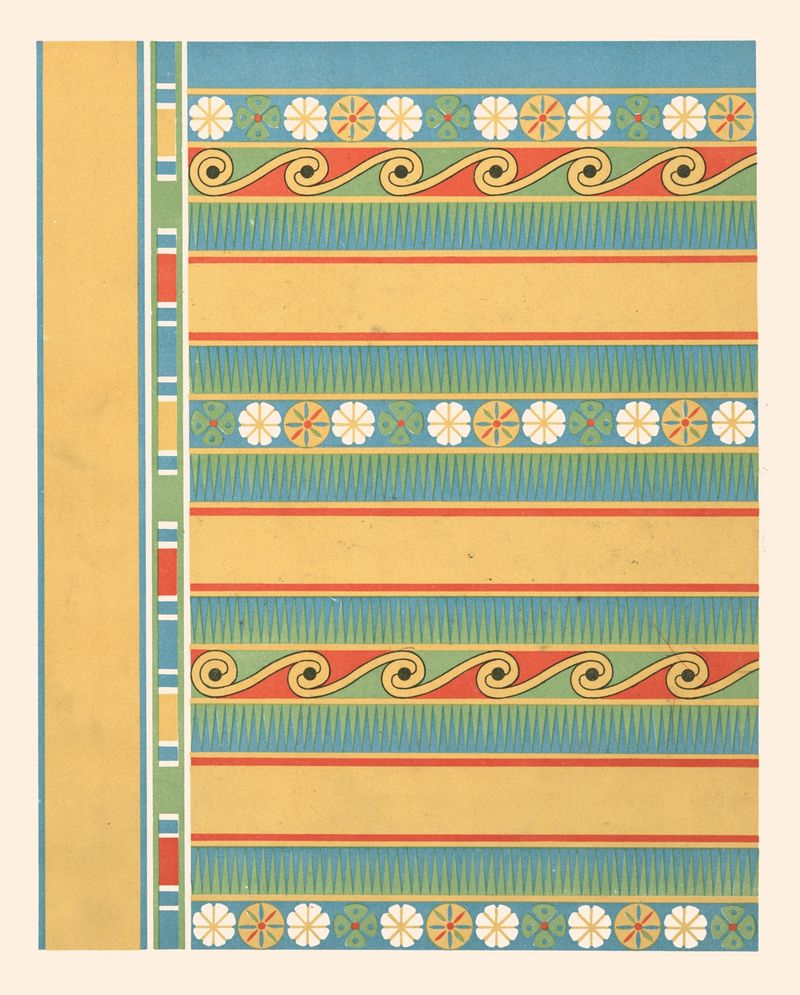
49. Plafond du Tombeau de Nesi-pa-Noferher (n° 68)
Gustave Jéquier
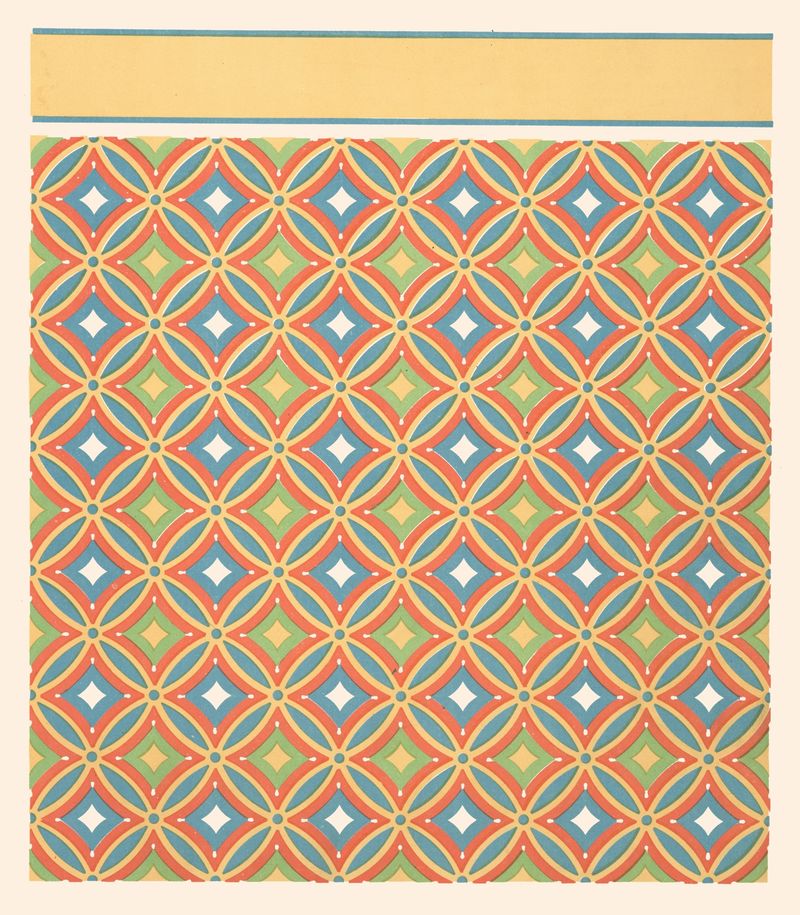
29. Plafond du Tombeau D’amenemhat (n° 82)
Gustave Jéquier
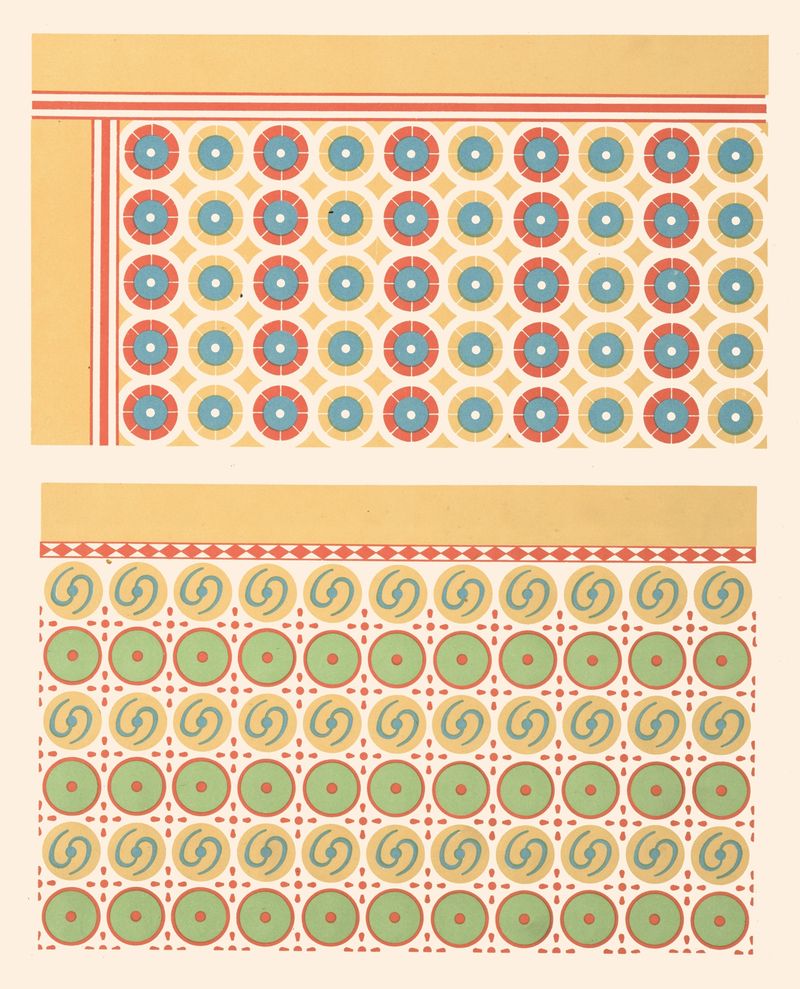
20. Plafond du Tombeau D’amenheb (n° 90), 21. Plafond du Tombeau de Menkheper (n° 79)
Gustave Jéquier
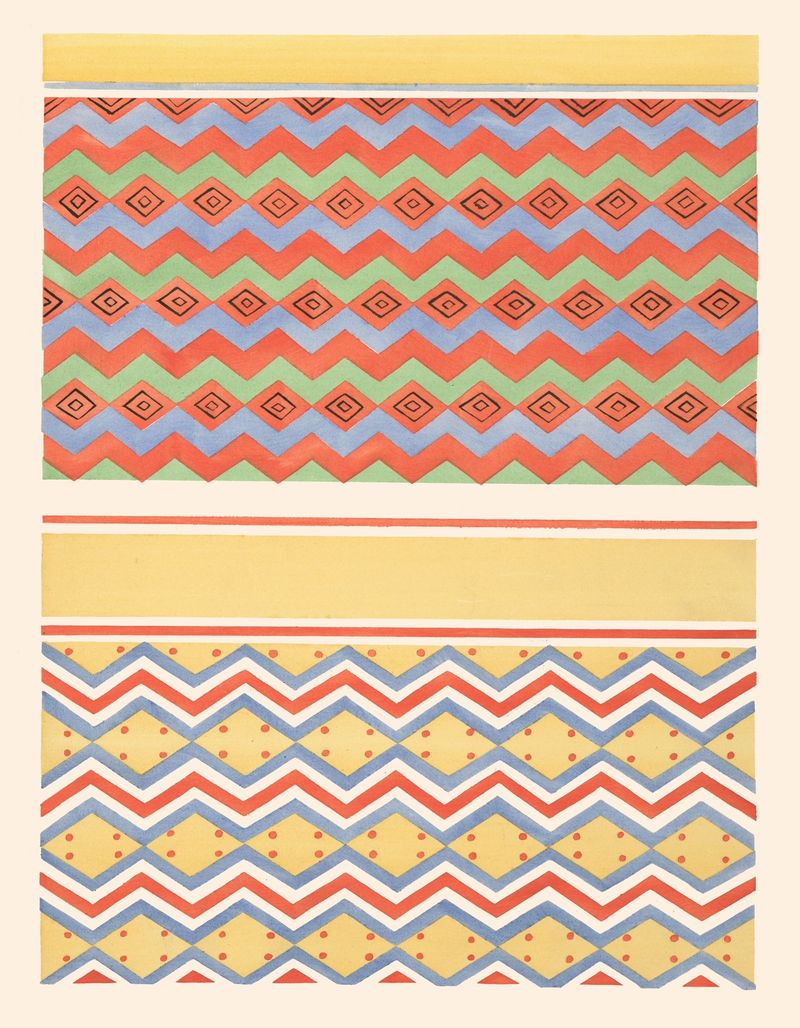
5. Plafond du Tombeau D’amounzeh (° 84), 6. Plafond du Tombeau D’amenemheb
Gustave Jéquier
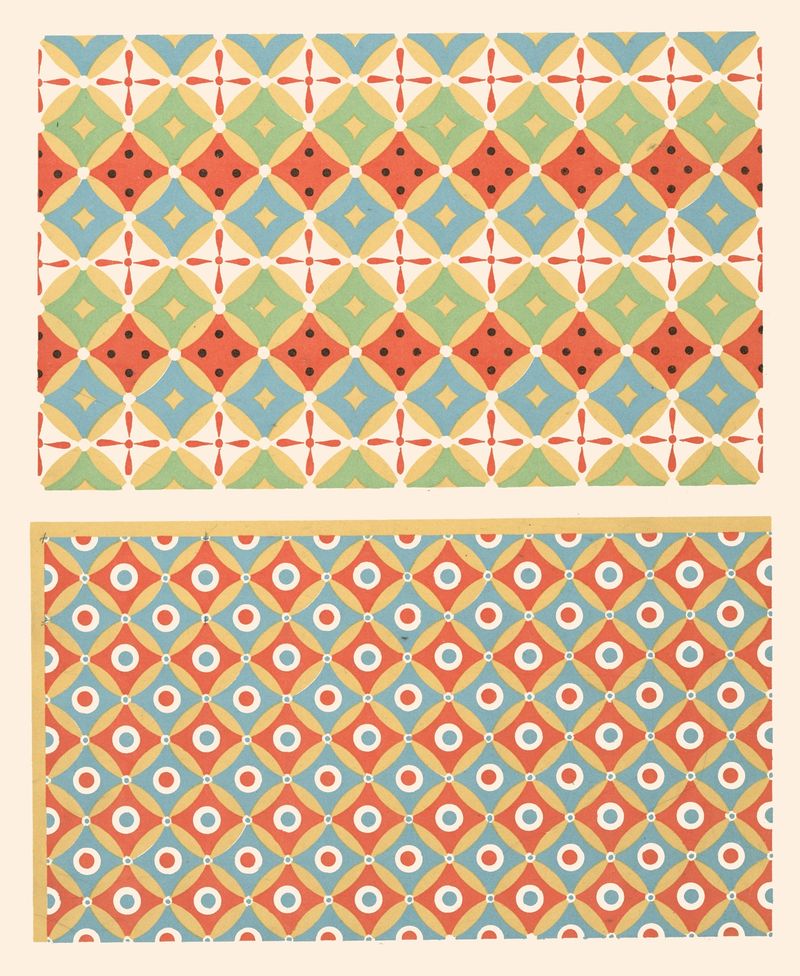
27. Plafond du Tombeau de Nekht-Mîn (n° 87), 28. Plafond du Tombeau n° 91 (Anonyme)
Gustave Jéquier
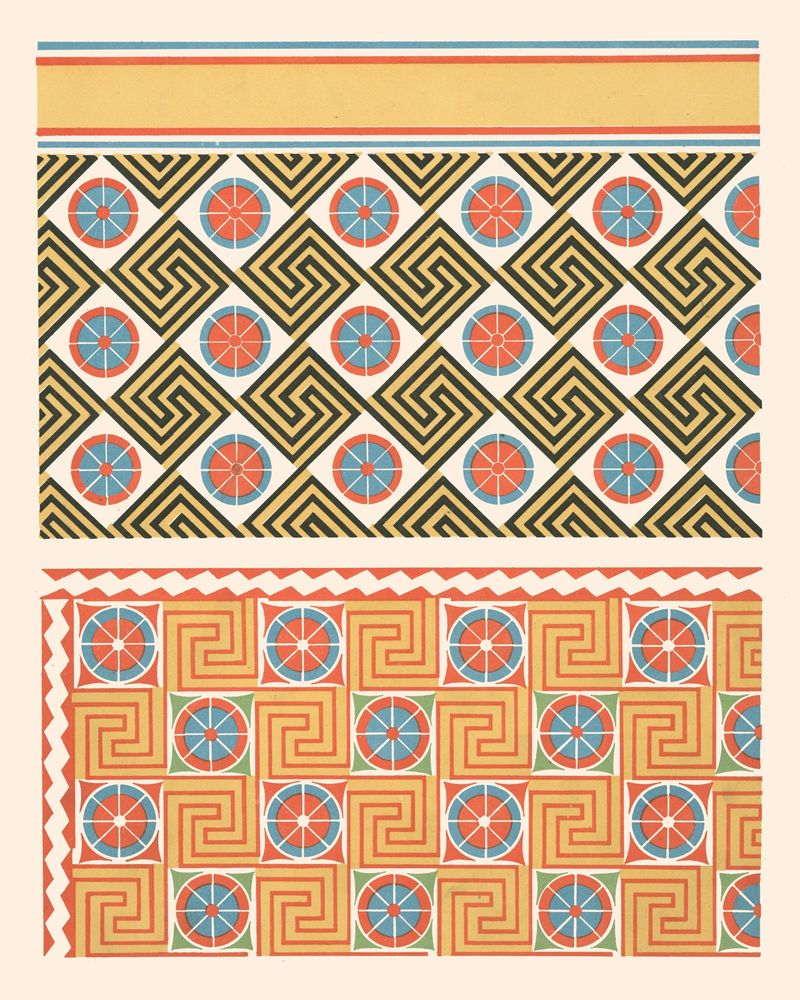
38. Plafond du Tombeau D’anna (n° 81), 39. Plafond du Tombeau de Senmout (n° 71)
Gustave Jéquier
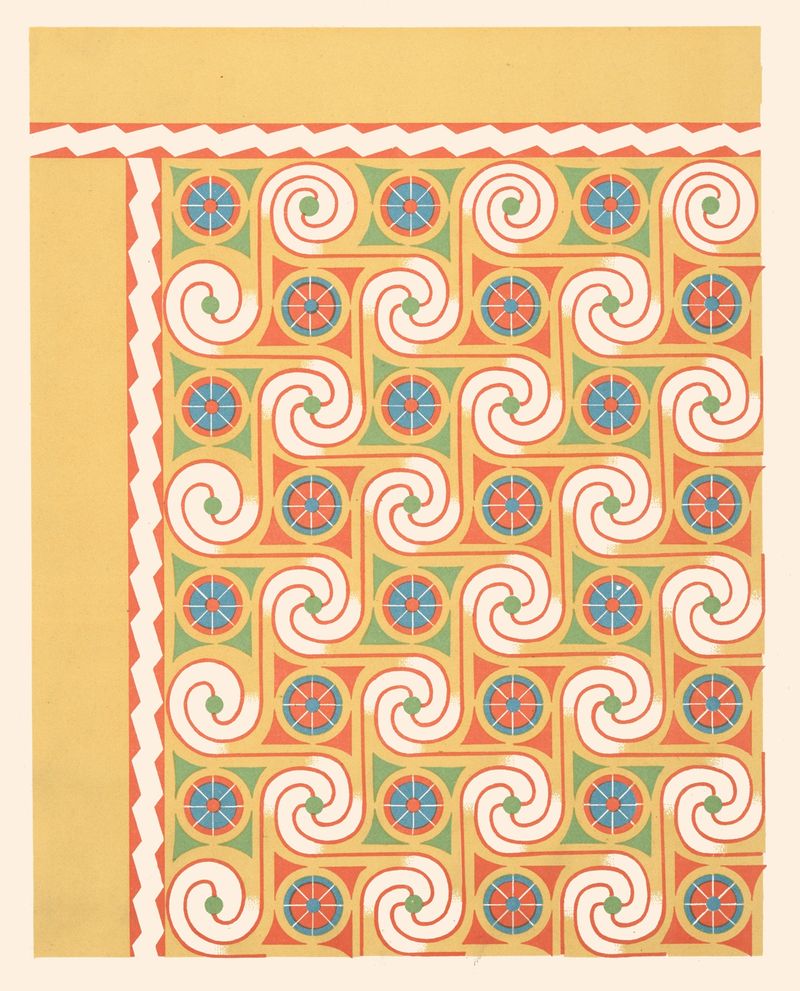
34. Plafond du Tombeau de Senmout (n° 71)
Gustave Jéquier
51. Plafond du Tombeau de Nesi-pa-Noferher (n° 68)
Gustave Jéquier