
27, rue du Petit-Musc. Paris — History & Facts
In the world of art, nostalgia and yearning intertwine, creating a poignant dialogue between the past and the present. Look to the left, where a weathered building stands resolute against the passage of time. The delicate brushstrokes capture the sun’s soft caress on the textured facade, while shadows cling to the corners, hinting at stories untold. Notice how the muted palette of ochres and blues evokes a sense of tranquility, inviting the viewer to step closer and explore the warmth of a Parisian street, bathed in the golden glow of late afternoon light. Yet, beneath this serene exterior lies a tension—a longing for what once was.
The contrasting play of light and shadow not only highlights the beauty of the scene but also serves as a reminder of impermanence. Each window reflects a fragment of life, while the seemingly untouched cobblestones whisper of countless footsteps that have traversed this path. This juxtaposition of stillness and motion embodies the essence of memory, evoking a deep sense of yearning for connection and continuity. Frédéric Houbron painted *27, rue du Petit-Musc.
Paris* between 1895 and 1905 during a period of profound change in the art world. At this time, Paris was a hub of artistic innovation, as Impressionism evolved into Post-Impressionism. Houbron, influenced by his surroundings and contemporary movements, sought to capture the essence of life in the city, reflecting both personal experiences and the collective memory of a bustling urban landscape.
More Artworks by Frédéric Houbron
Browse all →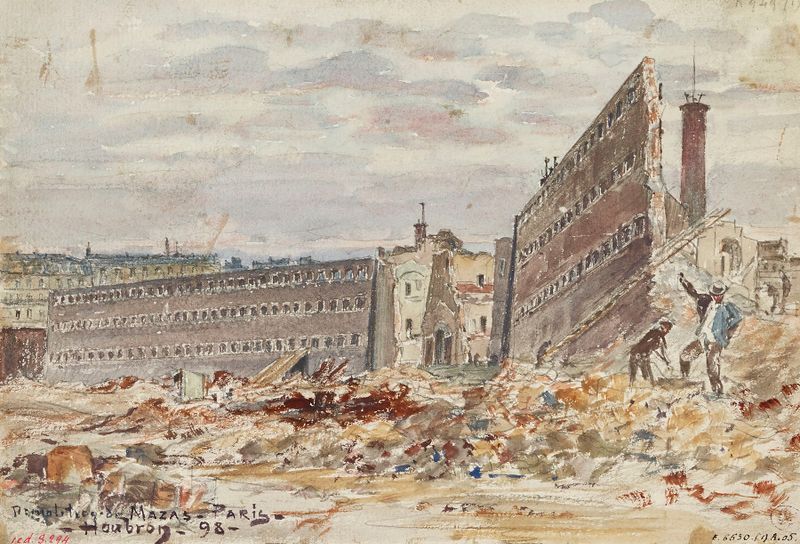
Démolition de la prison Mazas, 23, 25 boulevard Diderot (ancien boulevard Mazas)
Frédéric Houbron
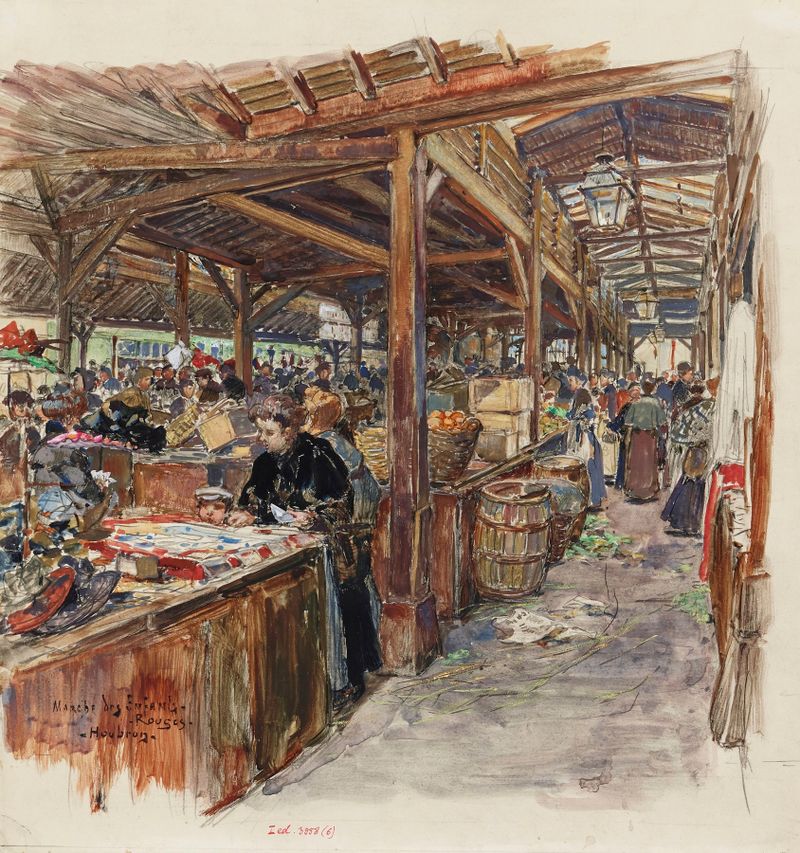
Intérieur du Marché des Enfants Rouges. 3ème arrondissement
Frédéric Houbron
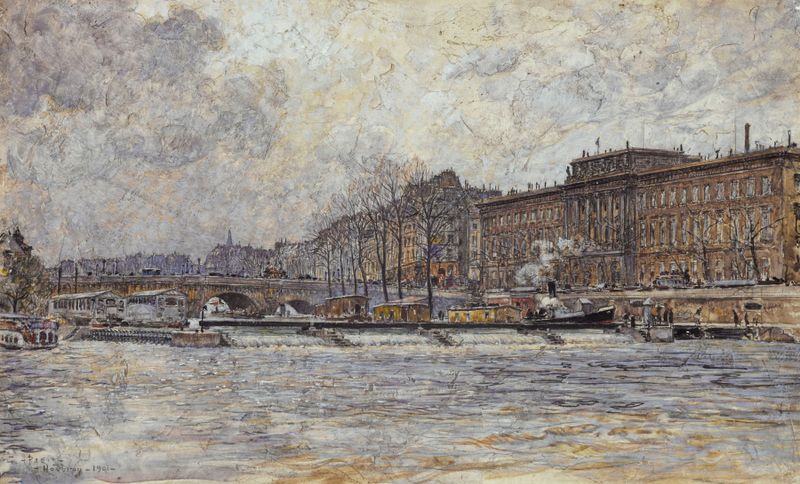
L’Hôtel de la Monnaie et le Pont-Neuf
Frédéric Houbron

Quai des Orfèvres. Paris. 1906
Frédéric Houbron
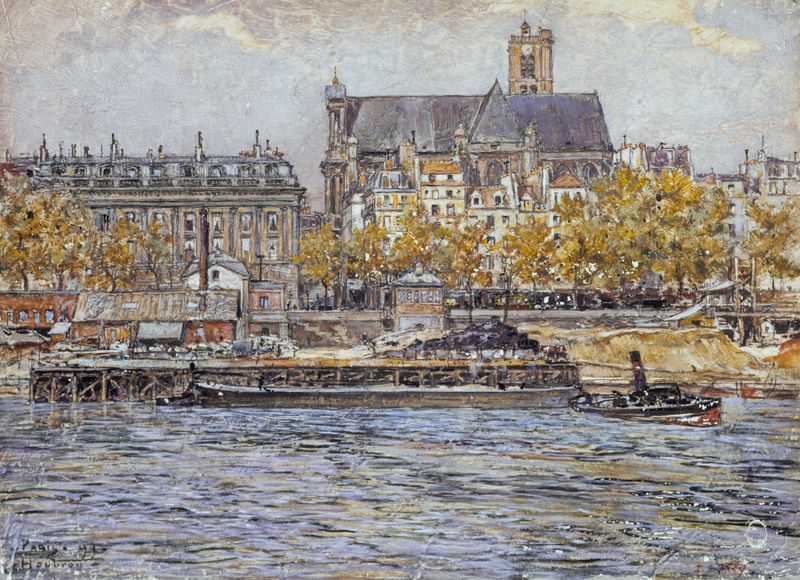
Le quai de l’Hôtel-de-Ville et l’église Saint-Gervais-Saint-Protais
Frédéric Houbron
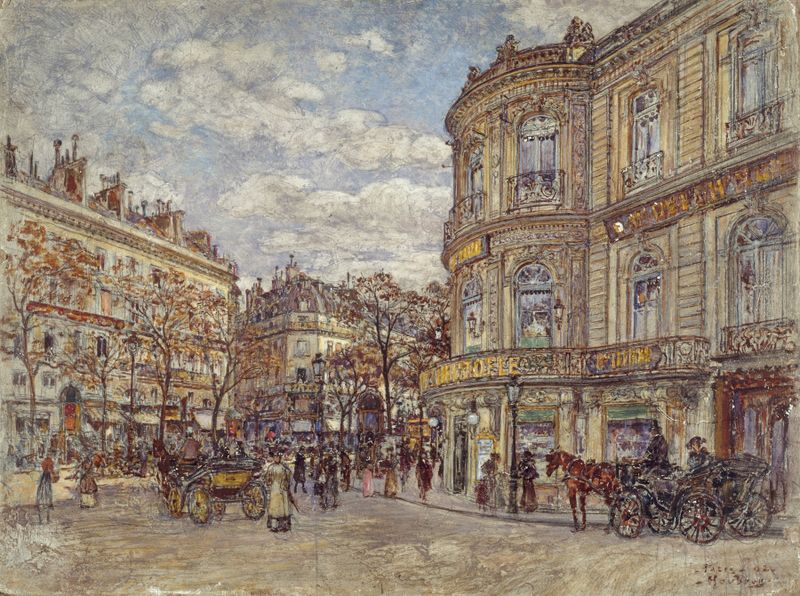
Le Pavillon de Hanovre, rue Louis-le-Grand
Frédéric Houbron

La rue du Chevalier-de-la-Barre, avec le Sacré-Cœur en construction
Frédéric Houbron
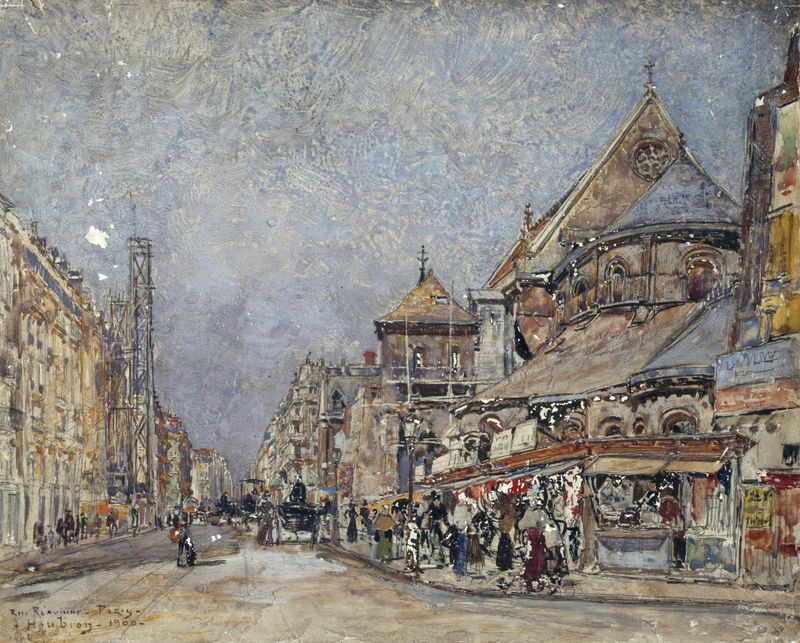
La rue Réaumur et le chevet de l’église Saint-Martin-des-Champs
Frédéric Houbron
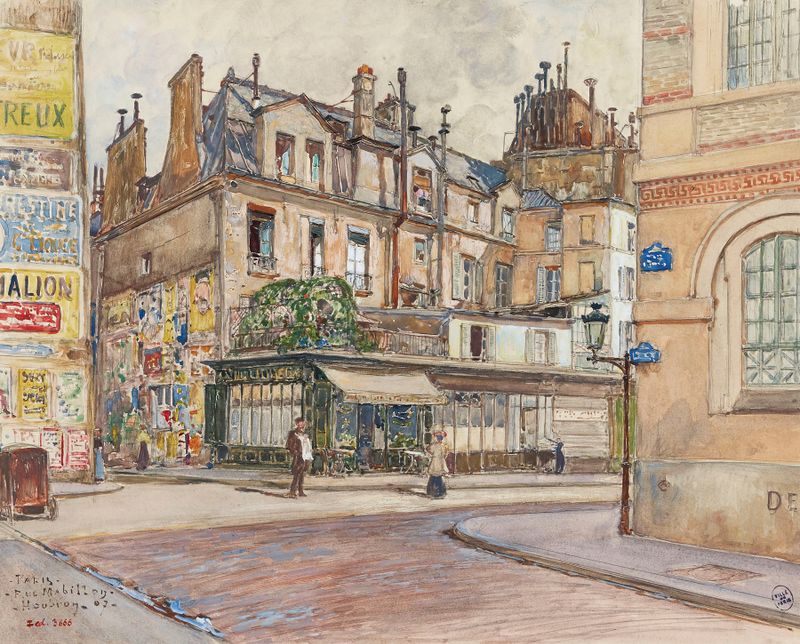
Angle rue Mabillon et rue Clément, en 1907. 5ème et 6ème arrondissements
Frédéric Houbron
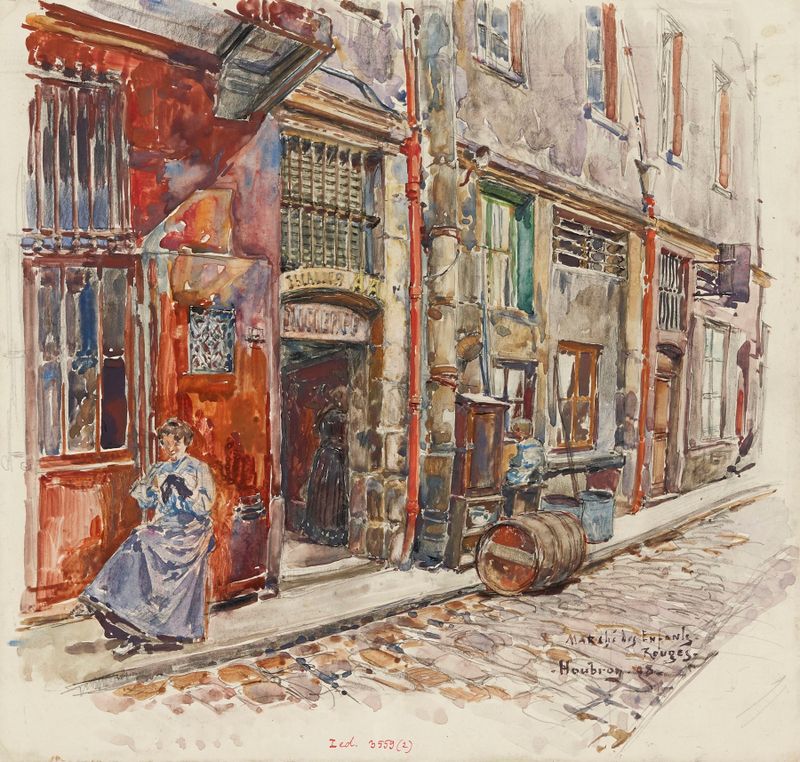
Entrée escalier A du Marché des Enfants-Rouges, en 1908. 3ème arrondissement
Frédéric Houbron
More Architecture Art
Browse all →
The statue of Liberty
Frédéric Auguste Bartholdi

View of Houses in Delft, Known as ‘The Little Street’
Johannes Vermeer

View of Houses in Delft, Known as ‘The Little Street’
Johannes Vermeer

The Cathedral in Rouen. The portal, Grey Weather
Claude Monet

The yellow house
Vincent van Gogh

The Church in Auvers-sur-Oise, View from the Chevet
Vincent van Gogh