
3. Plafond du Tombeau de Pehsoukher (n° 88), 4. Plafond du Tombeau de Thotnofer (n° 80) — History & Facts
Who listens when art speaks of silence? In the haunting stillness of 3. Plafond du Tombeau de Pehsoukher and 4. Plafond du Tombeau de Thotnofer, silence becomes a transcendent language, whispering deeply felt truths that resonate through the ages. Look closely at the intricate details decorating the ceilings.
Notice how the soft, muted colors envelop the viewer, inviting contemplation. The meticulous patterns draw the eye towards the center, where celestial motifs suggest a divine presence. Light dances delicately across the surface, emphasizing the delicate textures of the painted layers and creating a visual dialogue between the earthly and the otherworldly. Beneath the surface of these serene compositions lies a rich tapestry of meaning.
The juxtaposition of earthly forms with ethereal elements reflects a longing for transcendence, echoing humanity’s quest for understanding beyond the tangible. Symbols of eternity intermingle with figures that evoke both reverence and melancholy, suggesting that in silence, we confront the fragility of existence and the permanence of memory. Gustave Jéquier created this work in 1911, a time when European art was evolving through movements that blurred the lines between tradition and innovation. Living in Egypt and immersed in its ancient wisdom, he translated the spirit of this rich heritage into his art.
At this moment in his career, Jéquier was exploring themes of history and identity, seeking to fuse the past with contemporary expression in a profound way.
More Artworks by Gustave Jéquier
Browse all →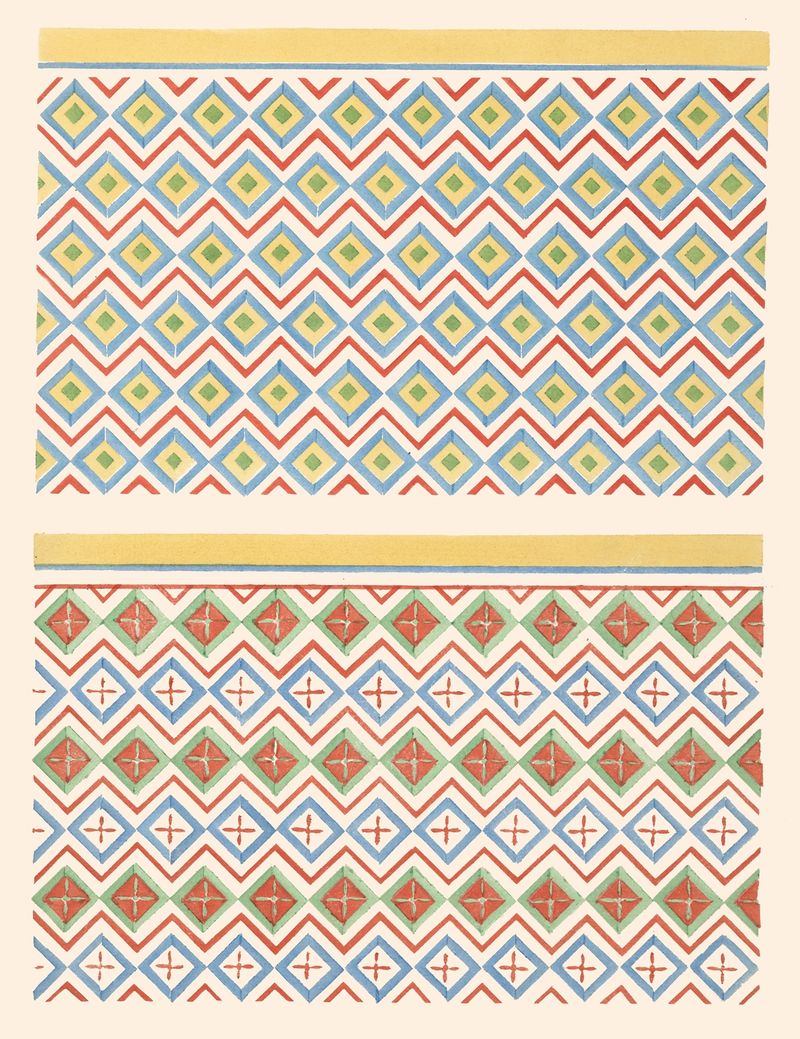
9. Plafond du Tombeau de Hapousenb (n° 67), 10. Plafond du Tombeau D’amounzeh (n° 84)
Gustave Jéquier
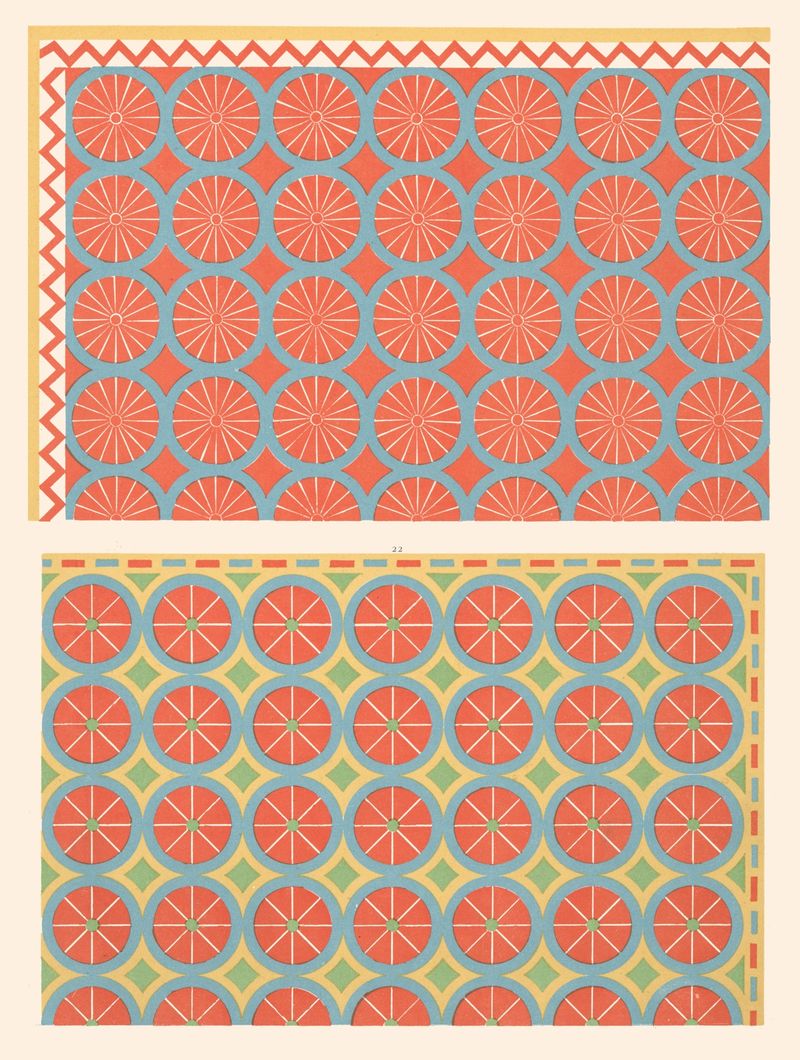
22. Plafond du Tombeau de Hiq-er-Neheh (n°64), 23. Plafond du Tombeau de Tenna (n° 76)
Gustave Jéquier
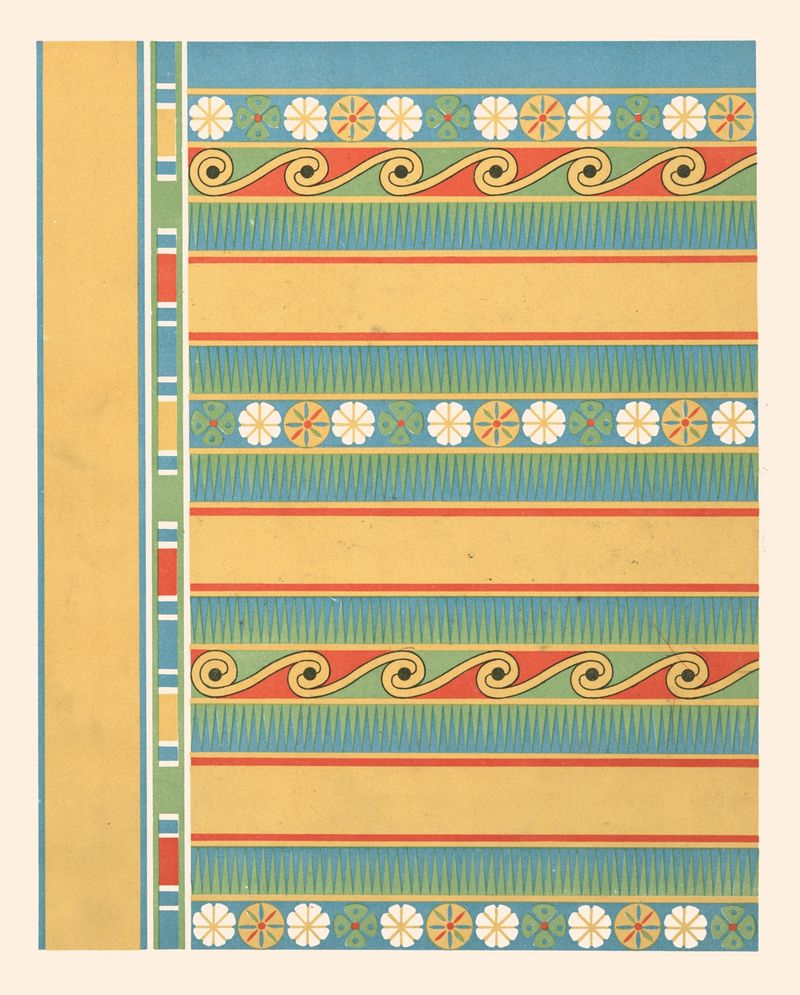
49. Plafond du Tombeau de Nesi-pa-Noferher (n° 68)
Gustave Jéquier
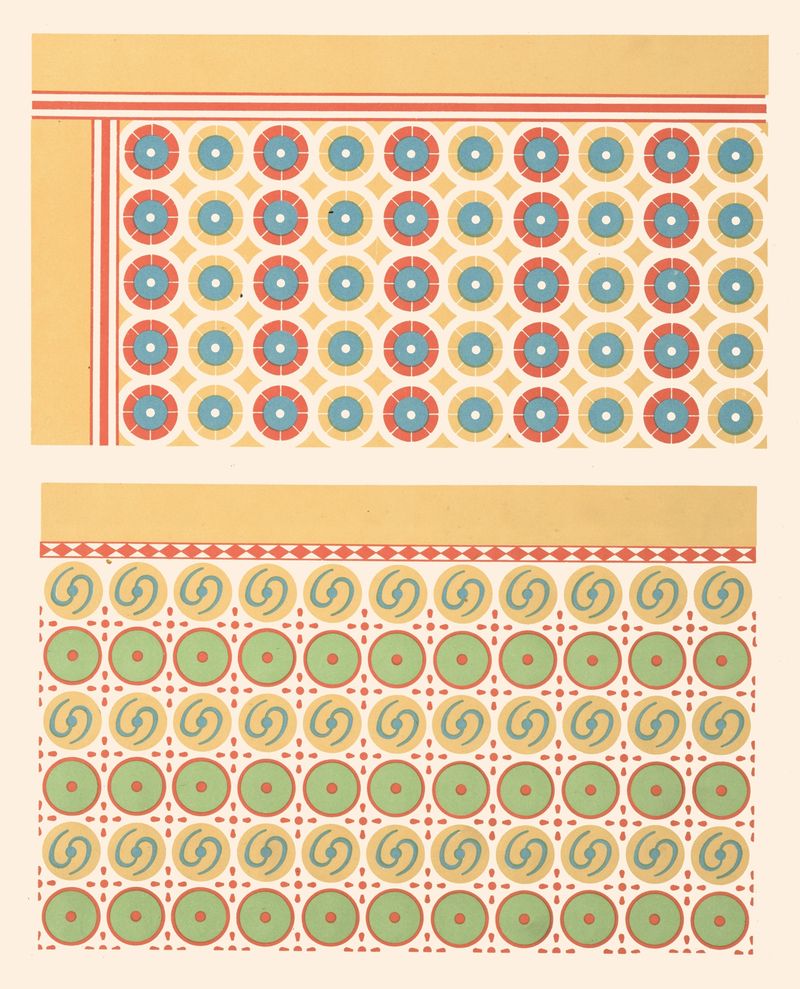
20. Plafond du Tombeau D’amenheb (n° 90), 21. Plafond du Tombeau de Menkheper (n° 79)
Gustave Jéquier
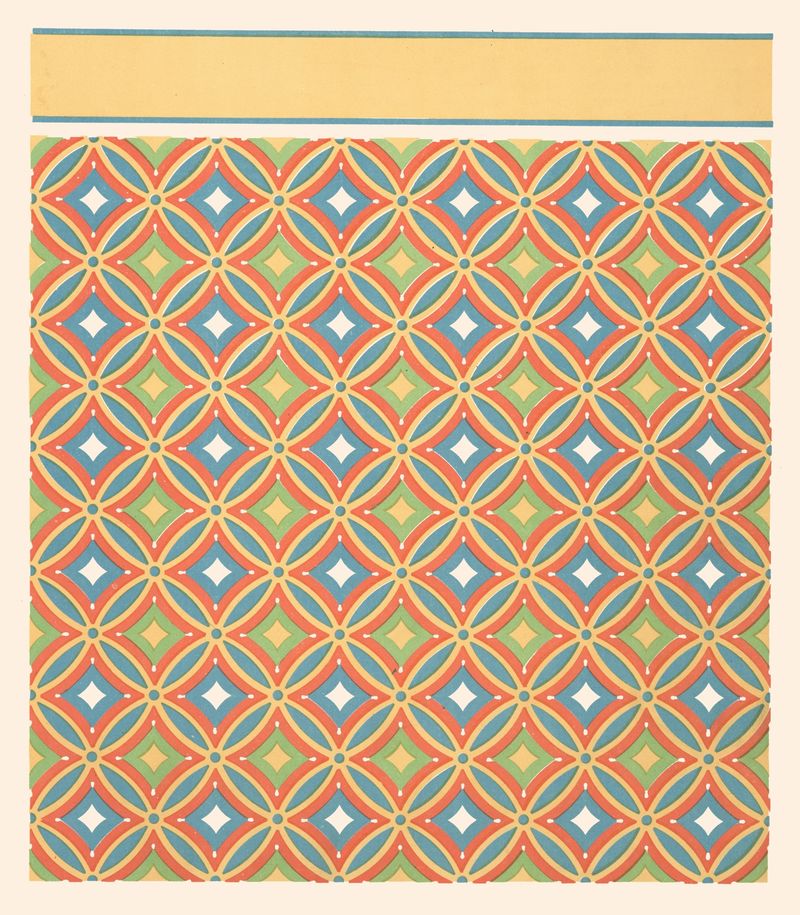
29. Plafond du Tombeau D’amenemhat (n° 82)
Gustave Jéquier
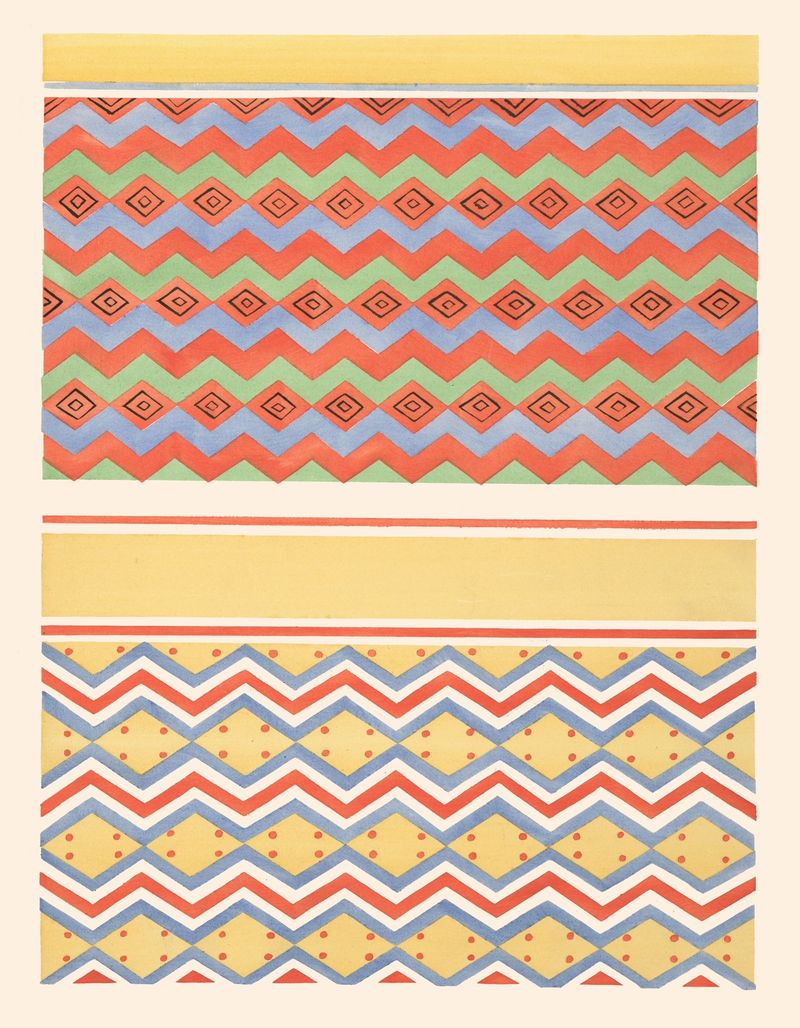
5. Plafond du Tombeau D’amounzeh (° 84), 6. Plafond du Tombeau D’amenemheb
Gustave Jéquier
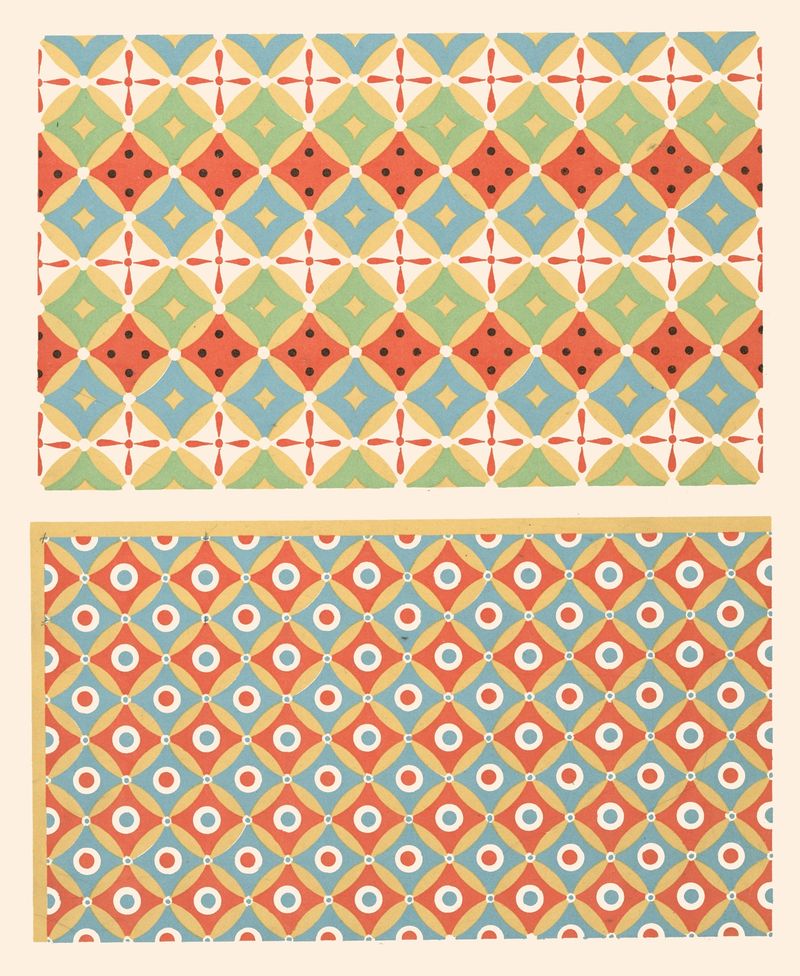
27. Plafond du Tombeau de Nekht-Mîn (n° 87), 28. Plafond du Tombeau n° 91 (Anonyme)
Gustave Jéquier
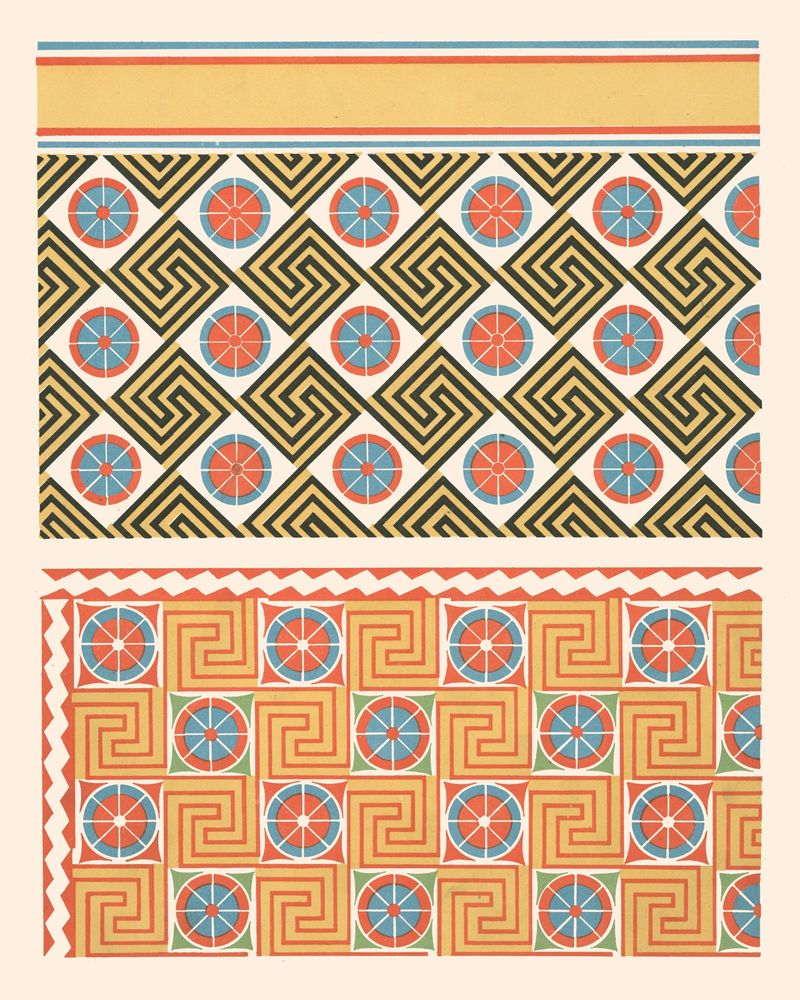
38. Plafond du Tombeau D’anna (n° 81), 39. Plafond du Tombeau de Senmout (n° 71)
Gustave Jéquier
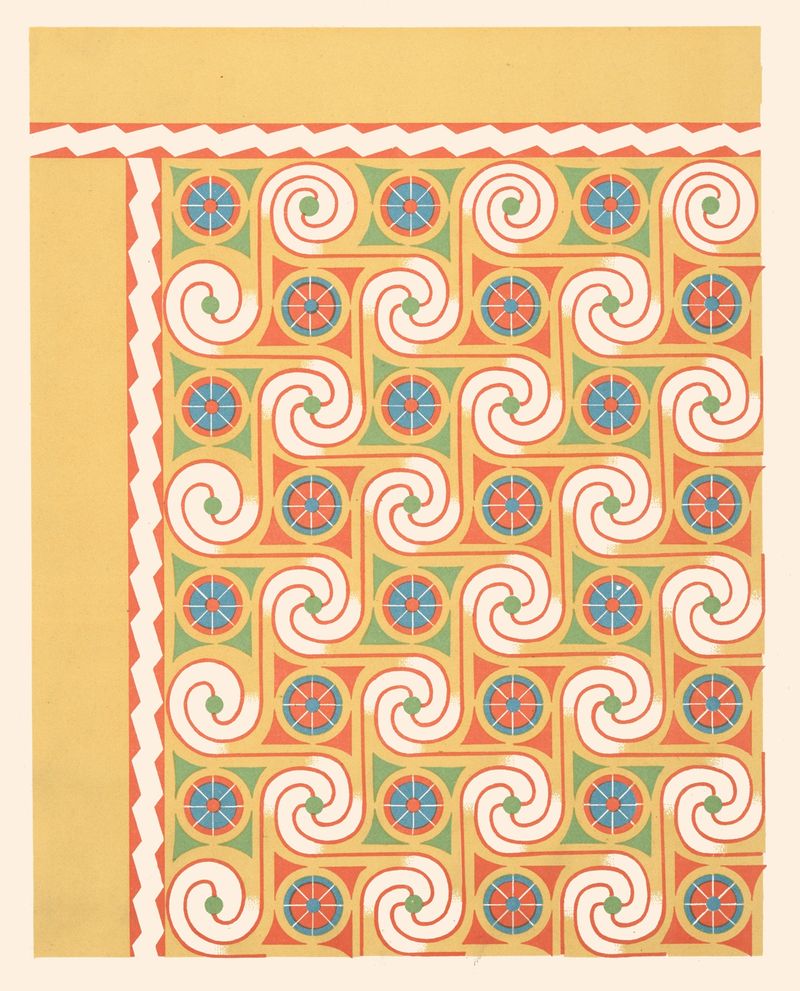
34. Plafond du Tombeau de Senmout (n° 71)
Gustave Jéquier
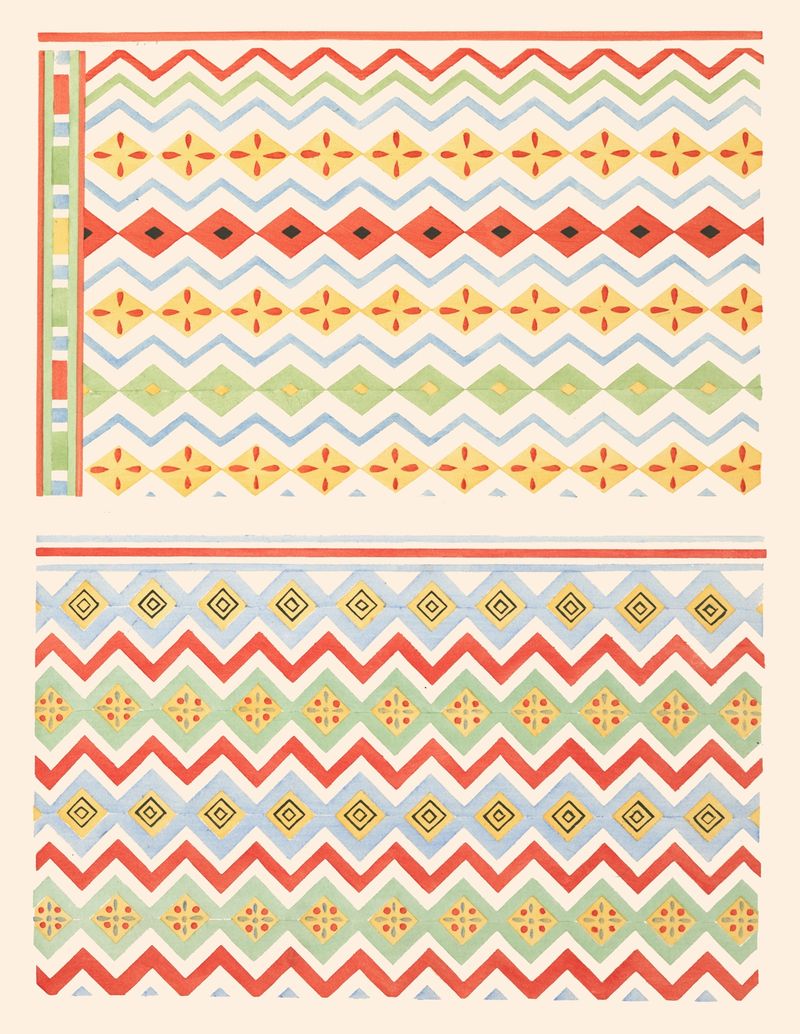
7. Plafond du Tombeau D’amenemant (n° 58), 8. Plafond du Tombeau de Pehsoukehr (n° 88)
Gustave Jéquier
More Religious Art
Browse all →
The Return of the Prodigal Son
Rembrandt van Rijn

The Garden of Earthly Delights
El Bosco

Count Orgaz’ funeral
El Greco

The Hundred Guilder Print: the central piece with Christ preaching, the plate arched
Rembrandt van Rijn

The Descent from the Cross
Rogier van der Weyden

The return of the prodigal son
Rembrandt van Rijn