
32. Plafond du Tombeau de Pa-Nehasi (Drah-Aboul-Negga) — History & Facts
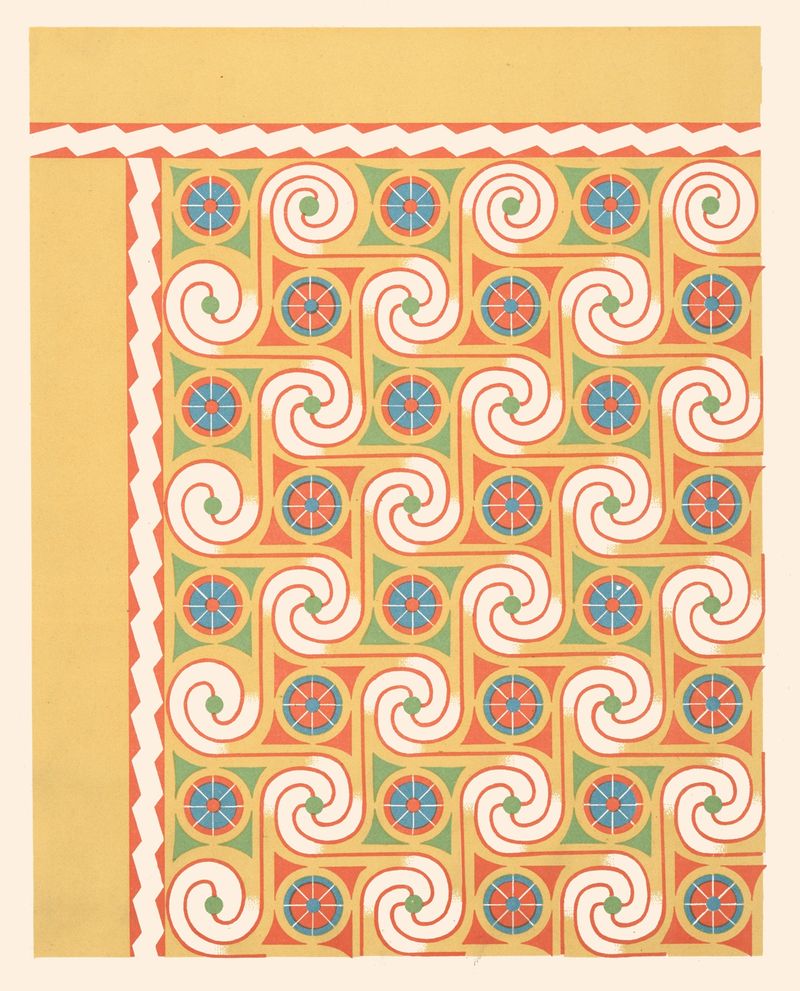
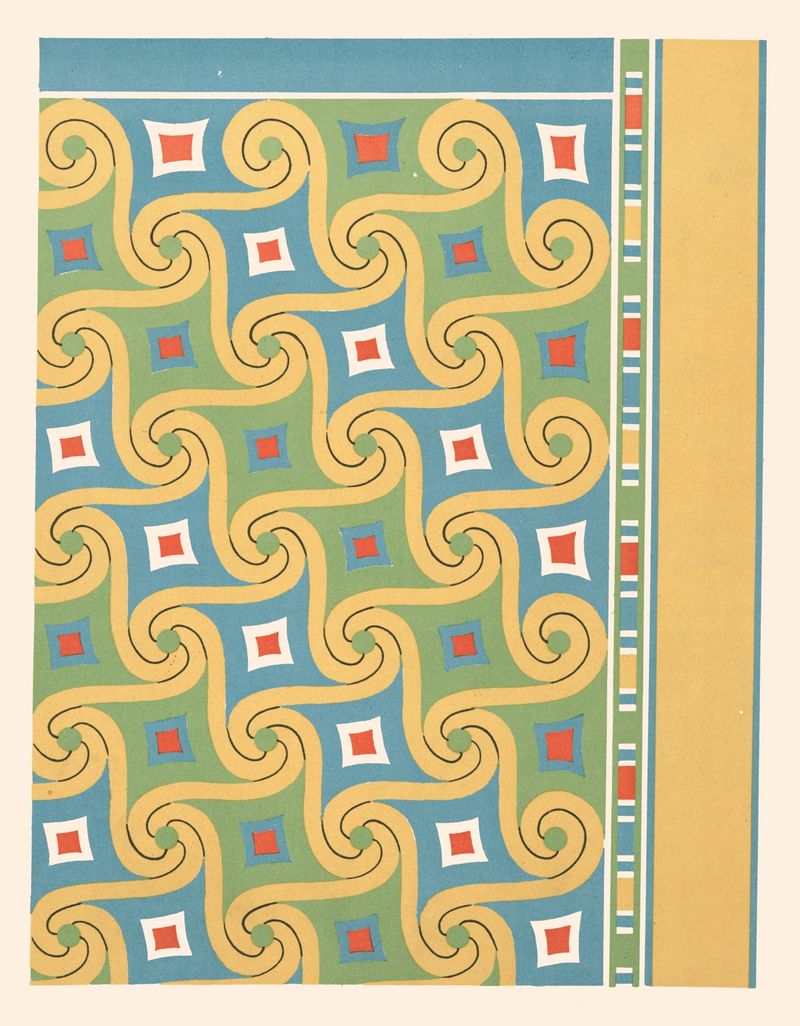
In a world where beauty often feels like a fleeting illusion, how do we grasp its essence? Look to the top of the canvas, where vibrant hues dance against each other, creating a dynamic tension that captures the viewer’s eye. The intricate details of the painted ceiling structure guide one’s gaze downward, revealing layers of vibrant colors and bold patterns that form a mesmerizing tapestry. Notice how Jéquier employs a palette rich in ochres and deep blues, juxtaposed with delicate whites that illuminate figures and designs, evoking both serenity and exuberance. Delve deeper into the swirling patterns that suggest movement, each brushstroke a testament to the artist's effort to encapsulate the rhythm of life.
There’s a palpable contrast between the chaotic intricacy of the design and the harmonious balance it achieves, inviting contemplation on the nature of beauty itself. This visual cacophony not only enchants but also challenges the viewer to confront the underlying chaos that often belies the surface of aesthetic pleasure. In 1911, Gustave Jéquier was immersed in the revival of decorative arts, drawing inspiration from ancient cultures and the resurgence of interest in historical forms. Working in a period characterized by a blending of tradition and modernity, he sought to reimagine these influences within his own artistic language.
His exploration of beauty in this piece speaks to a broader cultural dialogue about aesthetics, identity, and the enduring power of artistic expression.
More Artworks by Gustave Jéquier
Browse all →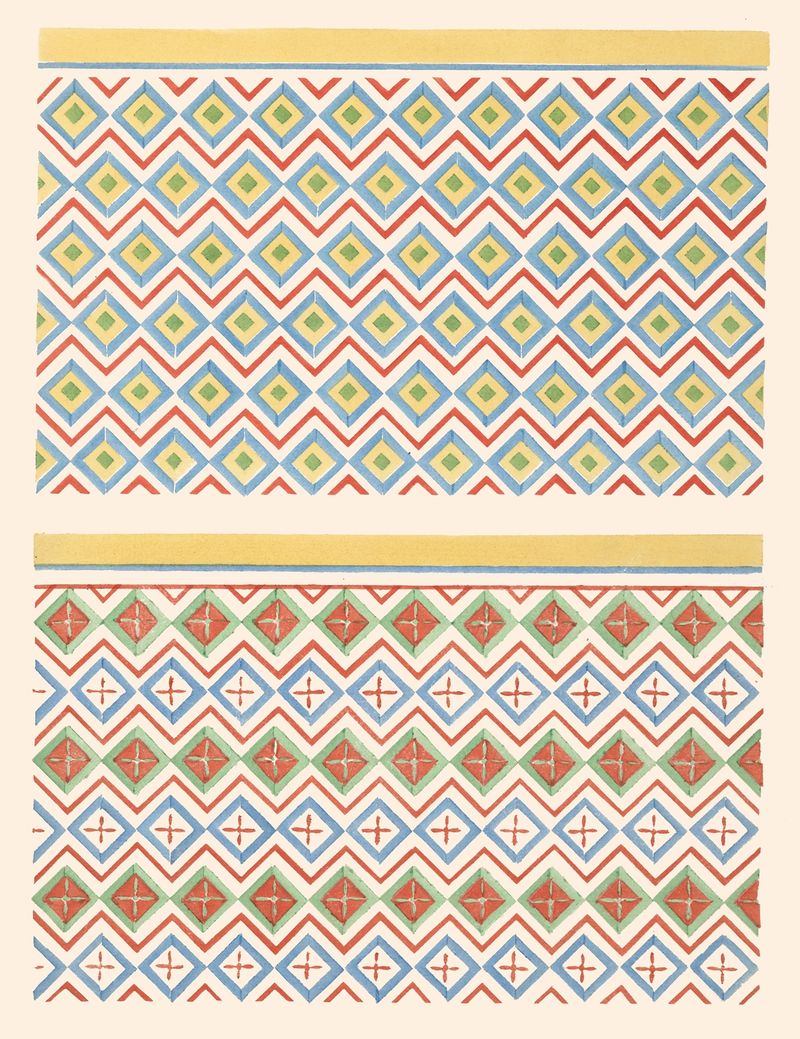
9. Plafond du Tombeau de Hapousenb (n° 67), 10. Plafond du Tombeau D’amounzeh (n° 84)
Gustave Jéquier
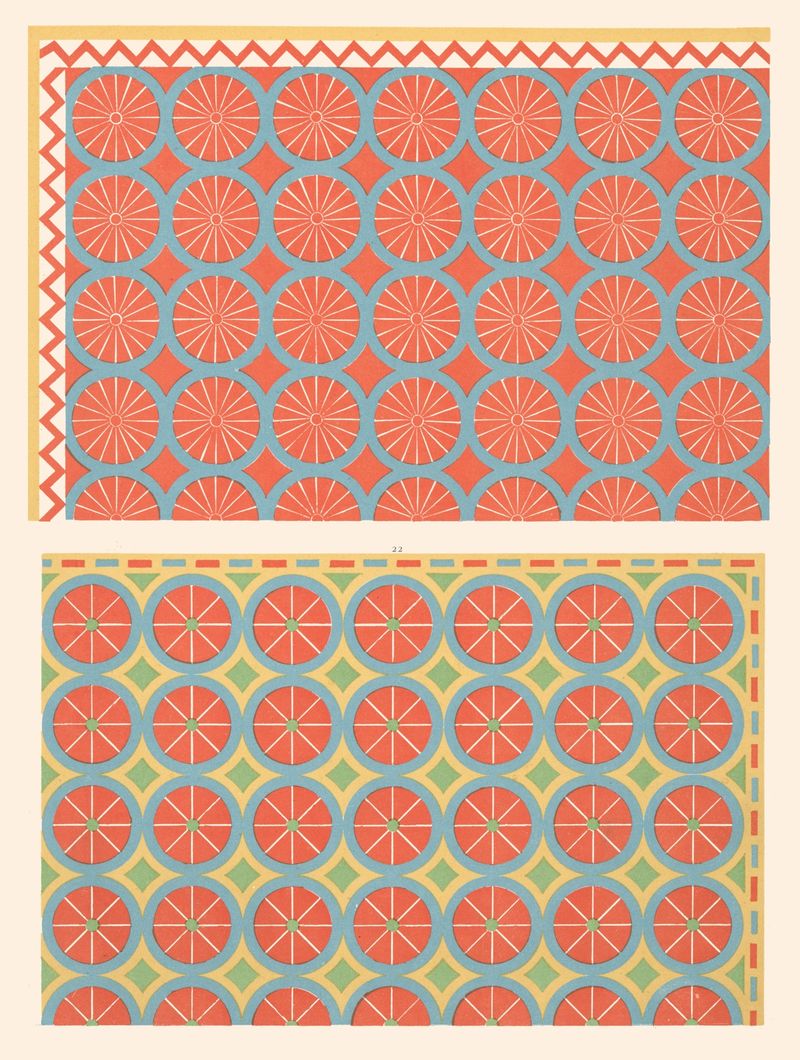
22. Plafond du Tombeau de Hiq-er-Neheh (n°64), 23. Plafond du Tombeau de Tenna (n° 76)
Gustave Jéquier
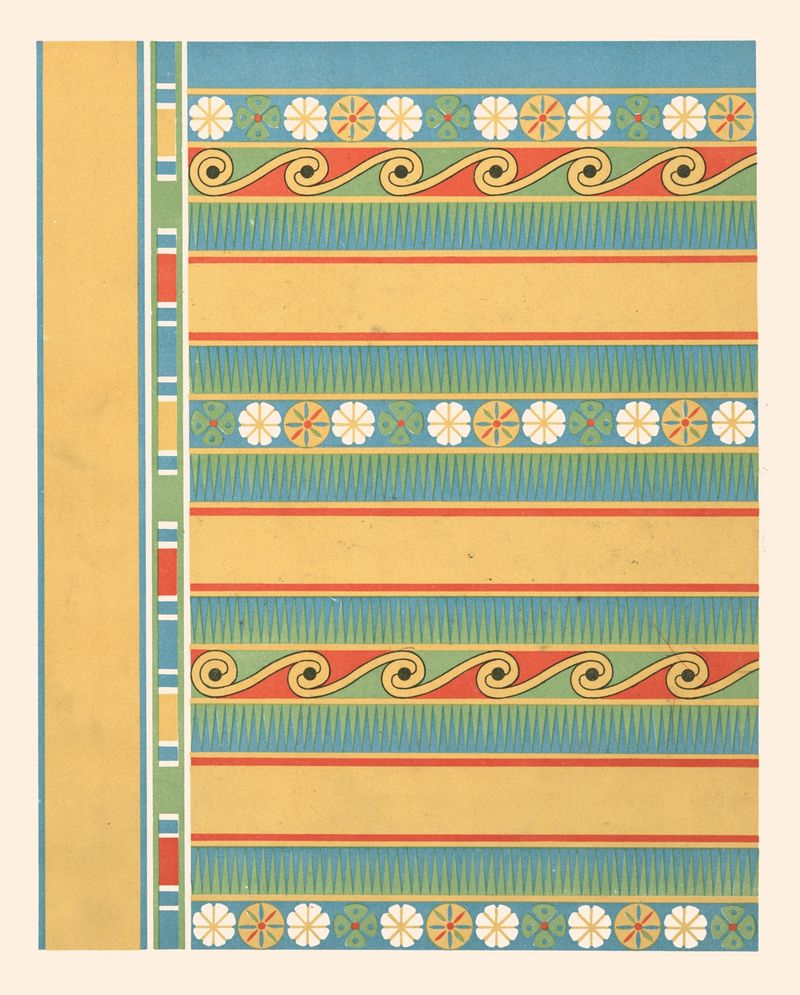
49. Plafond du Tombeau de Nesi-pa-Noferher (n° 68)
Gustave Jéquier
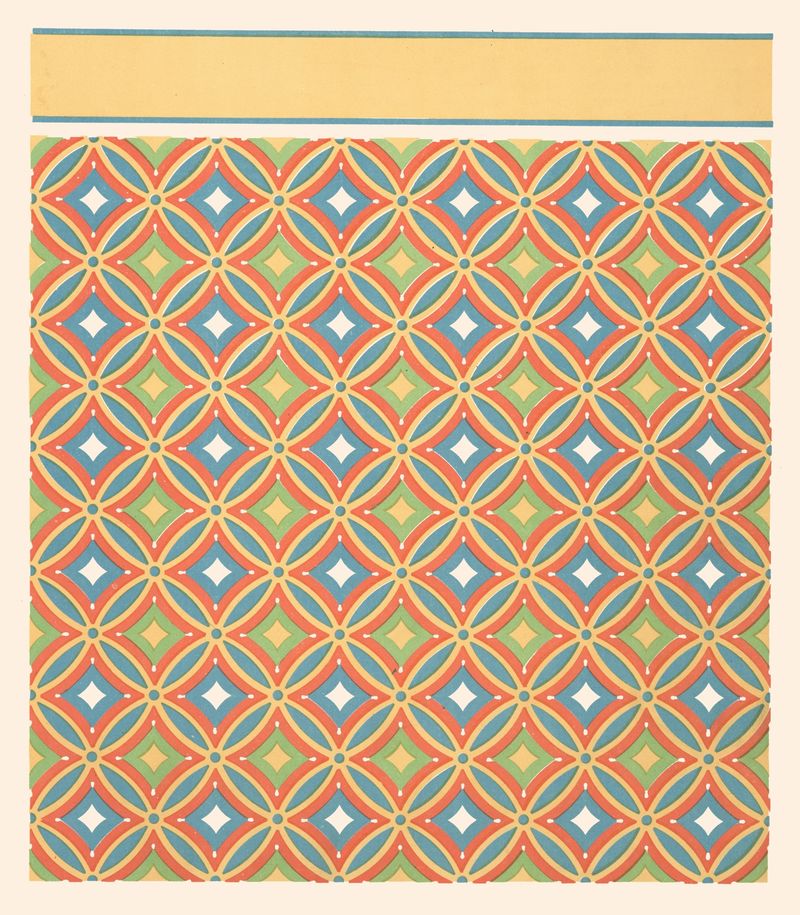
29. Plafond du Tombeau D’amenemhat (n° 82)
Gustave Jéquier
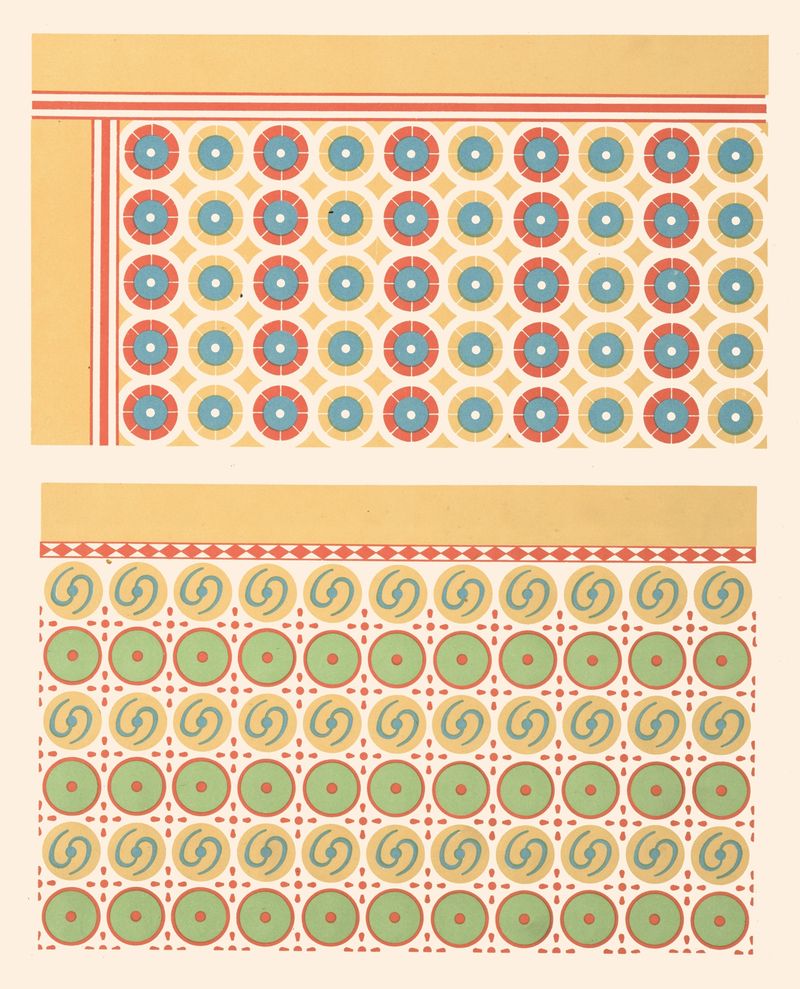
20. Plafond du Tombeau D’amenheb (n° 90), 21. Plafond du Tombeau de Menkheper (n° 79)
Gustave Jéquier
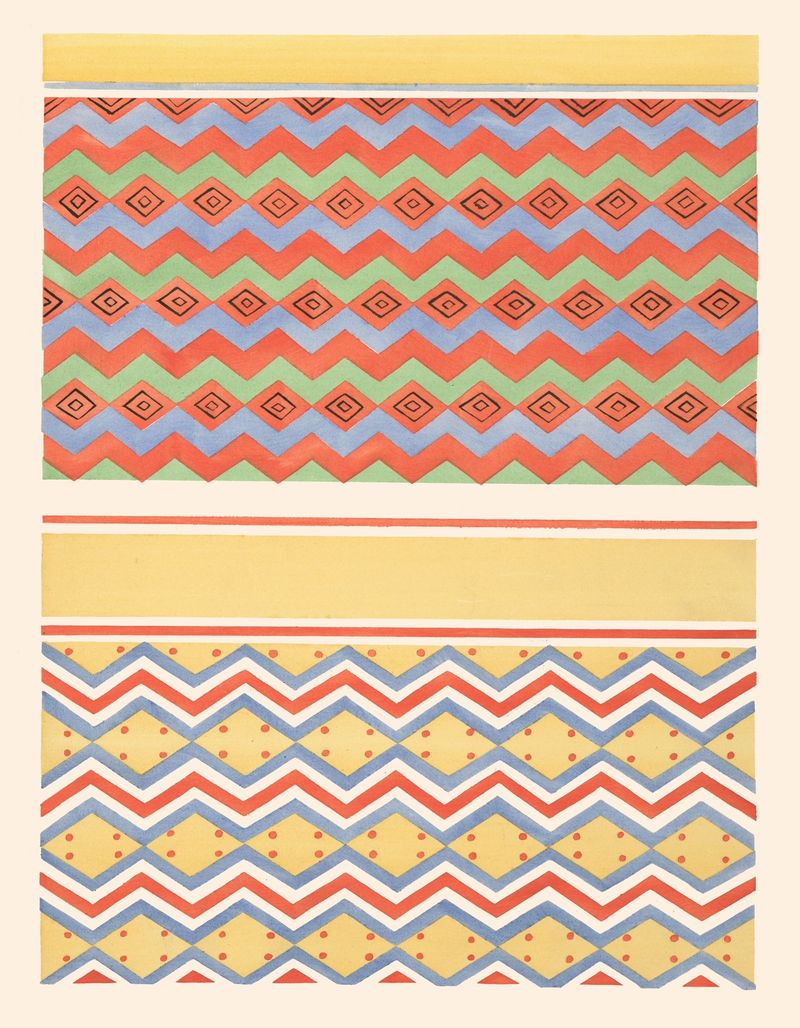
5. Plafond du Tombeau D’amounzeh (° 84), 6. Plafond du Tombeau D’amenemheb
Gustave Jéquier
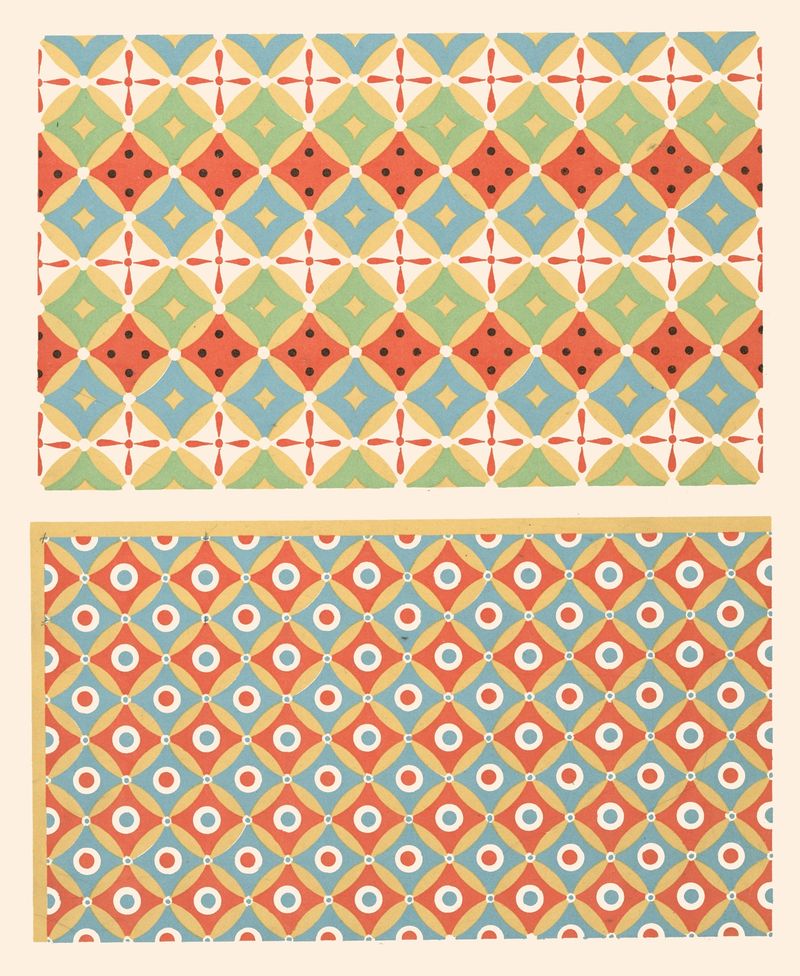
27. Plafond du Tombeau de Nekht-Mîn (n° 87), 28. Plafond du Tombeau n° 91 (Anonyme)
Gustave Jéquier
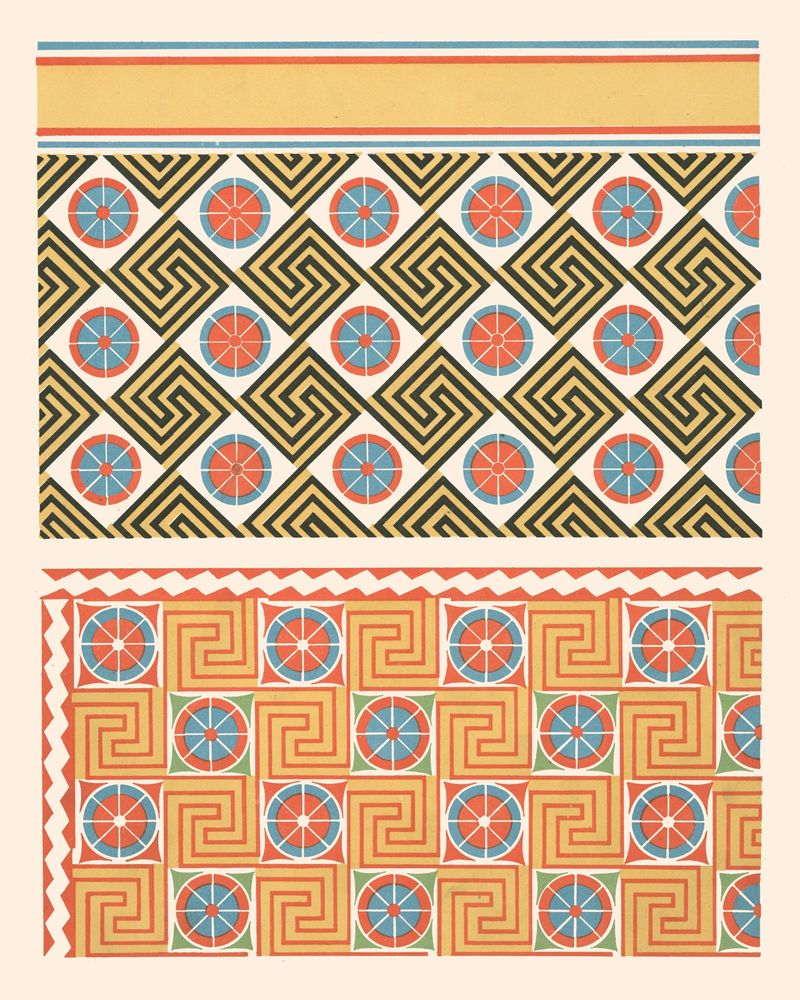
38. Plafond du Tombeau D’anna (n° 81), 39. Plafond du Tombeau de Senmout (n° 71)
Gustave Jéquier
34. Plafond du Tombeau de Senmout (n° 71)
Gustave Jéquier
51. Plafond du Tombeau de Nesi-pa-Noferher (n° 68)
Gustave Jéquier
More Architecture Art
Browse all →
The statue of Liberty
Frédéric Auguste Bartholdi

View of Houses in Delft, Known as ‘The Little Street’
Johannes Vermeer

View of Houses in Delft, Known as ‘The Little Street’
Johannes Vermeer

The Cathedral in Rouen. The portal, Grey Weather
Claude Monet

The yellow house
Vincent van Gogh

The Church in Auvers-sur-Oise, View from the Chevet
Vincent van Gogh