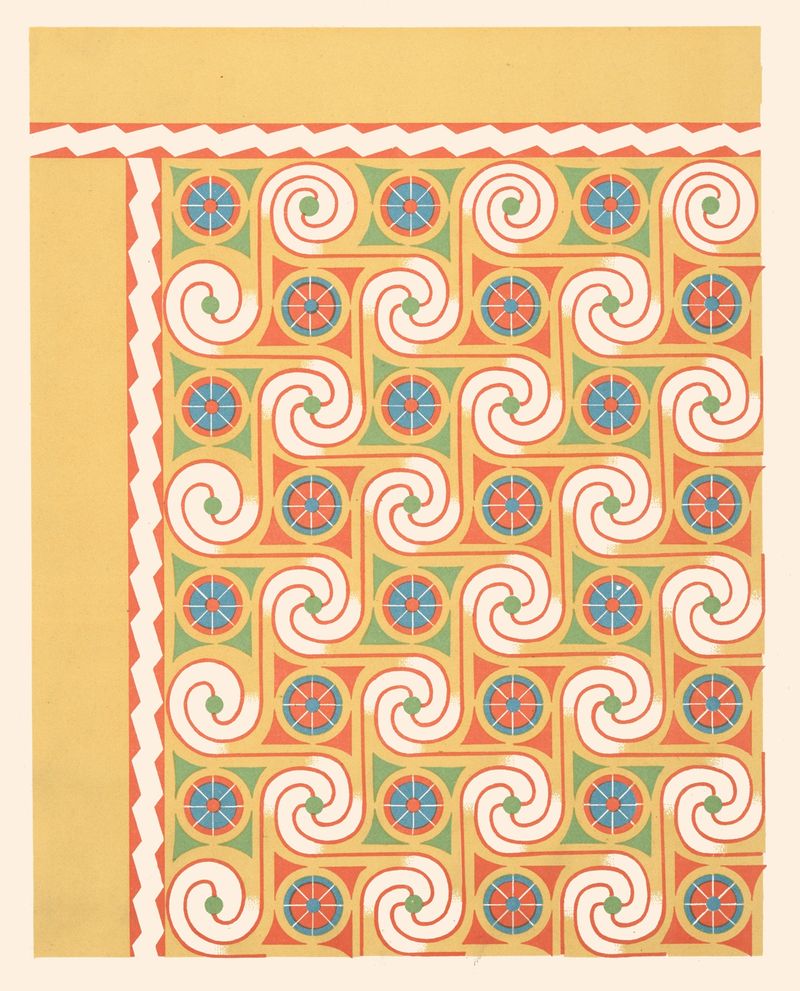
35. Plafond doTombeau de Nekht-Mîn (n° 87) — History & Facts
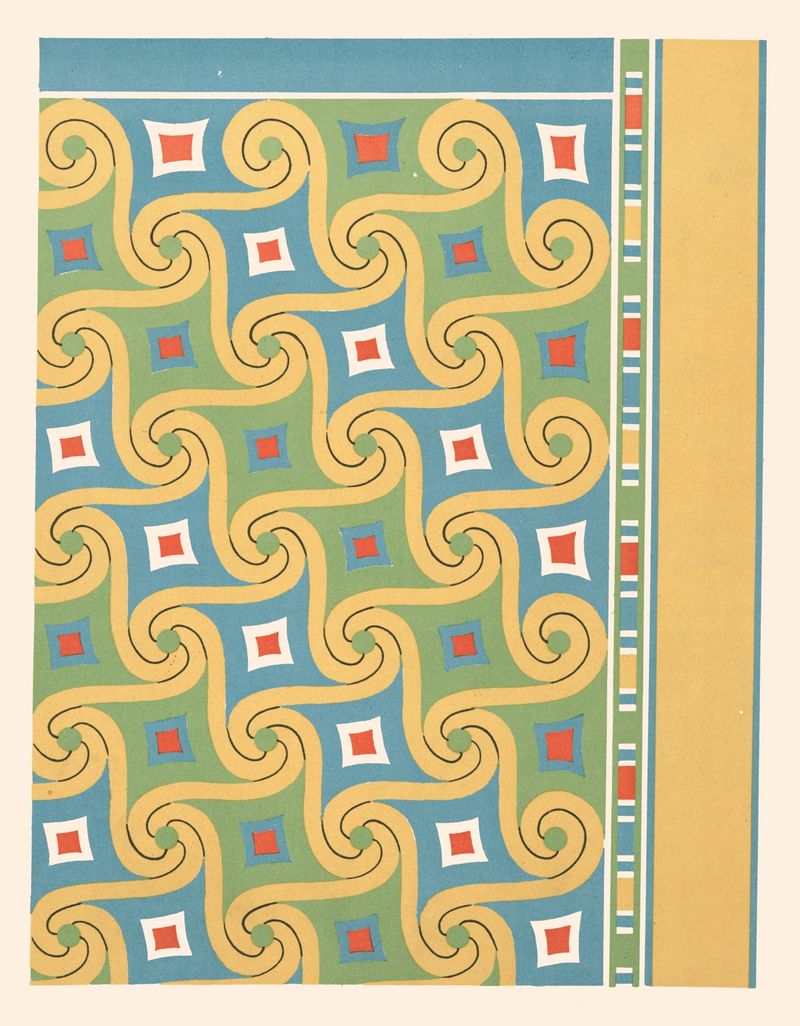
Is this a mirror — or a memory? The delicate intricacies of the past cradle us, evoking both the weight of loss and the beauty of remembrance. Each brushstroke speaks in hushed tones, inviting us into a realm where the boundaries between sorrow and solace blur. Focus on the central motif, a blend of ornate geometric patterns and muted colors that draws the eye inward. The artist employs a subtle palette of deep blues and earthy tones, creating a depth that feels both expansive and intimate.
Notice how the light dances across the surface, illuminating specific details while casting others into soft shadow. This contrast emphasizes the duality of existence, celebrating what was while mourning what is no longer. As you delve deeper, consider the interplay of the shapes and their symmetry. They hint at a connection to ancient memories, perhaps representing the eternal cycle of life and death.
The repetition of forms mirrors the way grief can circle back on itself, echoing through time. Each detail, meticulously crafted, serves not only as decoration but as a testament to the profound complexity of emotional landscapes, evoking a sense of belonging and loss simultaneously. Gustave Jéquier created this work in 1911, amidst a burgeoning interest in the fusion of art and archaeology. Living in an era where artists sought to connect with the past, he drew inspiration from ancient Egyptian motifs and symbols.
This period was marked by a longing to understand history through the lens of modernity, as well as a desire to express personal and collective grief, making this piece resonate deeply in both its aesthetics and emotional weight.
More Artworks by Gustave Jéquier
Browse all →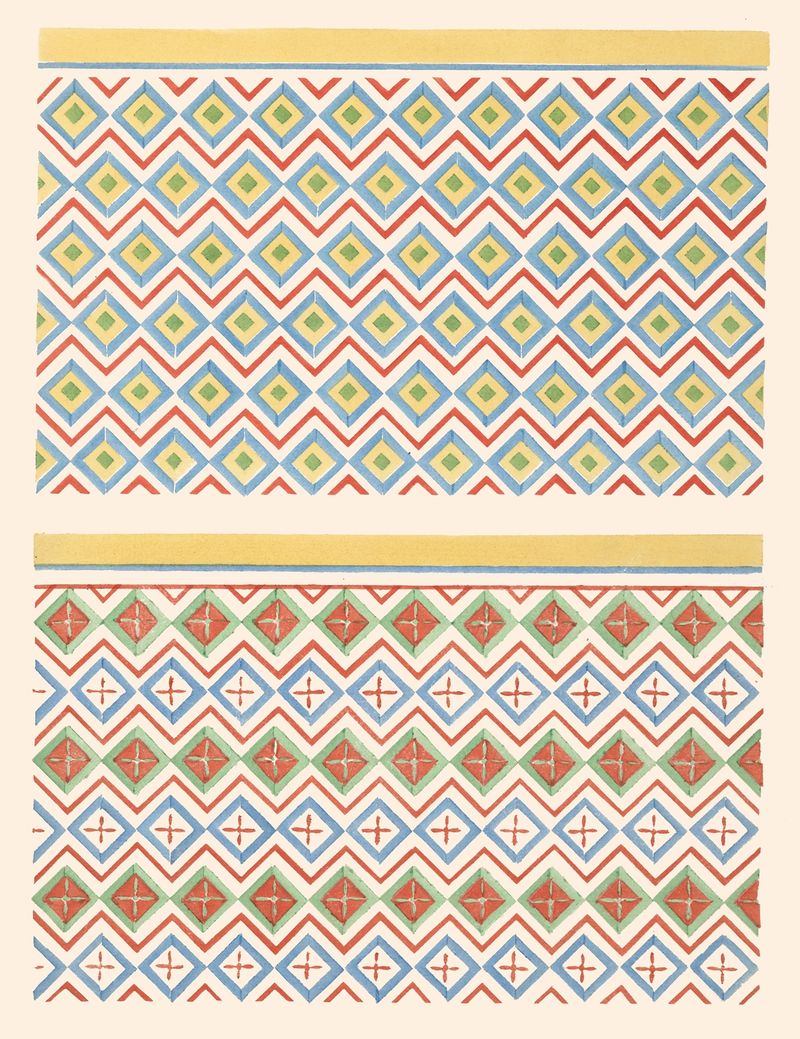
9. Plafond du Tombeau de Hapousenb (n° 67), 10. Plafond du Tombeau D’amounzeh (n° 84)
Gustave Jéquier
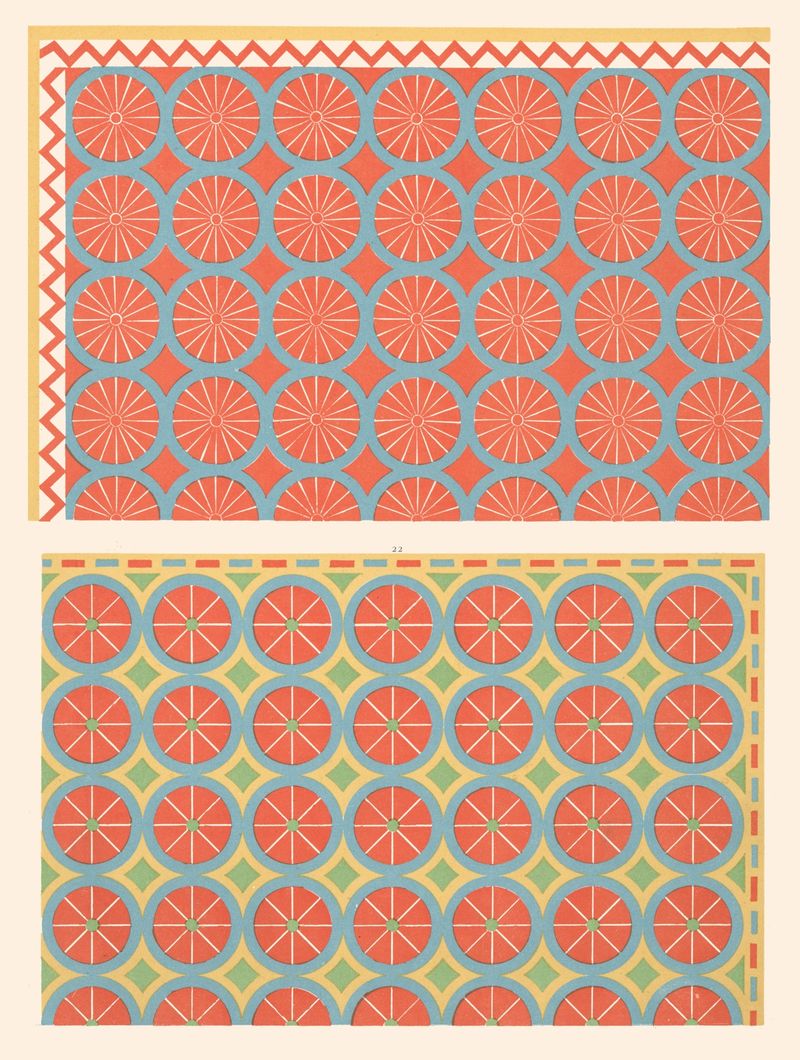
22. Plafond du Tombeau de Hiq-er-Neheh (n°64), 23. Plafond du Tombeau de Tenna (n° 76)
Gustave Jéquier
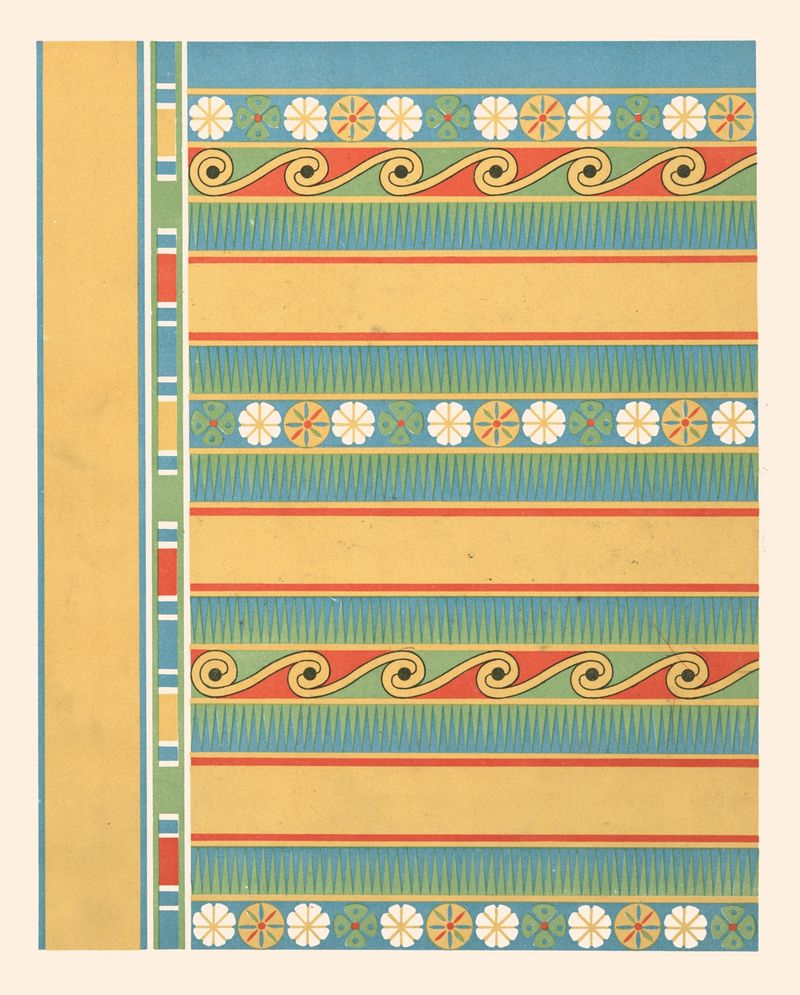
49. Plafond du Tombeau de Nesi-pa-Noferher (n° 68)
Gustave Jéquier
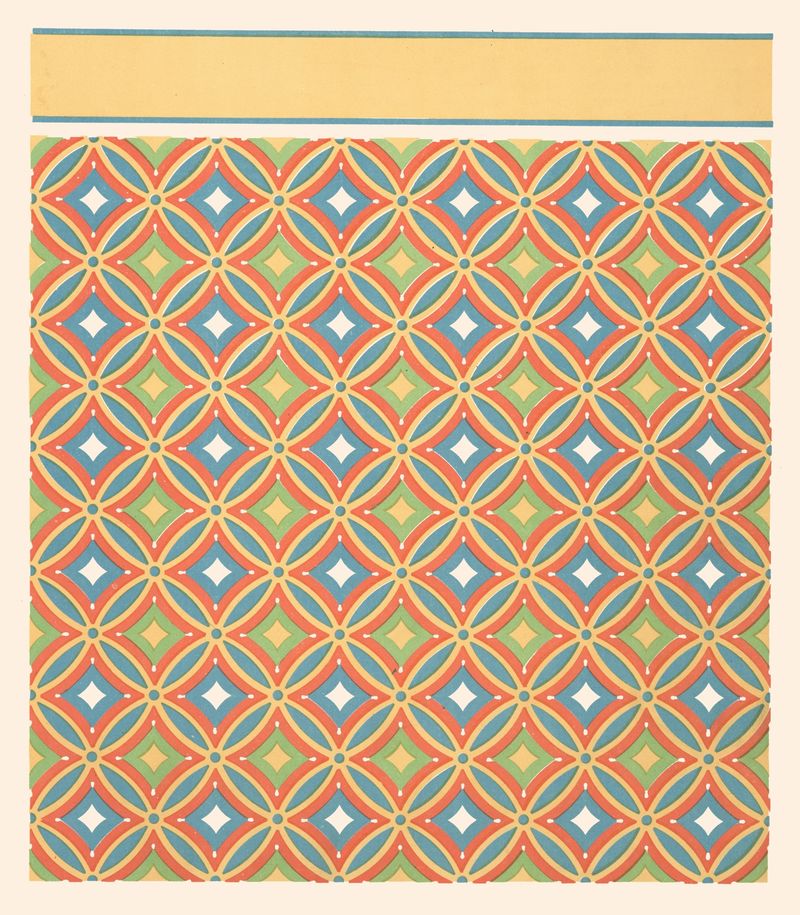
29. Plafond du Tombeau D’amenemhat (n° 82)
Gustave Jéquier
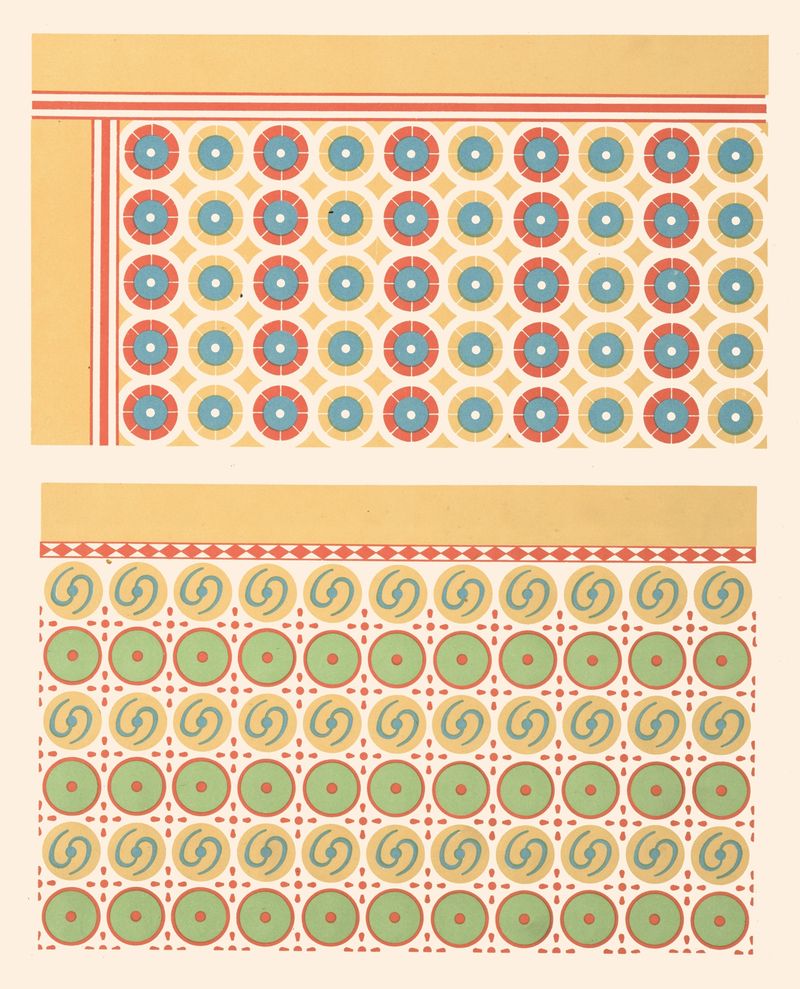
20. Plafond du Tombeau D’amenheb (n° 90), 21. Plafond du Tombeau de Menkheper (n° 79)
Gustave Jéquier
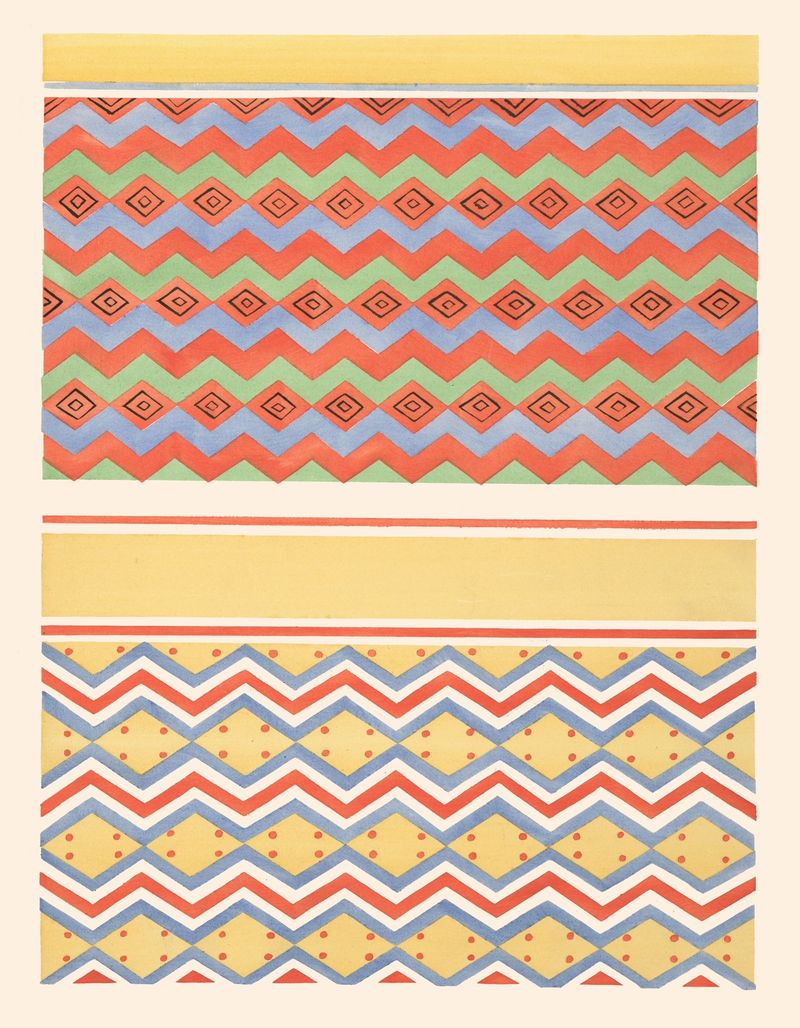
5. Plafond du Tombeau D’amounzeh (° 84), 6. Plafond du Tombeau D’amenemheb
Gustave Jéquier
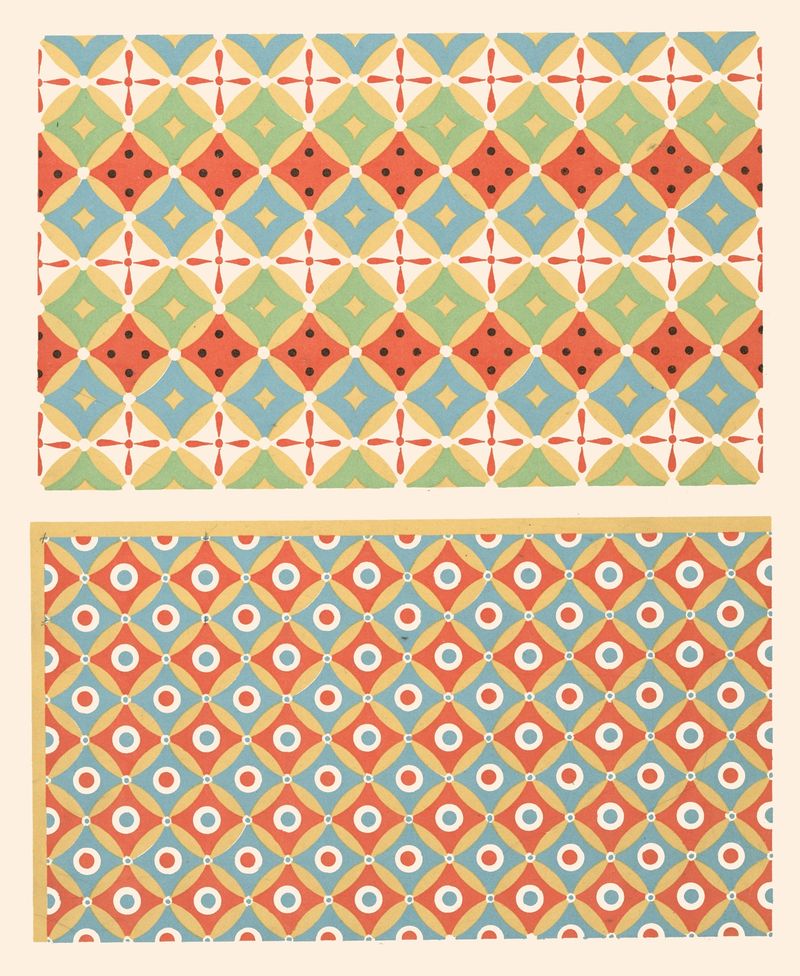
27. Plafond du Tombeau de Nekht-Mîn (n° 87), 28. Plafond du Tombeau n° 91 (Anonyme)
Gustave Jéquier
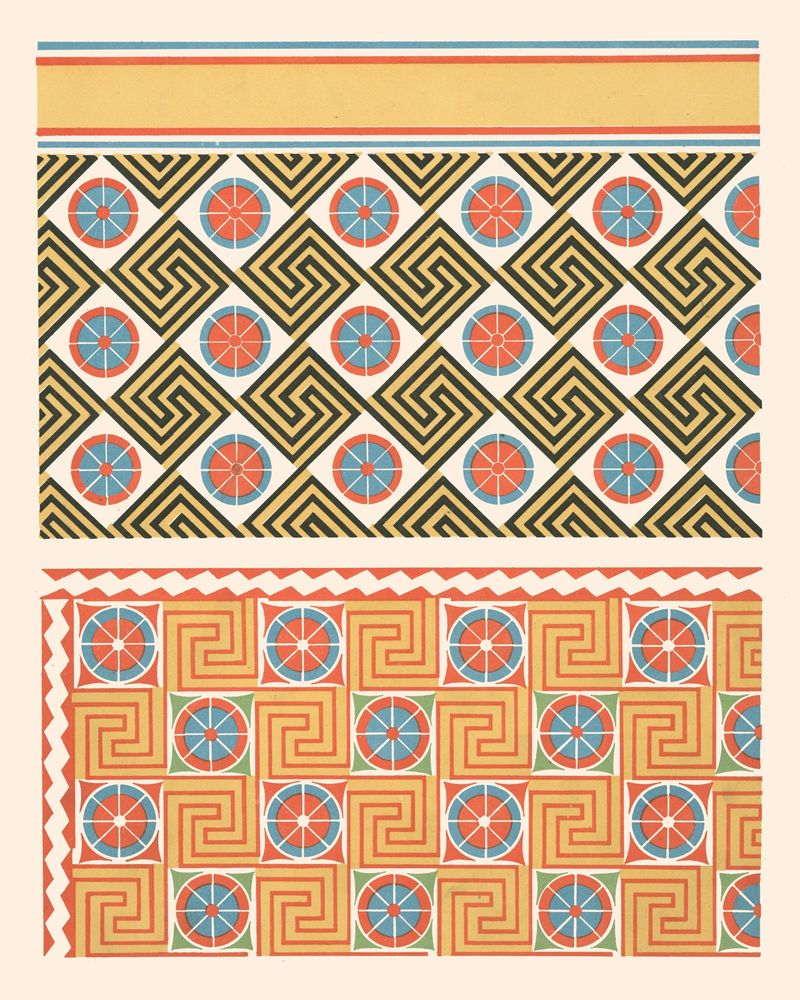
38. Plafond du Tombeau D’anna (n° 81), 39. Plafond du Tombeau de Senmout (n° 71)
Gustave Jéquier
34. Plafond du Tombeau de Senmout (n° 71)
Gustave Jéquier
51. Plafond du Tombeau de Nesi-pa-Noferher (n° 68)
Gustave Jéquier