
41. Plafond du Tombeau D’amenemhat (n° 82) — History & Facts
In a world where every stroke can breathe life into eternity, transformation becomes the essence of existence. Look to the center of the painting where intricate hieroglyphs come alive against a backdrop of deep azure. Jéquier masterfully employs gold leaf to create a luminous quality that captures the radiance of the Egyptian sun, drawing the eye toward the vibrant figures that promise rebirth and divine protection. The composition is symmetrical, instilling a sense of both order and complexity, inviting viewers to explore each detail as if uncovering the secrets of an ancient civilization. Consider the delicate juxtaposition of the vivid colors against the muted background; this contrast mirrors the tension between the ephemeral and the eternal.
Notice how certain figures extend outward, reaching beyond the confines of the tomb, suggesting that life continues in a different realm. Each symbol encodes layers of meaning, hinting at the spiritual journey undertaken by the deceased, while the vibrant hues evoke the vitality of the earthly realm left behind. Gustave Jéquier created this remarkable work in 1911, during a period marked by a renewed fascination with Egyptology and the mysteries of ancient cultures. Living in Switzerland, Jéquier was deeply influenced by the prevailing art movements that respected traditional techniques, yet sought to innovate.
His exploration into the realms of history and spirituality through 41. Plafond du Tombeau D’amenemhat (n° 82) reflects both his personal journey and the broader cultural shifts of the time, blending past and present in a transformative dialogue.
More Artworks by Gustave Jéquier
Browse all →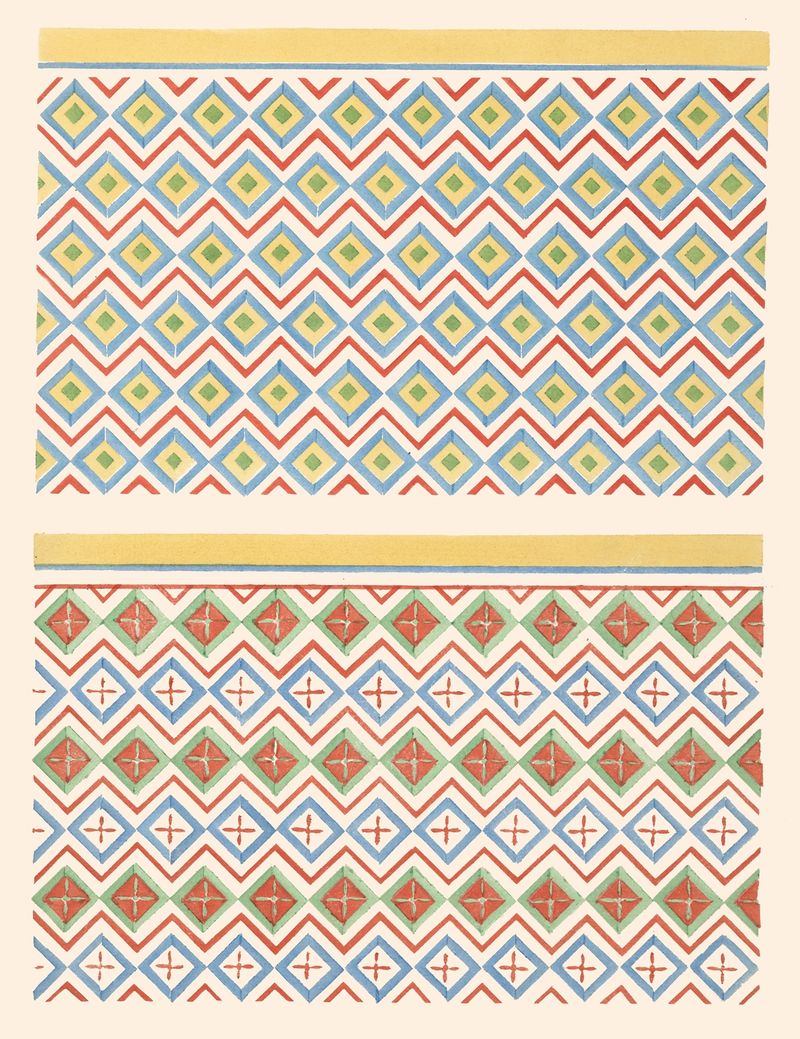
9. Plafond du Tombeau de Hapousenb (n° 67), 10. Plafond du Tombeau D’amounzeh (n° 84)
Gustave Jéquier
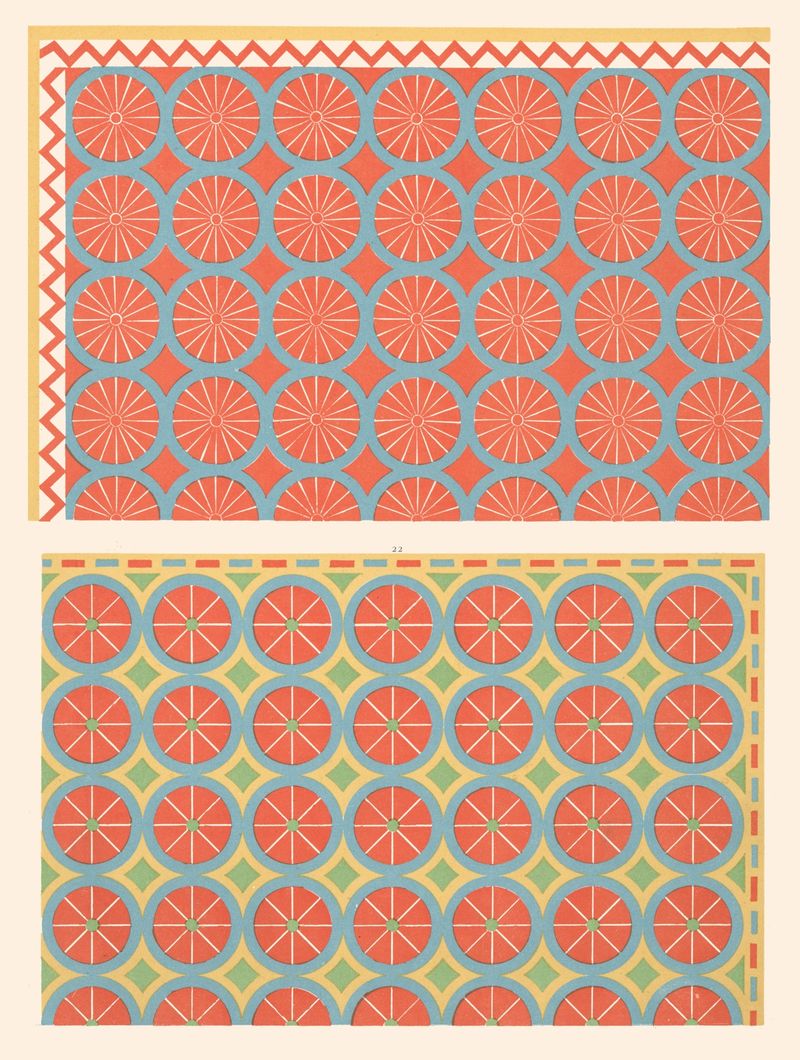
22. Plafond du Tombeau de Hiq-er-Neheh (n°64), 23. Plafond du Tombeau de Tenna (n° 76)
Gustave Jéquier
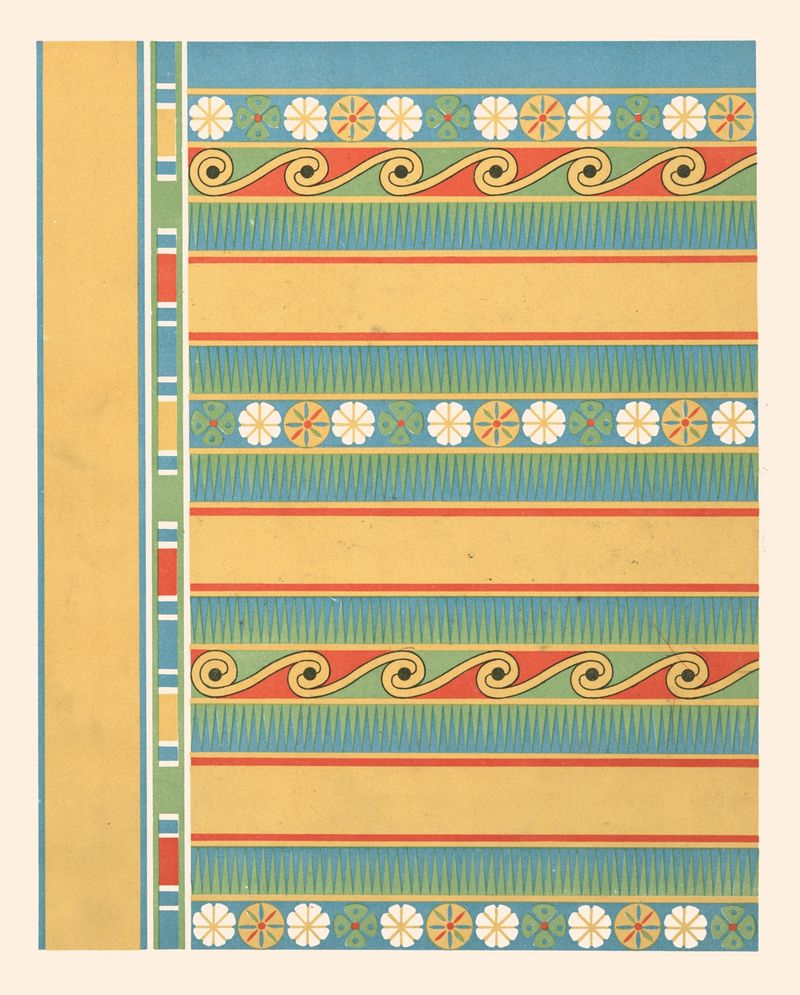
49. Plafond du Tombeau de Nesi-pa-Noferher (n° 68)
Gustave Jéquier
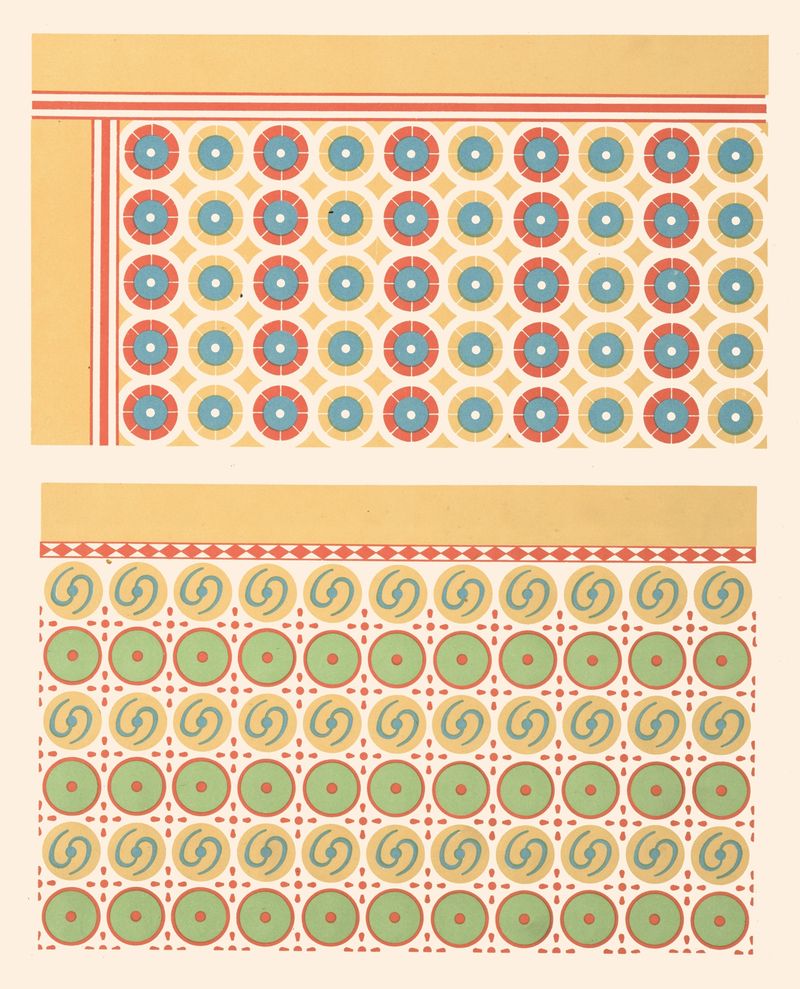
20. Plafond du Tombeau D’amenheb (n° 90), 21. Plafond du Tombeau de Menkheper (n° 79)
Gustave Jéquier
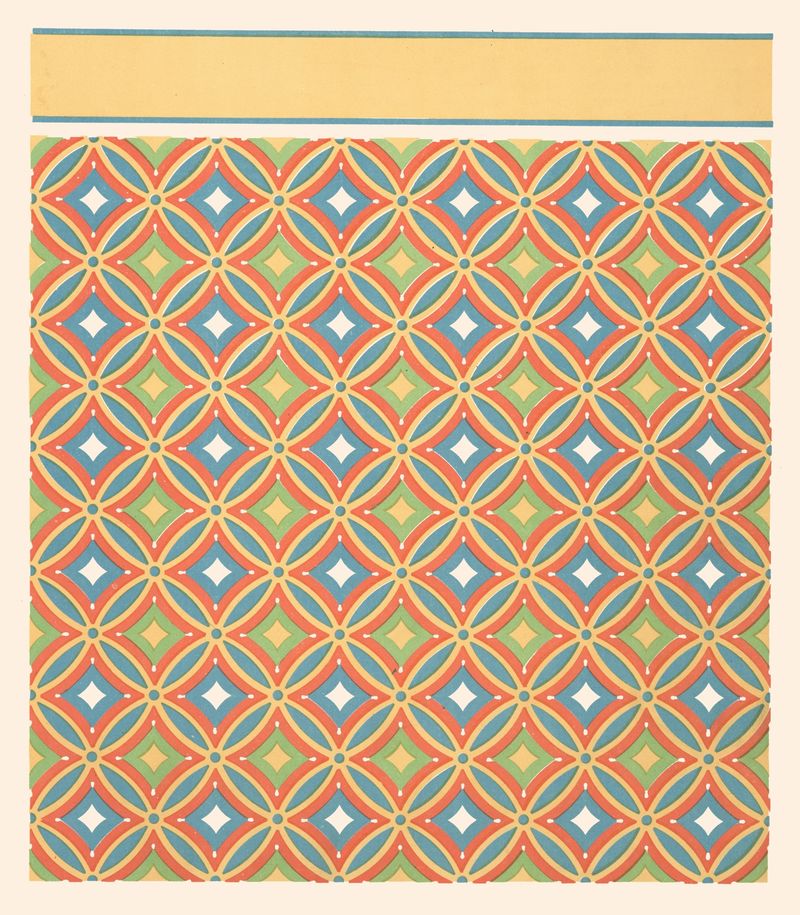
29. Plafond du Tombeau D’amenemhat (n° 82)
Gustave Jéquier
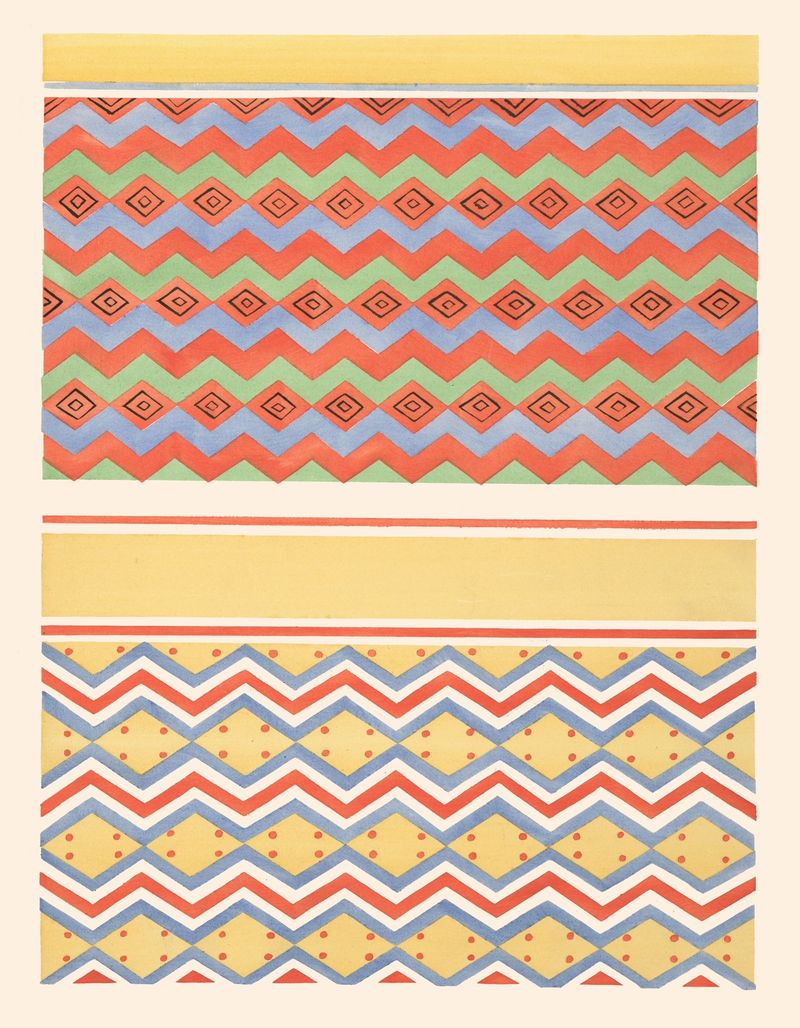
5. Plafond du Tombeau D’amounzeh (° 84), 6. Plafond du Tombeau D’amenemheb
Gustave Jéquier
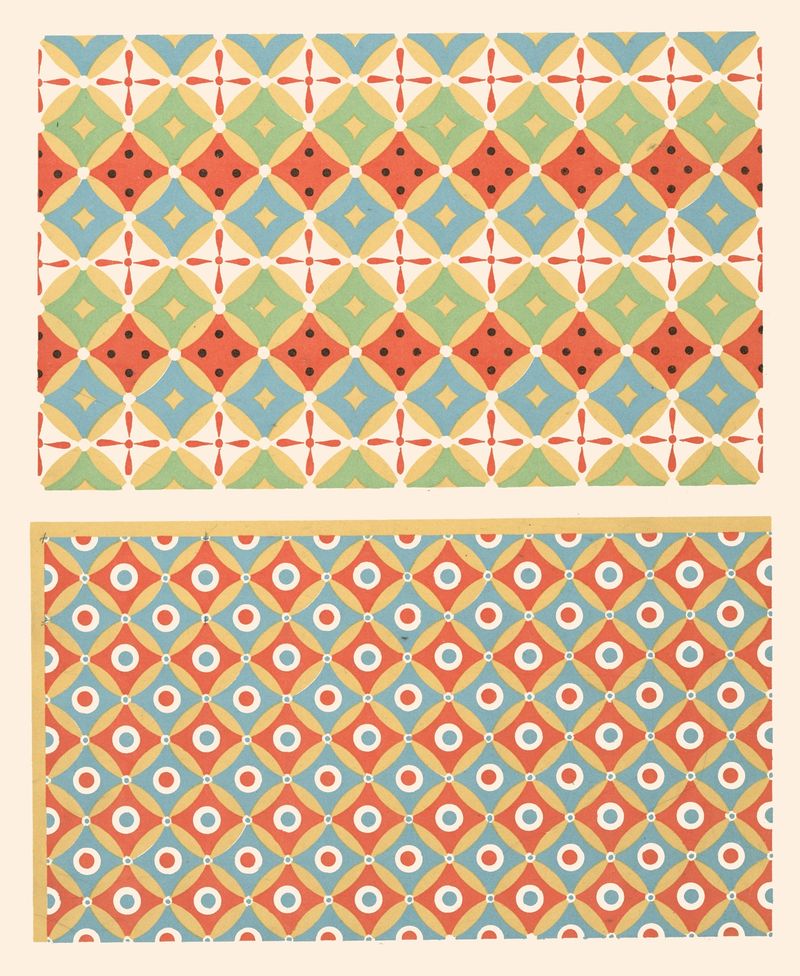
27. Plafond du Tombeau de Nekht-Mîn (n° 87), 28. Plafond du Tombeau n° 91 (Anonyme)
Gustave Jéquier
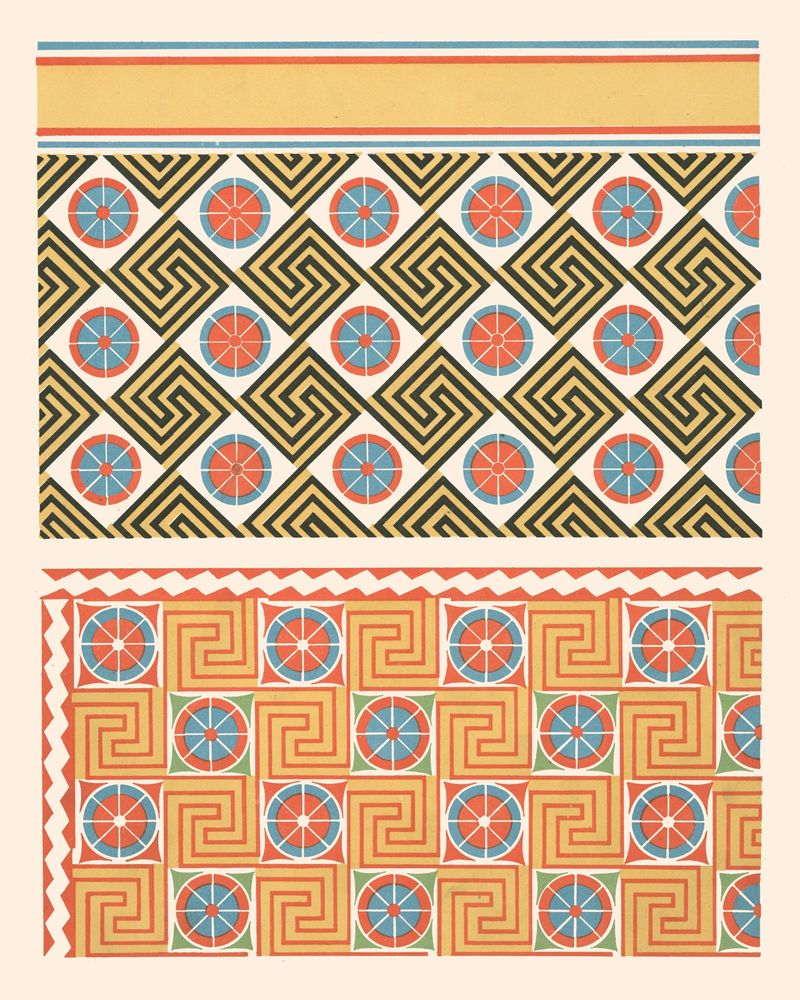
38. Plafond du Tombeau D’anna (n° 81), 39. Plafond du Tombeau de Senmout (n° 71)
Gustave Jéquier
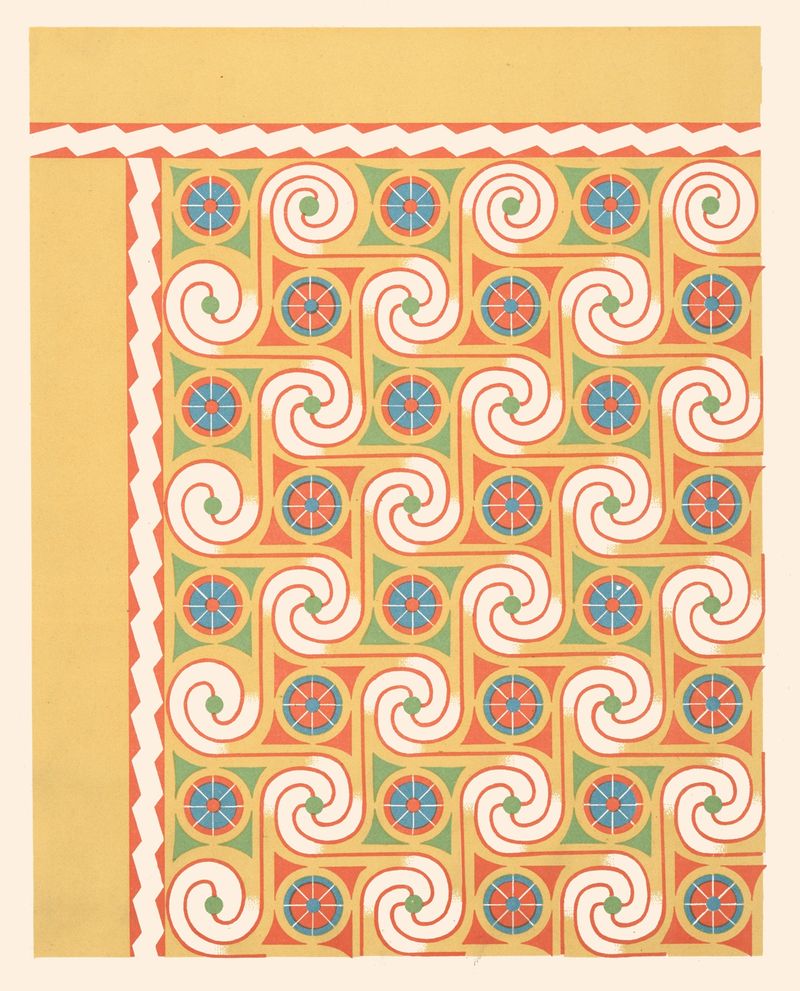
34. Plafond du Tombeau de Senmout (n° 71)
Gustave Jéquier
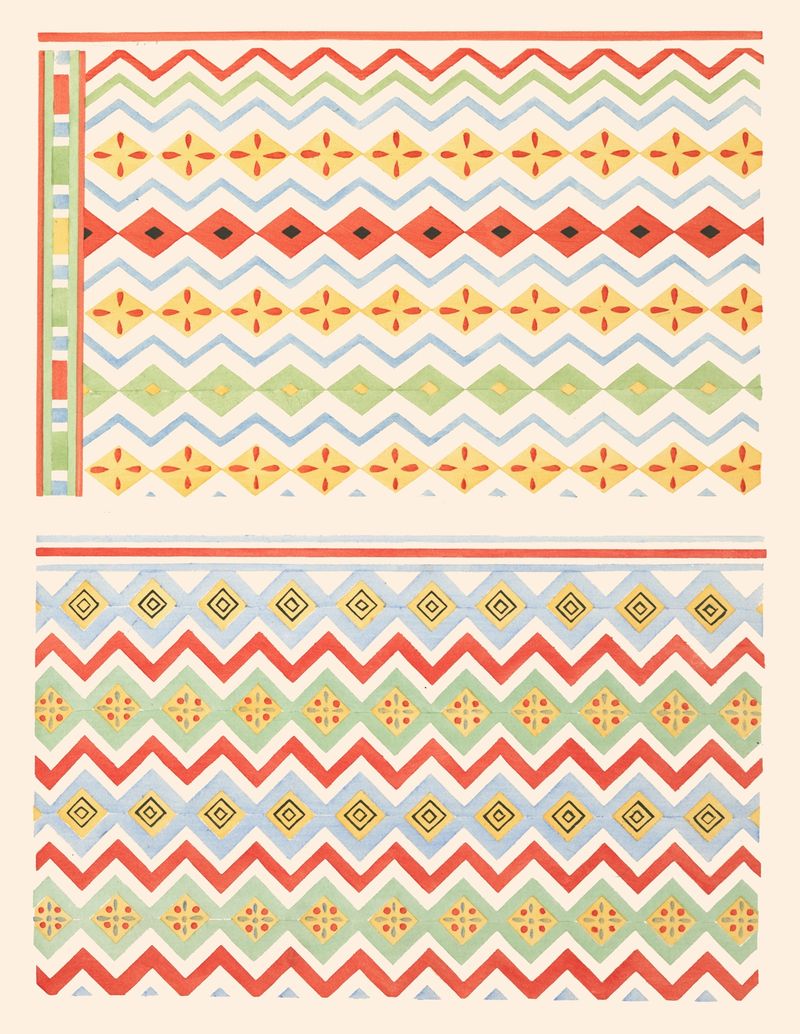
7. Plafond du Tombeau D’amenemant (n° 58), 8. Plafond du Tombeau de Pehsoukehr (n° 88)
Gustave Jéquier
More Religious Art
Browse all →
The Return of the Prodigal Son
Rembrandt van Rijn

The Garden of Earthly Delights
El Bosco

Count Orgaz’ funeral
El Greco

The Hundred Guilder Print: the central piece with Christ preaching, the plate arched
Rembrandt van Rijn

The Descent from the Cross
Rogier van der Weyden

The return of the prodigal son
Rembrandt van Rijn