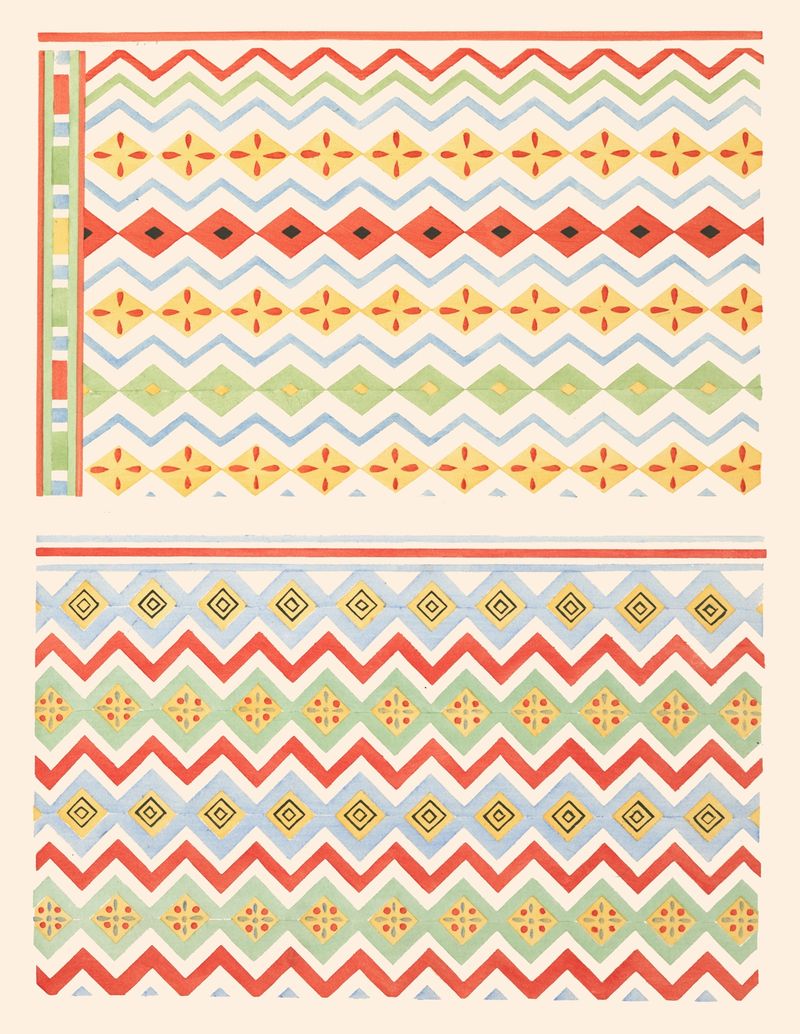
47. Plafond du Tombeau de Nesi-pa-Noferher (n° 68) — History & Facts
Can beauty exist without sorrow? In the delicate interplay of colors and forms, an echo of time reverberates through the stillness of the piece, inviting us to ponder the cycles of existence. Focus on the intricate patterns that dance across the surface, drawing your eye first to the masterful arrangement of floral motifs. Notice how the soft blues and muted golds create a sense of calm yet contrast with the sharp angles of the surrounding architecture. Each element feels intentional, as if painstakingly placed to guide the viewer through a journey that intertwines life and decay, each brushstroke whispering tales of both triumph and loss. As you delve deeper, observe the subtle wear of color at the edges, a poignant reminder of time’s relentless march.
This art piece embodies not just beauty, but the weight of history; it confronts us with the notion that every vibrant bloom is shadowed by the inevitability of change. The harmony of the design captures an emotional tension, a juxtaposition of joy and melancholy that resonates with the viewer, echoing the transient nature of life itself. Created in 1911, this work comes from a period of profound exploration in Jéquier's life, as he navigated the resurgence of interest in ancient Egyptian motifs amidst the broader Art Nouveau movement. Residing in Paris, he was surrounded by a vibrant art scene that sought to blend historical influences with contemporary aesthetics, making this piece a pivotal reflection of his artistic evolution during this transformative time.
More Artworks by Gustave Jéquier
Browse all →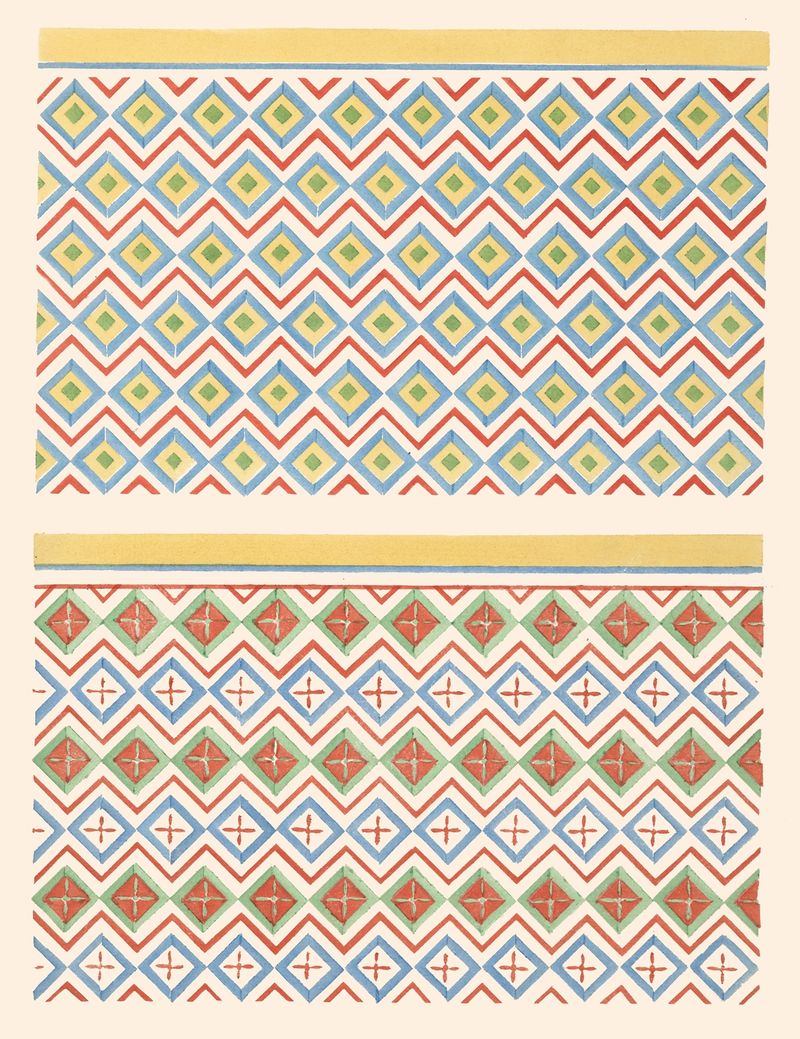
9. Plafond du Tombeau de Hapousenb (n° 67), 10. Plafond du Tombeau D’amounzeh (n° 84)
Gustave Jéquier

22. Plafond du Tombeau de Hiq-er-Neheh (n°64), 23. Plafond du Tombeau de Tenna (n° 76)
Gustave Jéquier
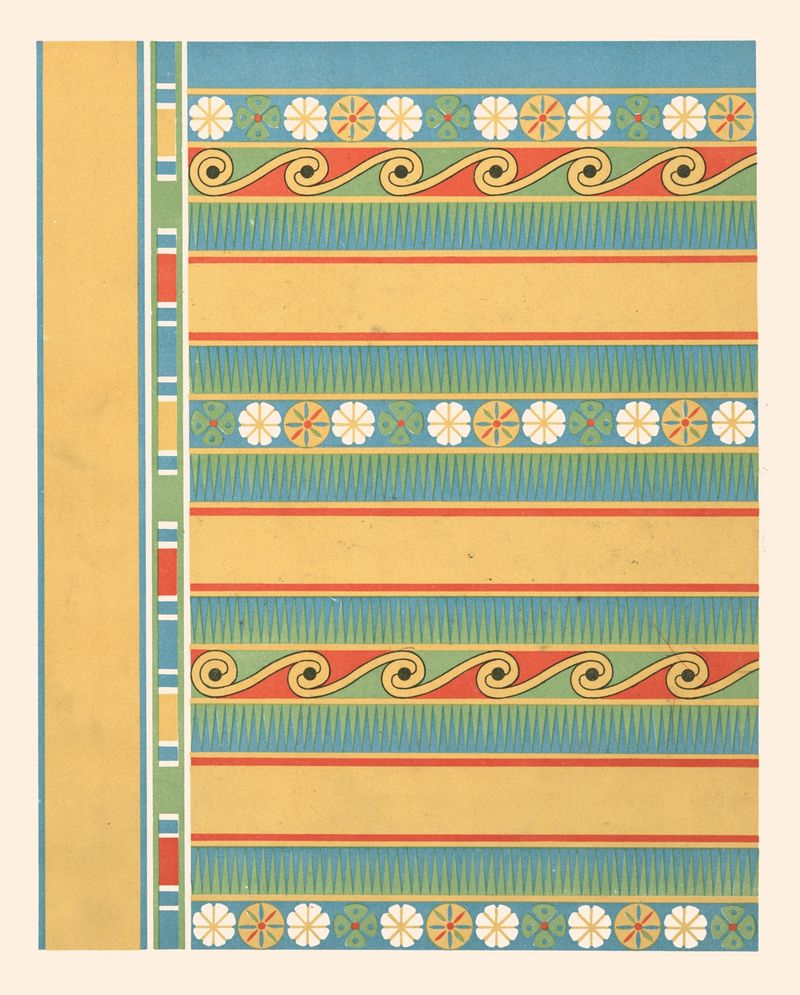
49. Plafond du Tombeau de Nesi-pa-Noferher (n° 68)
Gustave Jéquier
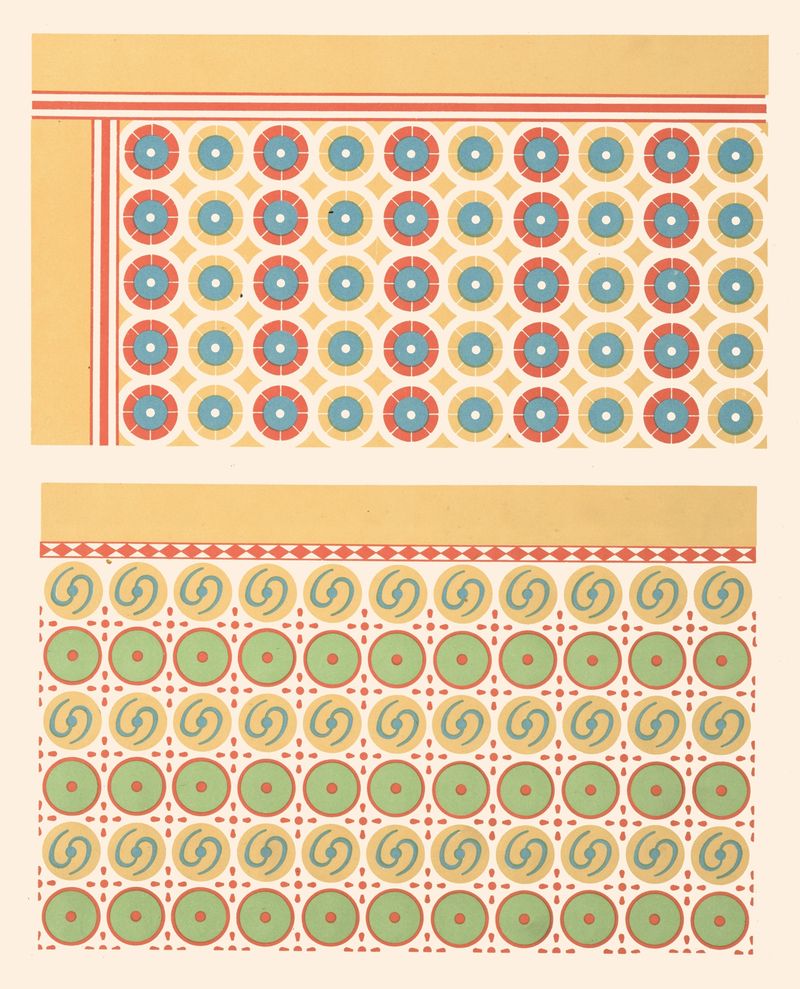
20. Plafond du Tombeau D’amenheb (n° 90), 21. Plafond du Tombeau de Menkheper (n° 79)
Gustave Jéquier
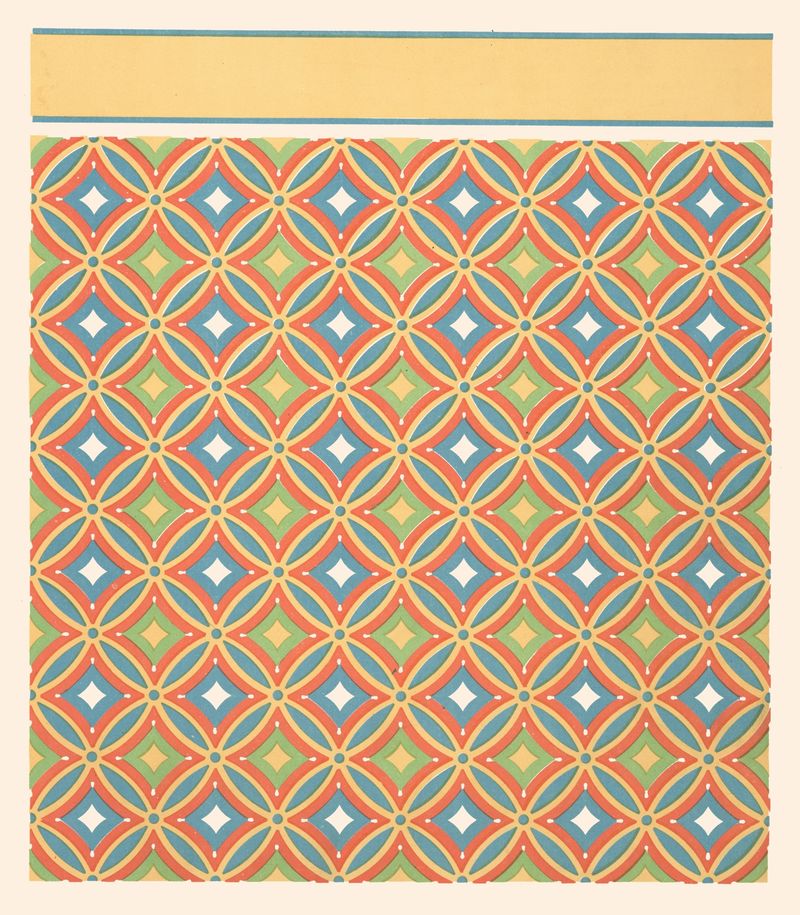
29. Plafond du Tombeau D’amenemhat (n° 82)
Gustave Jéquier
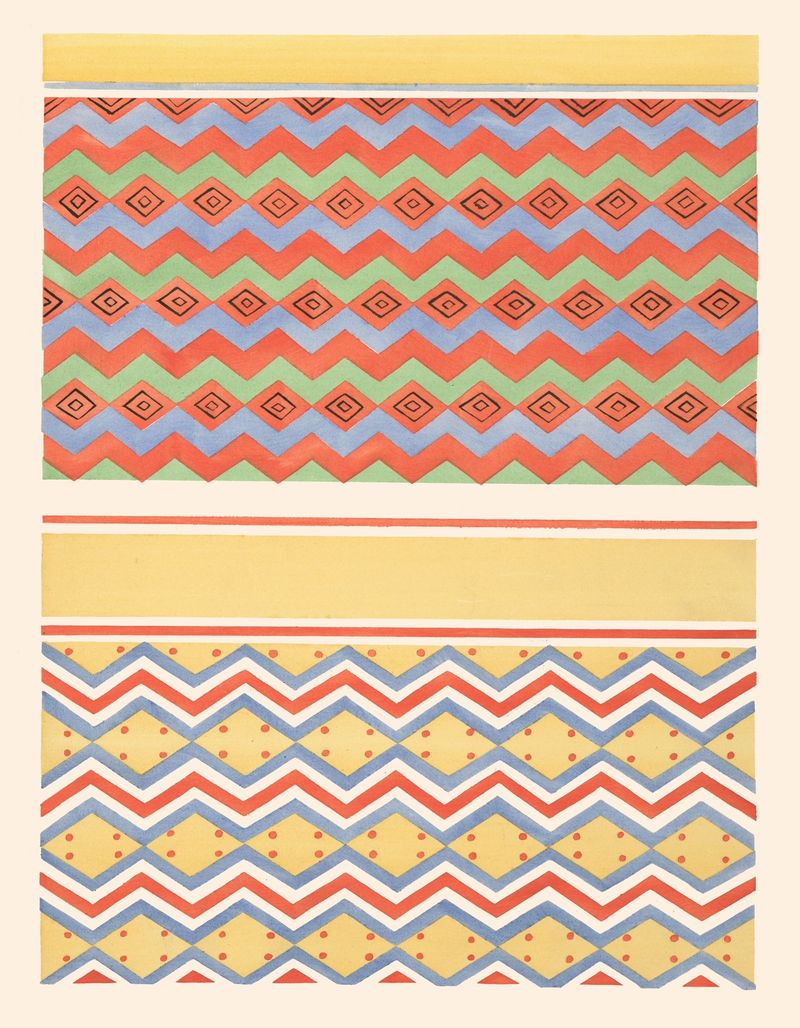
5. Plafond du Tombeau D’amounzeh (° 84), 6. Plafond du Tombeau D’amenemheb
Gustave Jéquier
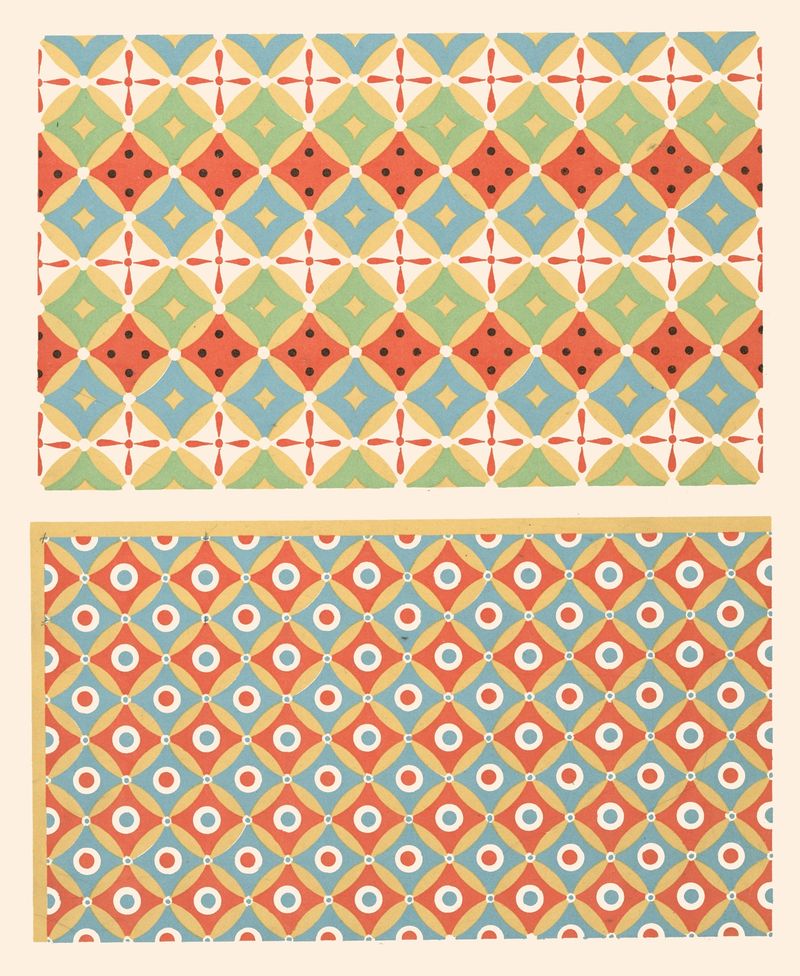
27. Plafond du Tombeau de Nekht-Mîn (n° 87), 28. Plafond du Tombeau n° 91 (Anonyme)
Gustave Jéquier
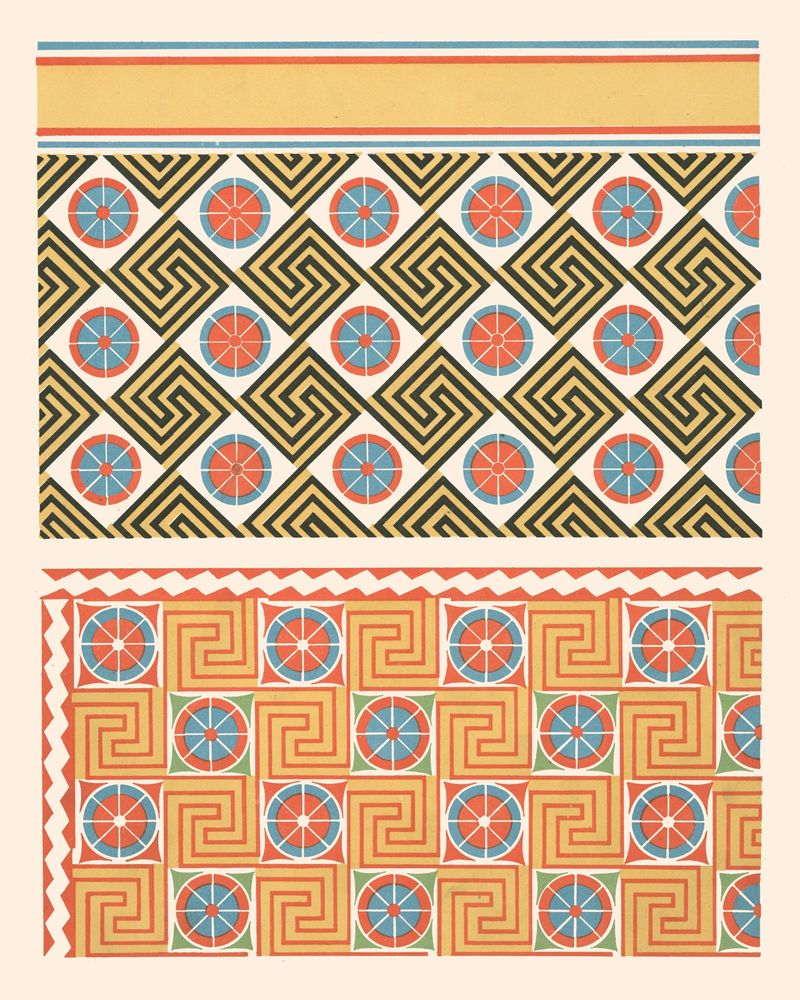
38. Plafond du Tombeau D’anna (n° 81), 39. Plafond du Tombeau de Senmout (n° 71)
Gustave Jéquier
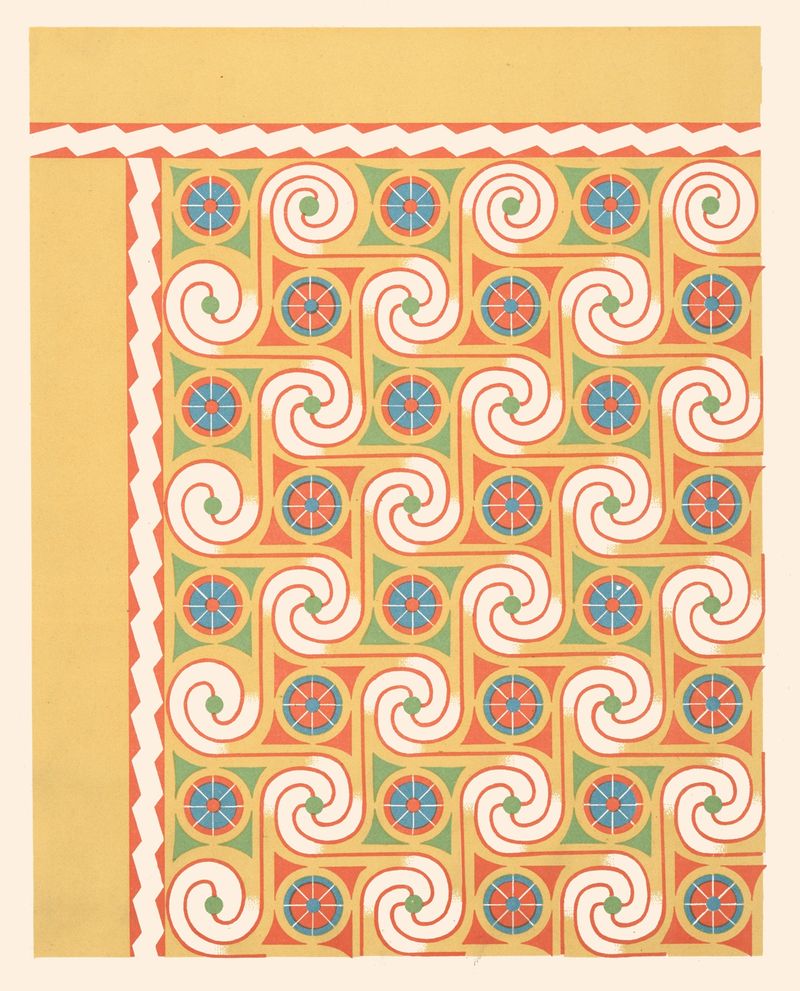
34. Plafond du Tombeau de Senmout (n° 71)
Gustave Jéquier
7. Plafond du Tombeau D’amenemant (n° 58), 8. Plafond du Tombeau de Pehsoukehr (n° 88)
Gustave Jéquier