
A Derrubada — History & Facts
What first catches the eye in A Derrubada is the force straining through every figure and animal, each muscle and horn pulled into the drama of the moment. The painting draws the viewer into the thick of the action, where a team of oxen, mottled and powerful, are urged forward by two men wielding long poles. One stands at the head of the animals, his posture tense and commanding, while the other rides high on a cart laden with felled logs, his arms raised in a gesture that is both directive and desperate.
The dog at the oxen’s feet, alert and intent, signals the urgency of the task, while the churned earth and scattered rocks at the foreground root the scene in physical struggle. Above it all, a sky streaked with smoke and cloud hints at the scale of transformation underway. Painted in 1930, this work by Antonio Parreiras belongs to a tradition of Brazilian painting that grappled with the realities of rural labor and the transformation of the landscape. The title, meaning “the clearing,” alludes to the process of opening land for agriculture or timber, a theme resonant with the country’s rapid modernization and the relentless push into the interior.
Such scenes were often commissioned or collected to assert the value of progress and the heroism of labor, especially in a period marked by both pride and anxiety over national identity. While history has kept few traces of this specific painting’s journey, its presence in a collection today invites us to look again at the cost and ambition etched into every figure and furrow.
More Artworks by Antonio Parreiras

The Gale
Antonio Parreiras
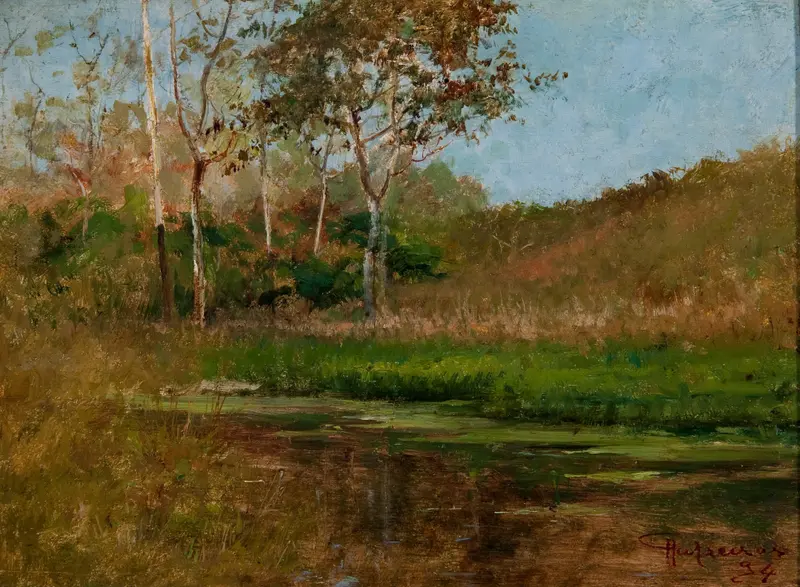
Still Water
Antonio Parreiras
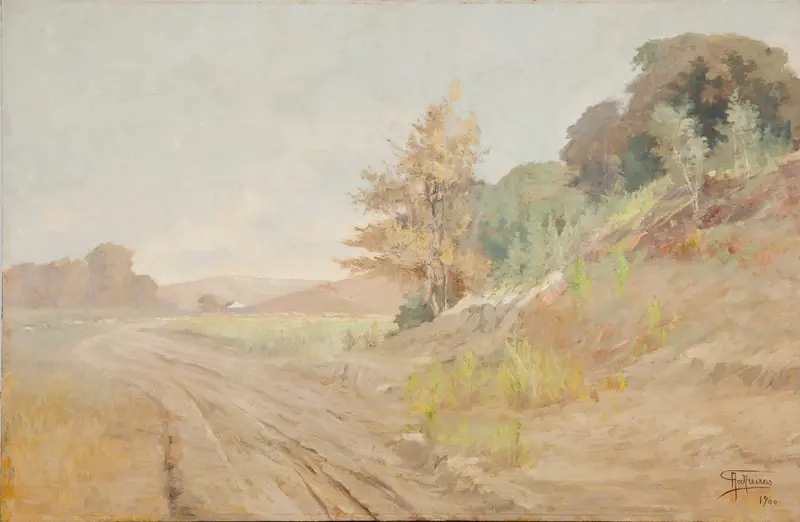
Hazy Day
Antonio Parreiras
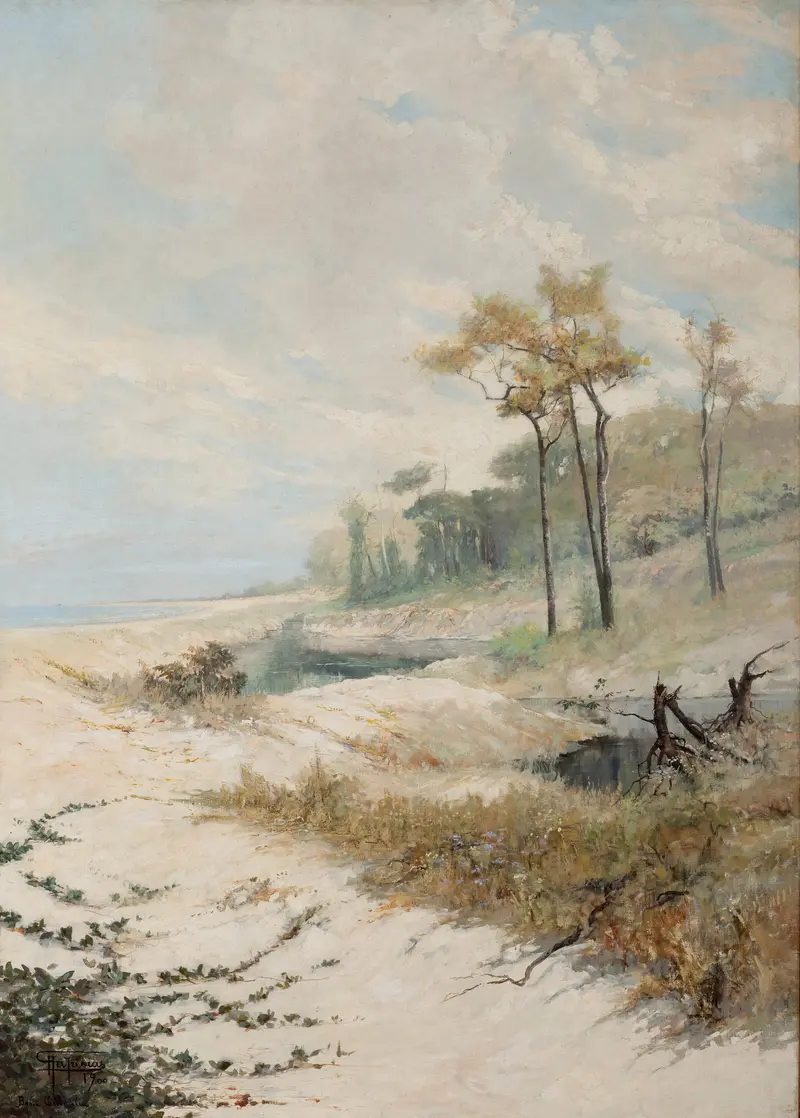
Cabrália Bay
Antonio Parreiras
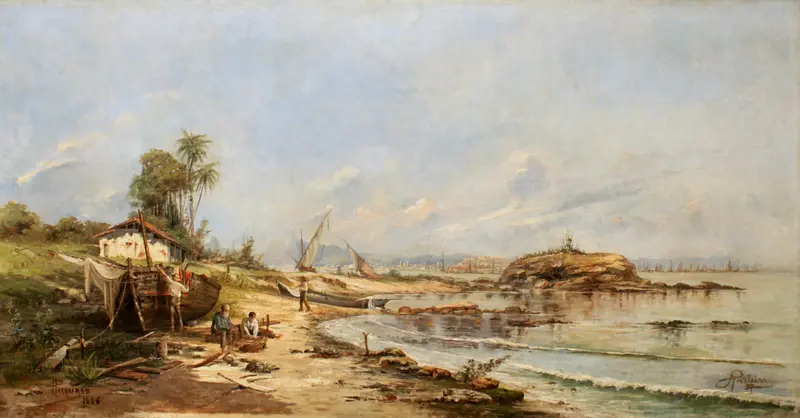
Gragoatá after the storm
Antonio Parreiras

Funeral in San Donà, Italy
Antonio Parreiras
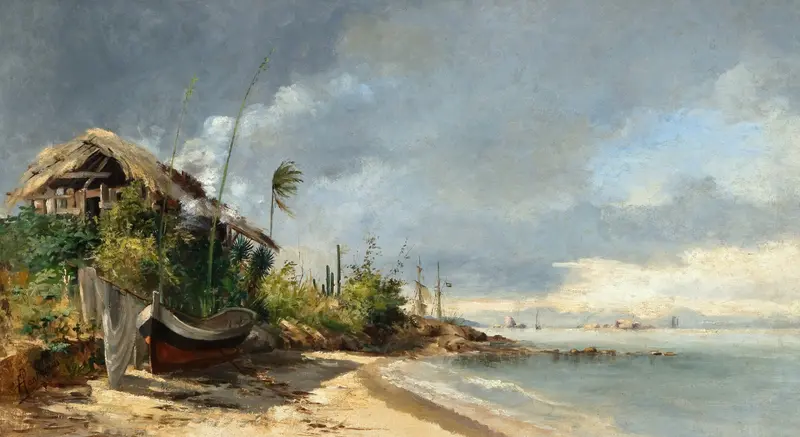
A View of the Beach, São Domingos, Niterói, RJ
Antonio Parreiras
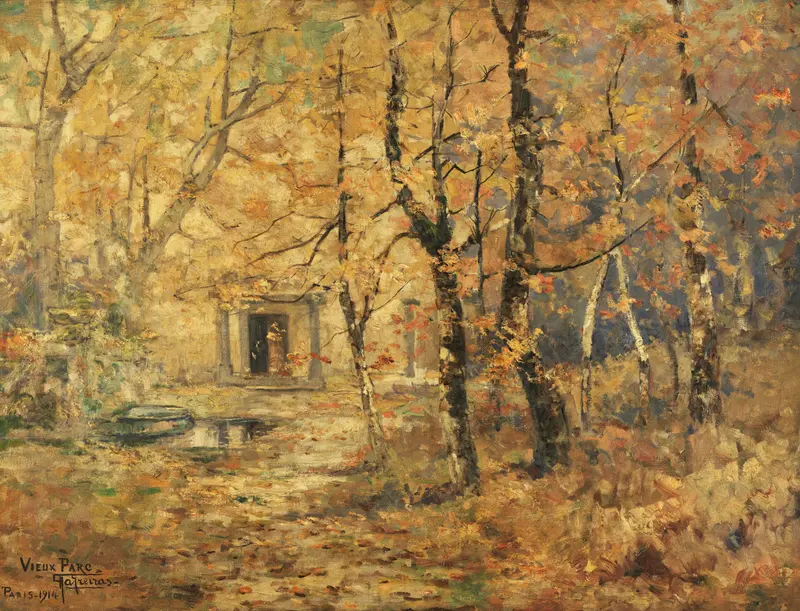
Vieux Parc, Paris
Antonio Parreiras
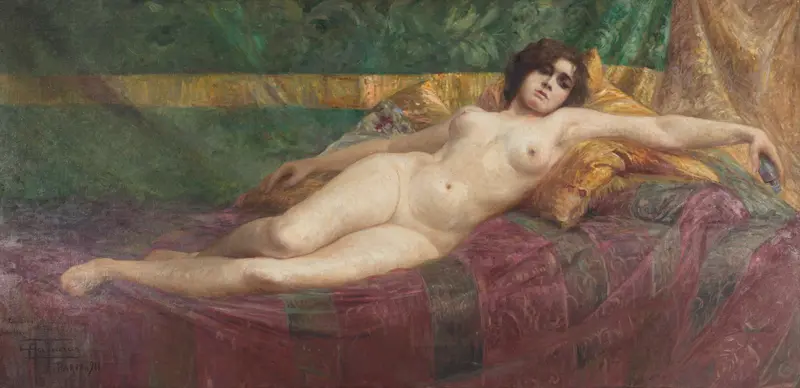
Sorrowful
Antonio Parreiras
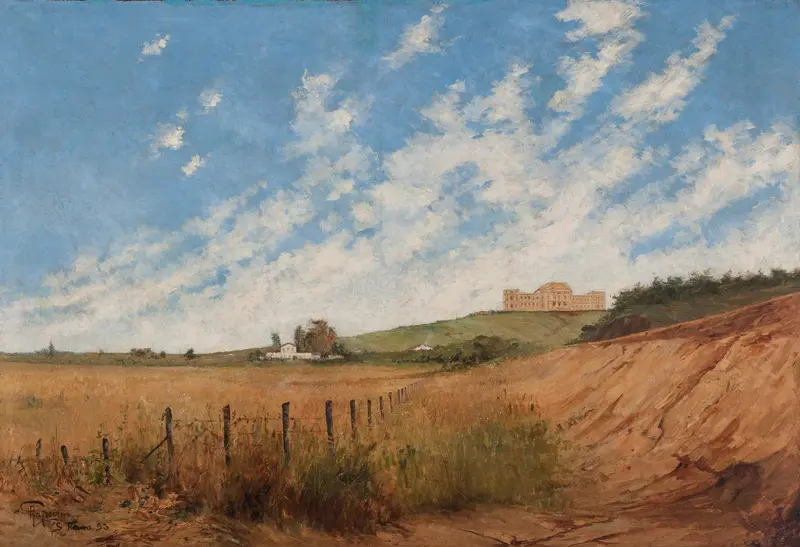
Paisagem do Campo do Ipiranga
Antonio Parreiras
More Genre Scene Art

Banquet of the Officers of the St George Civic Guard
Frans Hals

Rembrandt and Saskia in the Scene of the Prodigal Son
Rembrandt van Rijn

Bal du moulin de la Galette
Pierre-Auguste Renoir

Quadrille at the Moulin Rouge
Henri de Toulouse-Lautrec

A Burial at Ornans
Gustave Courbet

When Will You Marry?
Paul Gauguin