
A dune landscape with a distant view of Haarlem — History & Facts
Could beauty survive in a century of chaos? In a world marred by conflict and upheaval, the extraordinary landscapes of the Dutch master offer a glimpse of enduring legacy. Look to the horizon where rolling dunes cradle the distant city of Haarlem. The soft, muted greens of the grassy mounds contrast starkly with the deep blues of the sky, inviting your gaze to drift toward the delicate clouds that hover above. Notice how the light dances across the sand, illuminating the intricate textures that define the surface, while shadows linger, suggesting the sublime passage of time.
Each brushstroke reveals the artist's meticulous attention to detail, crafting a serene yet powerful composition that speaks to the beauty of nature. As you delve deeper into the scene, consider the juxtaposition of the tranquil landscape against the backdrop of human life. The distant city, though faint, hints at the vibrancy of urban existence, suggesting a tension between the calm of nature and the bustling world beyond. The vast emptiness of the dunes evokes a sense of solitude, while the presence of Haarlem serves as a reminder of humanity’s indelible mark upon the earth.
This delicate balance between peace and chaos epitomizes the emotional weight carried within the canvas. Created in 1652, this piece emerged during a time of prosperity for the Dutch Republic, yet also amidst the lingering shadows of war. Van Ruisdael, deeply immersed in the tradition of landscape painting, sought to capture not just the physical beauty of his surroundings in Haarlem, but also the essence of resilience that thrives despite adversity. His work reflects the broader artistic movement of the time, which embraced nature as both a subject of admiration and a symbol of hope amidst societal turmoil.
More Artworks by Jacob van Ruisdael
Browse all →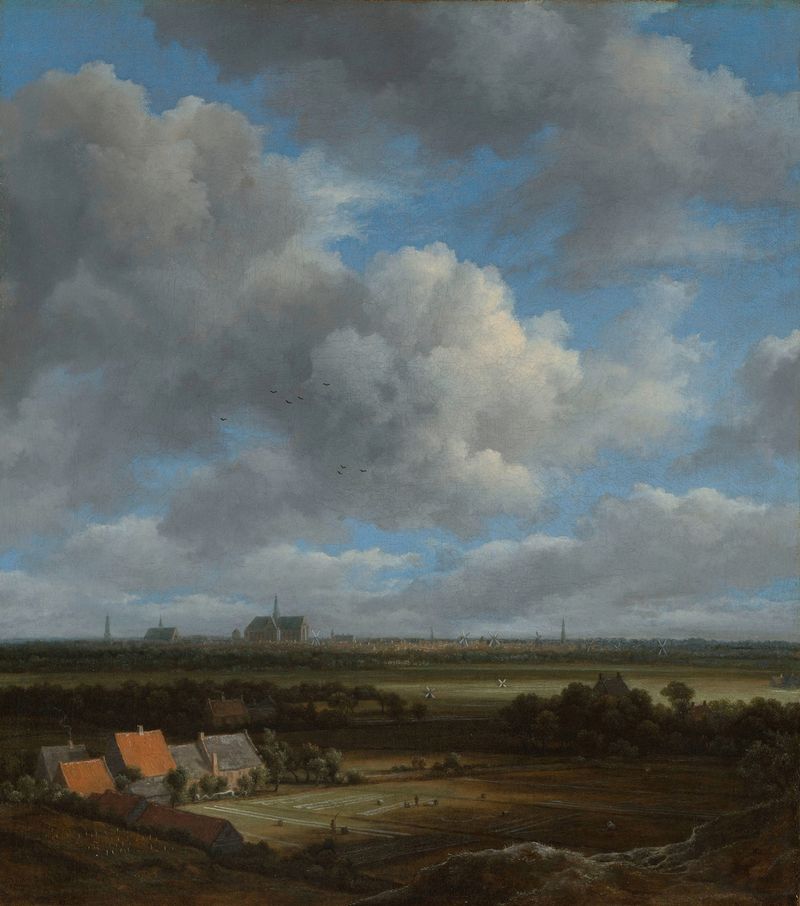
View of Haarlem from the Northwest, with the Bleaching Fields in the Foreground
Jacob van Ruisdael
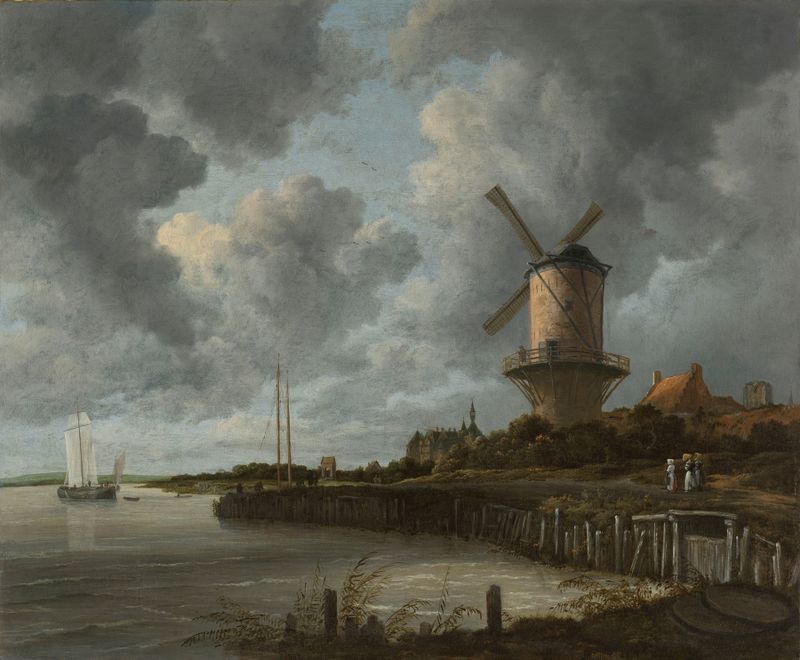
The Windmill at Wijk bij Duurstede
Jacob van Ruisdael
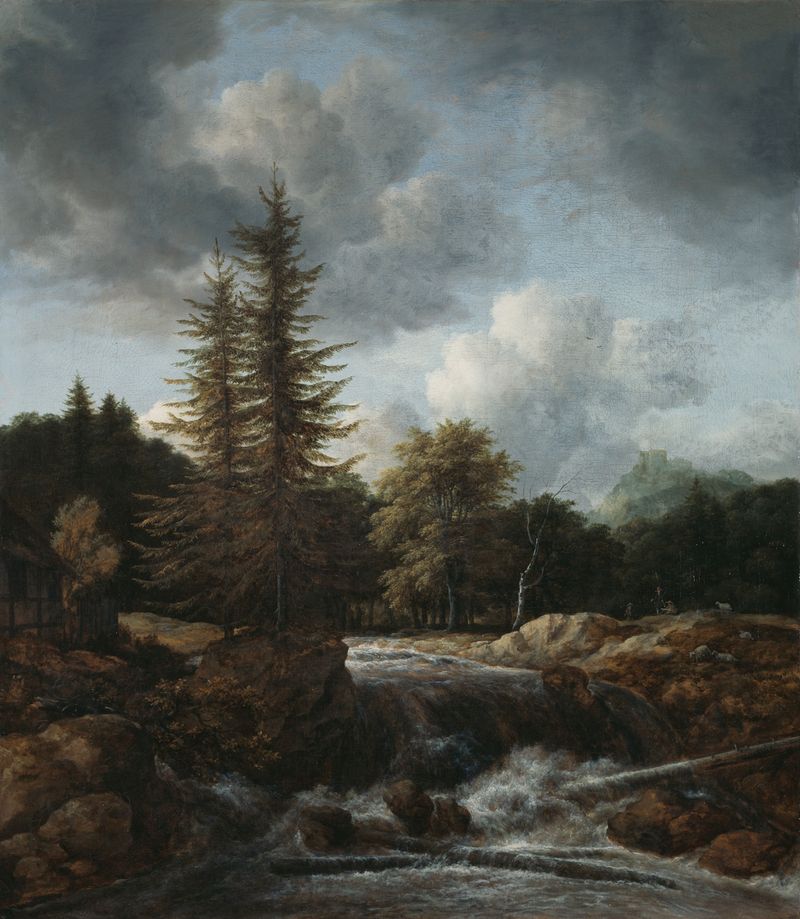
Landscape with Waterfall
Jacob van Ruisdael
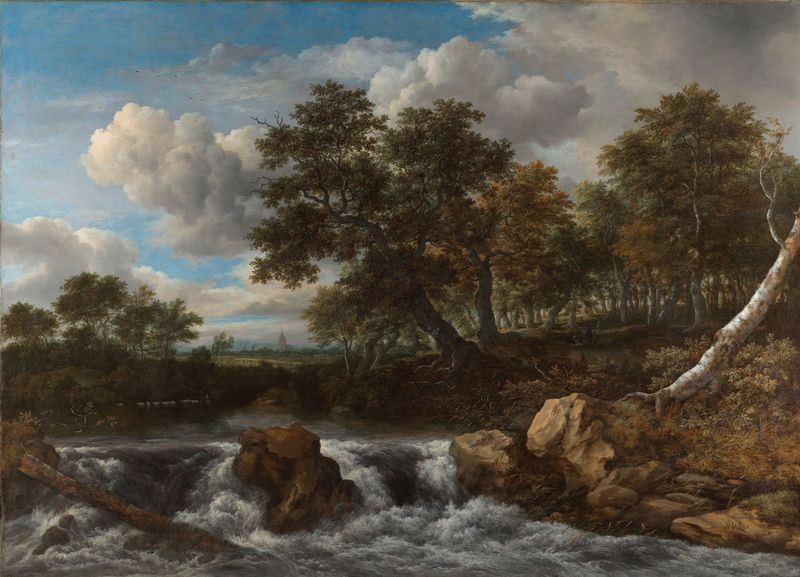
Landscape with Waterfall
Jacob van Ruisdael
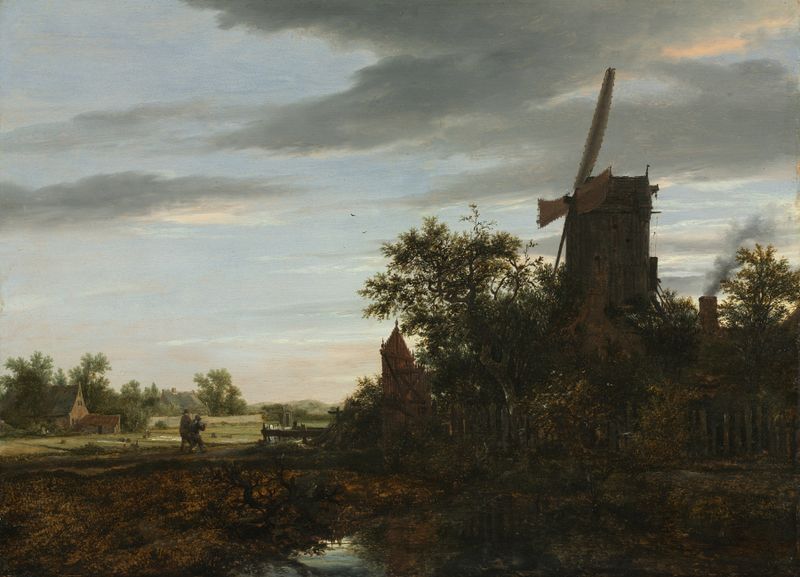
Landscape with a Windmill
Jacob van Ruisdael

Wooded hillside with a view of Bentheim Castle
Jacob van Ruisdael
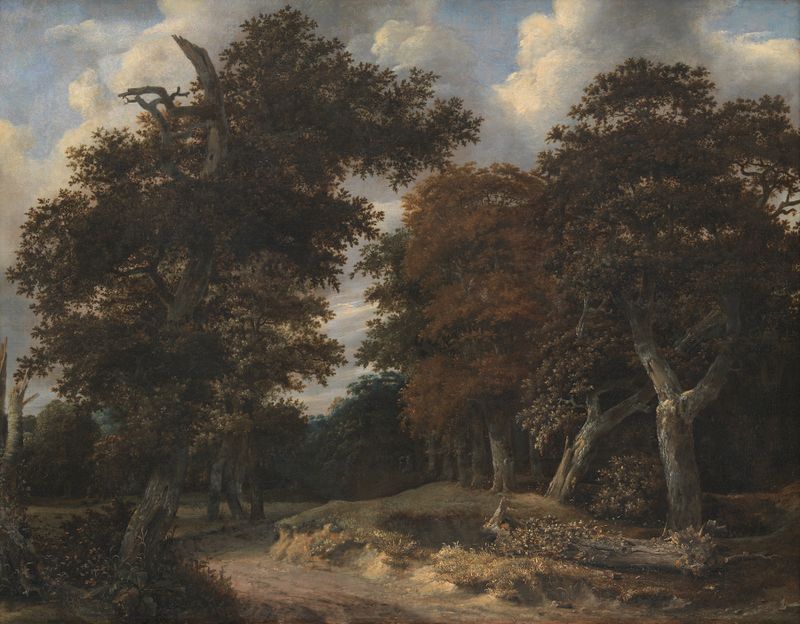
Road through an Oak Forest
Jacob van Ruisdael

Landscape with a Church
Jacob van Ruisdael

The Forest Stream
Jacob van Ruisdael

The Jewish Cemetery
Jacob van Ruisdael





