
A Fete at the Tuileries — History & Facts
The first thing to catch the eye in A Fete at the Tuileries is the swirl of color and movement, as if the painter has captured not just a scene but the very sensation of mingling in a grand crowd. The brushwork is loose, almost feverish, with creamy whites and blush pinks building up the billowing skirts of the women who dominate the foreground. Faces are mere hints, but the suggestion of elegant posture and clustered conversation is unmistakable.
Above, a canopy of green and russet sweeps across the canvas, suggesting the shelter of trees and the warmth of dusk. The light seems to flicker across the surface, drawing the viewer’s gaze from the intricate textures of the dresses up into the airy, festive space above. Painted in the 19th century, this work belongs to a world where public gardens like the Tuileries in Paris became stages for society’s rituals and pleasures. Such scenes were favored by artists seeking to capture the new rhythms of urban life, as the city’s bourgeoisie gathered for promenades, music, and spectacle.
While little is recorded about this particular painting’s journey, its presence in the collection of Te Papa Tongarewa speaks to the enduring fascination with moments of leisure and display from this era. The brushwork, more suggestive than descriptive, invites us to imagine ourselves in the crowd—part of the fleeting brilliance of a fête that is both distant and strangely immediate.
More Artworks by Adolphe Monticelli

Portrait of a Lady
Adolphe Monticelli
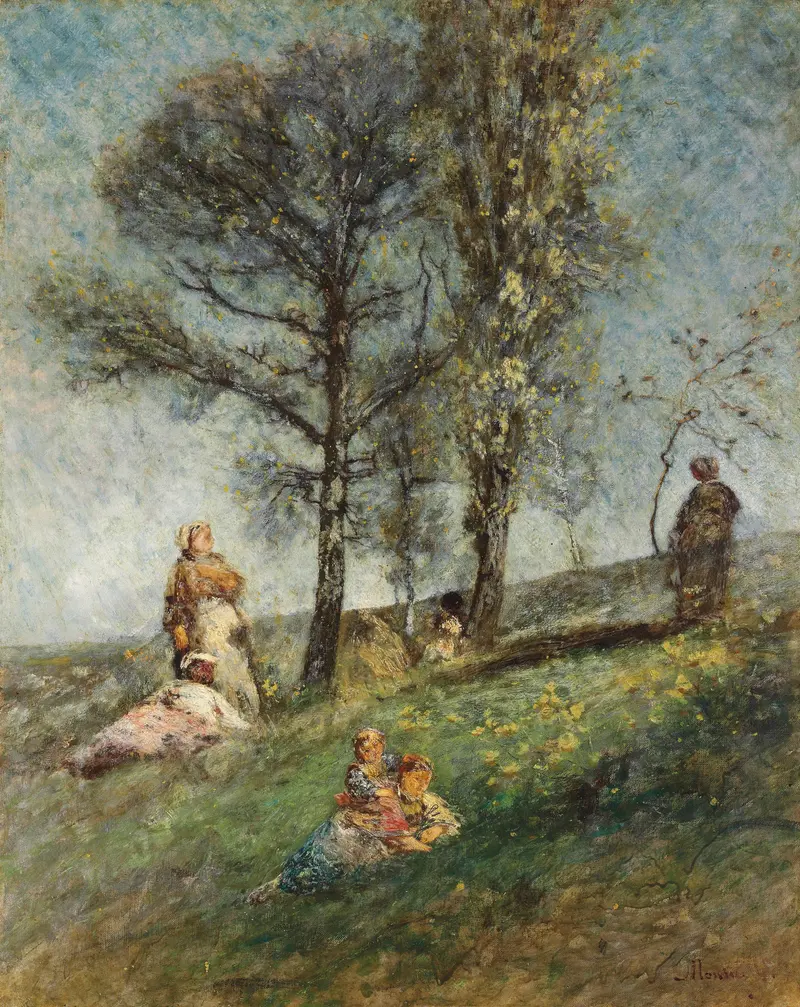
A Young Family Under Trees On A Hill
Adolphe Monticelli

Fête d'Après-Midi
Adolphe Monticelli
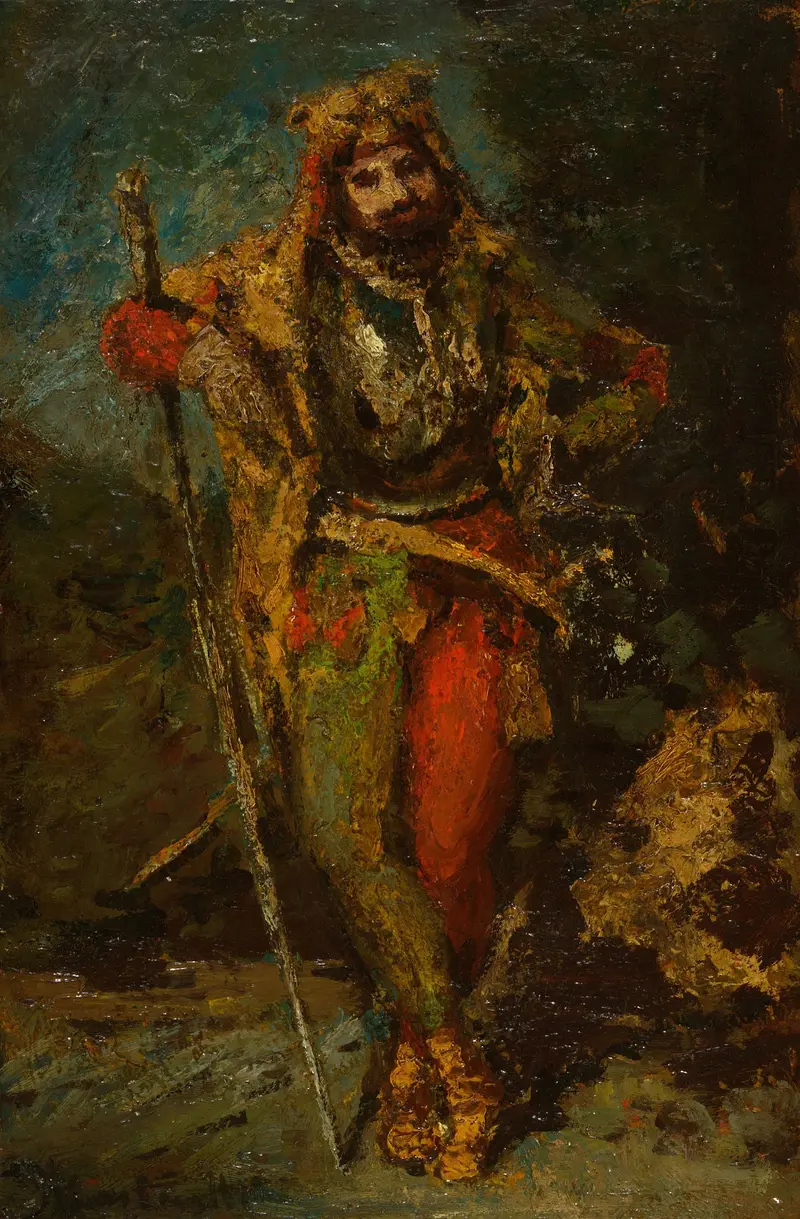
Mephisto from the Opera Faust
Adolphe Monticelli
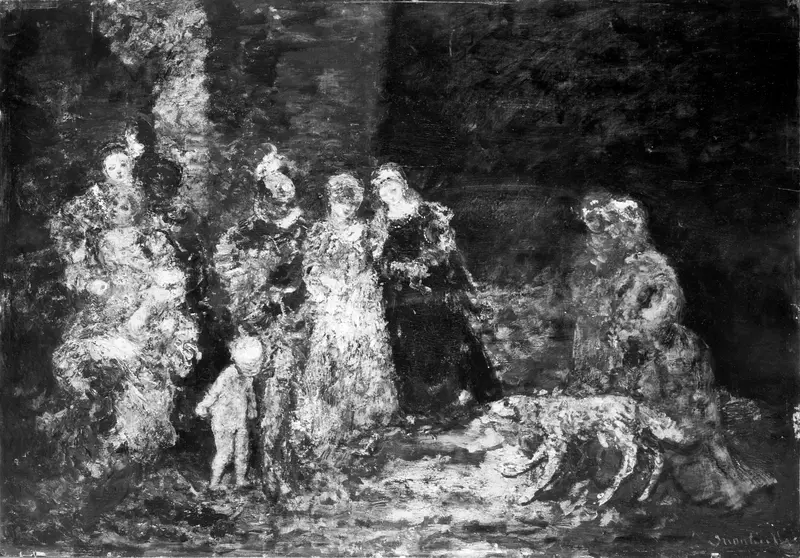
The Fairies
Adolphe Monticelli
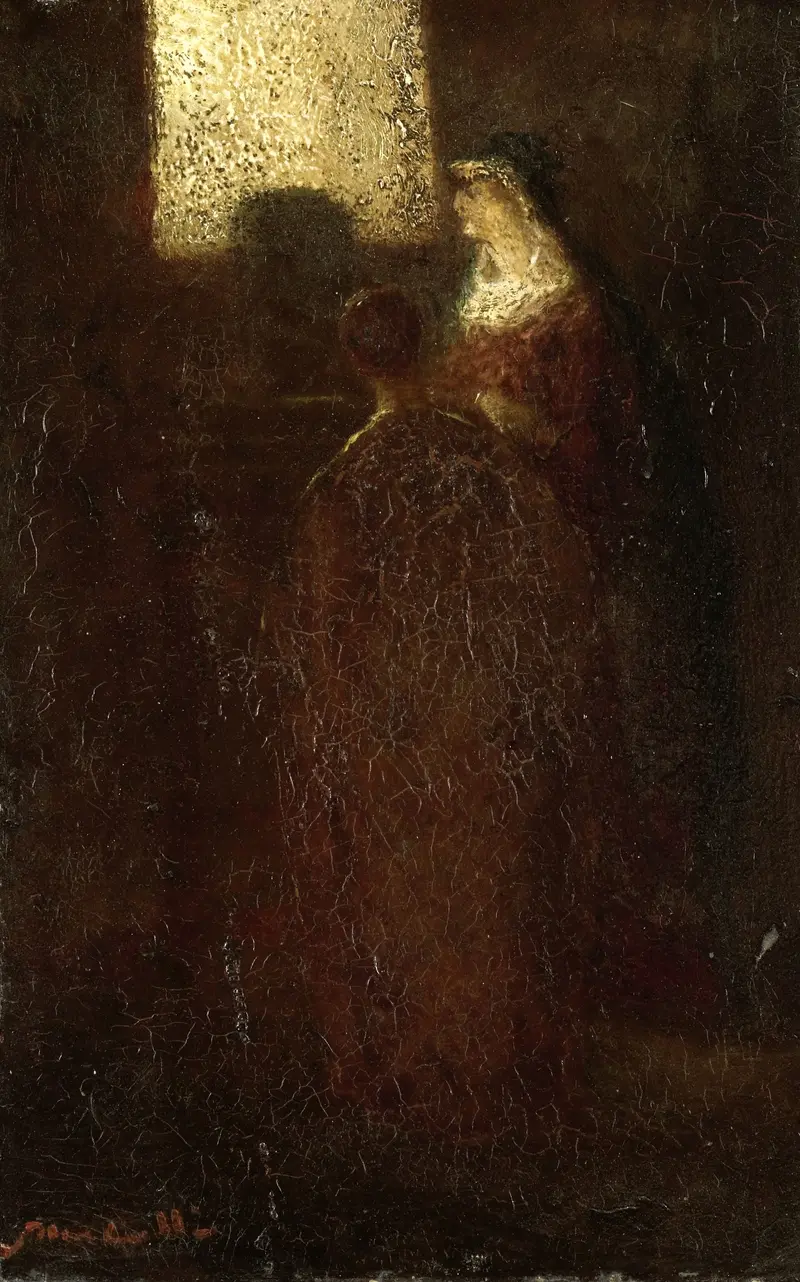
Aan het altaar
Adolphe Monticelli
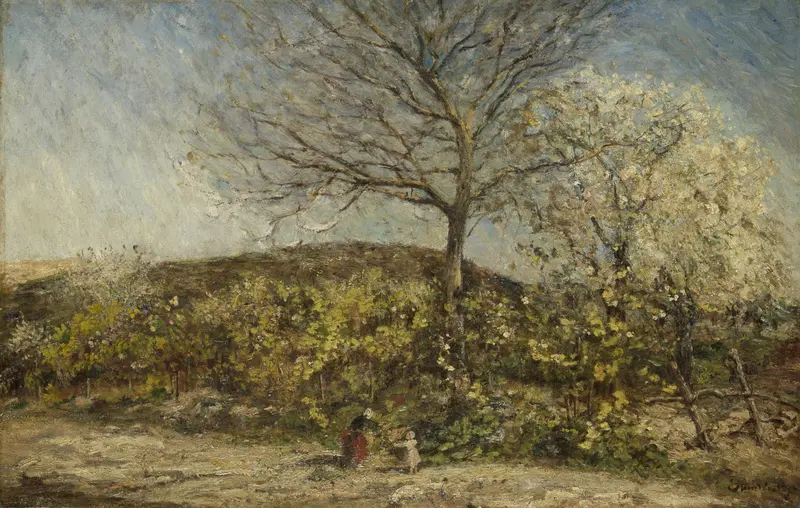
Landschap met bloeiende boomgaard
Adolphe Monticelli
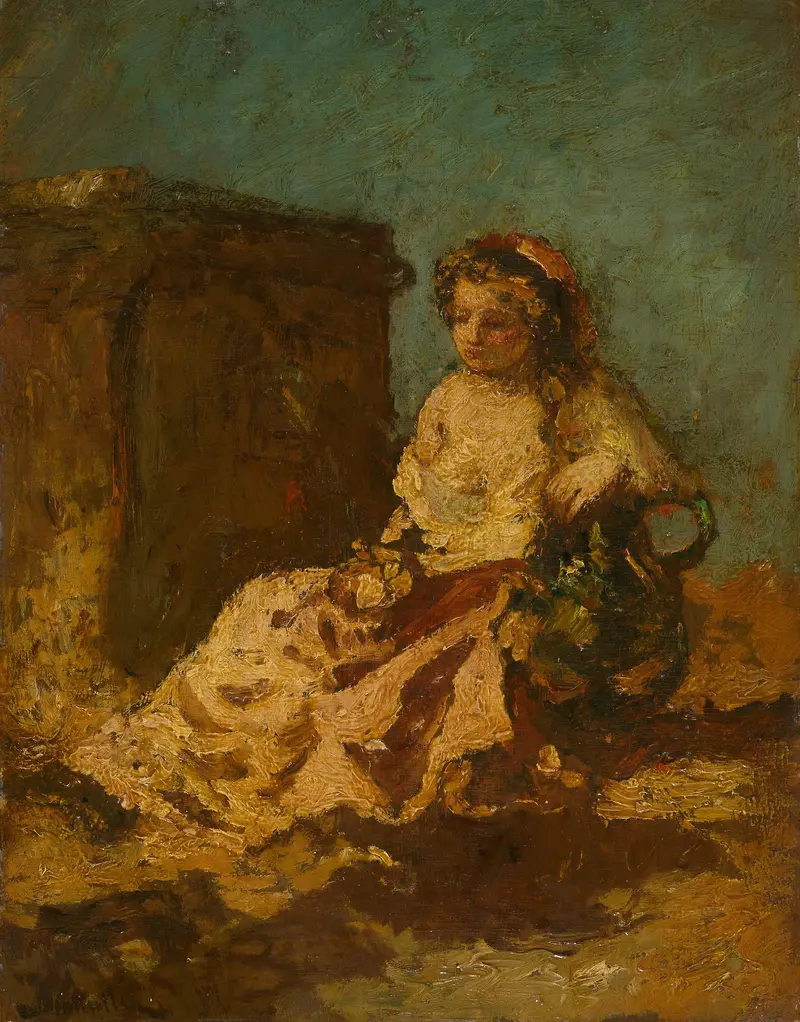
Meditation (Seated Woman)
Adolphe Monticelli
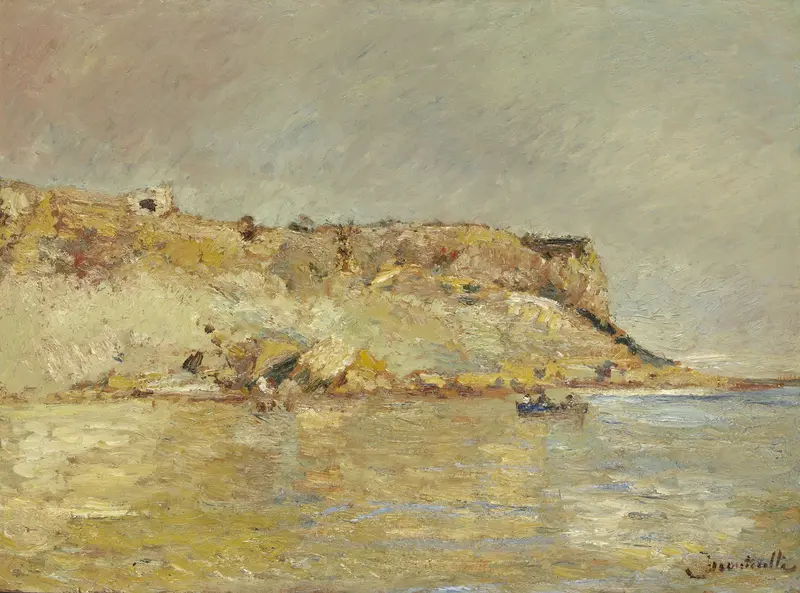
Coastal Mountains
Adolphe Monticelli
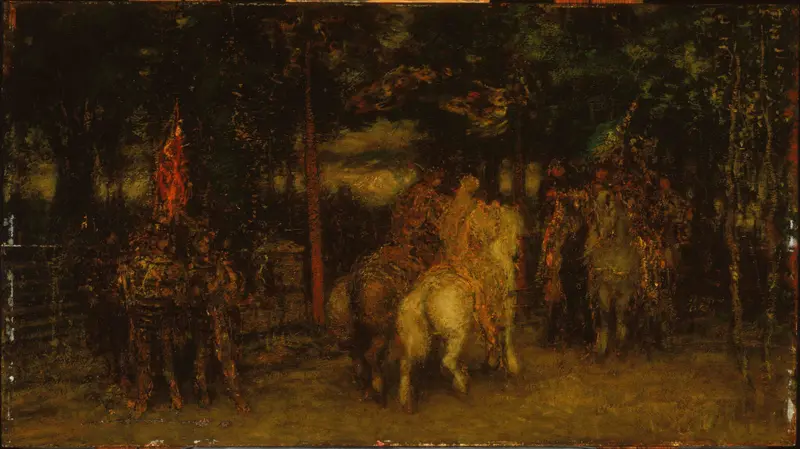
Landscape with Figures
Adolphe Monticelli
More Genre Scene Art

Banquet of the Officers of the St George Civic Guard
Frans Hals

Rembrandt and Saskia in the Scene of the Prodigal Son
Rembrandt van Rijn

Bal du moulin de la Galette
Pierre-Auguste Renoir

Quadrille at the Moulin Rouge
Henri de Toulouse-Lautrec

A Burial at Ornans
Gustave Courbet

When Will You Marry?
Paul Gauguin