
A Landscape in Snowdonia with a Tree in the Foreground — History & Facts
In the stillness of winter, we find not just desolation but the promise of rebirth nestled within a stark landscape. The scene invites contemplation, revealing how nature's beauty perseveres through the cold grip of frost. Look to the foreground, where a solitary tree stands resolute against the expanse of white. Its gnarled branches contrast sharply with the smooth, undulating hills cloaked in snow, leading the viewer’s eye into the depth of the painting.
The subtle play of light highlights the tree's rugged texture, casting soft shadows that evoke a sense of solitude and strength. The cool palette of blues and whites is punctuated by warm earth tones, suggesting that even in the heart of winter, life is waiting, dormant yet alive. Hidden within this serene landscape lies a dialogue between solitude and resilience. The tree symbolizes endurance, weathering the harsh climate while standing tall amidst the tranquil chaos of white.
The sweeping curves of the distant hills suggest the cyclical nature of life, hinting that spring will eventually return to thaw the frozen earth. In this moment, the artist captures a profound contrast — the starkness of winter juxtaposed with the vibrant pulse of life that lies just beneath the surface. In 1813, Linnell painted this work during a period when Romanticism was flourishing in Britain, reflecting a growing fascination with the natural world. At the time, he was establishing his reputation as a landscape painter, drawing inspiration from the picturesque beauty of Snowdonia.
The work encapsulates his quest to convey emotional depth through nature, positioning him within the broader context of a movement that sought to elevate the ordinary landscapes into expressions of deeper human experience.
More Artworks by John Linnell
Browse all →
A View Near Hampstead
John Linnell
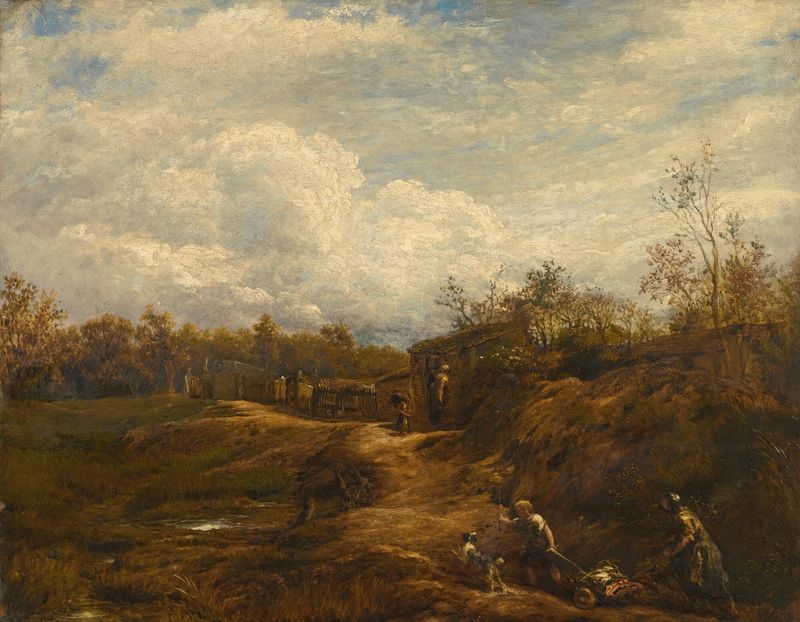
An English Landscape
John Linnell

Travelers Resting by a Fallen Tree
John Linnell
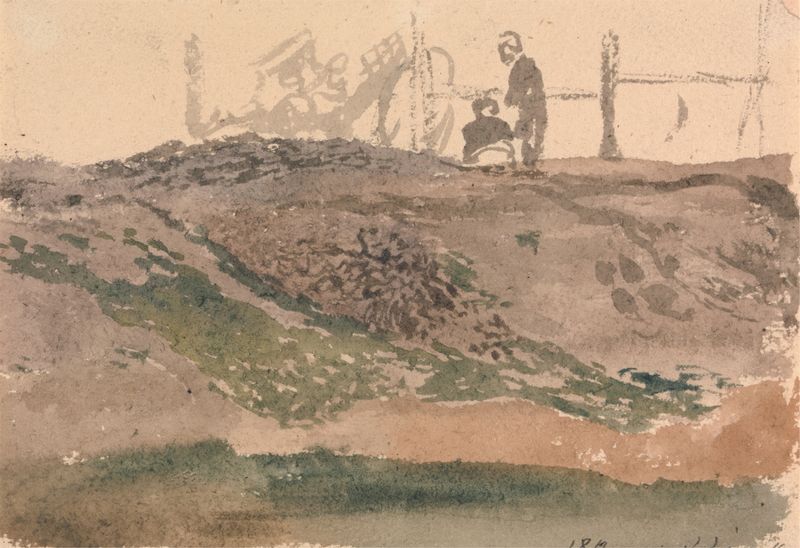
Figures on a Bank, Kensington Gravel Pits
John Linnell
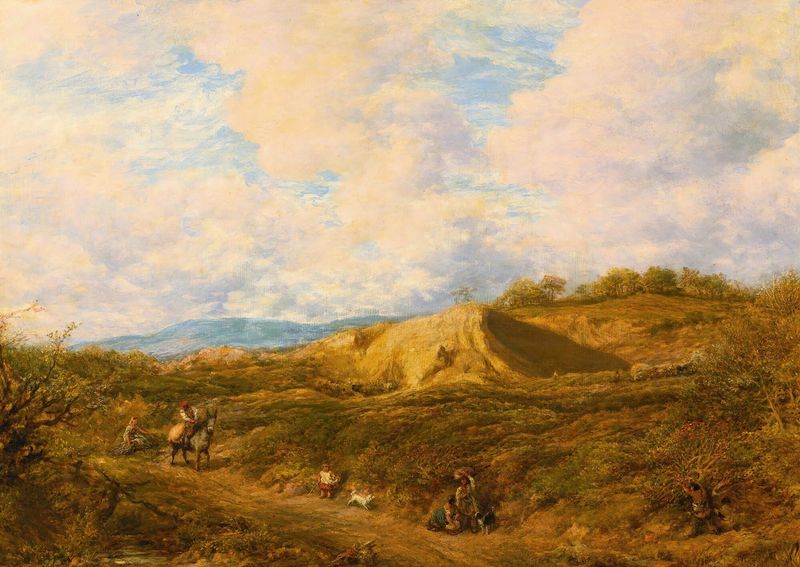
Redhill Common, Surrey
John Linnell

Netley Abbey
John Linnell

The Sand Pits, Hampstead Heath
John Linnell
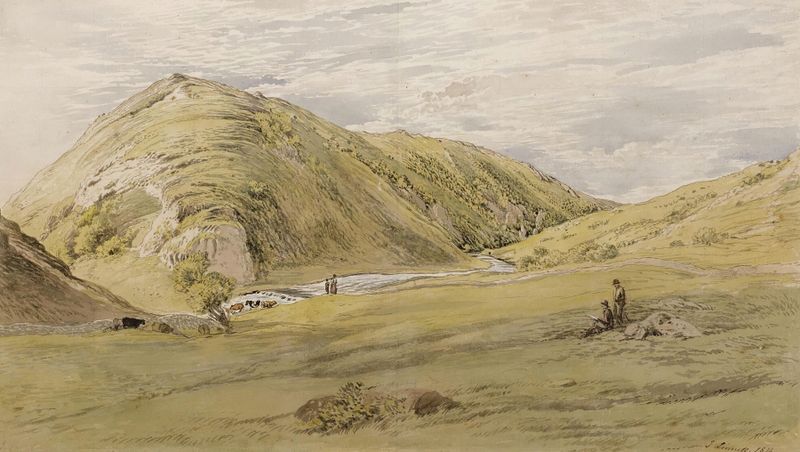
Entrance To Dovedale From Ashbourne, Derbyshire
John Linnell
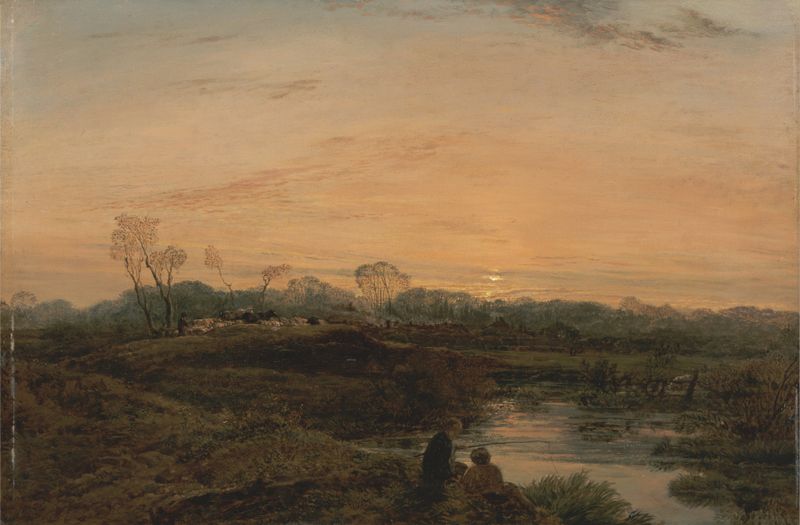
Evening, Bayswater
John Linnell

In Dovedale
John Linnell





