
A Man feeling his Purse (Touch) — History & Facts
What draws the eye first in A Man feeling his Purse (Touch) is the sly, knowing glance of the central figure, caught mid-gesture as his hand checks the safety of his purse. The man’s posture, slightly hunched and leaning forward, suggests both caution and a touch of mischief, as if he’s aware of the risks and temptations of the bustling street around him. His weathered face, rendered with quick, lively brushwork, hints at a life spent navigating such public spaces.
The light falls gently on his hat and vest, picking him out from the shadowy figures behind—a dog sniffs at the ground, a vendor bends over his wares, and the village scene hums with quiet activity. Every detail, from the scattered pottery shards to the casual tilt of the man’s cloak, serves to anchor him in the everyday world of a seventeenth-century Dutch town. Painted in the 1650s, this work belongs to the rich tradition of Dutch genre painting, where artists like Adriaen van Ostade delighted in capturing the quirks and rhythms of ordinary life. Scenes like this were popular among the burgeoning middle class, who saw their own daily concerns—money, reputation, the hazards of the marketplace—mirrored in such images.
Unlike grand history paintings, these works were meant for private enjoyment, often hung in homes as reminders of both the follies and virtues of common folk. Today, housed in the collection of the National Gallery in Prague, A Man feeling his Purse (Touch) invites us to linger over the small dramas that played out on the cobbled streets of the Dutch Golden Age, and to wonder what stories lie behind that guarded smile.
More Artworks by Adriaen van Ostade

Dans in de herberg
Adriaen van Ostade
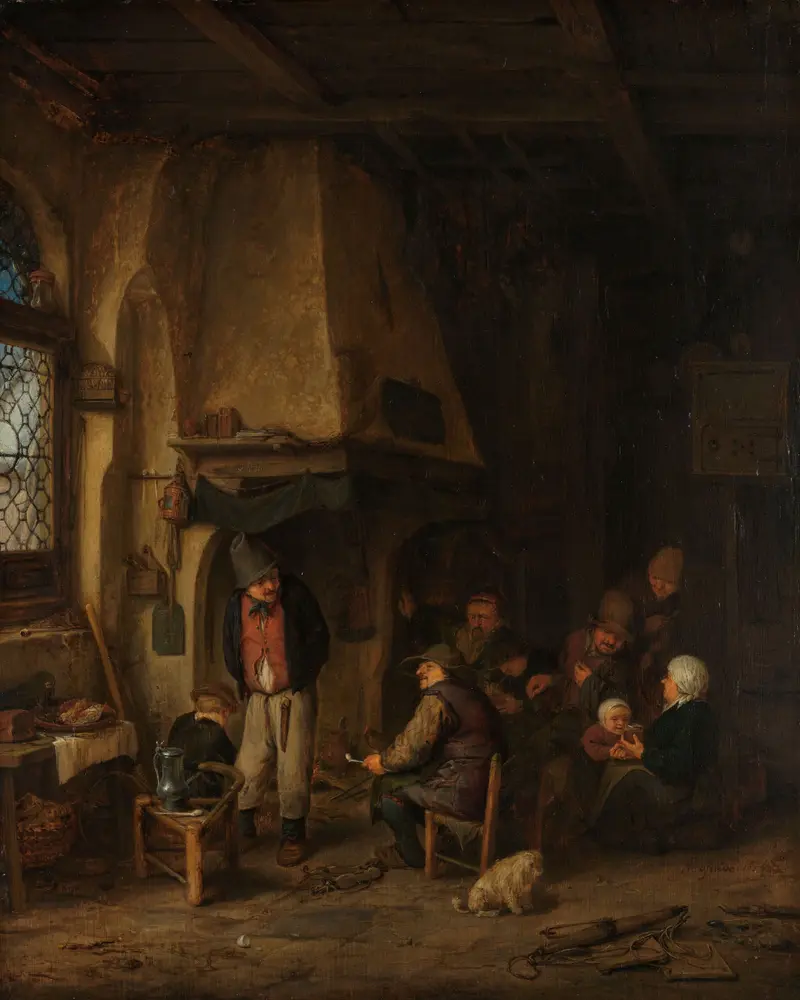
‘The Skaters’: Peasants in an Interior
Adriaen van Ostade
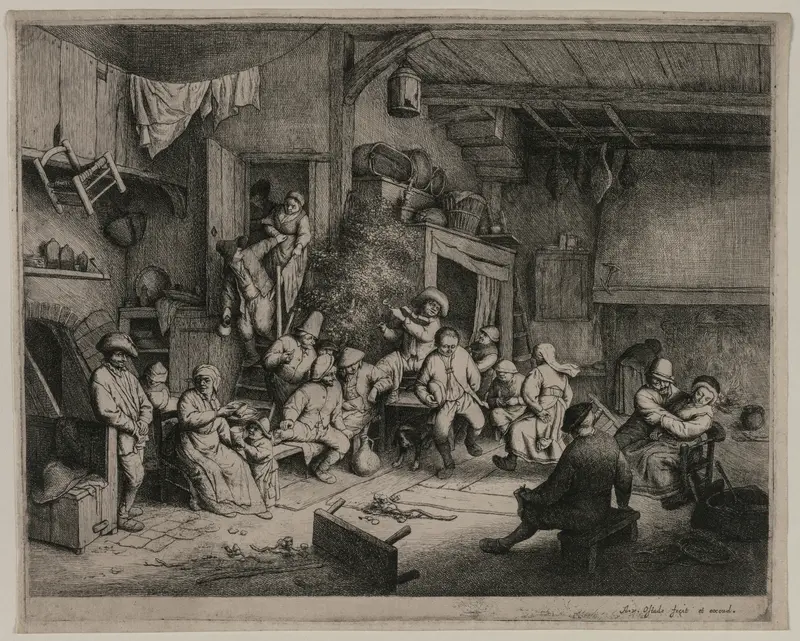
Dance at the Inn
Adriaen van Ostade
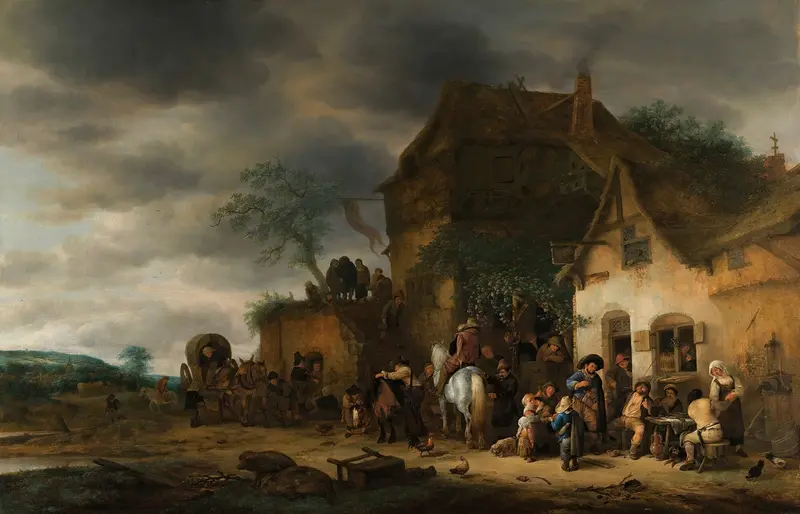
Travellers Halted At A Country Inn
Adriaen van Ostade
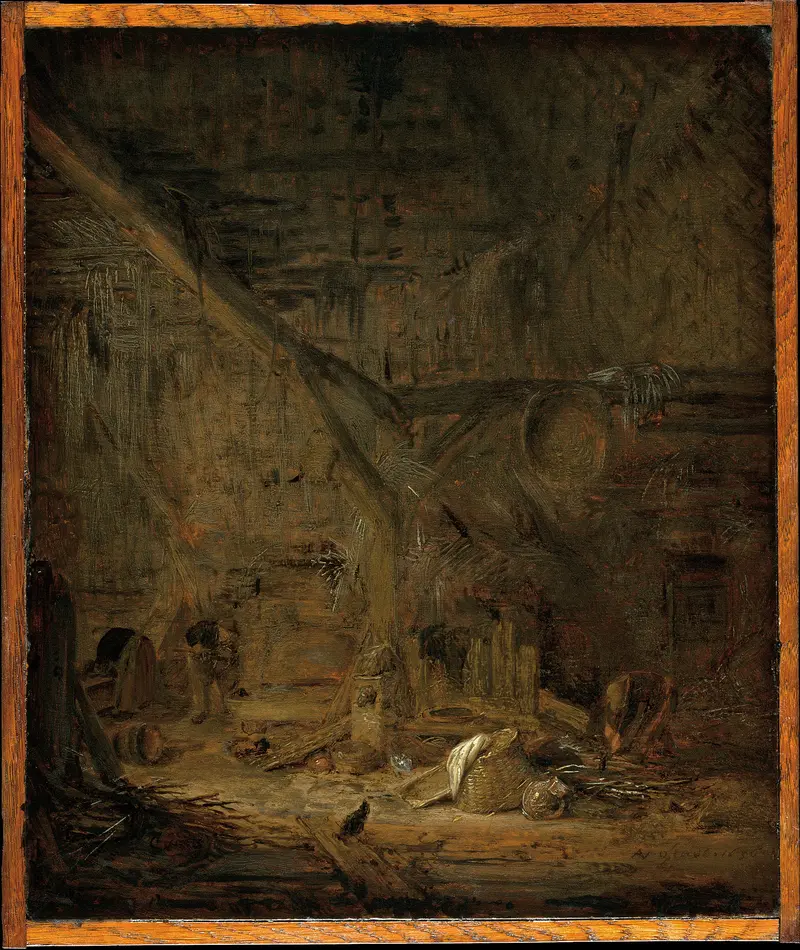
Interior of a Barn
Adriaen van Ostade
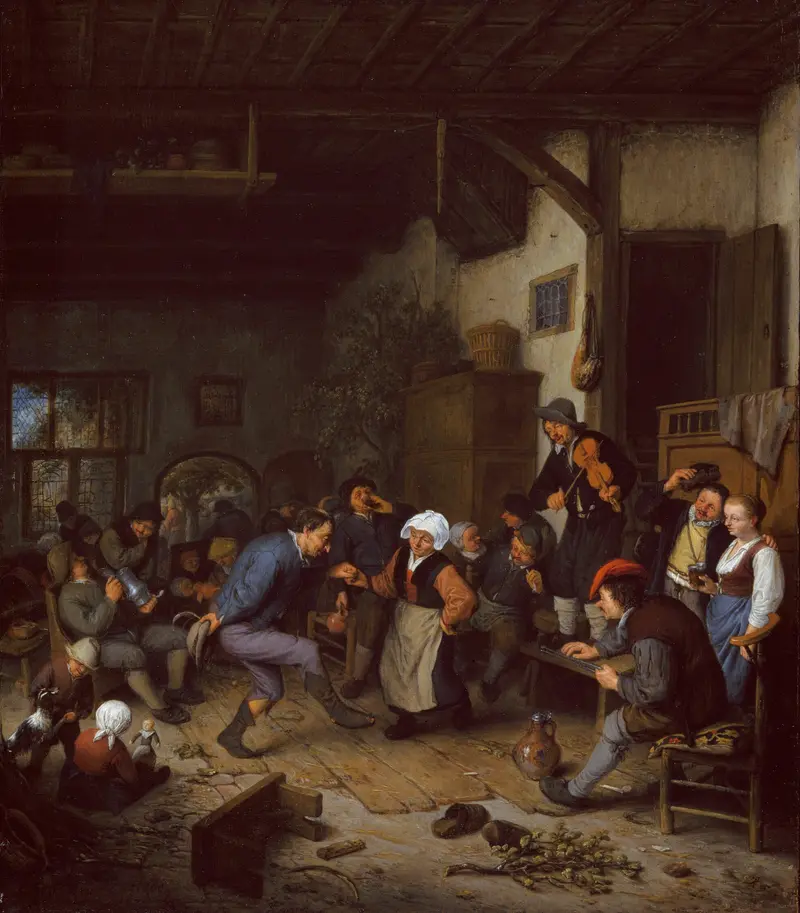
Merrymakers in an Inn
Adriaen van Ostade
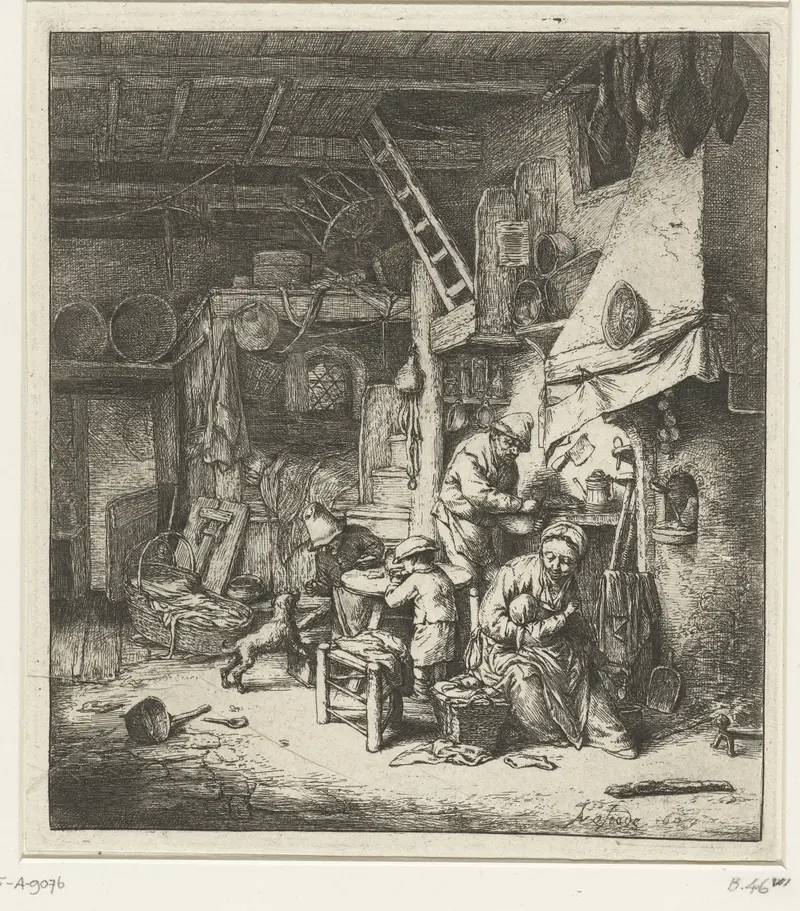
Boerengezin in interieur
Adriaen van Ostade
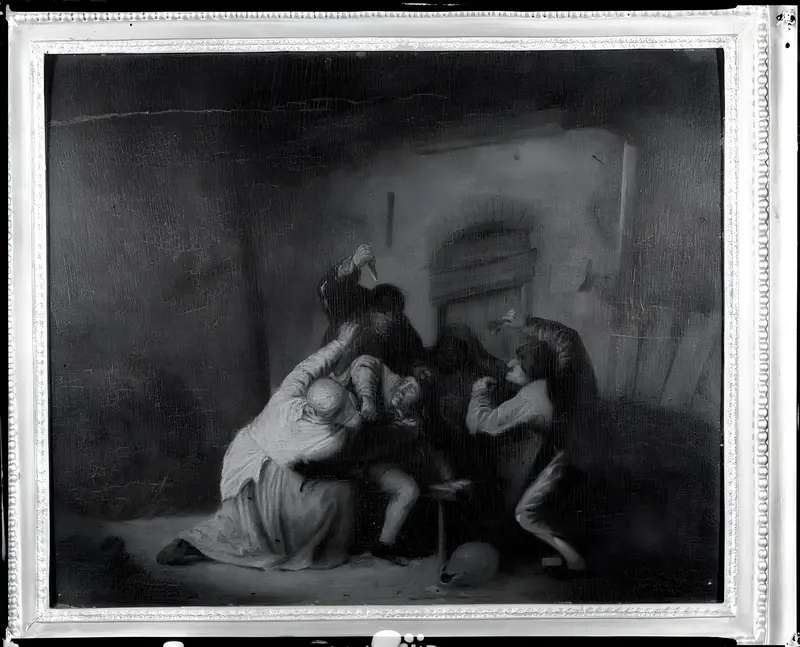
Peasants Brawling in a Tavern
Adriaen van Ostade
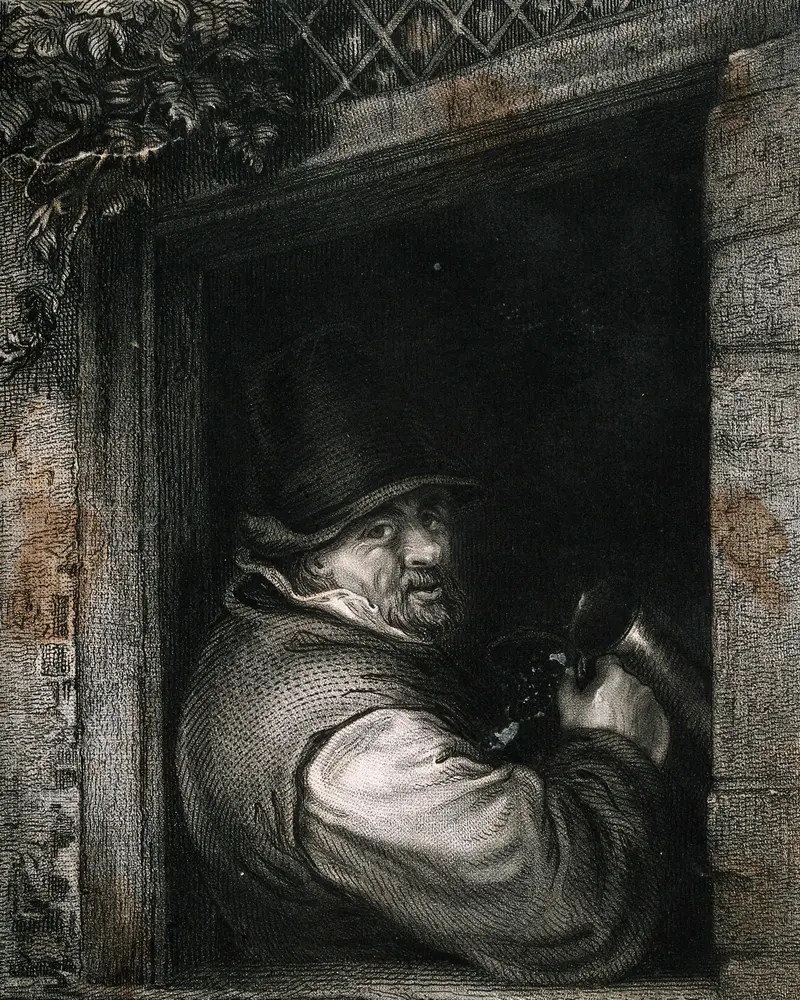
Man with a Tankard at a Window
Adriaen van Ostade
Dans in de herberg
Adriaen van Ostade
More Genre Scene Art

Banquet of the Officers of the St George Civic Guard
Frans Hals

Rembrandt and Saskia in the Scene of the Prodigal Son
Rembrandt van Rijn

Bal du moulin de la Galette
Pierre-Auguste Renoir

Quadrille at the Moulin Rouge
Henri de Toulouse-Lautrec

A Burial at Ornans
Gustave Courbet

When Will You Marry?
Paul Gauguin