
A Rabbit Hunter On A Riverside Road — History & Facts
In the stillness of twilight, where reality blurs with the ethereal, art captures the fleeting truth of existence. Look to the left, where the gentle curve of the riverside road beckons the viewer’s gaze. A lone figure mounted on horseback, poised with an air of purpose, is silhouetted against the dusky sky. The cool blues and soft golds of the fading light dance upon the surface of the water, while the trees, with their intricate branches, frame the scene like an elaborate stage.
Grimshaw’s masterful brushwork creates a sense of movement; the rippling water mirrors the hunter's quiet determination and the trees whisper secrets of the evening. Beneath the unfolding serenity lies an emotional tension. The rabbit hunter represents the delicate balance between nature and human intent, captured in this moment of solitude. The juxtaposition of the hunter’s quiet purpose against the tranquil waters evokes a sense of nostalgia and contemplation, inviting viewers to ponder the fragility of life and the passage of time.
Each element, from the fading light to the solitary figure, speaks of the ephemeral nature of existence, urging an appreciation for what often goes unnoticed. In 1870, amidst the Victorian era’s exploration of natural beauty, Grimshaw painted this work in his native England. It reflects his fascination with nocturnal landscapes and the interplay of light and shadow, a hallmark of his artistic journey. During this time, he was gaining recognition for his unique approach that melded realism with evocation, and A Rabbit Hunter On A Riverside Road stands as a testament to his evolving mastery.
More Artworks by John Atkinson Grimshaw
Browse all →
Under the Silvery Moonbeams
John Atkinson Grimshaw
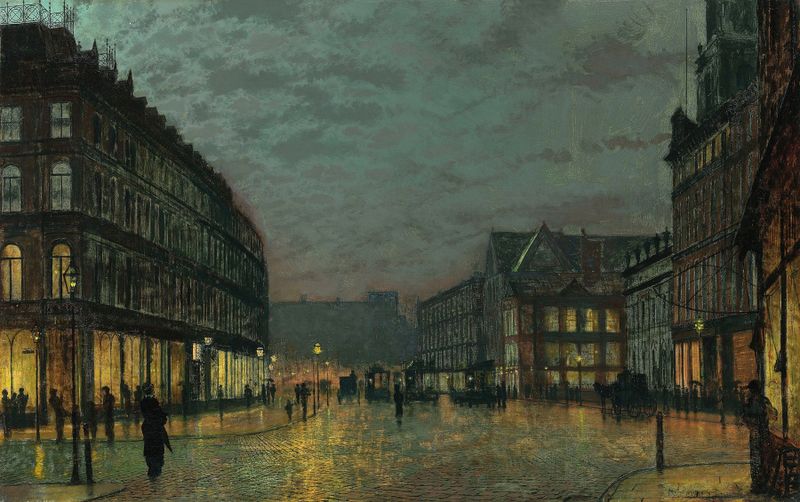
Boar Lane, Leeds by lamplight
John Atkinson Grimshaw
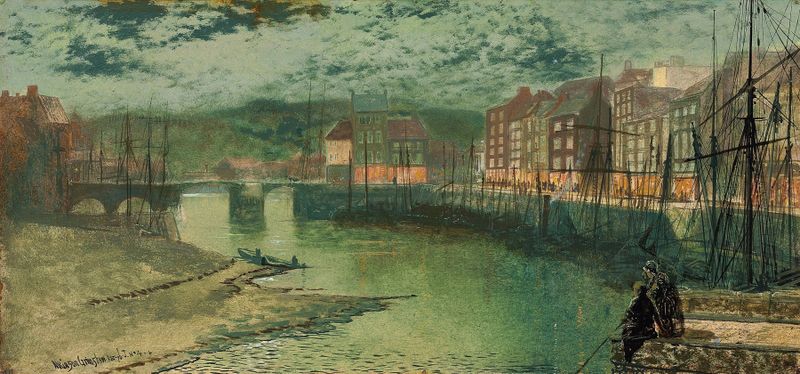
Whitby docks
John Atkinson Grimshaw

Old Chelsea
John Atkinson Grimshaw

Late October
John Atkinson Grimshaw
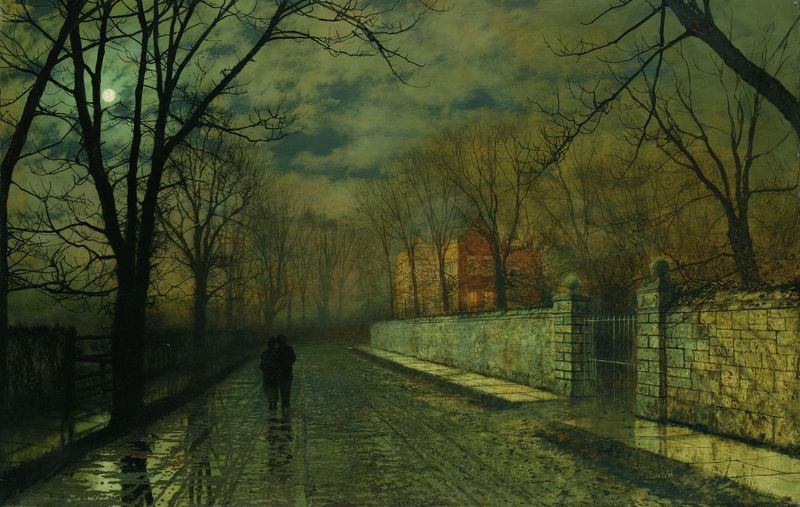
Figures In A Moonlit Lane After Rain
John Atkinson Grimshaw

Liverpool Lights
John Atkinson Grimshaw
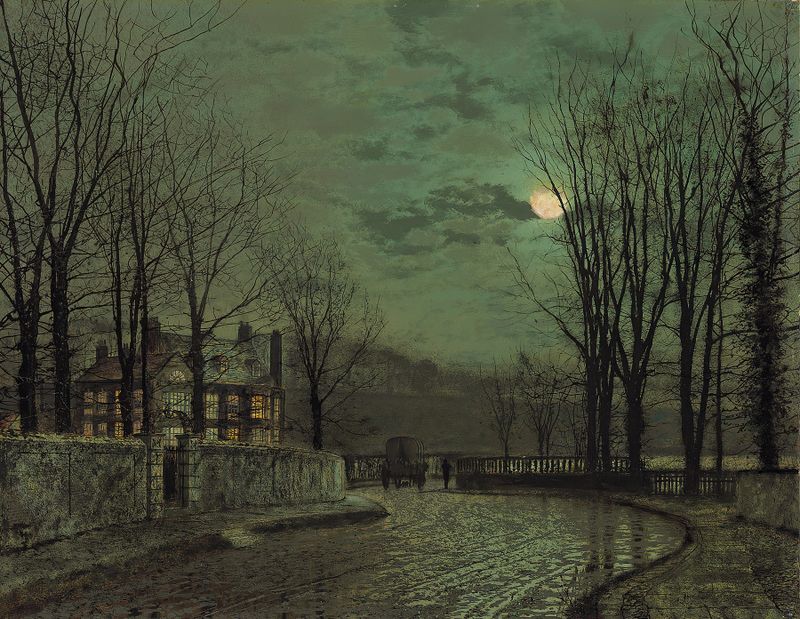
November Moonlight
John Atkinson Grimshaw
Southwark Bridge from Blackfriars by Moonlight
John Atkinson Grimshaw

Whitby From Scotch Head, Moonlight On The Esk
John Atkinson Grimshaw





