
A recorder player — History & Facts
A hush settles over the cramped, dimly lit room, broken only by the focused breath of a man coaxing melody from his recorder. The eye is drawn first to his hunched figure, the battered hat casting a shadow over his brow, as he bends intently over the instrument. A battered music book lies open on the table, its pages splayed as if well-thumbed, signaling both the seriousness and the solitude of this moment.
Around him, two figures recede into the gloom—one stooped in daily labor, the other barely more than a ghostly outline—reminding us that music here is not for an audience, but for the player himself, a private escape from the workaday world. The palette is muted, earth and ash, making the faint glimmer on the recorder and the open page all the more precious. Painted in 1660, A recorder player by Adriaen van Ostade belongs to the world of the Dutch Golden Age, when scenes of humble domesticity filled the homes of a rising middle class. Such paintings were rarely grand commissions; instead, they were made for merchants, artisans, and collectors who saw their own lives reflected in these quiet interiors.
Van Ostade was known for his sympathetic eye, capturing the dignity and small pleasures of rural and working folk at a time when the Dutch Republic was changing rapidly, its cities swelling and its fortunes rising. This work, preserved in The Yorck Project’s collection, is a testament to the era’s fascination with everyday music-making—a reminder that in seventeenth-century Holland, even the most modest room could be filled with art, and with song.
More Artworks by Adriaen van Ostade

Dans in de herberg
Adriaen van Ostade
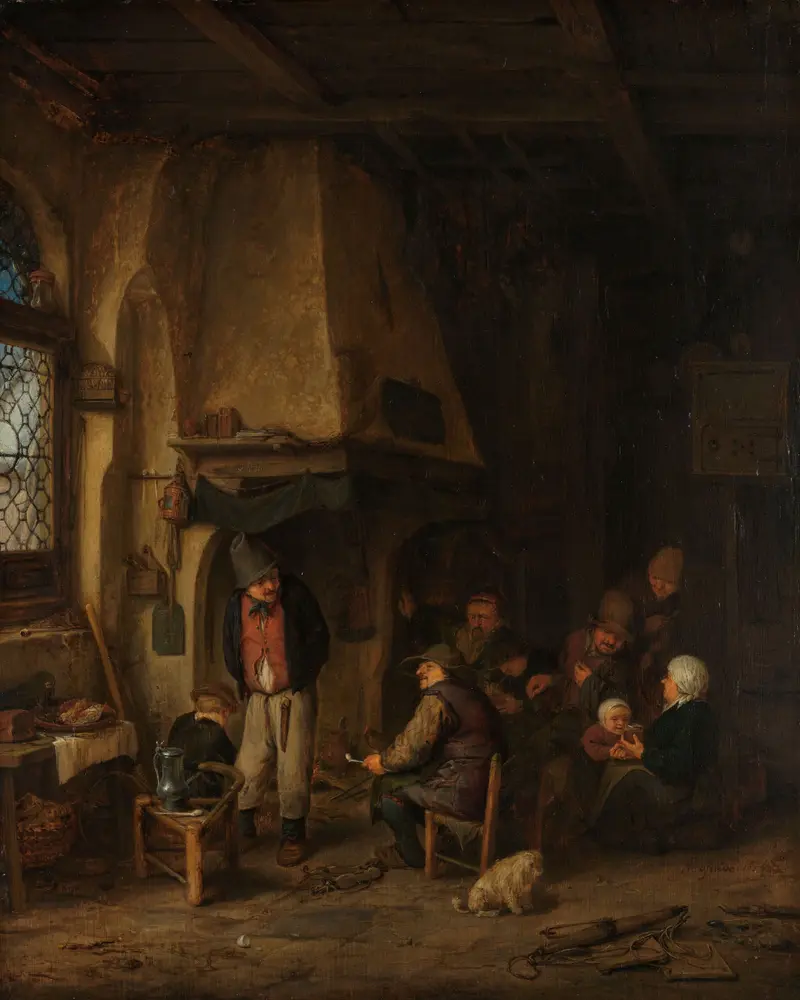
‘The Skaters’: Peasants in an Interior
Adriaen van Ostade
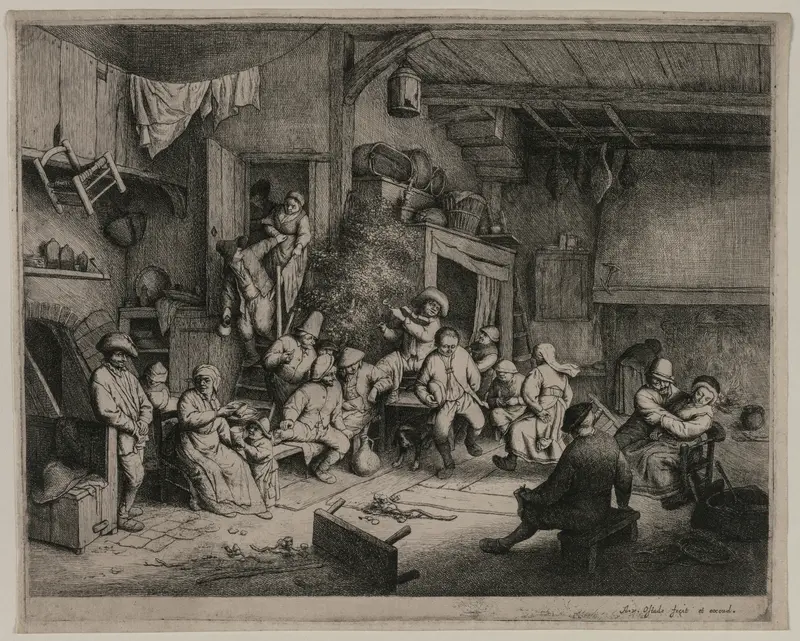
Dance at the Inn
Adriaen van Ostade
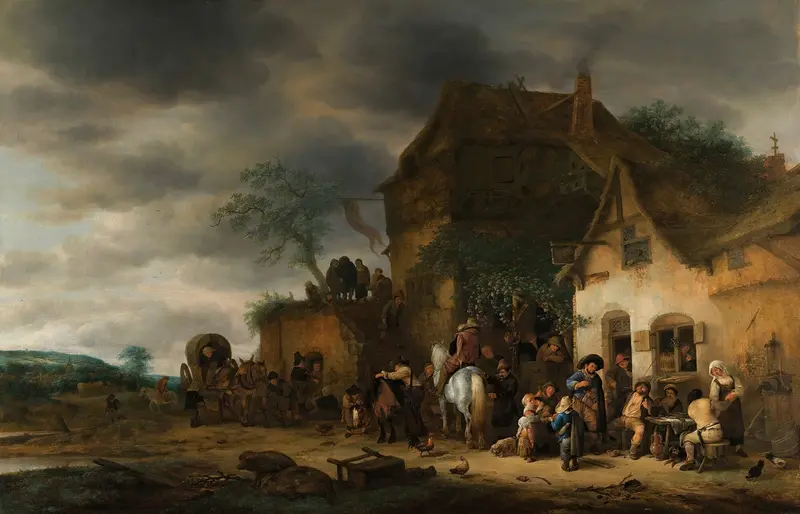
Travellers Halted At A Country Inn
Adriaen van Ostade
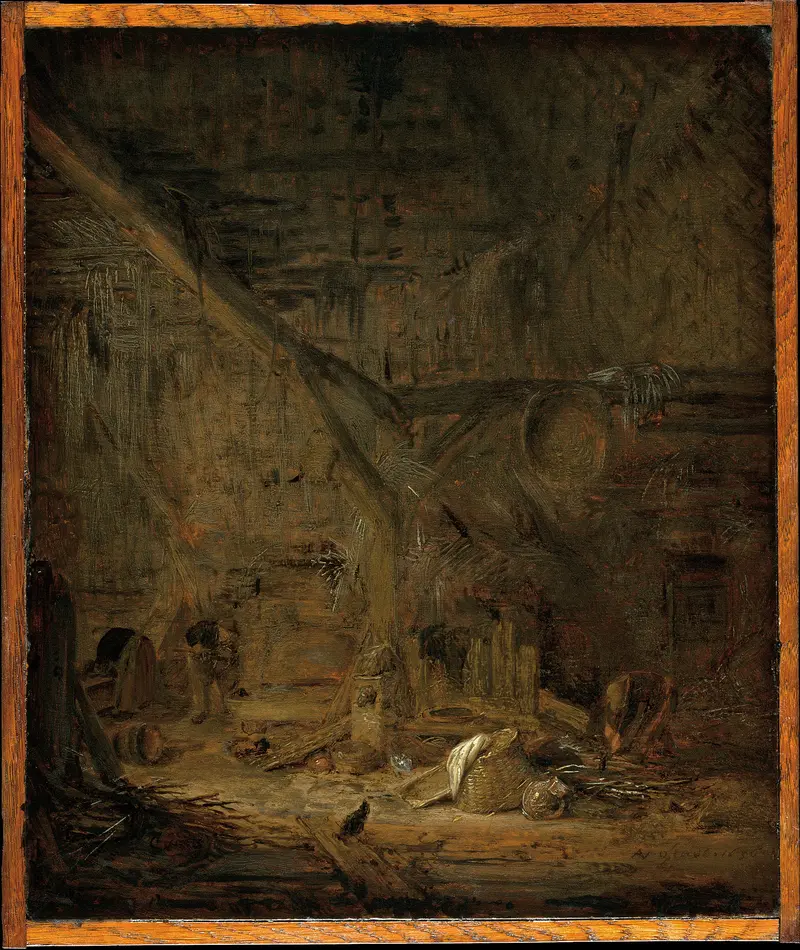
Interior of a Barn
Adriaen van Ostade
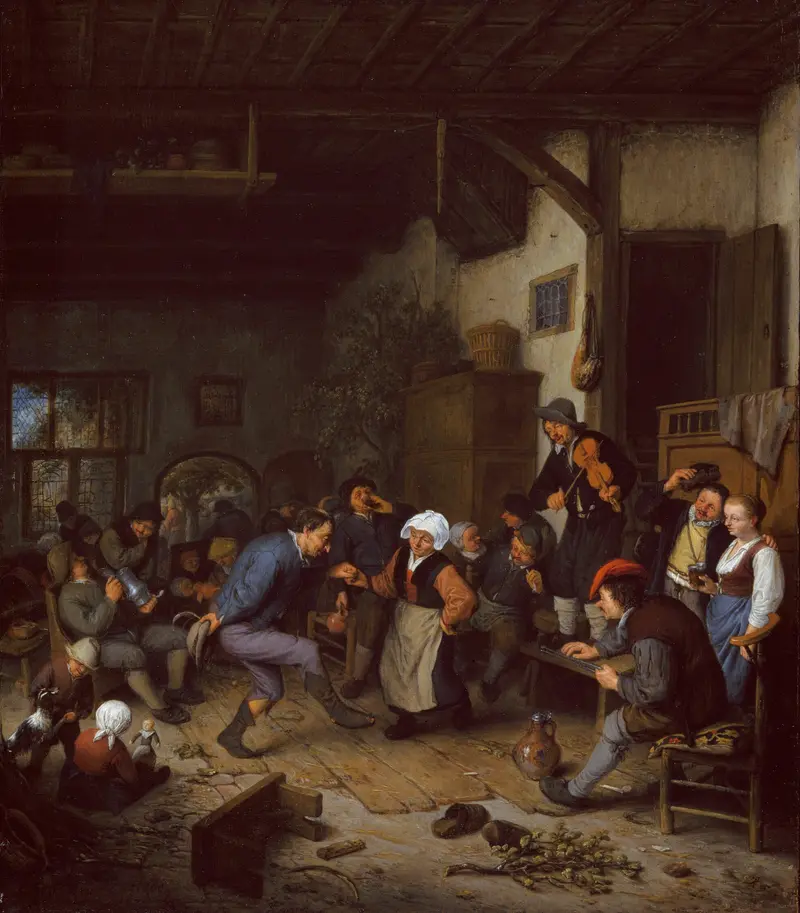
Merrymakers in an Inn
Adriaen van Ostade
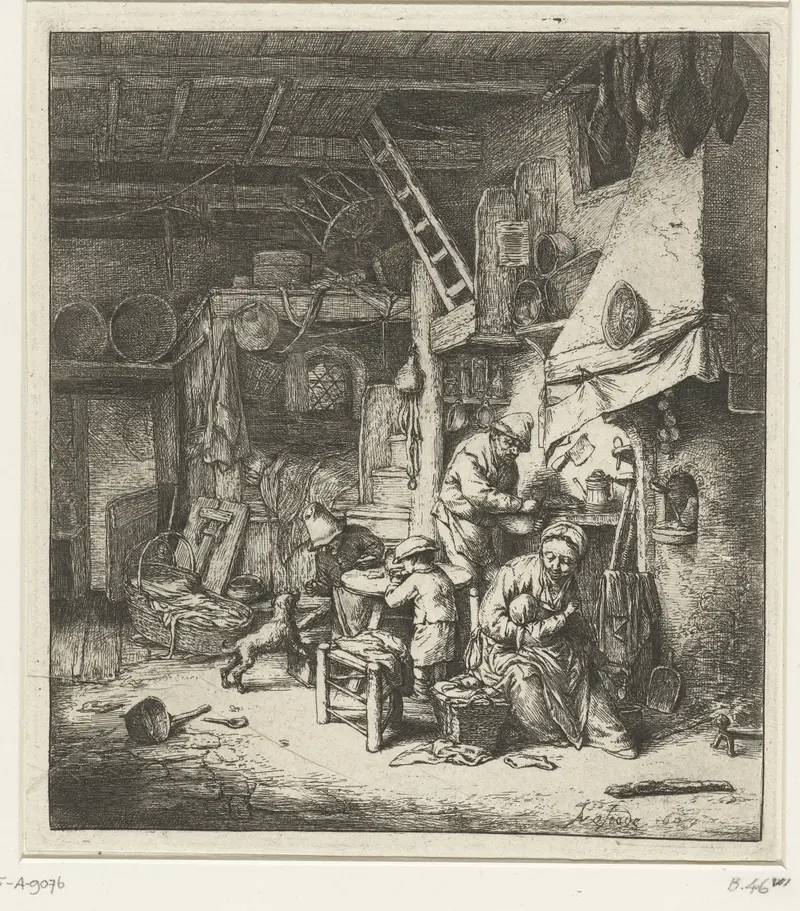
Boerengezin in interieur
Adriaen van Ostade
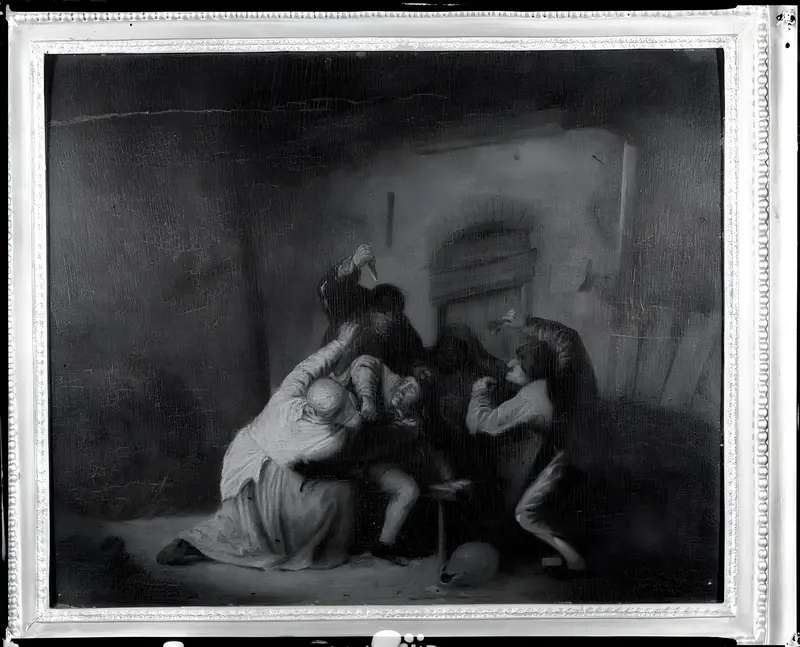
Peasants Brawling in a Tavern
Adriaen van Ostade
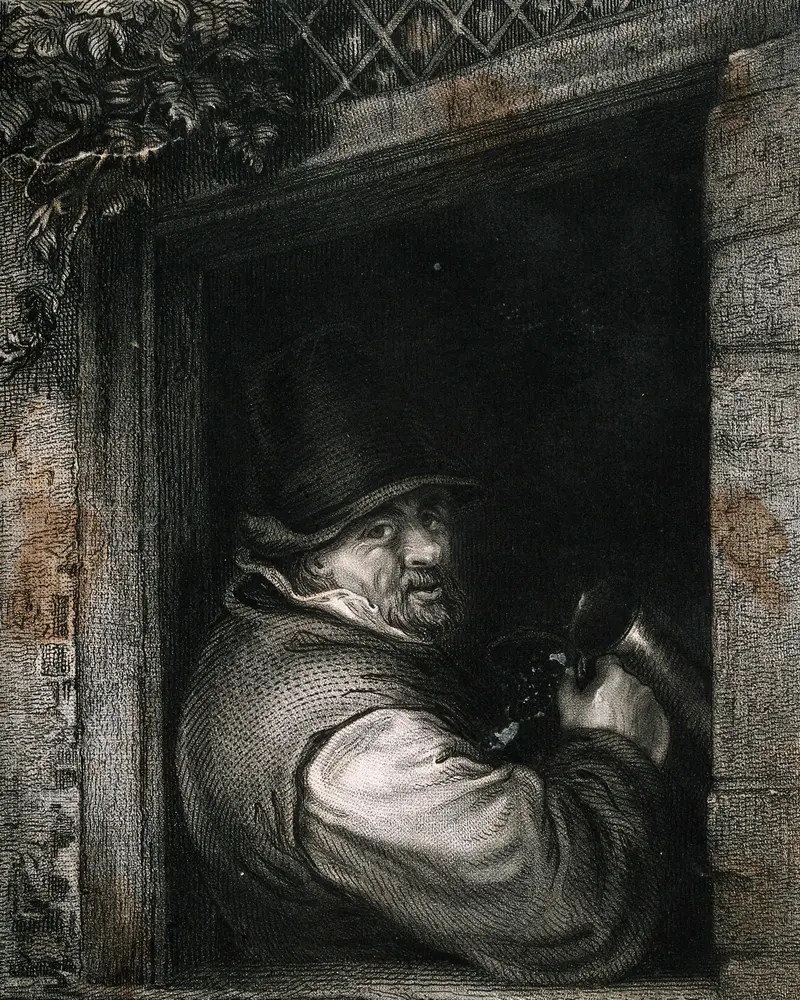
Man with a Tankard at a Window
Adriaen van Ostade
Dans in de herberg
Adriaen van Ostade
More Genre Scene Art

Banquet of the Officers of the St George Civic Guard
Frans Hals

Rembrandt and Saskia in the Scene of the Prodigal Son
Rembrandt van Rijn

Bal du moulin de la Galette
Pierre-Auguste Renoir

Quadrille at the Moulin Rouge
Henri de Toulouse-Lautrec

A Burial at Ornans
Gustave Courbet

When Will You Marry?
Paul Gauguin