
A river landscape with a rock and a traveller on a bridge — History & Facts
A single figure pauses atop a wooden bridge, dwarfed by the mass of sunlit rocks and the hush of overhanging trees. The eye is drawn first to the traveler—stick in hand, mid-step—caught between two banks, suspended over the river’s calm reflection. The bridge itself, spindly and provisional, hints at the fragility of passage, while the boulders below anchor the scene in quiet permanence.
Light pools on the water and glances off the stone, guiding the viewer through a landscape that feels both wild and gently ordered, every brushstroke a quiet invitation to linger. The palette, with its soft greens and golden ochres, sets a mood of contemplative solitude, as if the world has paused to let this moment unfold. Painted by Antonie Waterloo by 1690, this landscape belongs to a tradition that flourished in the Dutch Golden Age, when artists and patrons alike found fascination in the drama and peace of untamed nature. Such works were rarely grand commissions; instead, they were collected by merchants and burghers eager to bring the outside world into their homes, reminders of travel, trade, and the pleasures of leisure.
Waterloo, known for his sensitive renderings of woodland and riverbank, often painted scenes that feel both real and imagined—places to wander in the mind. Little is recorded about the specific journey of this painting, now found in a modern collection, but its quiet mastery speaks for a time when landscape was both a window and a mirror. Notice how the stillness of the water and the path disappearing into the trees invite you to step into the scene yourself.
More Artworks by Antonie Waterloo
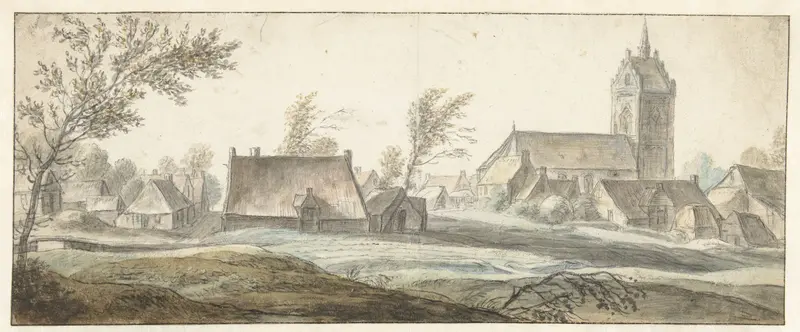
Gezicht op het dorp Soest
Antonie Waterloo
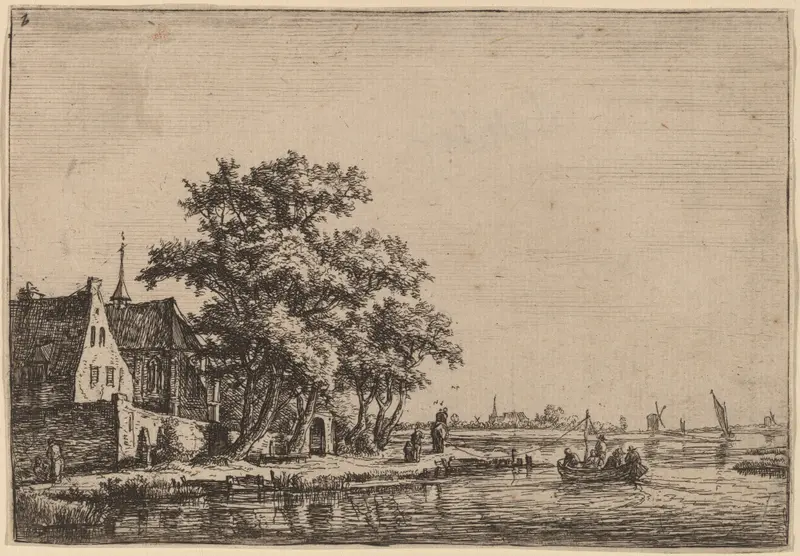
Churchyard at the Waterside
Antonie Waterloo
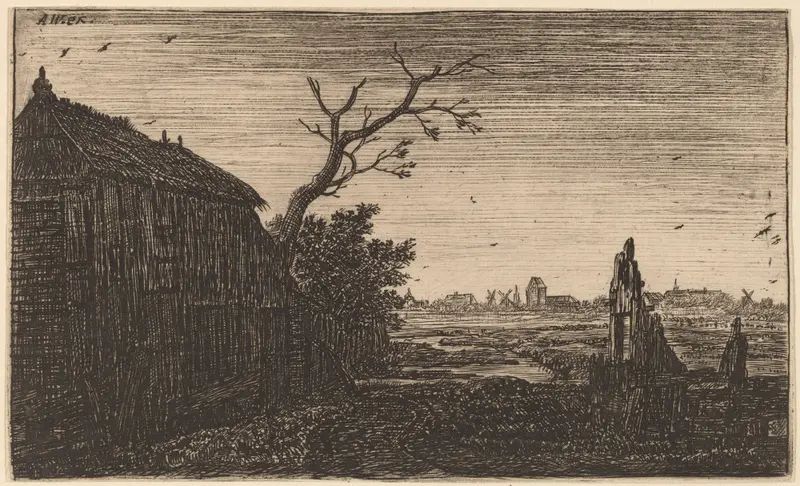
The Sluice
Antonie Waterloo
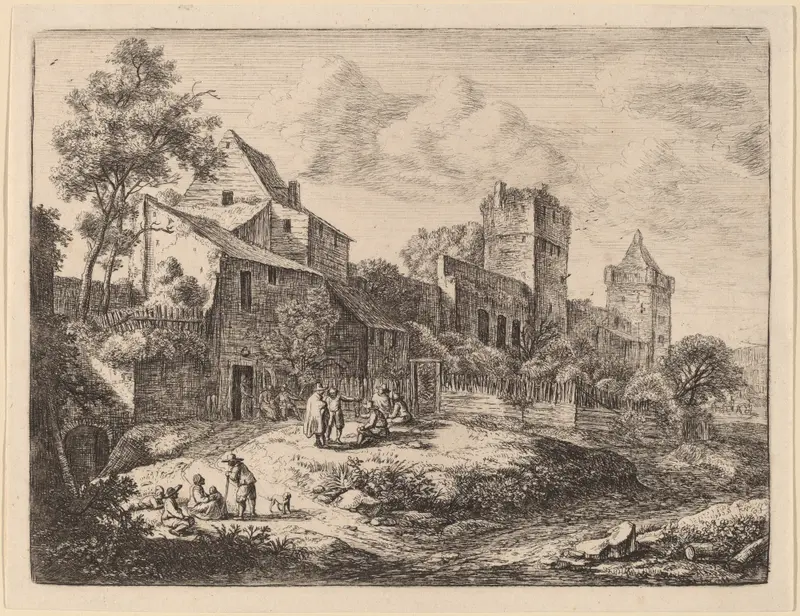
Square in Front of an Inn
Antonie Waterloo
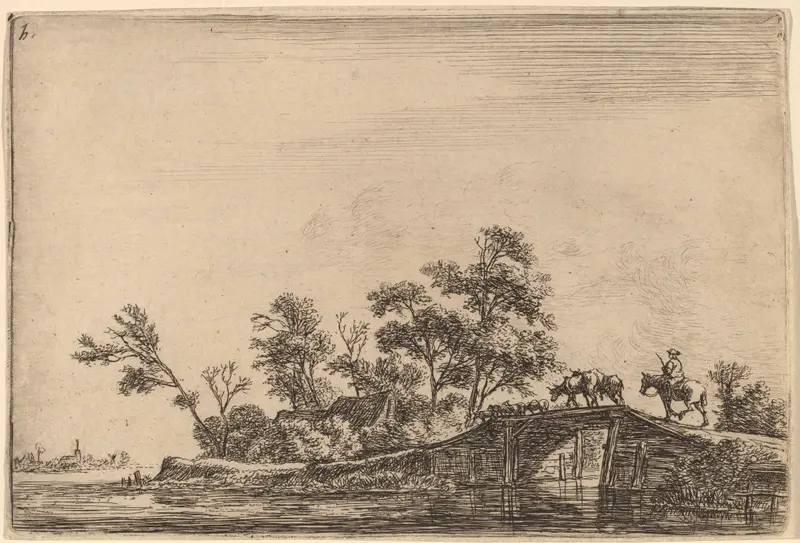
Rider and Flock on a Bridge
Antonie Waterloo
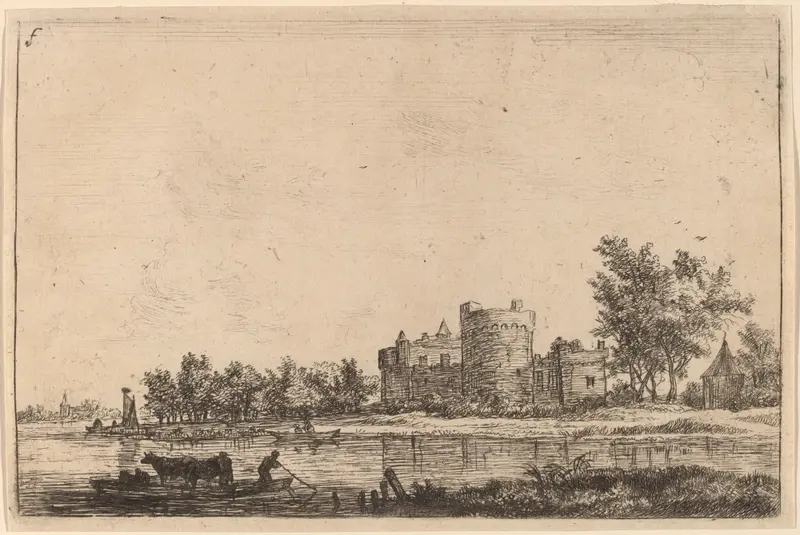
Two Cows on a Ferry
Antonie Waterloo
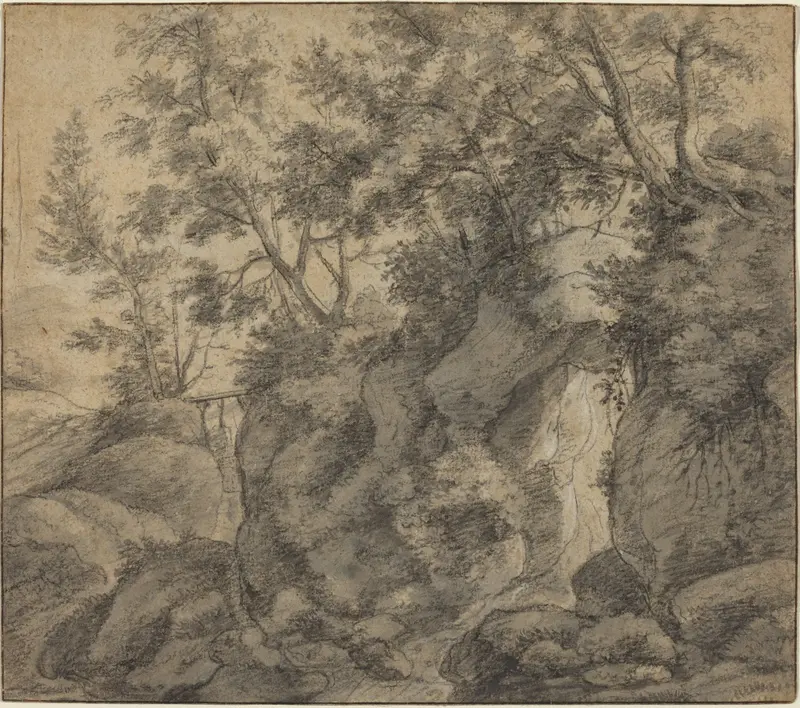
Landscape with a Wooded Ravine
Antonie Waterloo
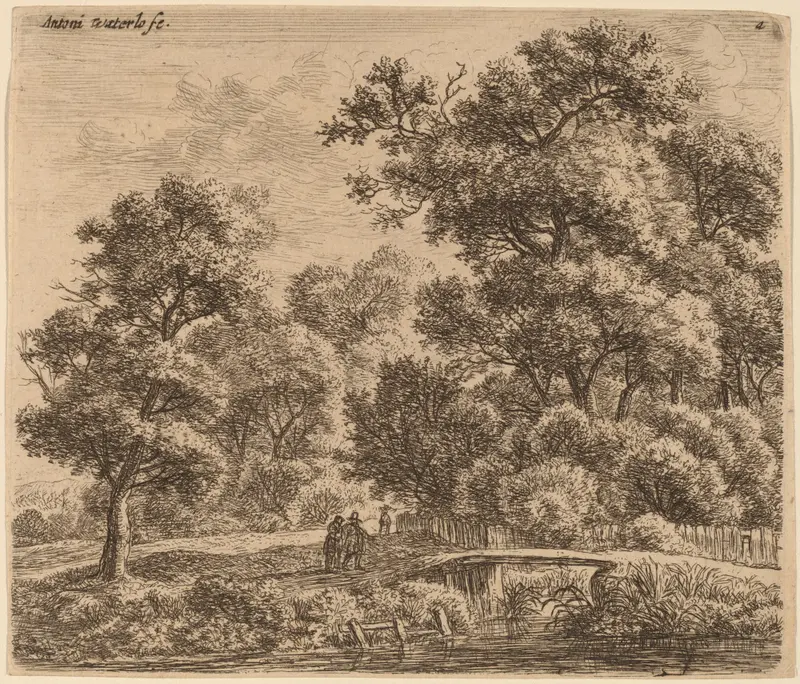
Wooded Landscape with a Bridge
Antonie Waterloo
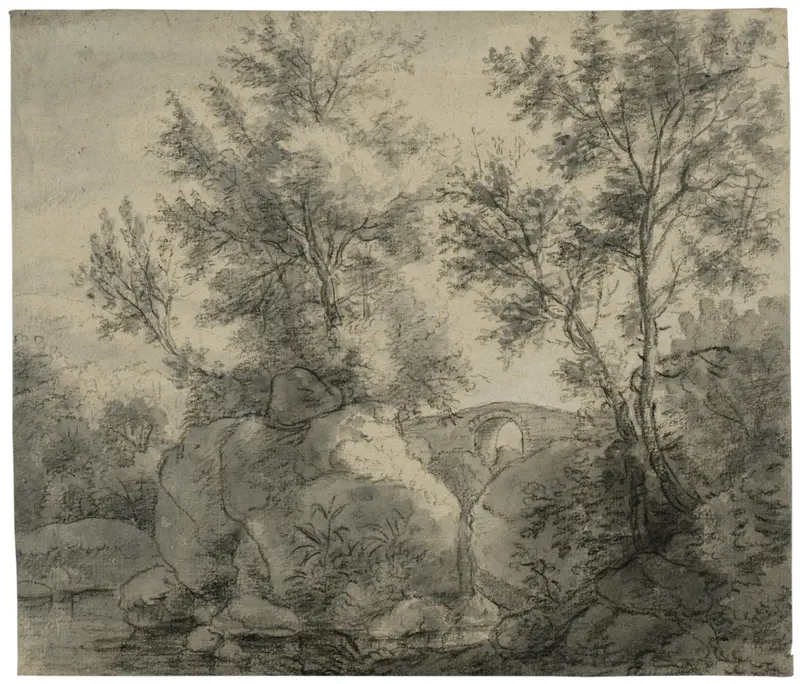
Rocky Landscape with a Stone Bridge
Antonie Waterloo
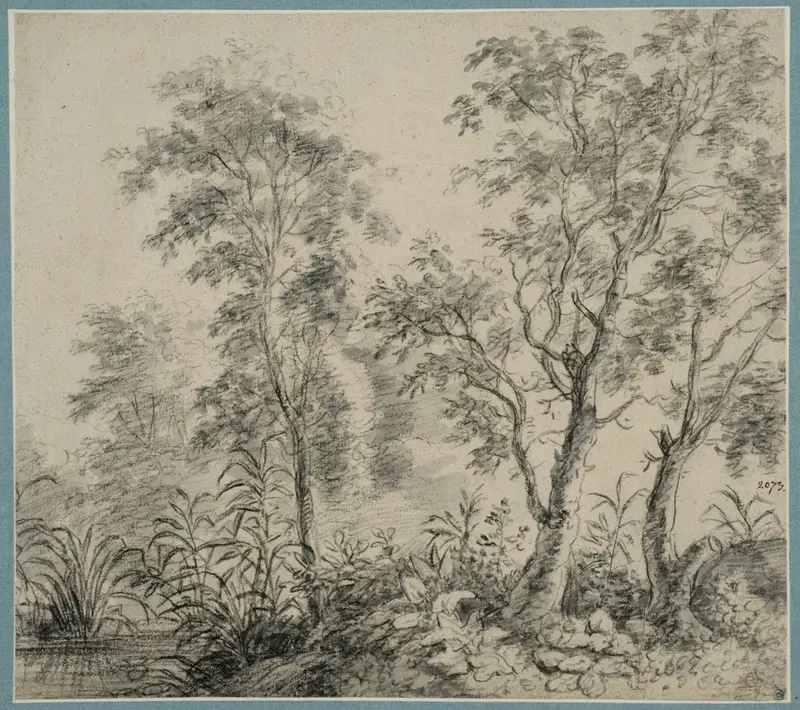
River Bank with a Row of Trees
Antonie Waterloo
More Landscape Art

The Starry Night
Vincent van Gogh

View of Delft
Johannes Vermeer

Water Lilies
Claude Monet

The Grand Canal, Venice, looking north-west from the Ca' Corner to the Ca' Contarini degli Scrigni, with the campanile of Santa Maria della Carità
Canaletto

Windsor Castle
Canaletto

The Grand Canal looking North-East from the Palazzo Dolfin-Manin to the Rialto Bridge
Canaletto