A Rose Garden — History & Facts
The sun filters softly through a canopy of leaves, casting dappled shadows upon a vibrant tapestry of blooms. A gentle breeze stirs the petals of the roses, their colors a riot of reds, pinks, and whites, creating a symphony of nature in full bloom. Nearby, a woman in a wide-brimmed hat moves gracefully through the garden, her hands tenderly brushing the blooms, caught in a moment of quiet reverie. Look to the left at the riot of color, where the lush roses dominate the canvas, their blossoms bursting with life.
Focus on the delicate strokes that define each petal, a blend of impressionistic techniques that capture not just the flowers but the essence of their fragrance. Notice how the light dances across the scene, illuminating the vibrant greens of the leaves, creating a lush backdrop that enhances the vividness of the blooms and invites you to step closer into this flourishing world. Yet, beneath this apparent tranquility lies a deeper narrative—a transformation of both nature and self. The woman’s poised interaction with the garden suggests a connection to beauty that transcends the moment, hinting at renewal and the passage of time.
The contrast of her stillness against the lively garden highlights the tension between human experience and the wild abandon of nature, suggesting that each blossom holds a whisper of ephemeral beauty. Created in 1862 while Pissarro was living in France, A Rose Garden reflects his exploration of light and color during the early stages of Impressionism. At this time, he was influenced by the burgeoning art movement that sought to capture fleeting moments and the everyday beauty of life. As he painted this piece, he was also deeply engaged in his own artistic evolution, experimenting with techniques that would define his legacy and contribute significantly to the art world.
More Artworks by Camille Pissarro
Browse all →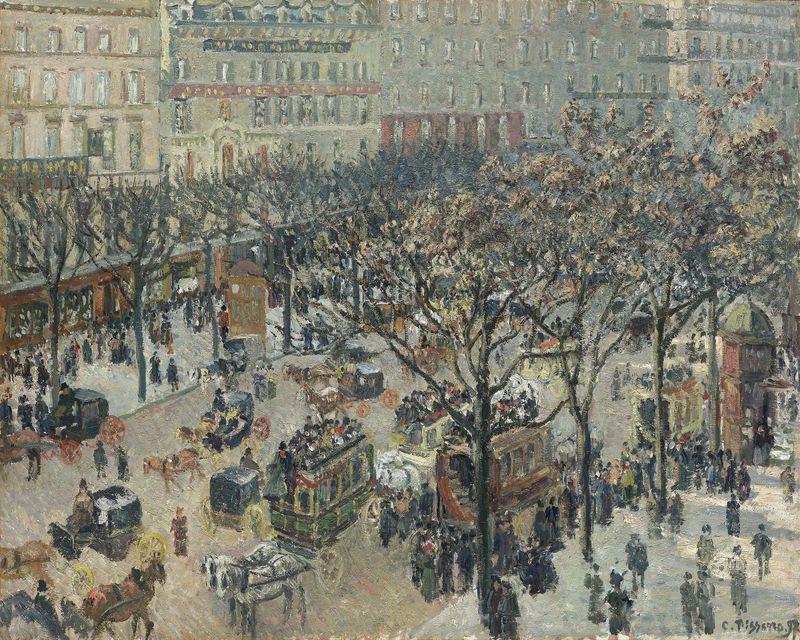
Boulevard des Italiens,Morning_Sunlight
Camille Pissarro
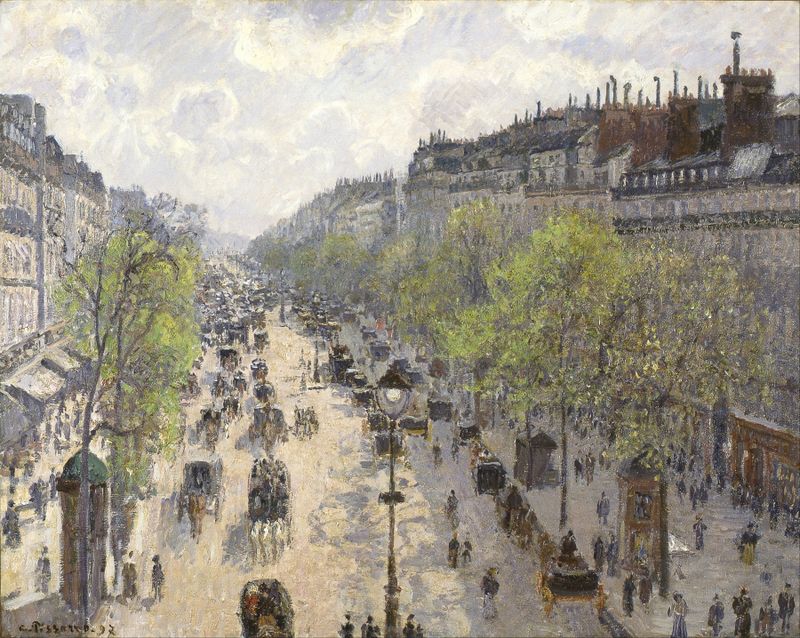
Boulevard Montmartre, Spring
Camille Pissarro
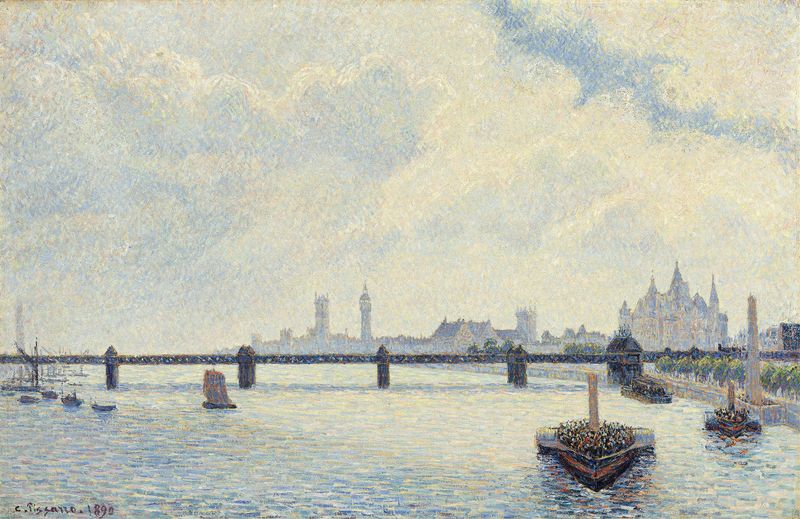
Charing Cross Bridge,London
Camille Pissarro
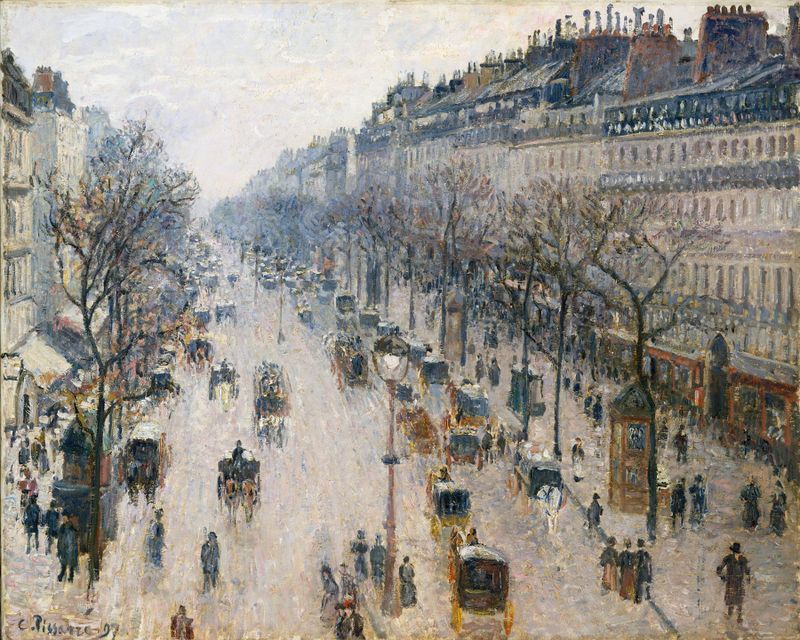
The Boulevard Montmartre on a Winter Morning
Camille Pissarro
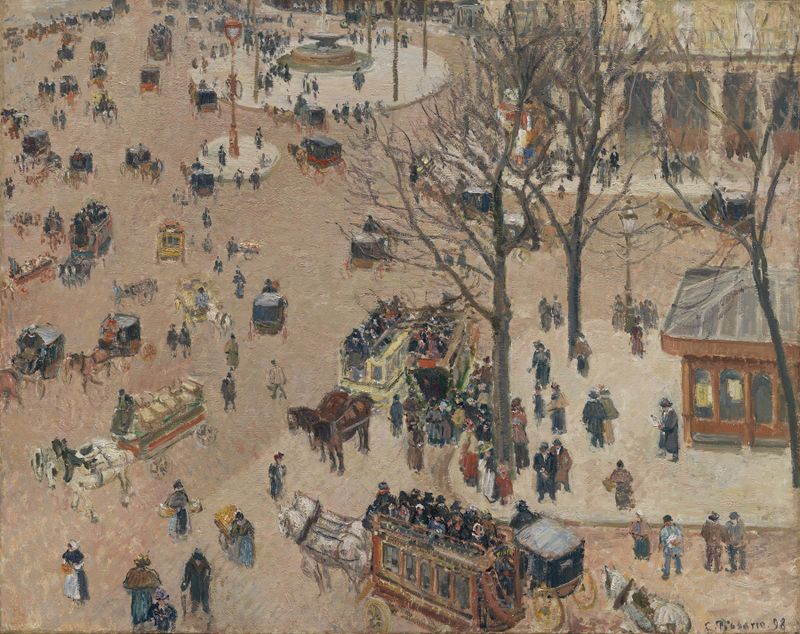
La Place du Théâtre Français
Camille Pissarro

Rue Saint-Lazare, Paris
Camille Pissarro
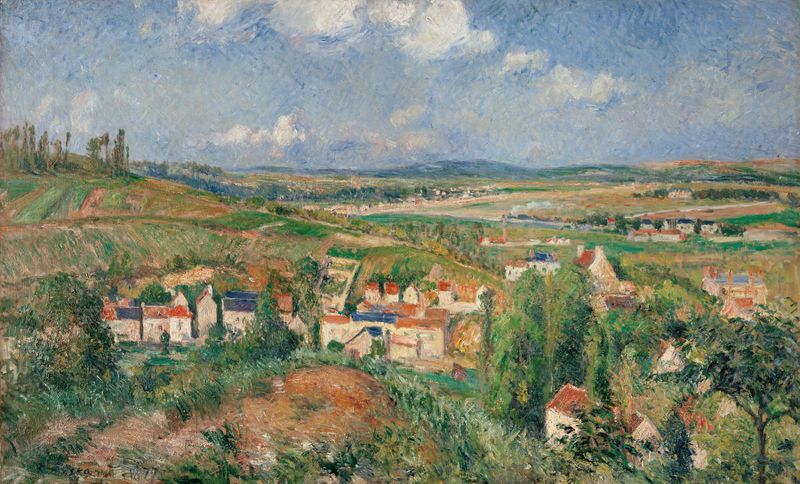
L’hermitage En Été, Pontoise
Camille Pissarro

Place du Theatre Francais,Fog Effect
Camille Pissarro
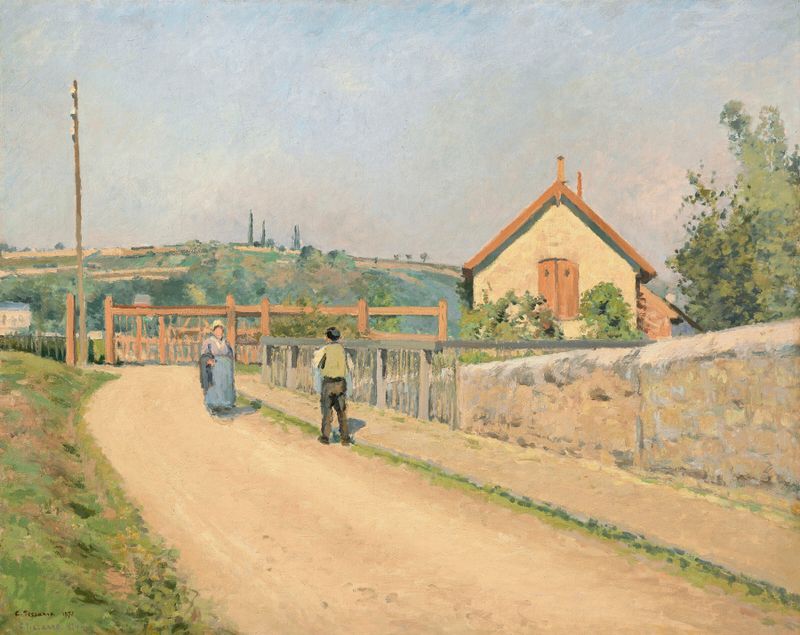
La barrière du chemin de fer, aux Pâtis près Pontoise
Camille Pissarro
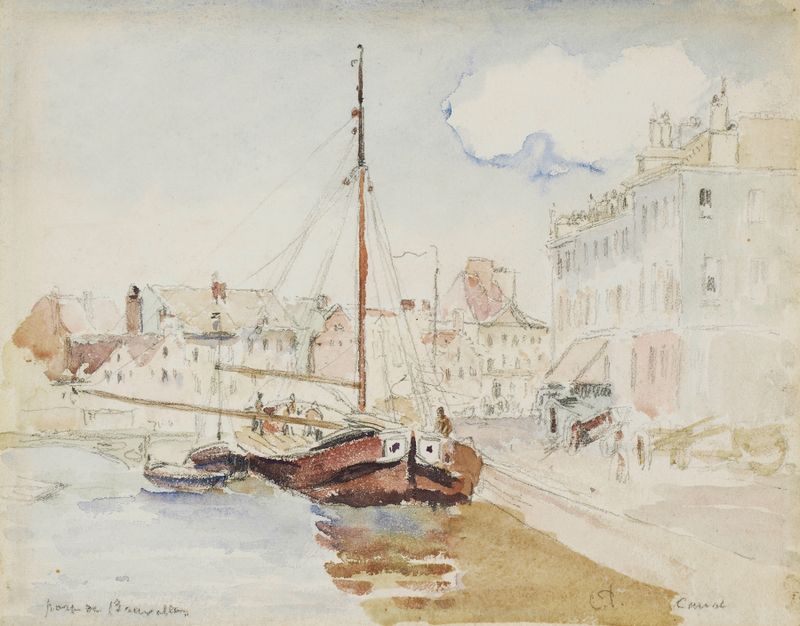
Port de Bruxelles
Camille Pissarro