
A Shepherd and His Flock — History & Facts
What first draws the eye in A Shepherd and His Flock is the sweep of golden light that settles quietly over the sheep and their keeper, as if the day itself were pausing to rest. The shepherd stands to the left, his figure sturdy and watchful, accompanied by a loyal dog whose gaze follows his own. The flock sprawls across the foreground, their wool catching the last warmth of the sun, while two figures in the distance—perhaps a boy and another shepherd—suggest a rhythm of rural life that stretches beyond this single moment.
The sky, vast and cloud-laden, dominates the scene, its shifting greys and blues lending a sense of openness and possibility. Every gesture and glance in the painting is purposeful: the shepherd’s staff anchors him to the earth, while the sheep’s calm postures speak of trust and routine. Painted between circa 1645 and circa 1655, this work by Aelbert Cuyp belongs to a world where Dutch artists found poetry in the everyday. Scenes like this were prized by a new class of urban collectors, eager for reminders of the countryside and the steady rhythms that underpinned their own prosperity.
The genre flourished in the Dutch Golden Age, when artists transformed humble subjects—shepherds, cattle, distant villages—into meditations on light, labor, and landscape. Now housed in the Städel collection, A Shepherd and His Flock invites viewers to linger, following the line of the shepherd’s staff out toward the horizon, and to imagine the quiet dignity of lives shaped by land and sky.
More Artworks by Aelbert Cuyp

The Maas at Dordrecht
Aelbert Cuyp
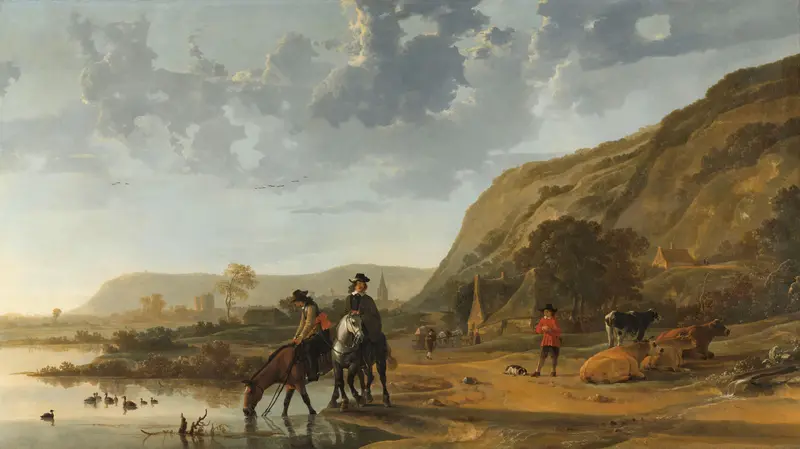
River Landscape with Riders
Aelbert Cuyp

The Maas at Dordrecht
Aelbert Cuyp
Gezicht op Dordrecht
Aelbert Cuyp
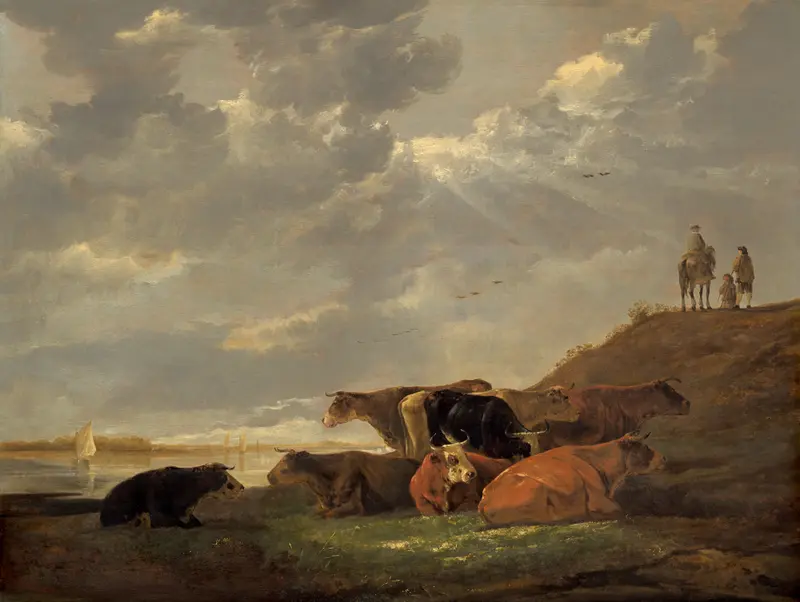
River Landscape with Cows
Aelbert Cuyp
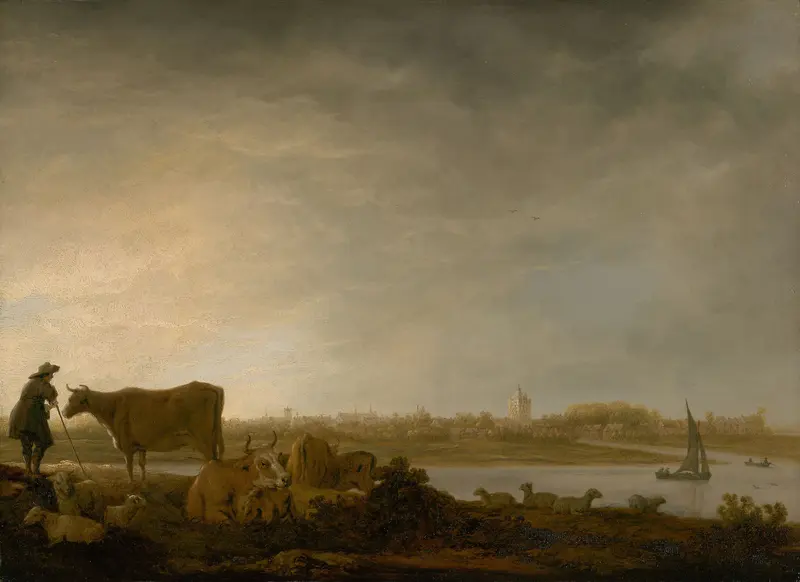
A View of Vianen with a Herdsman and Cattle by a River
Aelbert Cuyp
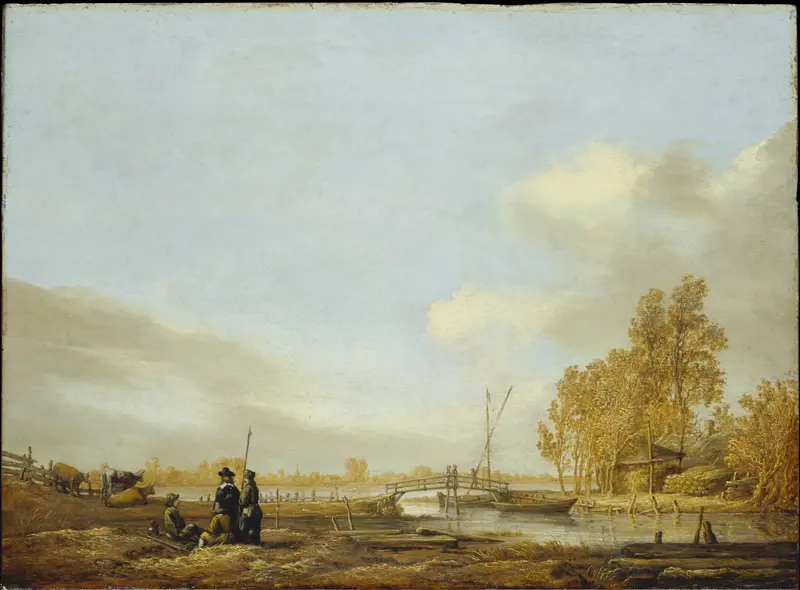
River Landscape with Footbridge
Aelbert Cuyp
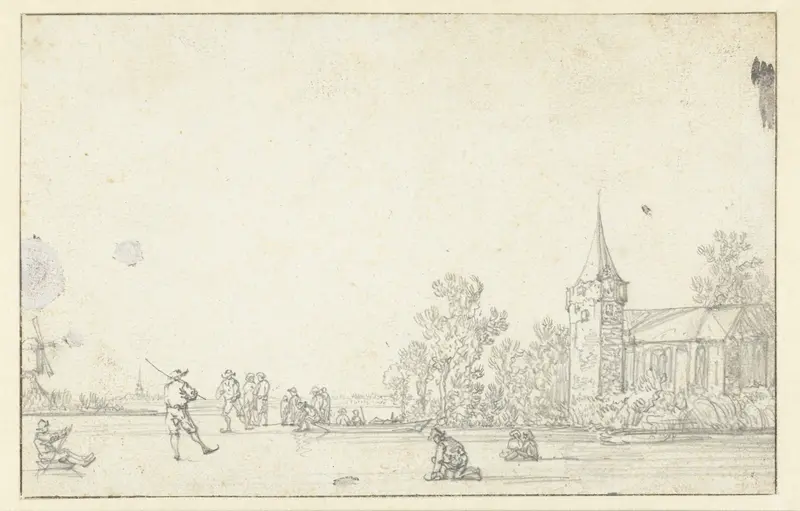
Bevroren rivier met schaatsers bij een kerk
Aelbert Cuyp

Cattle near a River
Aelbert Cuyp
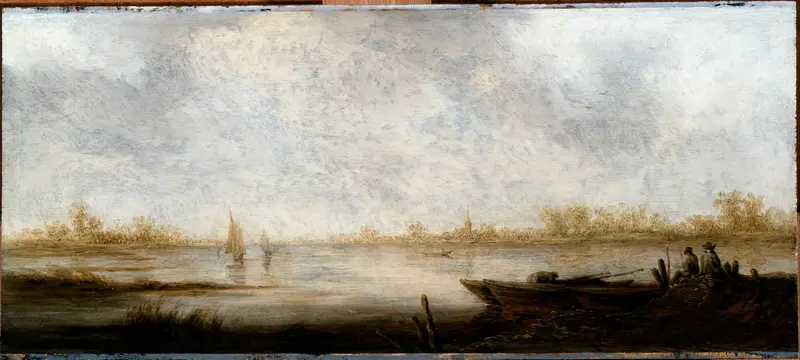
River Landscape
Aelbert Cuyp
More Landscape Art

The Starry Night
Vincent van Gogh

View of Delft
Johannes Vermeer

Water Lilies
Claude Monet

The Grand Canal, Venice, looking north-west from the Ca' Corner to the Ca' Contarini degli Scrigni, with the campanile of Santa Maria della Carità
Canaletto

Windsor Castle
Canaletto

The Grand Canal looking North-East from the Palazzo Dolfin-Manin to the Rialto Bridge
Canaletto