
A shipwreck off a rocky coast — History & Facts
In A shipwreck off a rocky coast, this sentiment unfolds dramatically, revealing the duality of nature's grandeur and humanity’s frailty. Here, the tumult of the sea, the jagged rocks, and the beleaguered ship converge to illustrate a poignant balance between beauty and despair. Look to the left at the raging waves crashing against the stony outcroppings, their foam highlighted with glimmers of sunlight that dance upon the surface. The ship, a fragile silhouette against the darkening sky, stands precariously at the mercy of the storm.
Notice how the artist employs a muted palette, with dark blues and grays dominating, punctuated by the vibrant whites of the waves. This contrast not only accentuates the chaos of the scene but also evokes a sense of impending doom, drawing the viewer into a moment frozen in time. Delve deeper into the details: observe the desperate figures clinging to the rigging as they confront their fate amidst the fury of the elements. Their anguished expressions are obscured yet palpable, symbolizing the human struggle against nature.
The interplay between light and shadow illustrates the internal conflict of hope versus despair, suggesting that even in calamity, there lies a flicker of resilience, a yearning for survival against overwhelming odds. In the 1760s, while painting this work, Philip James de Loutherbourg was deeply engaged with the Romantic movement, exploring themes of nature’s sublime power. Amidst a rapidly changing artistic landscape, he sought to capture the emotional weight of human experience, often drawing from his own tumultuous life, including exile and transition to a new country. This tumultuous backdrop undoubtedly informed his portrayal of chaos and beauty, as he skillfully reflected the tensions of his time through his art.
More Artworks by Philip James de Loutherbourg
Browse all →
Iron Works, Colebrook Dale
Philip James de Loutherbourg
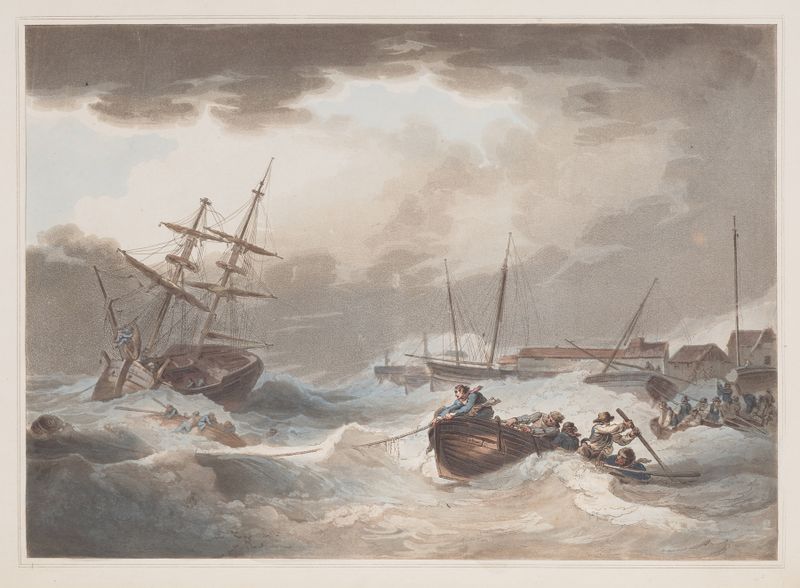
Storm off Margate
Philip James de Loutherbourg
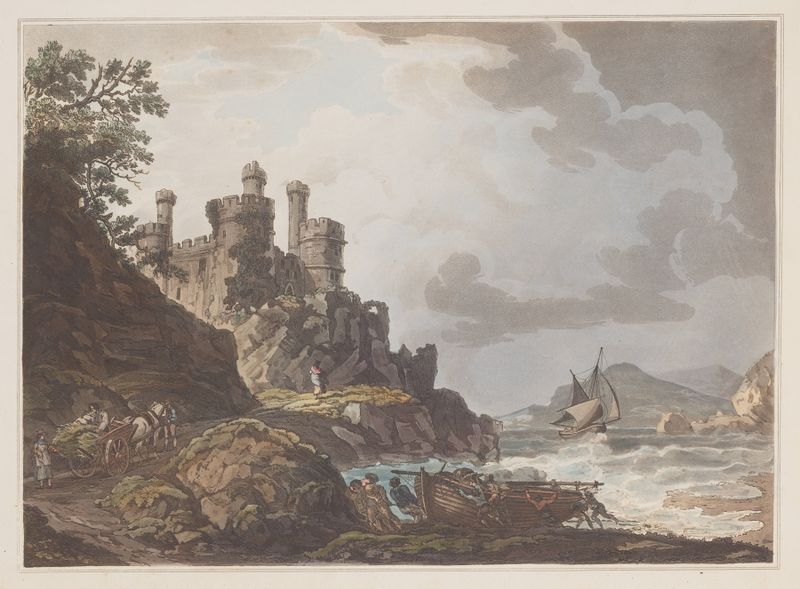
Conway Castle
Philip James de Loutherbourg
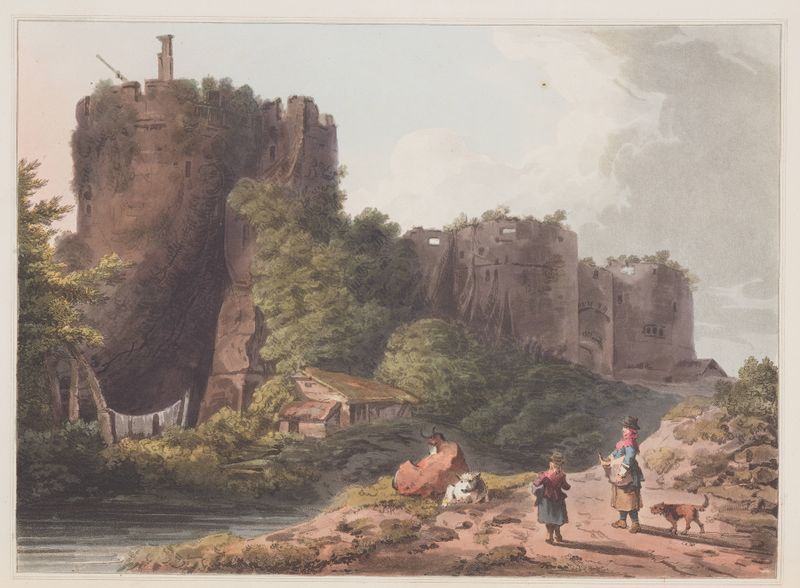
Chepstow Castle in Monmouthshire
Philip James de Loutherbourg
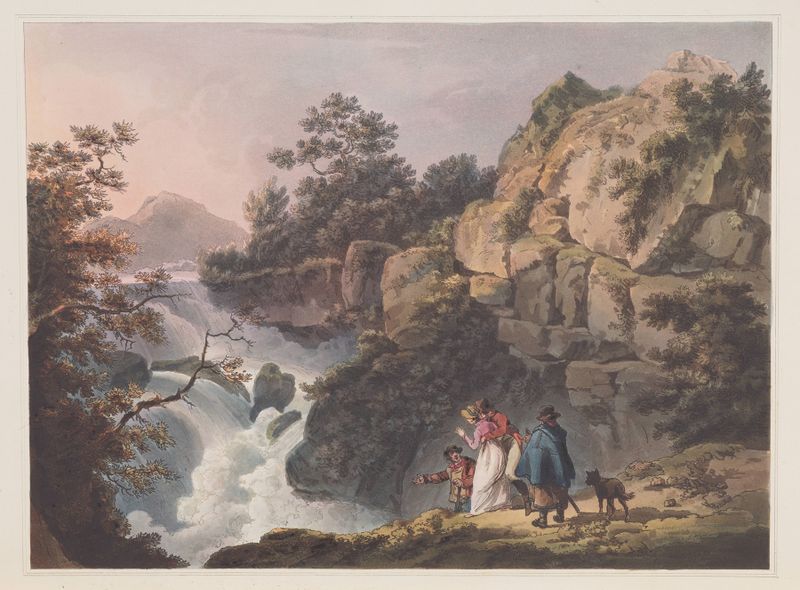
Cataract on the Llugwy
Philip James de Loutherbourg

Tintern Abbey
Philip James de Loutherbourg
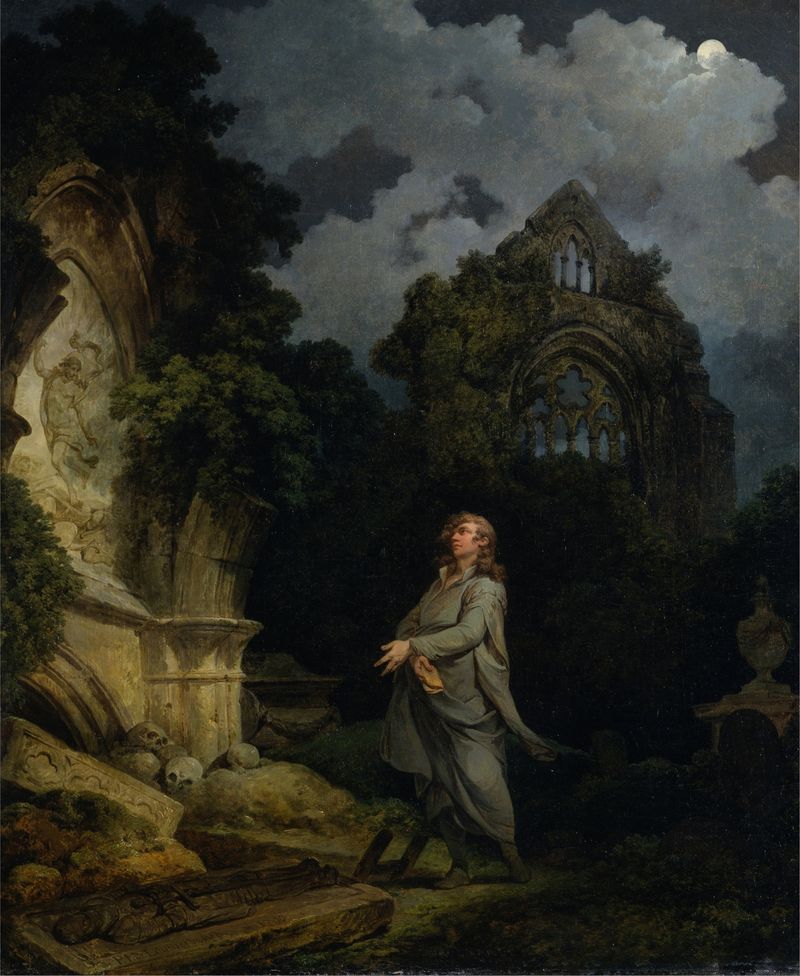
Visitor to a Moonlit Churchyard
Philip James de Loutherbourg

A Storm at the Entrance of a Mediterranean Port
Philip James de Loutherbourg
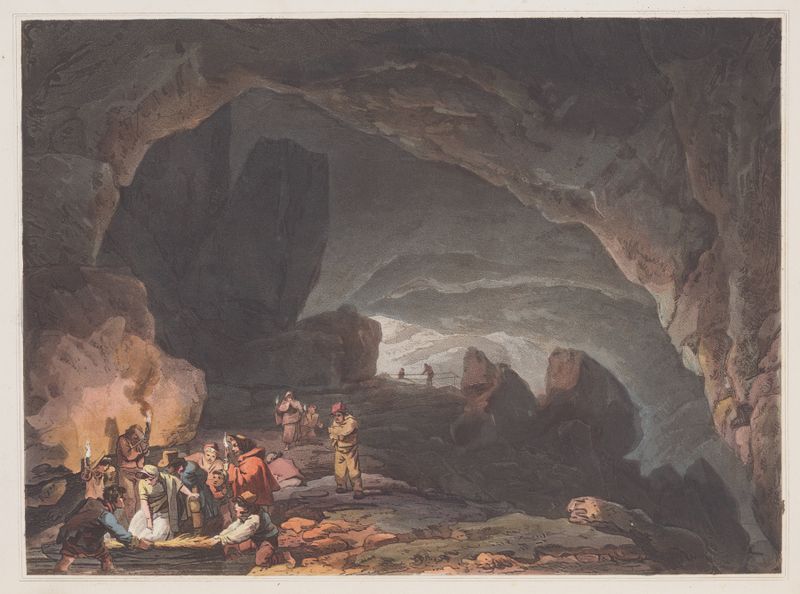
Peak’s Hole, Derbyshire
Philip James de Loutherbourg
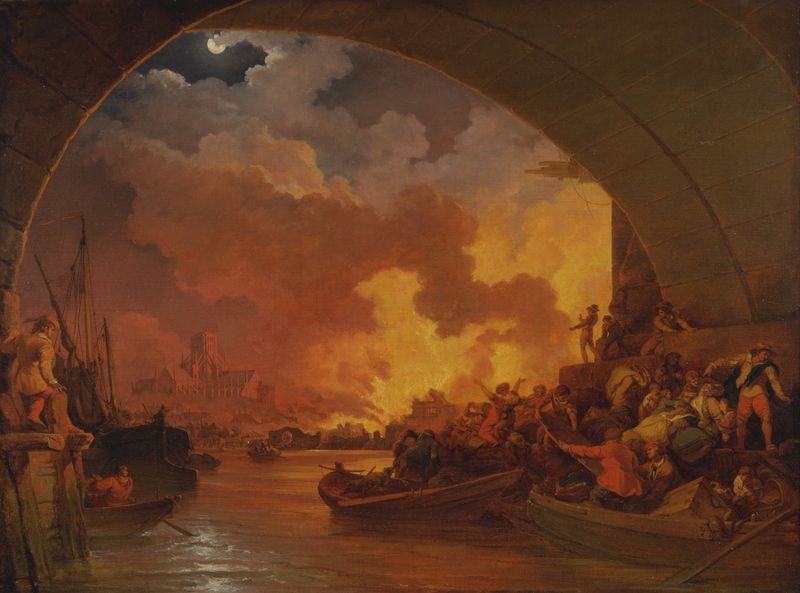
The Great Fire of London
Philip James de Loutherbourg





