
A Young Scholar — History & Facts
When A Young Scholar first appeared in the Parisian art world around 1775, it was immediately recognized as a rare foray by Jean-Honoré Fragonard into the world of quiet introspection—so unlike the frothy, flirtatious scenes that made his reputation. The painting’s subject—a solitary, absorbed student—stood in marked contrast to the playful lovers and lush gardens that populated his most celebrated canvases. Some contemporaries speculated that the work was commissioned by a learned patron, perhaps a member of the Académie, eager to see his own ideals reflected in the new Rococo style.
Yet no definitive record of its first owner survives, and the painting’s early history remains a matter of scholarly conjecture. At the heart of the composition, a young man leans over a cluttered desk, his brow furrowed in concentration as he pores over an open volume. The gentle light, likely from a nearby window, falls across his face and scattered papers, illuminating the tools of study: quills, inkwell, and a heavy tome. Fragonard’s brushwork, loose yet precise, captures the restless energy of youth and the intensity of solitary learning.
The scholar’s slightly disheveled hair and the casual drape of his coat suggest hours lost to study, while the warm palette and intimate scale invite the viewer into his private world. Unlike Chardin’s more sober depictions of scholars, Fragonard infuses the scene with a sense of immediacy and personal engagement, emphasizing the pleasures—and challenges—of intellectual pursuit. The precise medium of A Young Scholar is not documented, though it is almost certainly oil on canvas, in keeping with Fragonard’s other works of the period. The painting’s provenance is uncertain; it does not appear in early inventories of the artist’s patrons, and its whereabouts for much of the nineteenth century remain untraced.
Today, it is recognized as a rare example of Fragonard’s interest in genre scenes, reflecting the shifting tastes of late eighteenth-century France as domestic virtue and individual study gained new cultural currency. Its survival and eventual rediscovery have added a quieter, more contemplative note to our understanding of Fragonard’s career, reminding us that even the most exuberant artists could find inspiration in the simple act of learning.
More Artworks by Jean-Honoré Fragonard
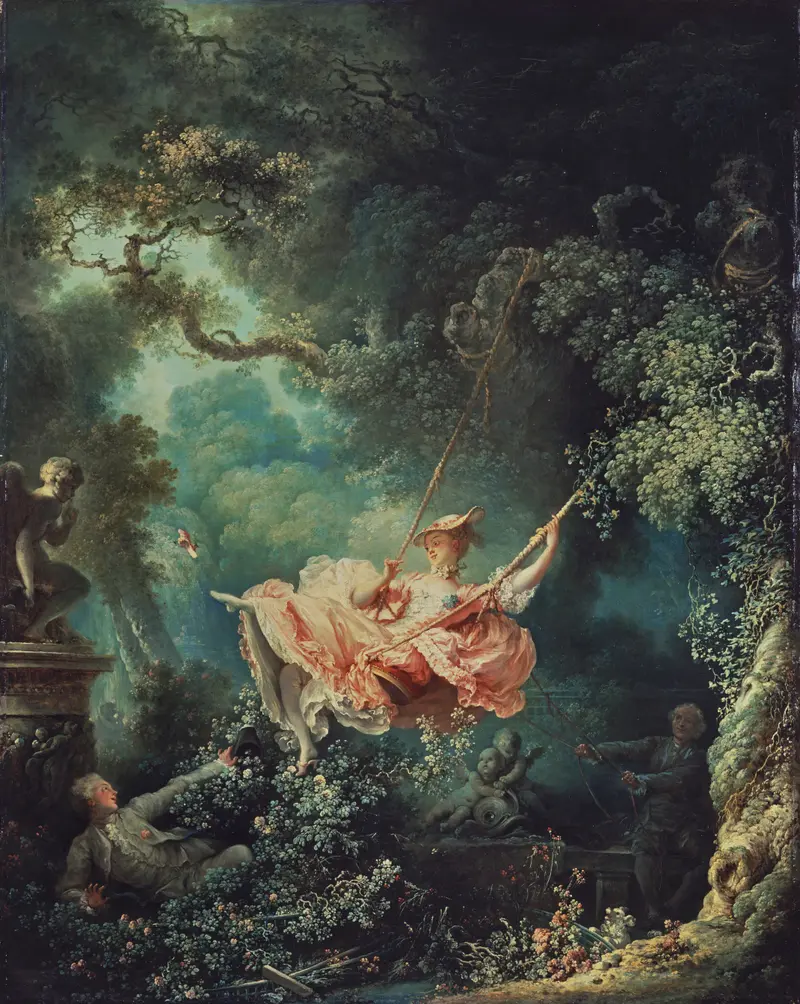
The Swing
Jean-Honoré Fragonard

The Swing
Jean-Honoré Fragonard
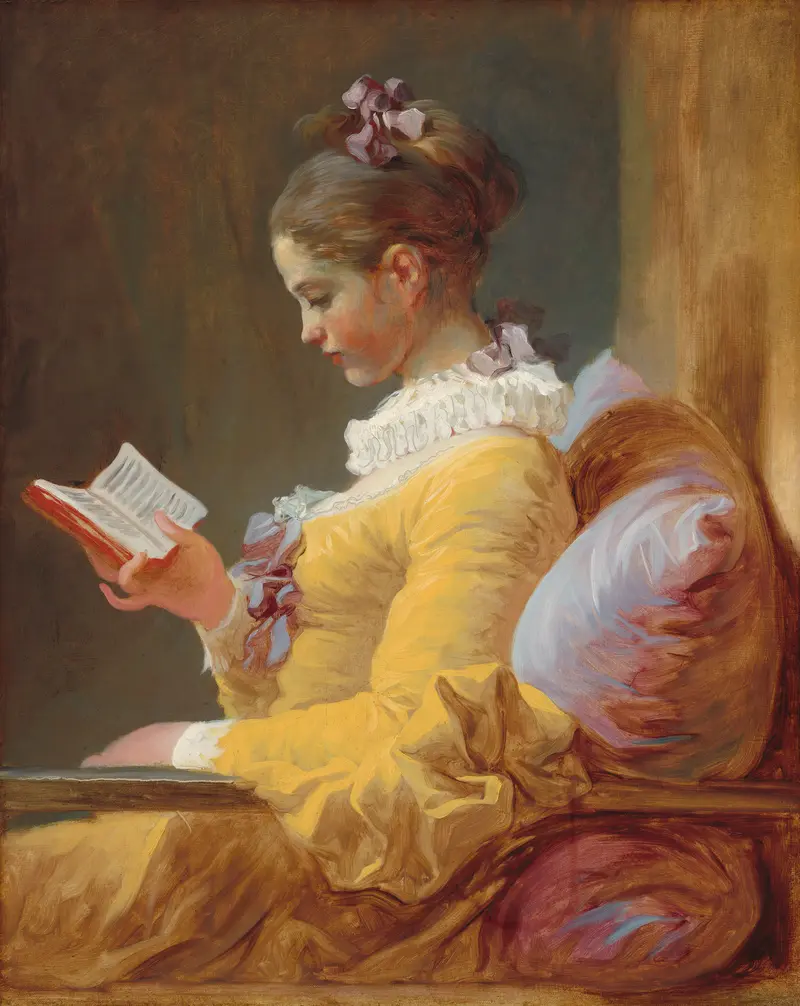
A Young Girl Reading
Jean-Honoré Fragonard
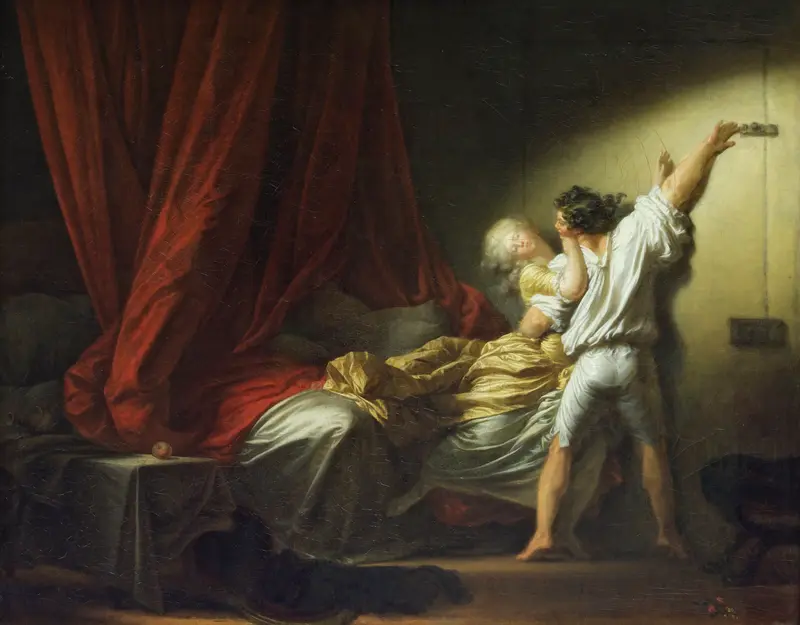
The Lock
Jean-Honoré Fragonard
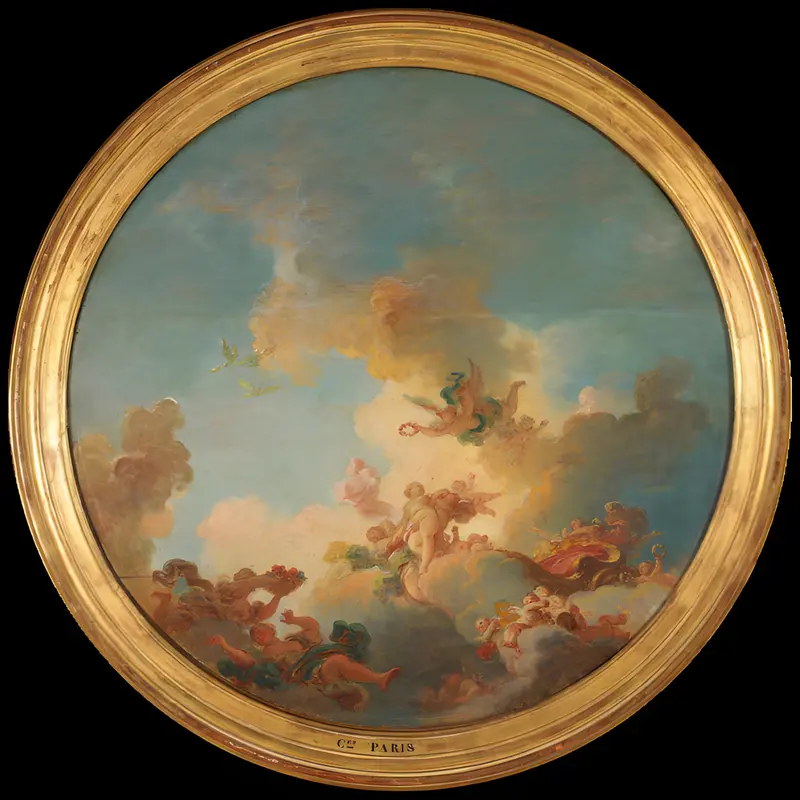
The Triumph of Venus
Jean-Honoré Fragonard
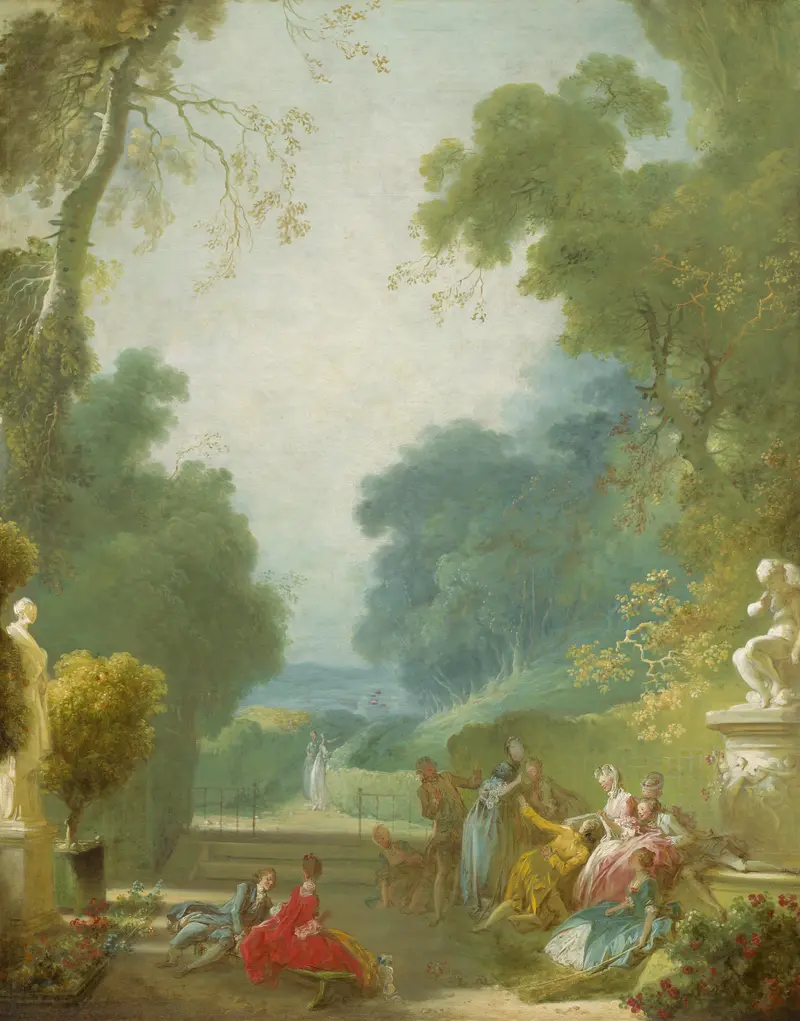
A Game of Hot Cockles
Jean-Honoré Fragonard
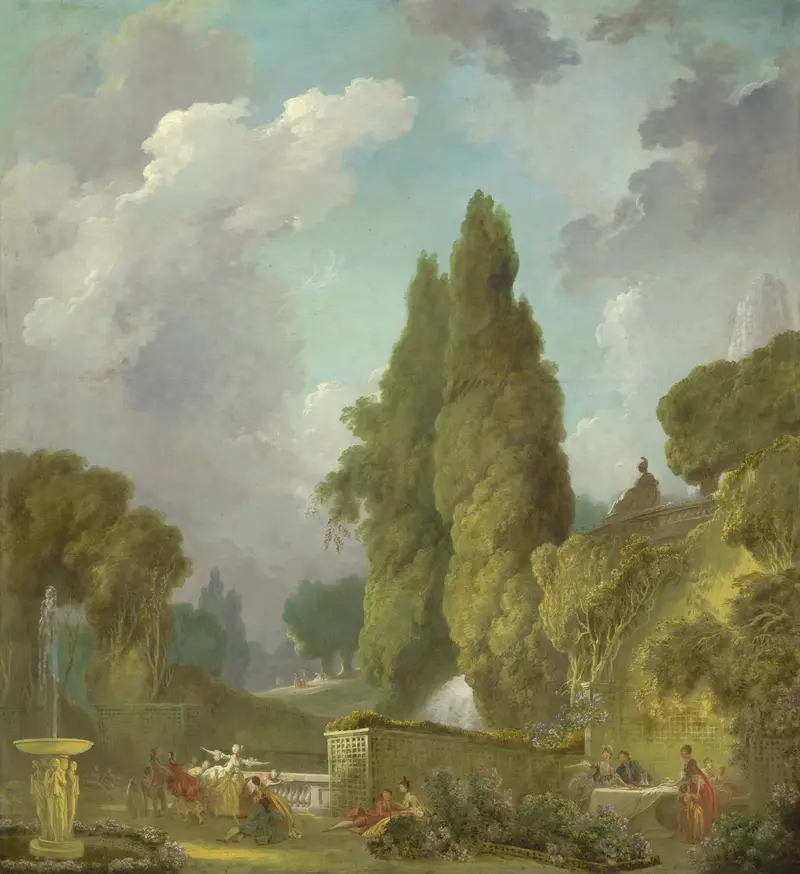
Blindman’s Buff
Jean-Honoré Fragonard
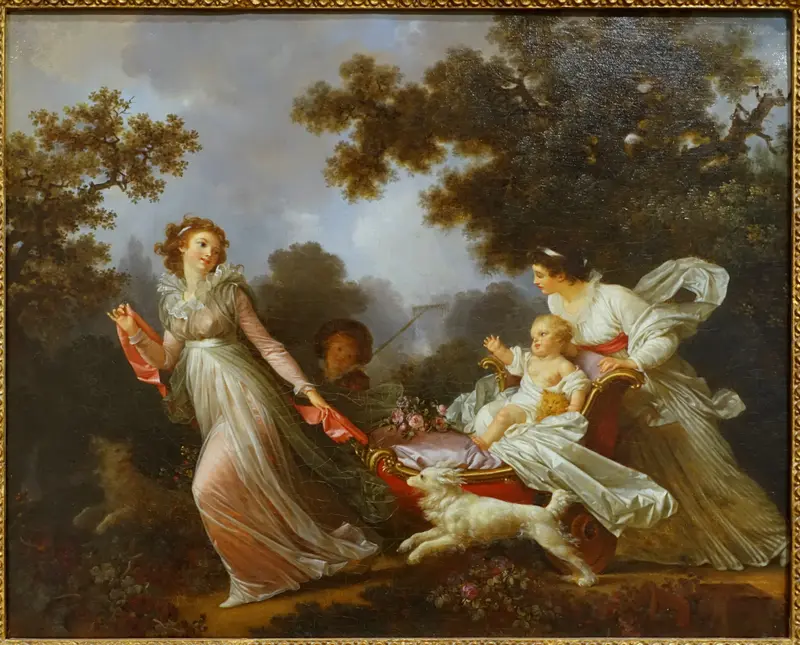
The Beloved Child
Jean-Honoré Fragonard
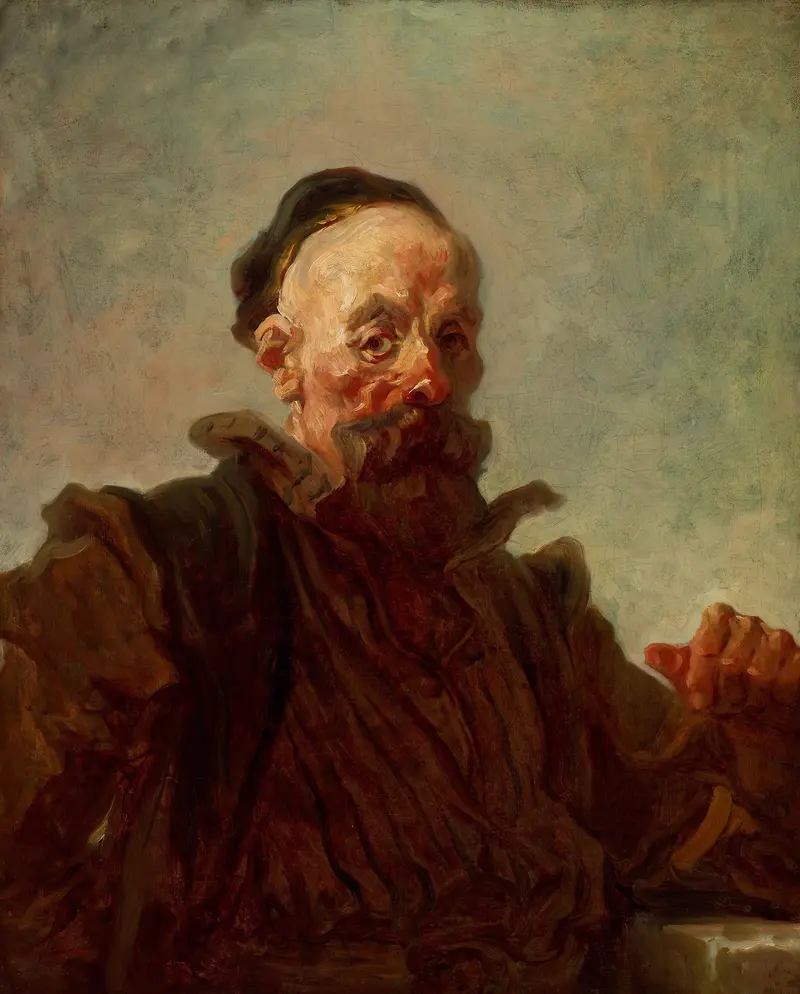
Portrait of a Man in Costume
Jean-Honoré Fragonard
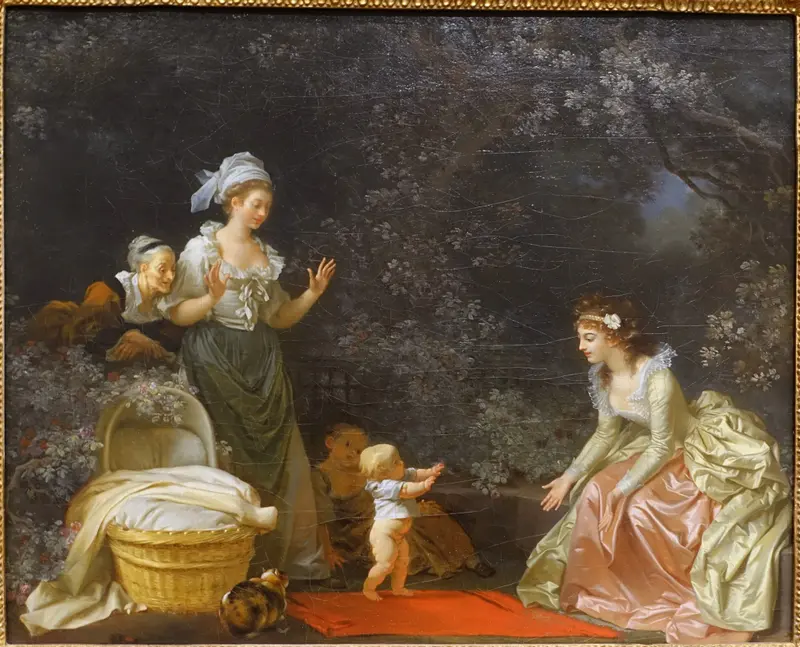
The First Steps
Jean-Honoré Fragonard
More Genre Scene Art

Banquet of the Officers of the St George Civic Guard
Frans Hals

Rembrandt and Saskia in the Scene of the Prodigal Son
Rembrandt van Rijn

Bal du moulin de la Galette
Pierre-Auguste Renoir

Quadrille at the Moulin Rouge
Henri de Toulouse-Lautrec

A Burial at Ornans
Gustave Courbet

When Will You Marry?
Paul Gauguin