
Abandoned House near Aix-en-Provence — History & Facts
What if beauty was never meant to be finished? This question reverberates through the brushstrokes and muted colors of a world caught in quiet decay. Look to the left at the crumbling facade of the house, its peeling paint barely hinting at the vibrancy of its past. Notice how the soft greens of the surrounding trees cradle the structure, providing a gentle contrast to the starkness of the building’s angles. Cézanne’s choice of a muted palette gives the scene a somber quality, evoking both nostalgia and loss, while his masterful layering of paint invites you to trace the contours of the house as if uncovering a forgotten story. In this painting, contrasts abound: the stillness of the abandoned house against the lively brushwork of nature, the transient light filtering through the trees, and the lingering shadows that seem to whisper secrets of a life once lived here.
Each stroke resonates with a sense of longing, revealing the tension between creation and decay, as if the artist captured an unfinished tale of beauty that lingers in the silence of neglect. During the years 1885 to 1887, Cézanne painted this scene in the south of France, at a time when he was wrestling with his own artistic evolution. The Impressionist movement was shifting, and he sought to forge a new path, leaning towards a more structural representation of nature and form. His focus on the essence of his subjects marked a transformative period in his life, as he moved toward capturing the underlying geometry of the world around him.
More Artworks by Paul Cezanne
Browse all →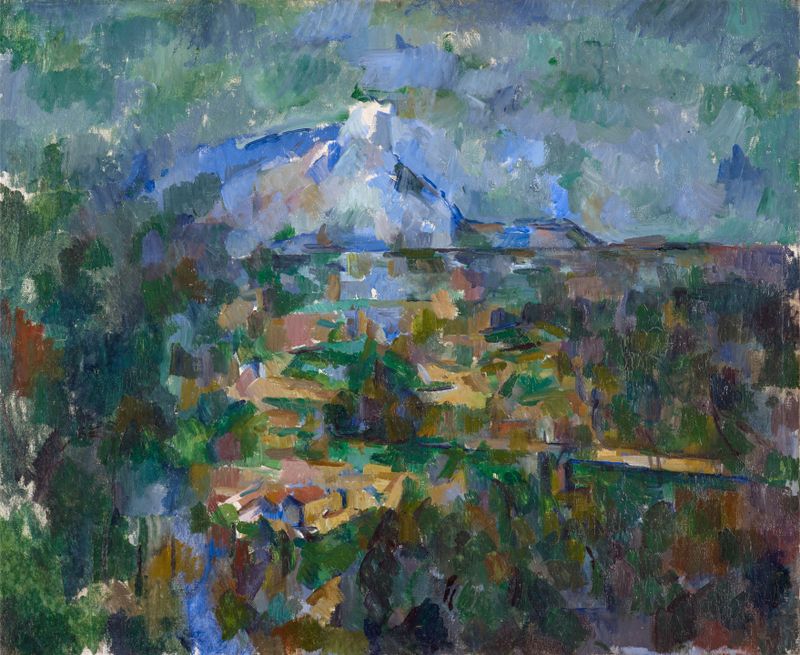
The Mont Sainte-Victoire Seen From Les Lauves
Paul Cezanne
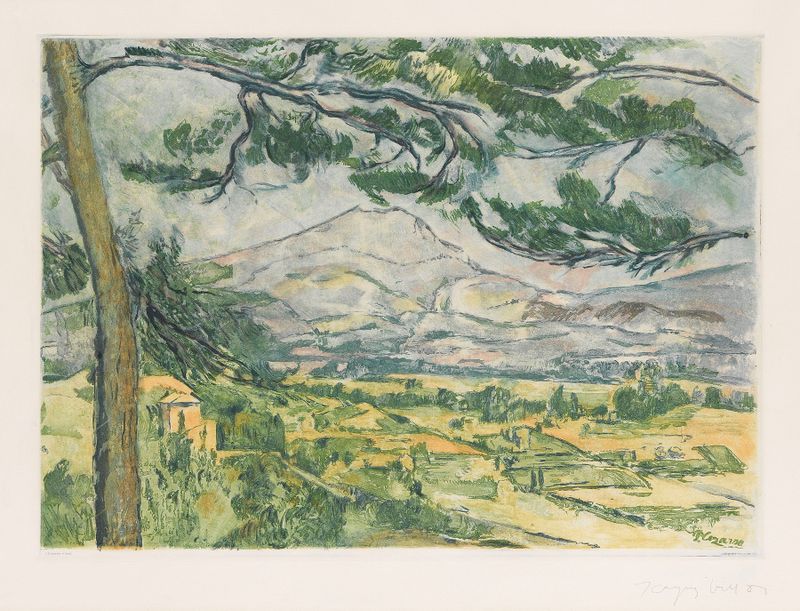
La Montagne Sainte-Victoire
Paul Cezanne
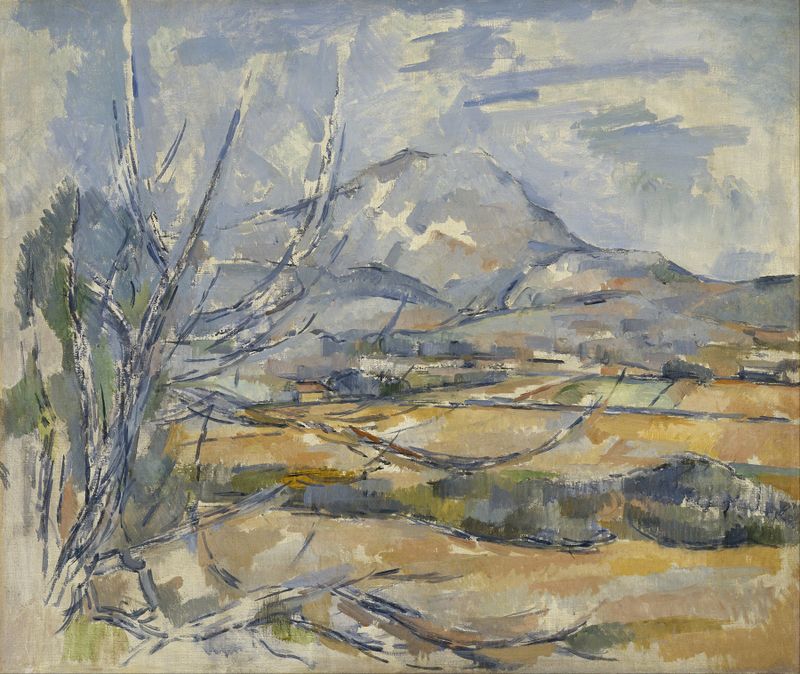
Montagne Sainte-Victoire
Paul Cezanne
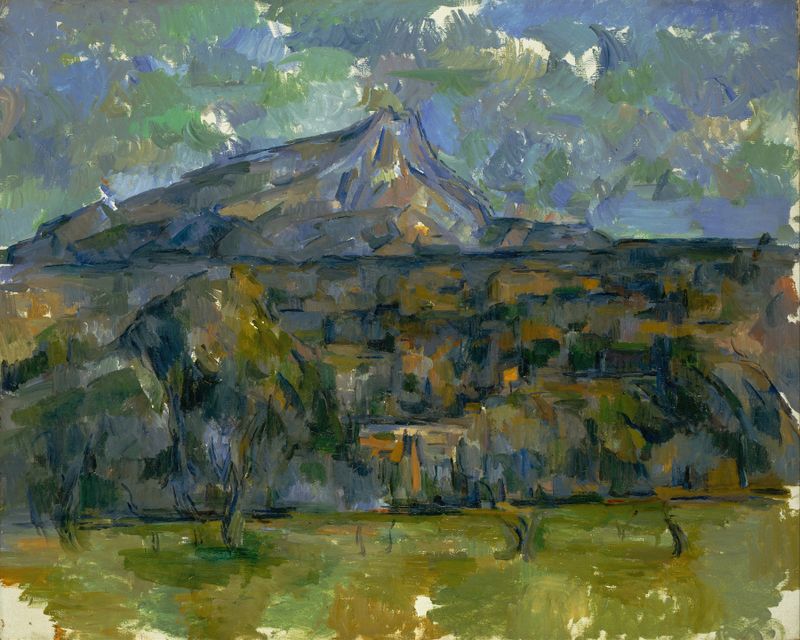
Mont Sainte-Victoire
Paul Cezanne
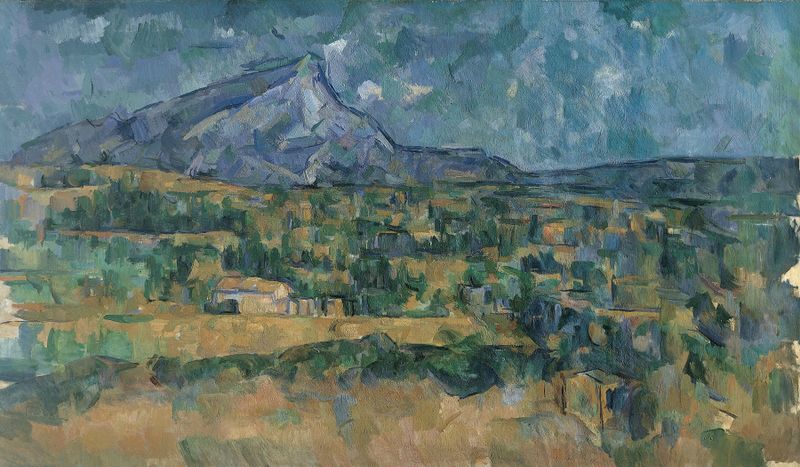
Mont Sainte-Victoire
Paul Cezanne
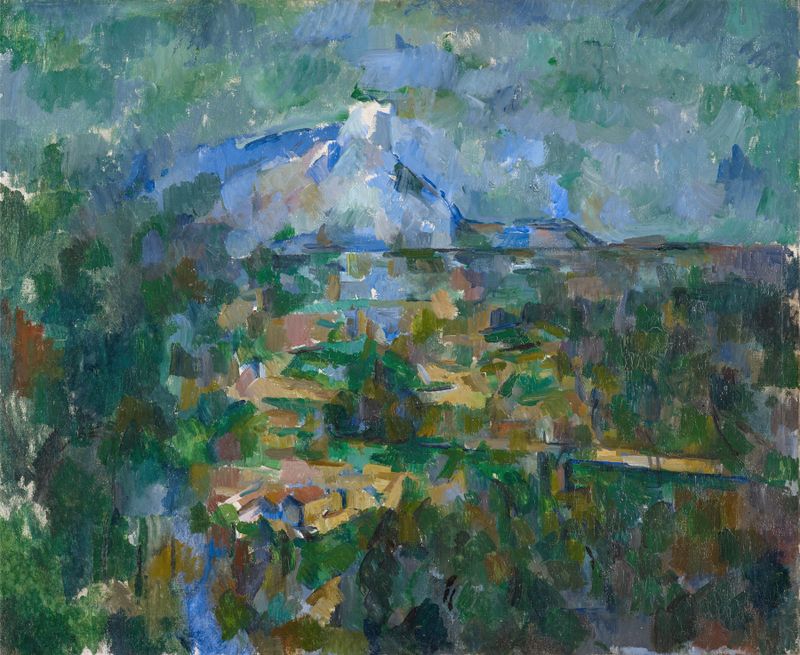
View of Mount Sainte-Victoire from Les Lauves
Paul Cezanne
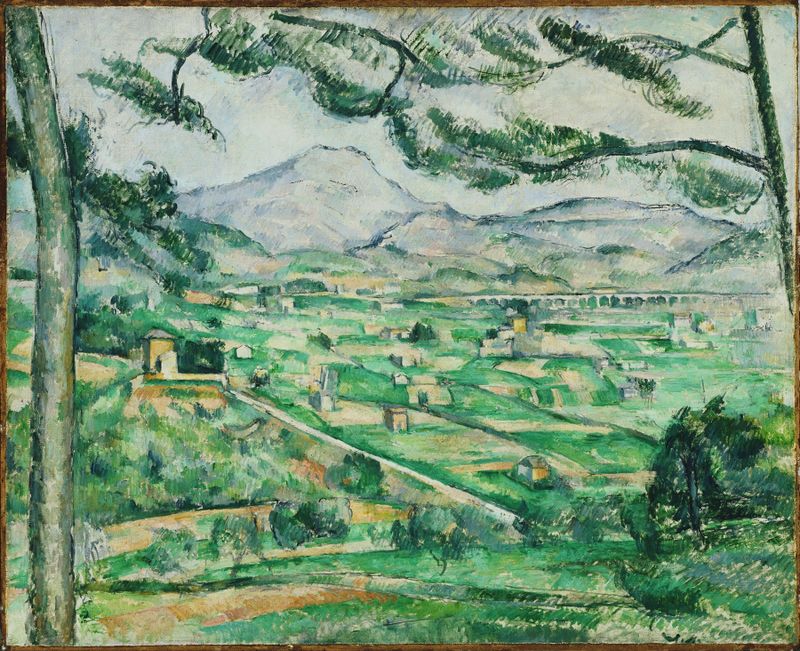
Mont Sainte-Victoire 2
Paul Cezanne

The Basket of Apples
Paul Cezanne

Mount Sainte-Victoire
Paul Cezanne
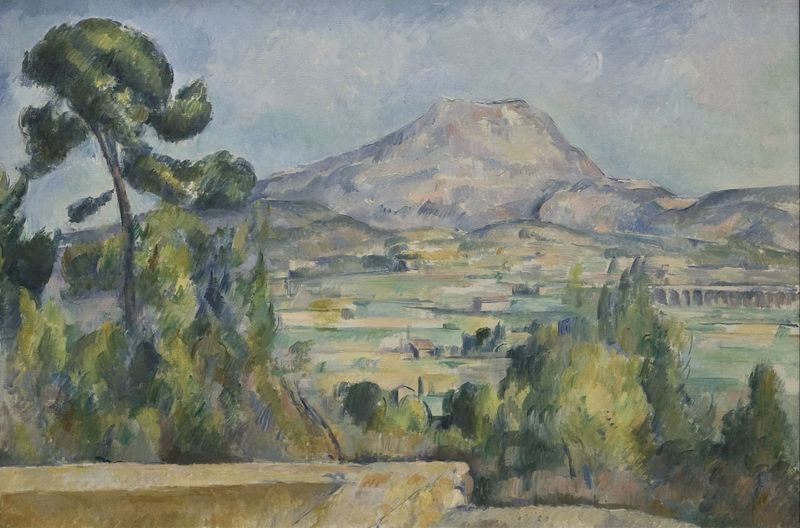
Montagne Saint-Victoire
Paul Cezanne





