
Abdul Karim with a Green Scarf — History & Facts
The first thing that seizes the eye in Abdul Karim with a Green Scarf is the scarf itself: a bolt of green, almost electric against the deep blues and reds that frame the figure. The scarf is not just an accessory but a declaration, drawing the gaze up to the sitter’s face, where the brushwork grows restless and searching. Munch’s hand is visible everywhere: in the angular shoulders, the rough geometry of the background, the way color blocks seem to press in, as if the world itself is leaning forward to study the man.
The sitter’s gaze is steady, neither inviting nor rejecting, and the set of his mouth suggests a private resolve. The portrait’s energy comes from this tension—between the vividness of the paint and the reserve of the man. Painted in 1916, this work belongs to a moment when Edvard Munch was exploring the expressive power of color and form, pushing beyond naturalism into something more psychological. Portraits like this, created in early twentieth-century Europe, were often commissioned to assert status or capture likeness, but here the usual conventions are unsettled.
The sitter, Abdul Karim, remains an enigma; history has kept few traces of who he was beyond his role as a model. Yet in this painting, he is given presence and dignity, his individuality marked by the bold palette and the charged, modernist brushwork. The painting now resides in the collection of the Munchmuseet, a testament to both the artist’s restless experimentation and the silent stories of those who sat for him.
The longer you look, the more the green scarf seems to pulse with its own life, inviting you to wonder about the man behind it.
More Artworks by Edvard Munch

The Scream
Edvard Munch

The Scream (1910 version)
Edvard Munch

Despair
Edvard Munch

The Day After
Edvard Munch
The Sick Child
Edvard Munch
Moonlight
Edvard Munch
The Kiss
Edvard Munch
Two Women on the Shore
Edvard Munch
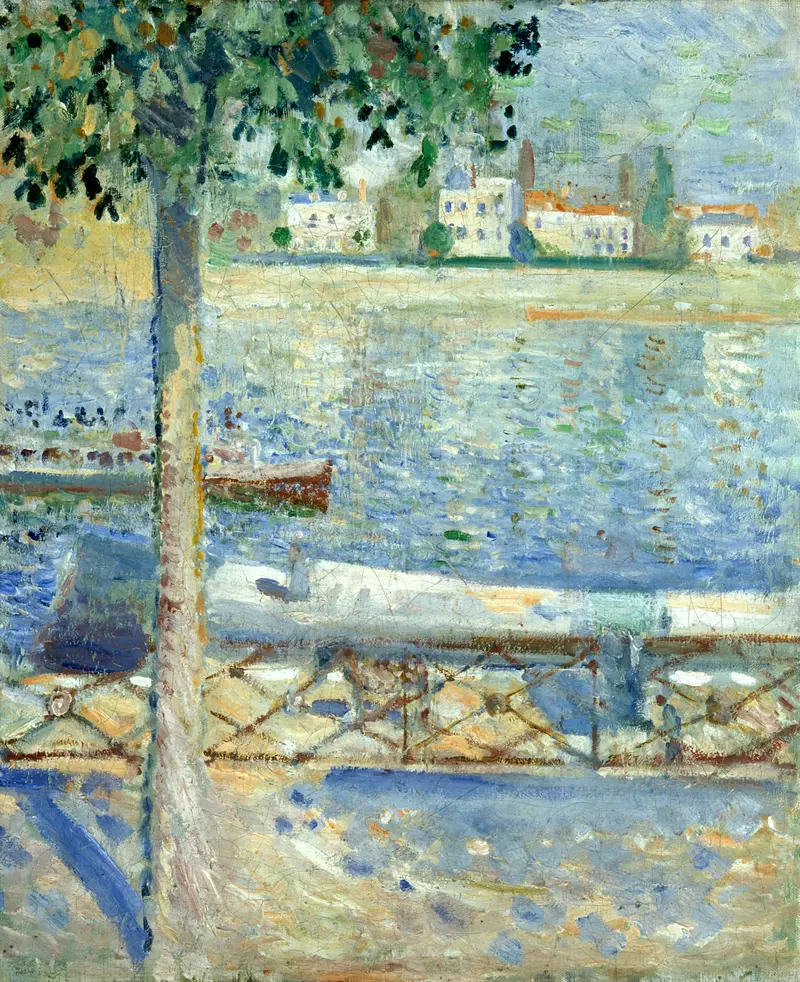
The Seine At Saint-Cloud
Edvard Munch
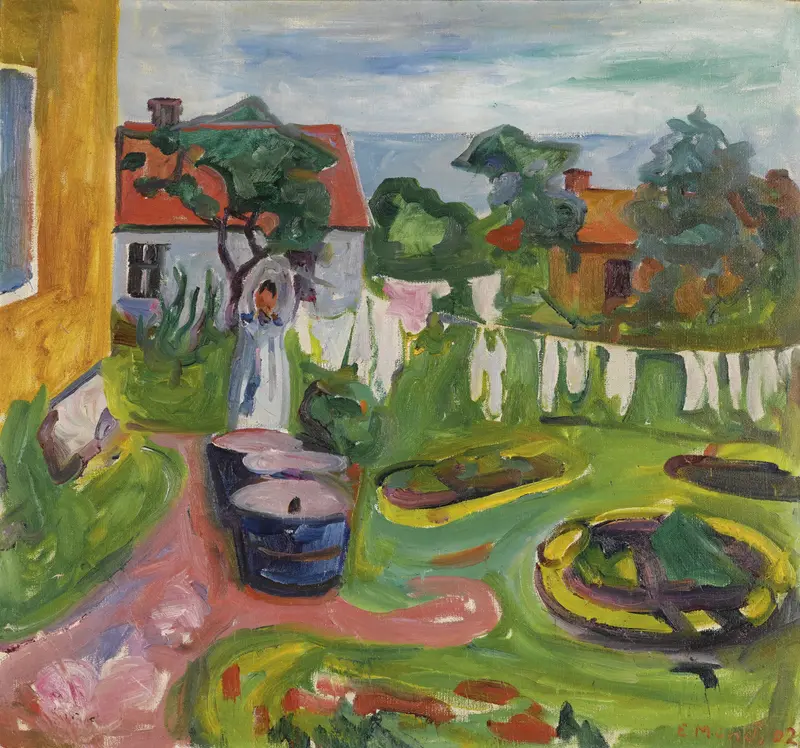
Klestørk I Åsgårdstrand (Clothes On A Line In Åsgårdstrand)
Edvard Munch





