
Abraham van (I) Strij Ecce Homo DM 014 1112 Dordrechts Museum — History & Facts
A figure stands alone in a shallow niche, his body rendered with the stillness of carved stone, yet his eyes and parted lips speak of a living sorrow. The crown of thorns pressed into his brow and the reed in his bound hands are unmistakable signs: this is the moment of Ecce Homo, when Christ is shown to the crowd, mocked and suffering, but not yet broken. The artist, Abraham van Strij (I), has chosen a palette of muted earth and ash, so that the flesh and drapery seem almost sculpted from the wall itself.
The light falls from above, catching the curve of the shoulder and the tension in the bound wrists, drawing the viewer’s gaze to the humanity of the figure rather than the spectacle. The inscription “Ecce Homo” beneath the feet is not just a title but a challenge: behold the man, and reckon with the weight of this moment. This work belongs to the later eighteenth century, a time when Dutch artists like van Strij were turning back to classical restraint and clarity after the exuberance of the Baroque. Paintings of Ecce Homo were often commissioned for private devotion or as exercises in piety and skill, their purpose to invite reflection rather than awe.
The Dordrechts Museum preserves this piece, dating it between 1750 and 1774, a period when religious imagery was shaped as much by Enlightenment ideals as by tradition. History has kept few traces of this particular painting’s journey, but its quiet gravity and sculptural illusion offer a window into the era’s search for meaning in the familiar stories of faith. Stand before it, and let your eye trace the lines of sorrow and resolve that have spoken to viewers for centuries.
More Artworks by Abraham van Strij (I)

Abraham van (I) Strij Portret van Petronella van der Koogh (1788 89 1878), echtgenote van Jr. DM 017 1190 Dordrechts Museum
Abraham van Strij (I)

Abraham van (I) Strij Binnenhuis met vrouw en kind DM 847 42 Dordrechts Museum
Abraham van Strij (I)

Hendrik Weymans and his Family
Abraham van Strij (I)
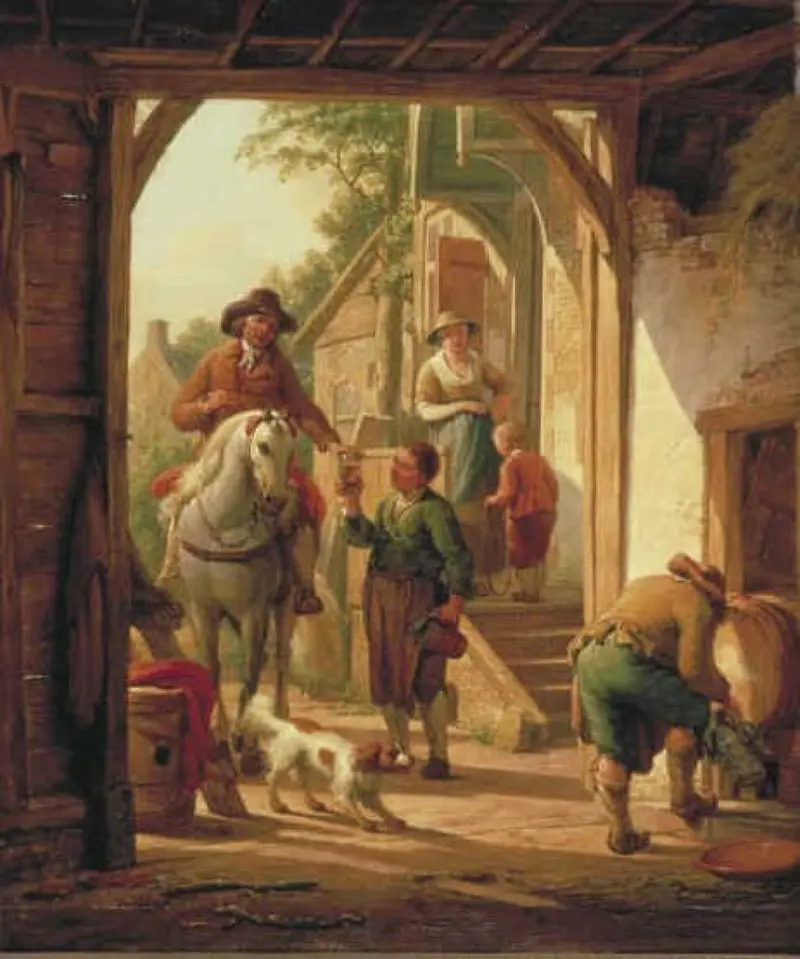
Horseman Resting near a Village Inn
Abraham van Strij (I)
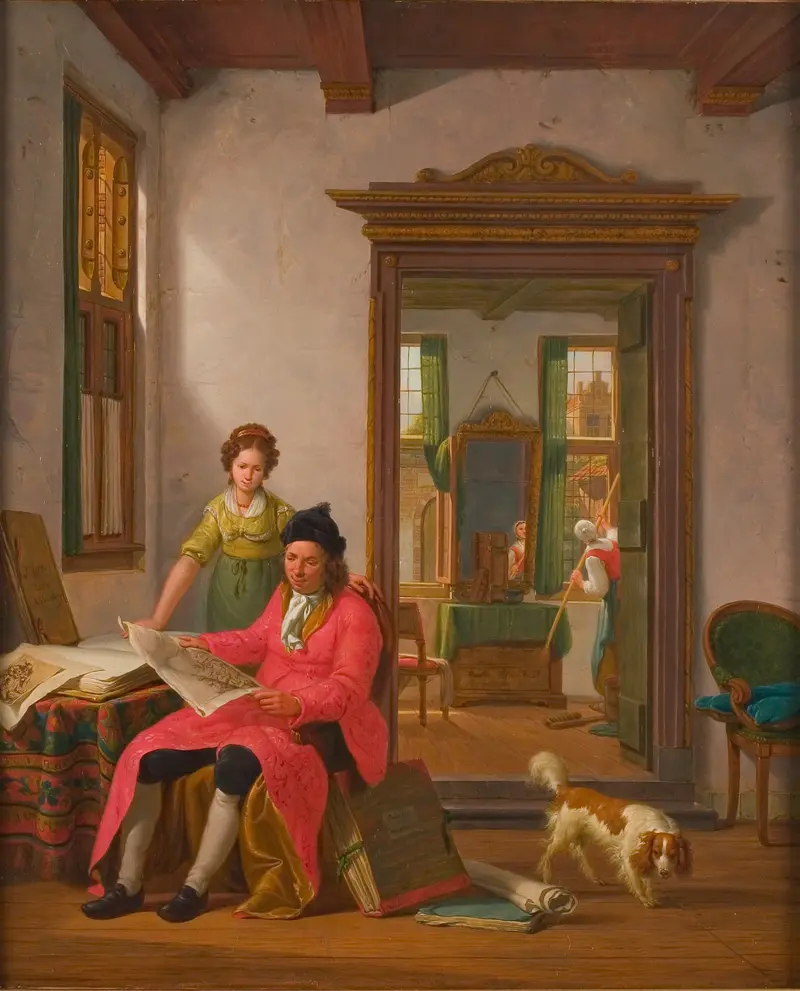
Portrait of an unknown man
Abraham van Strij (I)
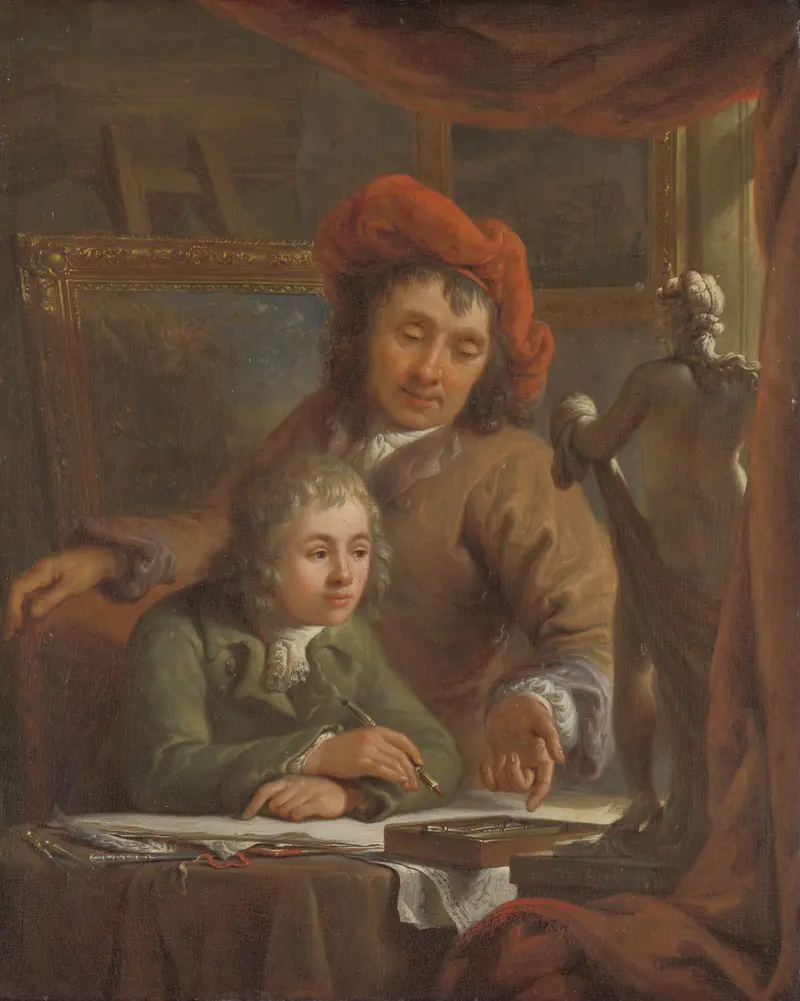
The Drawing Lesson
Abraham van Strij (I)
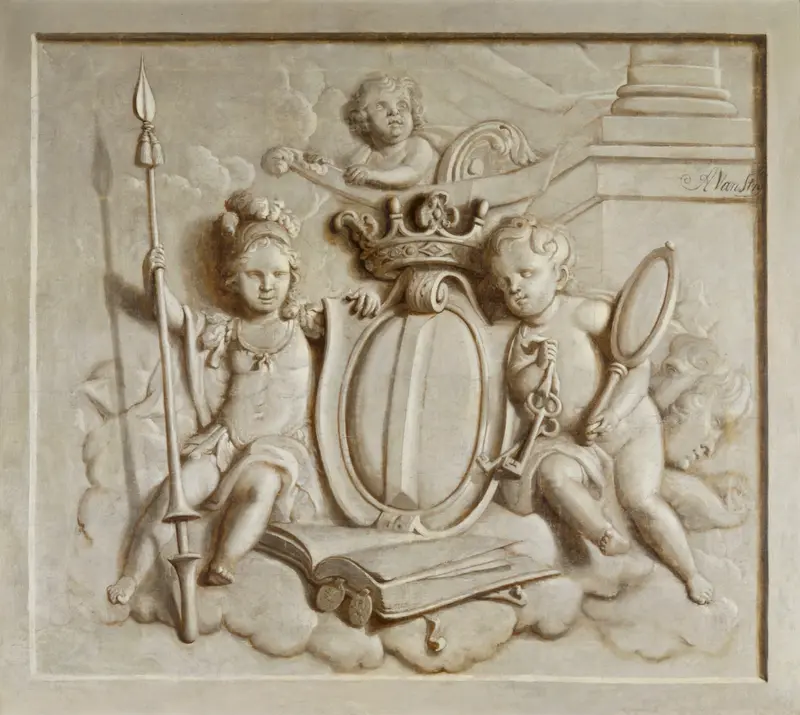
Abraham van (I) Strij Bovendeurstuk met allegorie op de stad Dordrecht DM 017 1188 Dordrechts Museum
Abraham van Strij (I)
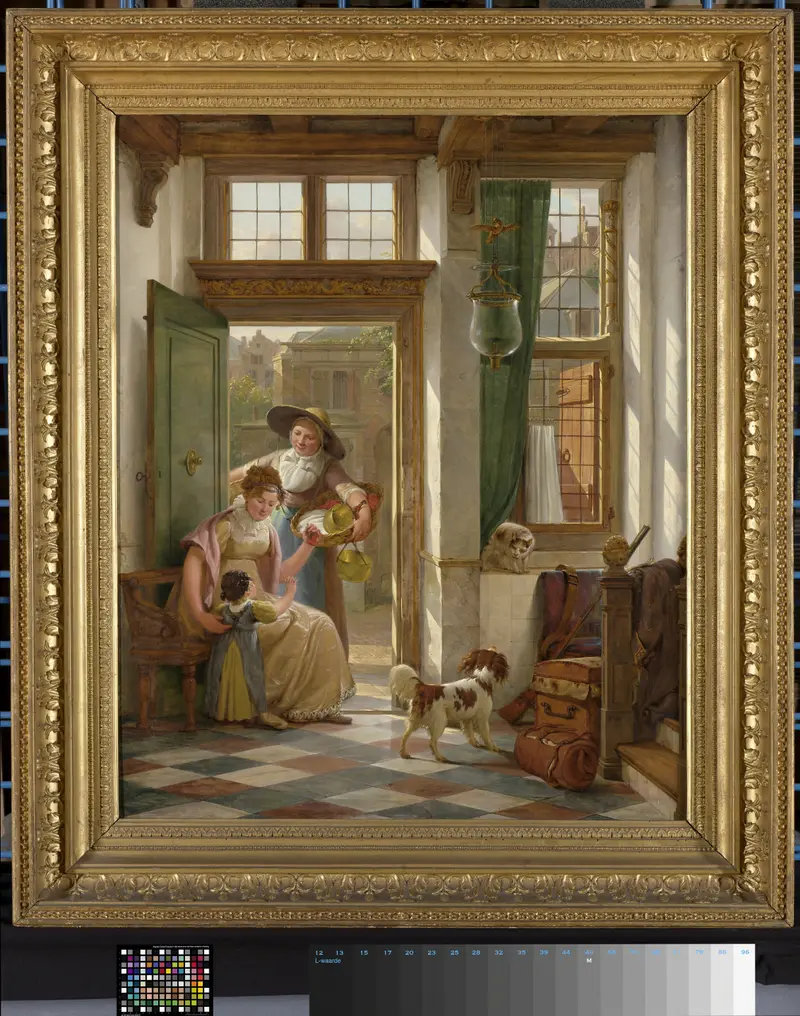
Een kersenverkoopster aan de deur
Abraham van Strij (I)
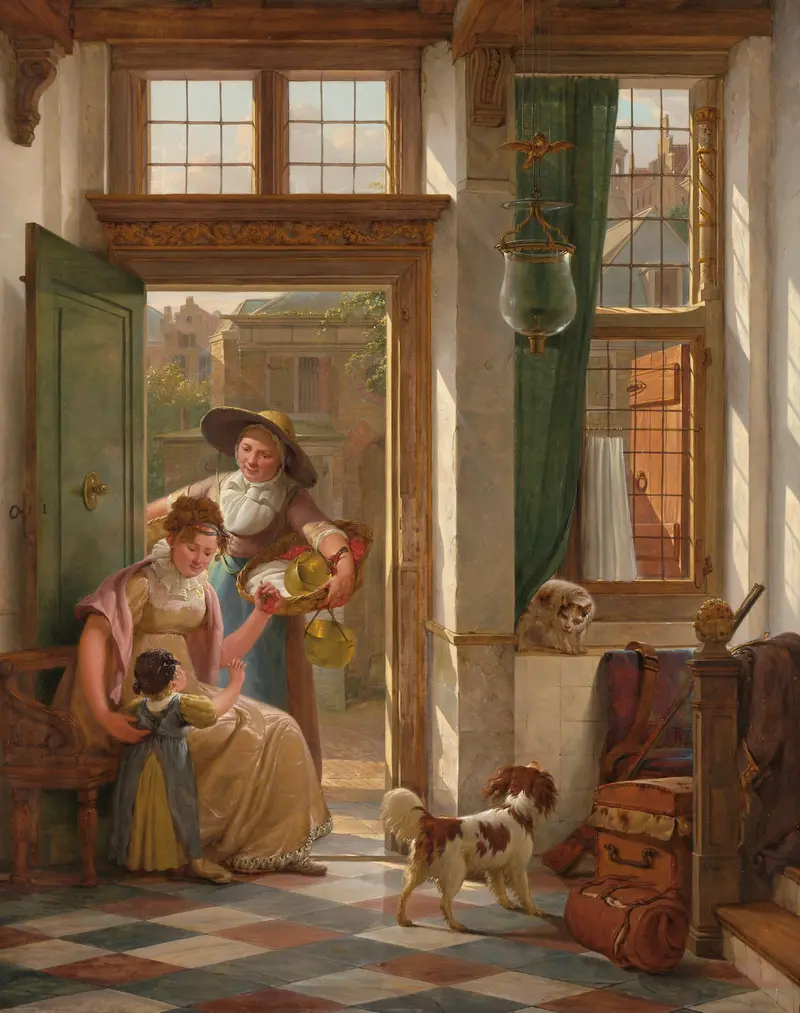
A Cherry Vendor at the Door
Abraham van Strij (I)
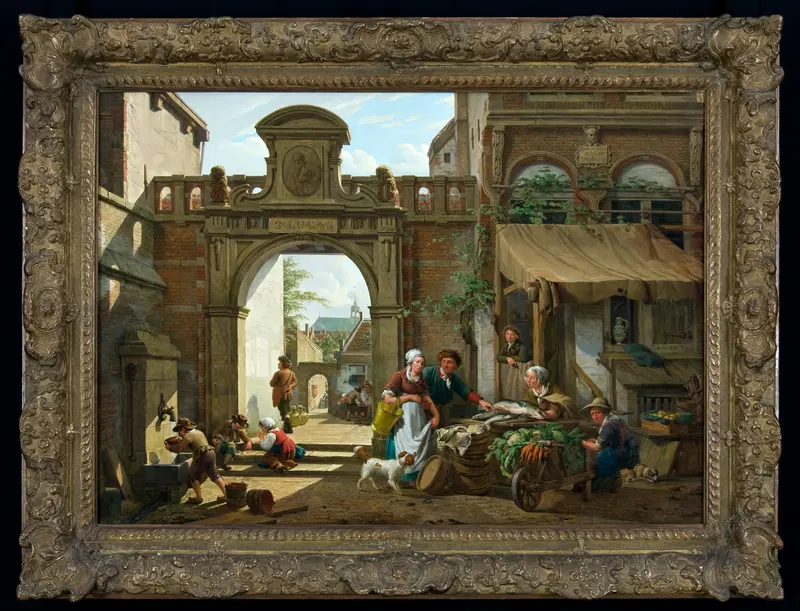
Abraham van (I) Strij Stadsgezicht met het gebouw van het St. Lucasgilde DM 010 950 Dordrechts Museum
Abraham van Strij (I)





