
Abraham van (I) Strij Gekruisigde Christus DM 014 1113 Dordrechts Museum — History & Facts
What first catches the eye in this crucifixion by Abraham van Strij (I) is its hushed, almost sculptural stillness. The figure of Christ is rendered with a quiet gravity, his body illuminated against a muted, architectural backdrop that feels more like a stage than a landscape. The artist draws the viewer’s gaze upward along the vertical thrust of the cross, pausing at the delicate twist of Christ’s torso and the expressive tilt of his head.
The subdued palette and gentle modeling of flesh suggest a meditation on suffering that is inward, almost private, rather than theatrical. At Christ’s feet, a serpent coils around the base, a detail that invites the viewer to linger and consider its symbolic weight—echoing the age-old Christian motif of Christ’s triumph over sin and death. Painted between 1750 and 1774, this work belongs to a period when Dutch artists like van Strij often looked back to the old masters, seeking to balance devotional clarity with a new sensitivity to human emotion. Such images were typically commissioned for private chapels or local churches, intended to foster contemplation rather than dazzle with spectacle.
The presence of this painting today in the Dordrechts Museum is a reminder of the quieter, more personal side of eighteenth-century religious art—a world where the drama of faith played out in the shadows and silences as much as in grand public altarpieces. Look again at the careful placement of light and the restrained gesture: here, every detail is an invitation to reflect, not just to see.
More Artworks by Abraham van Strij (I)

Abraham van (I) Strij Portret van Petronella van der Koogh (1788 89 1878), echtgenote van Jr. DM 017 1190 Dordrechts Museum
Abraham van Strij (I)

Abraham van (I) Strij Binnenhuis met vrouw en kind DM 847 42 Dordrechts Museum
Abraham van Strij (I)

Hendrik Weymans and his Family
Abraham van Strij (I)
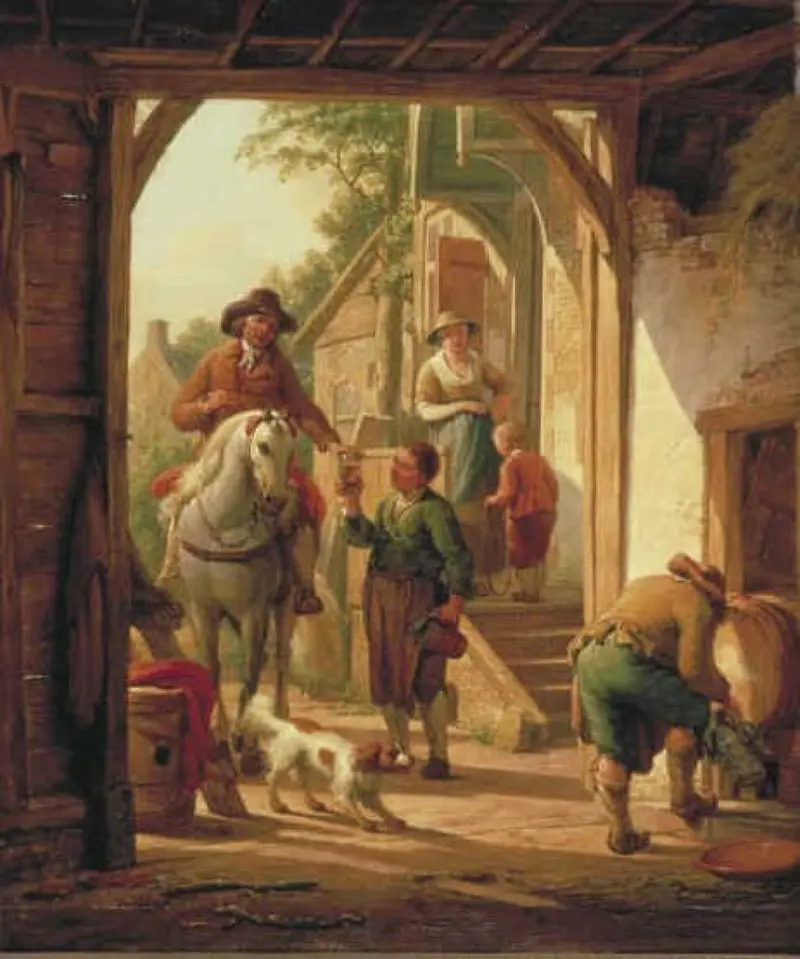
Horseman Resting near a Village Inn
Abraham van Strij (I)
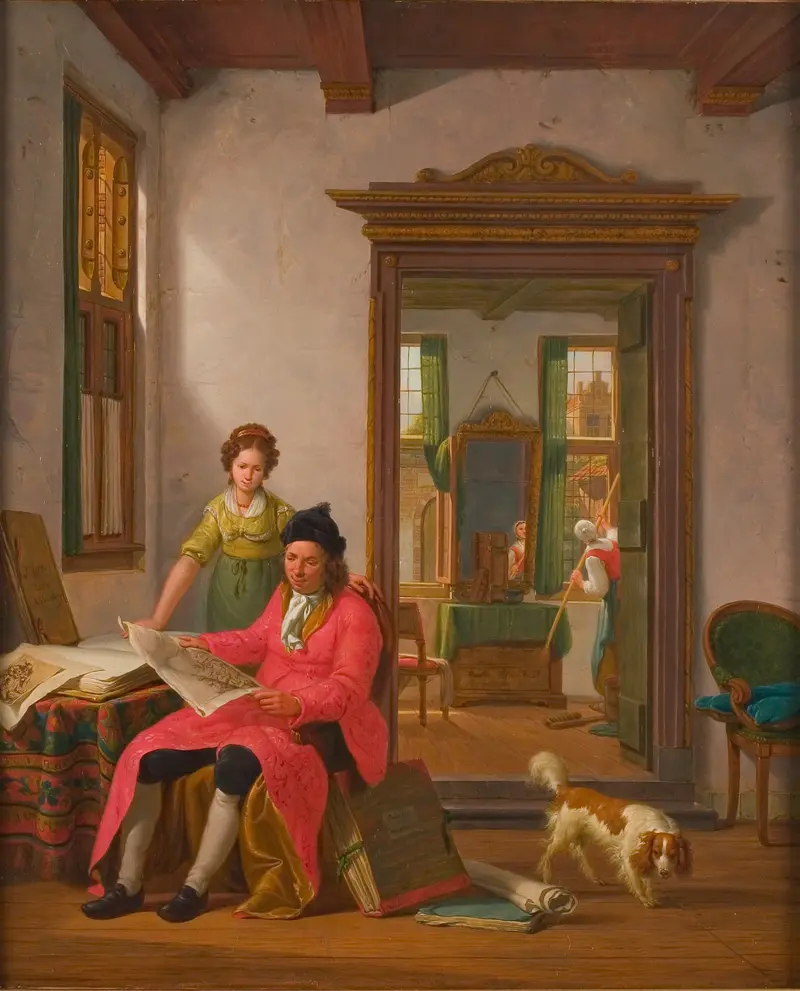
Portrait of an unknown man
Abraham van Strij (I)
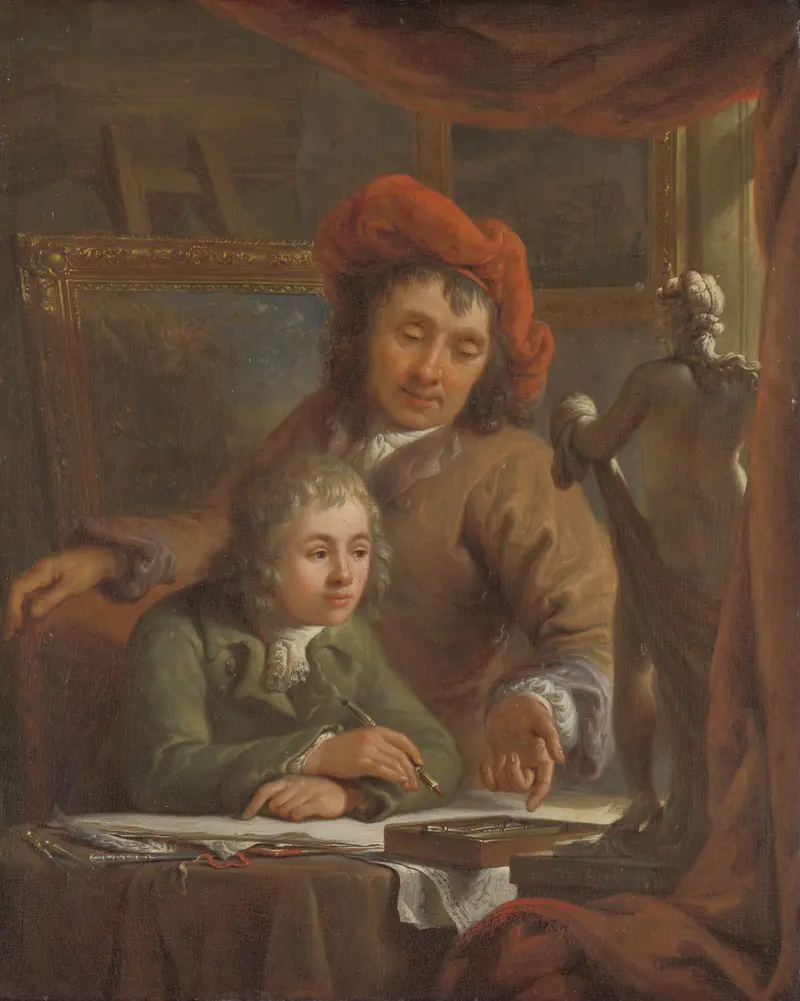
The Drawing Lesson
Abraham van Strij (I)
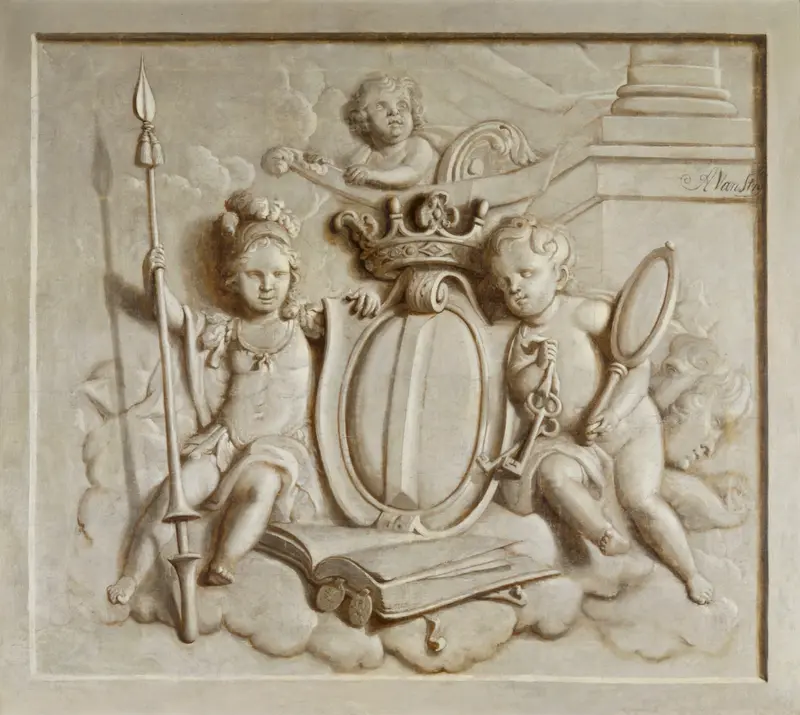
Abraham van (I) Strij Bovendeurstuk met allegorie op de stad Dordrecht DM 017 1188 Dordrechts Museum
Abraham van Strij (I)
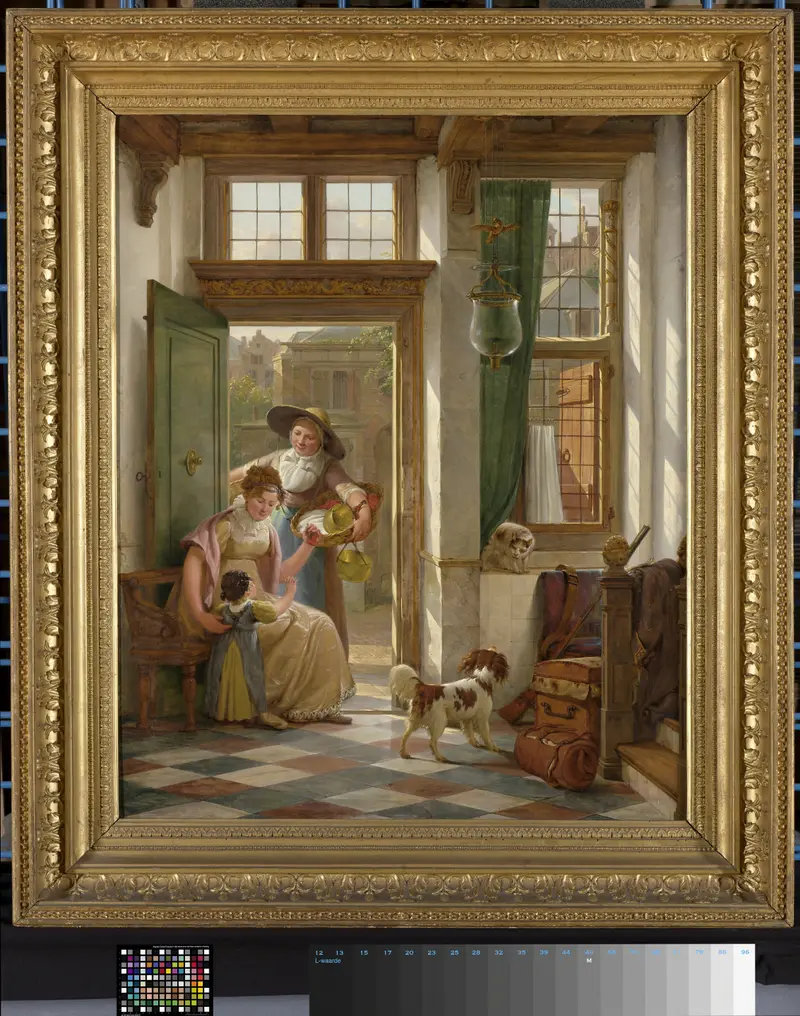
Een kersenverkoopster aan de deur
Abraham van Strij (I)
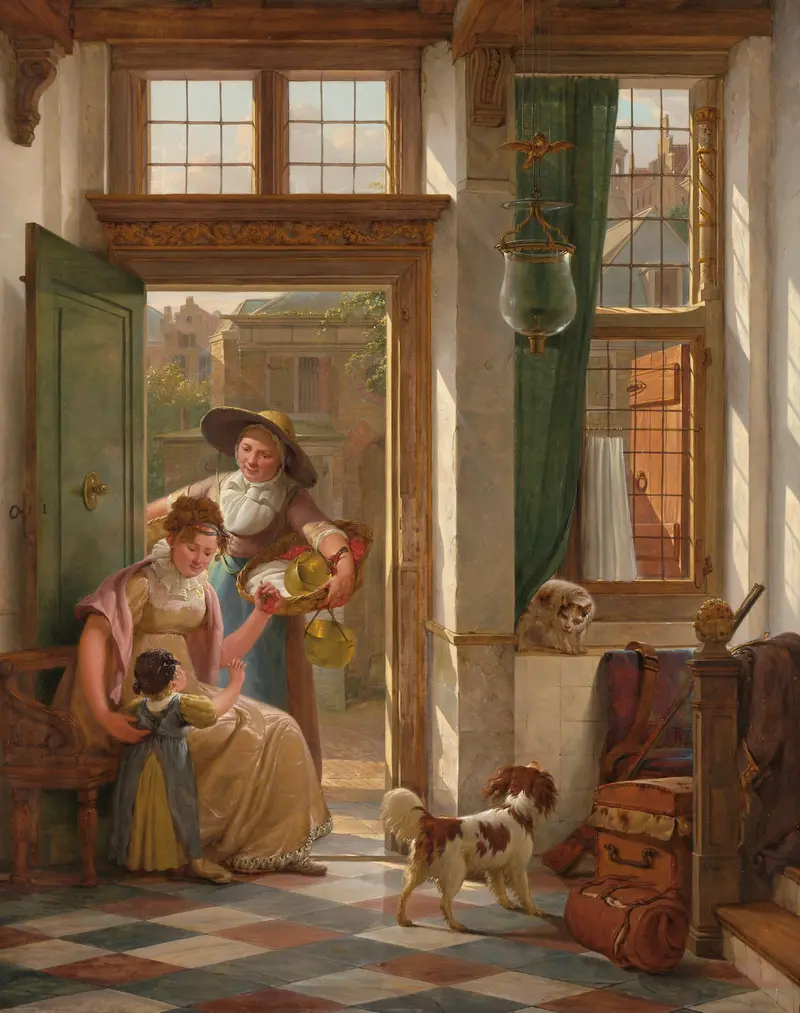
A Cherry Vendor at the Door
Abraham van Strij (I)
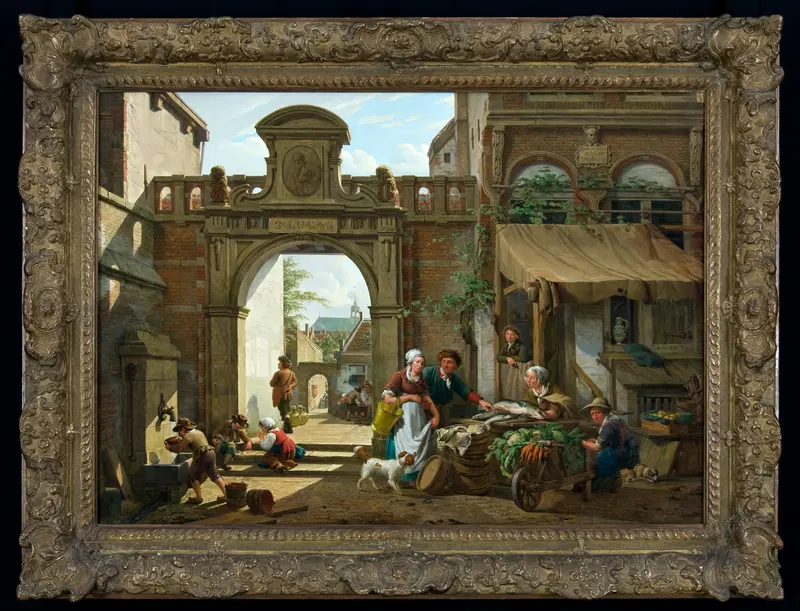
Abraham van (I) Strij Stadsgezicht met het gebouw van het St. Lucasgilde DM 010 950 Dordrechts Museum
Abraham van Strij (I)





