
Sainte Catherine — History & Facts
No one knows exactly when or for whom Sainte Catherine by Abraham Bloemaert was painted, but the work stands out as a rare example of the Utrecht master’s fascination with female saints—an interest that spanned decades and produced several variations on the theme. The painting’s precise origins remain a puzzle, as no commission records or early inventories mention it, yet its subject and style strongly suggest it was created during the height of the Dutch Catholic revival in the early seventeenth century. The uncertainty surrounding its date and medium has fueled ongoing scholarly debate, with some experts placing it in the 1610s, while others argue for a later period in Bloemaert’s prolific career. At the center of the composition, Saint Catherine of Alexandria appears at the moment of her miraculous deliverance.
According to legend, Catherine was condemned to die on a spiked wheel for refusing to renounce her Christian faith, but the instrument shattered at her touch—an event Bloemaert captures through the broken wheel at her feet and the upward gaze that suggests divine intervention. The palm branch she holds is a traditional symbol of martyrdom, while the regal crown and rich garments recall her noble status. Unlike the more dramatic, action-filled versions by Caravaggio or Rubens, Bloemaert’s Catherine is serene, her calm expression inviting contemplation rather than horror.
The soft, golden light that bathes the figure emphasizes her spiritual purity and the sense of a miracle quietly unfolding. The later history of Sainte Catherine is as enigmatic as its creation. There is no surviving documentation of its early ownership, and the painting’s whereabouts during the centuries following Bloemaert’s death are unclear. It is typical of the Utrecht school’s devotional works, which often circulated among Catholic patrons in the Dutch Republic and abroad.
Today, the painting’s attribution to Bloemaert is widely accepted, thanks to stylistic analysis and comparison with his signed works. Its current home in an online gallery allows a global audience to appreciate both the artistry and the enduring mystery surrounding this quietly powerful image.
More Artworks by Abraham Bloemaert

Adam and Eve
Abraham Bloemaert
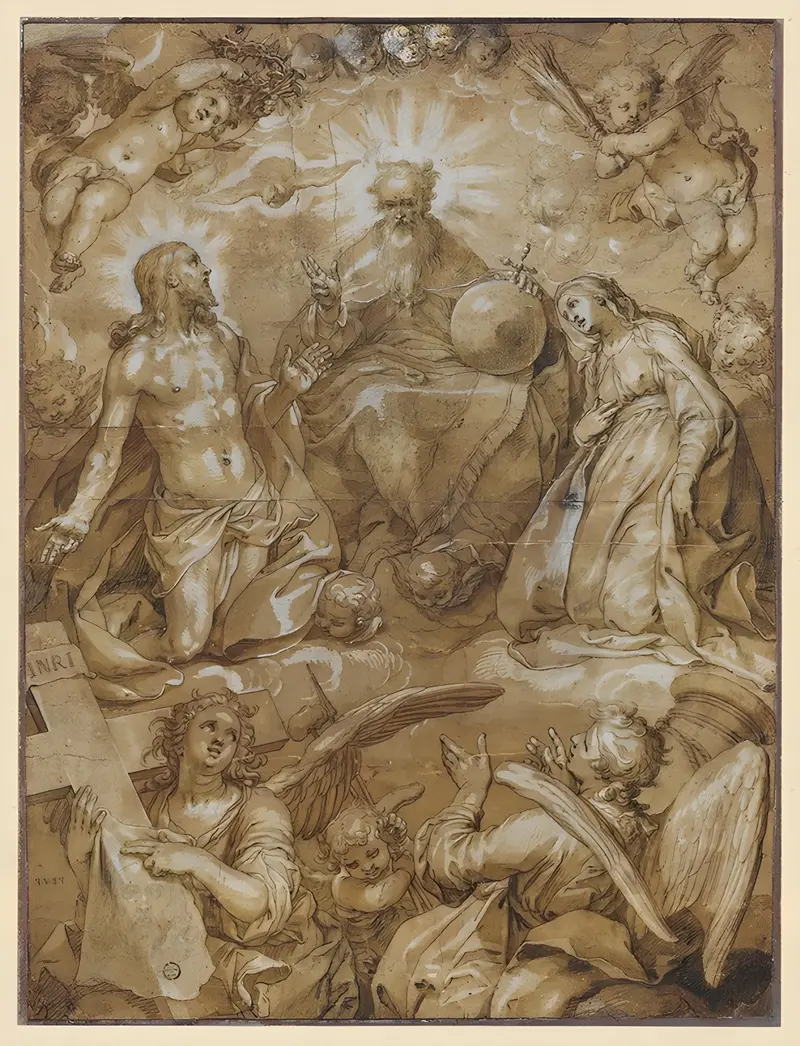
Intercession of Christ and Mary before God the Father
Abraham Bloemaert
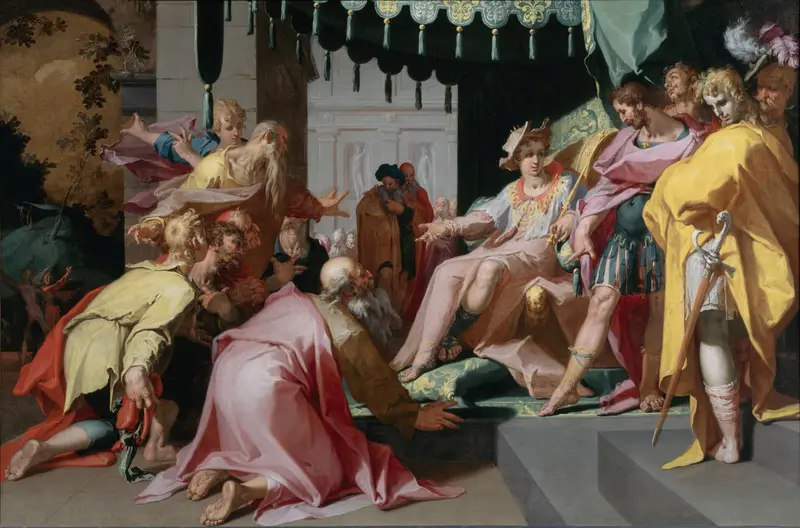
Joseph and his Brothers
Abraham Bloemaert
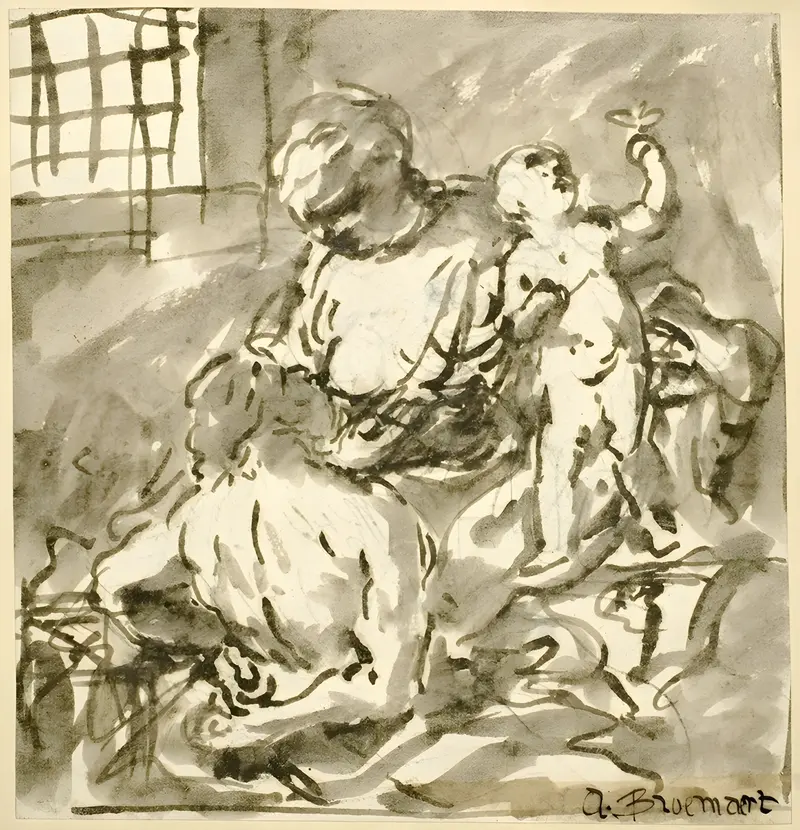
Caritas Romana
Abraham Bloemaert
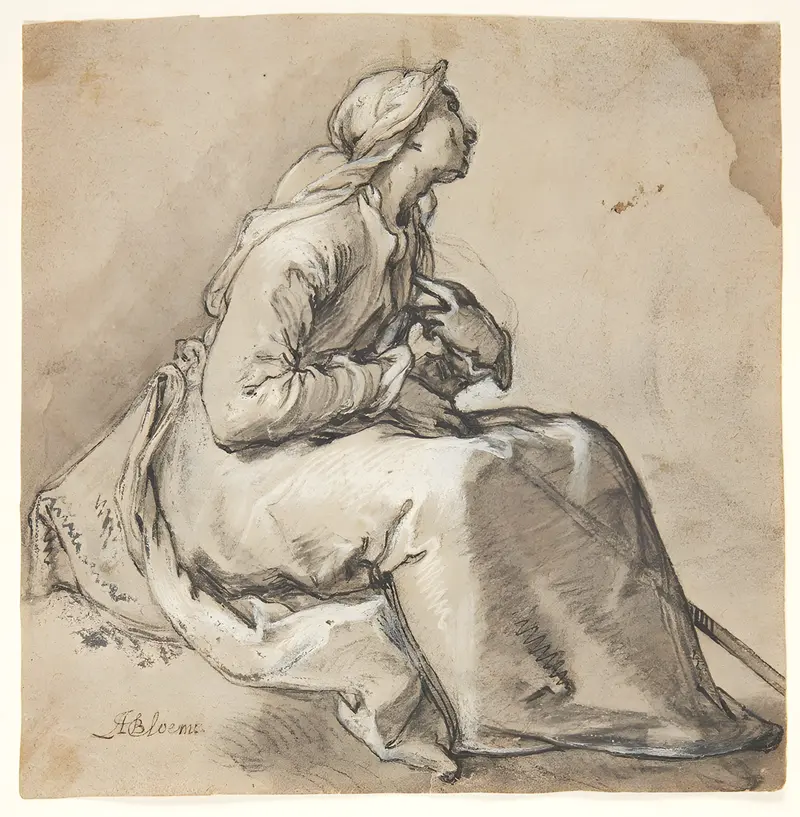
A seated woman facing right
Abraham Bloemaert
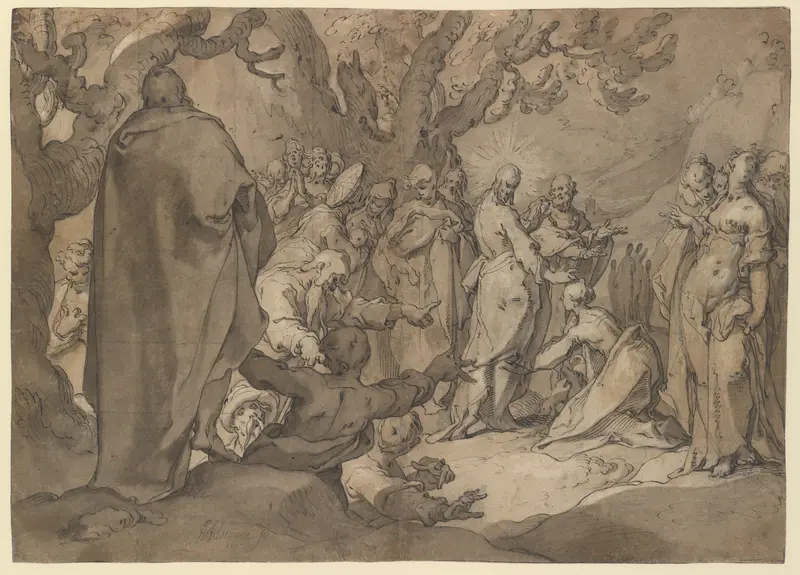
Christ and the Canaanite Women
Abraham Bloemaert
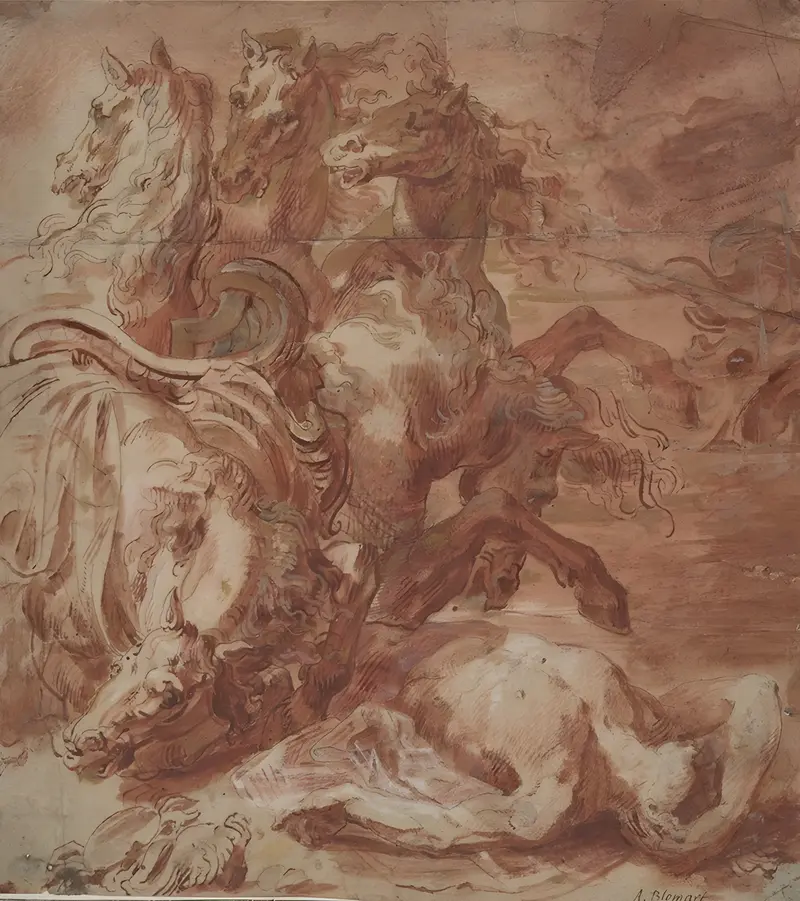
Hippolytus
Abraham Bloemaert
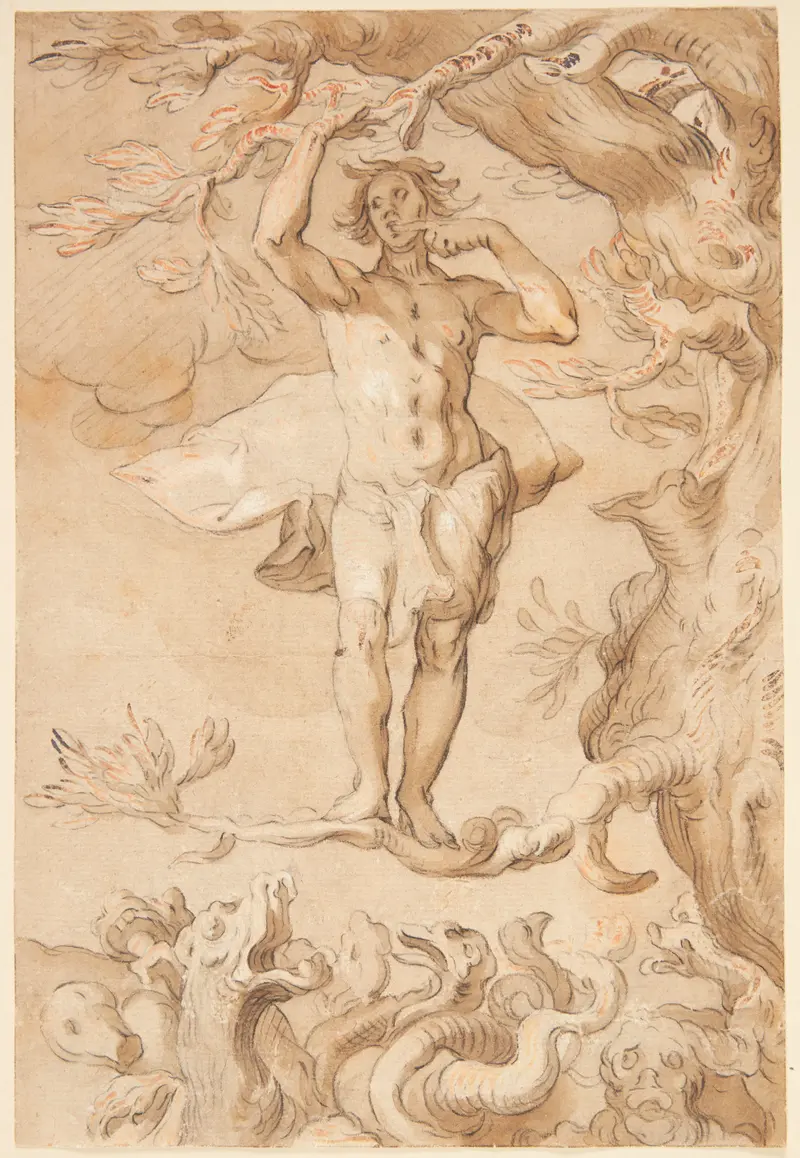
Den menneskelige glædes skrøbelighed En mand, der jages af en drage, klynger sig til en gren, mens han slikker honning af sin finger
Abraham Bloemaert

Moses Striking the Rock
Abraham Bloemaert
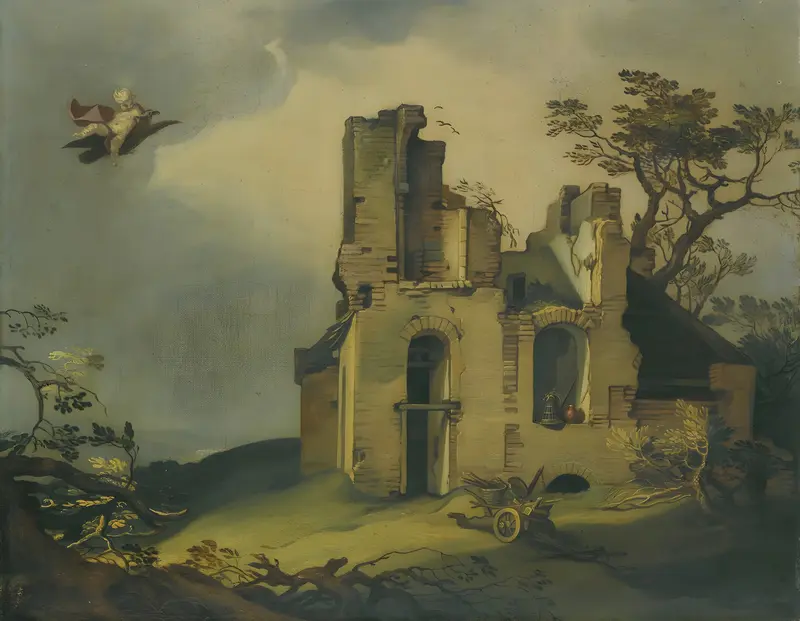
A Landscape With Ruins, With The Rape Of Ganymede
Abraham Bloemaert





