
Adoration of the Shepherds — History & Facts
The most striking fact about Adoration of the Shepherds is that it was painted by Francisco de Zurbarán in 1638, during a period when the Spanish crown was commissioning religious works to reinforce Catholic faith in the wake of the Counter-Reformation. This painting was likely part of a series created for the Carthusian monastery of Jerez de la Frontera, a major patron of Zurbarán’s deeply spiritual art. While the theme was common, Zurbarán’s interpretation stands out for its intense naturalism—so much so that 19th-century critics marveled at how the shepherds seemed to be “people from the street, not from legend.” The work’s origins are closely tied to the religious and political currents of 17th-century Spain, when art was a tool for devotion as much as decoration. In Adoration of the Shepherds, Zurbarán captures the moment the humble visitors arrive at the stable in Bethlehem, gazing in awe at the newborn Christ.
The shepherds kneel, their rough hands clasped, faces weathered by work and wonder. The Virgin Mary sits quietly, her blue mantle a symbol of purity, while Joseph stands protectively behind her. Light pours from the infant, illuminating the faces around him and emphasizing the miracle at the heart of the scene.
Unlike the crowded, ornate versions by Peter Paul Rubens, Zurbarán’s composition is spare and intimate, focusing on the silent reverence of ordinary people. The lamb at the shepherd’s feet is not just a pastoral detail but a reminder of Christ’s future sacrifice. The painting’s precise journey through history is not fully documented, but it is known that Zurbarán produced several major commissions for monastic institutions in Andalusia during the late 1630s. Over the centuries, Adoration of the Shepherds has been admired for its quiet dignity and unsentimental realism, qualities that distinguish Zurbarán from his more theatrical contemporaries.
Today, the work is part of the Museo del Prado’s collection, where it stands as a testament to the artist’s ability to blend everyday reality with the sacred. Its survival and continued display reflect both the enduring power of its subject and the lasting influence of Zurbarán’s vision on Spanish religious painting.
More Artworks by Francisco de Zurbarán
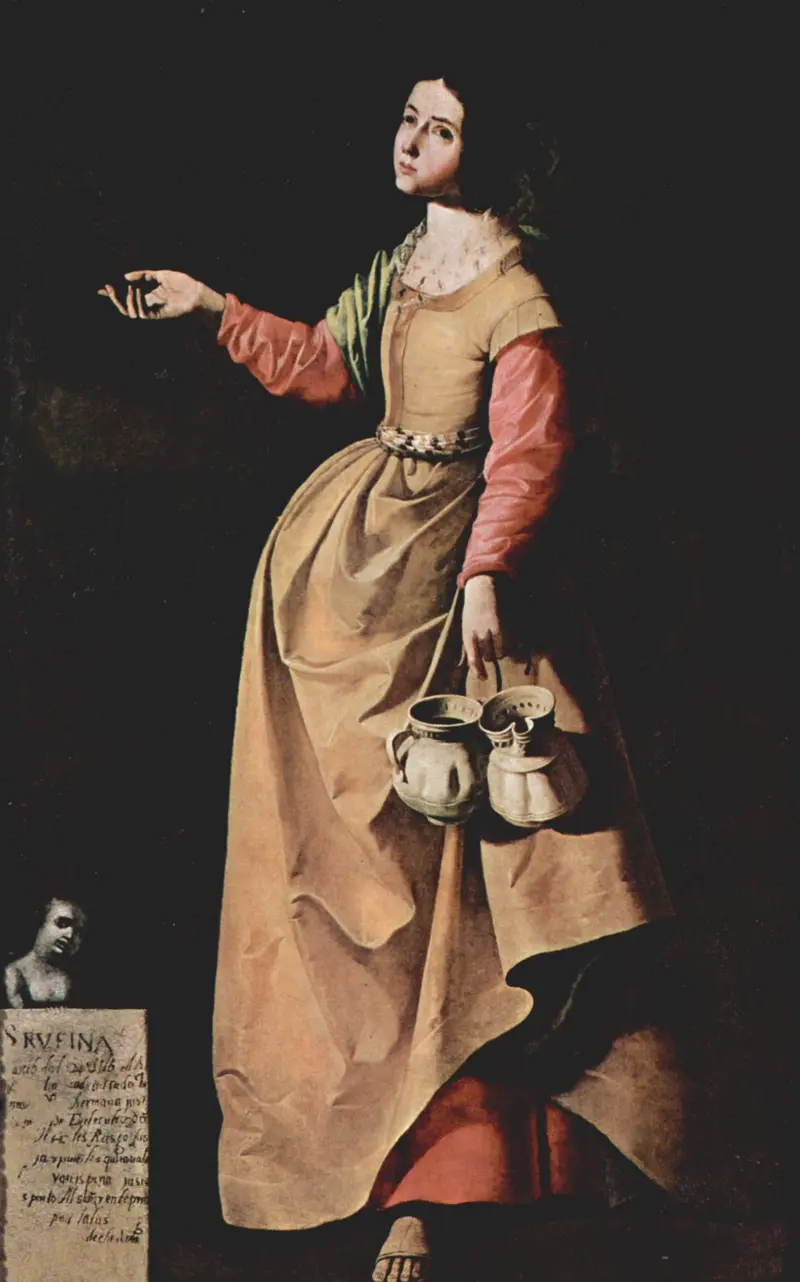
Saint Rufina
Francisco de Zurbarán
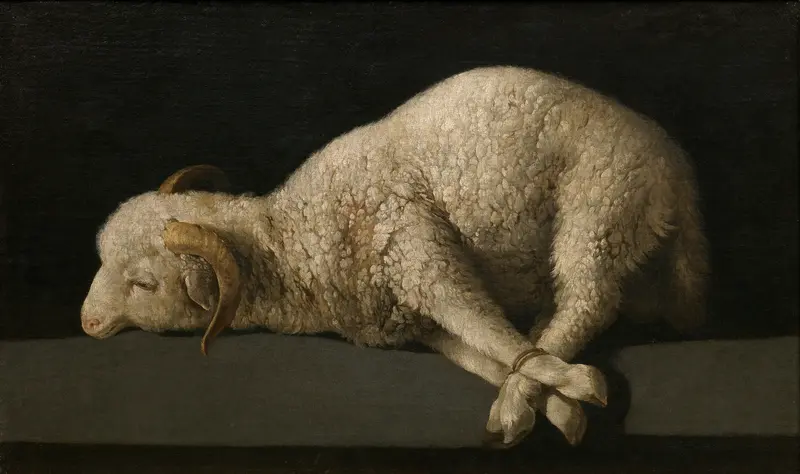
Agnus Dei
Francisco de Zurbarán
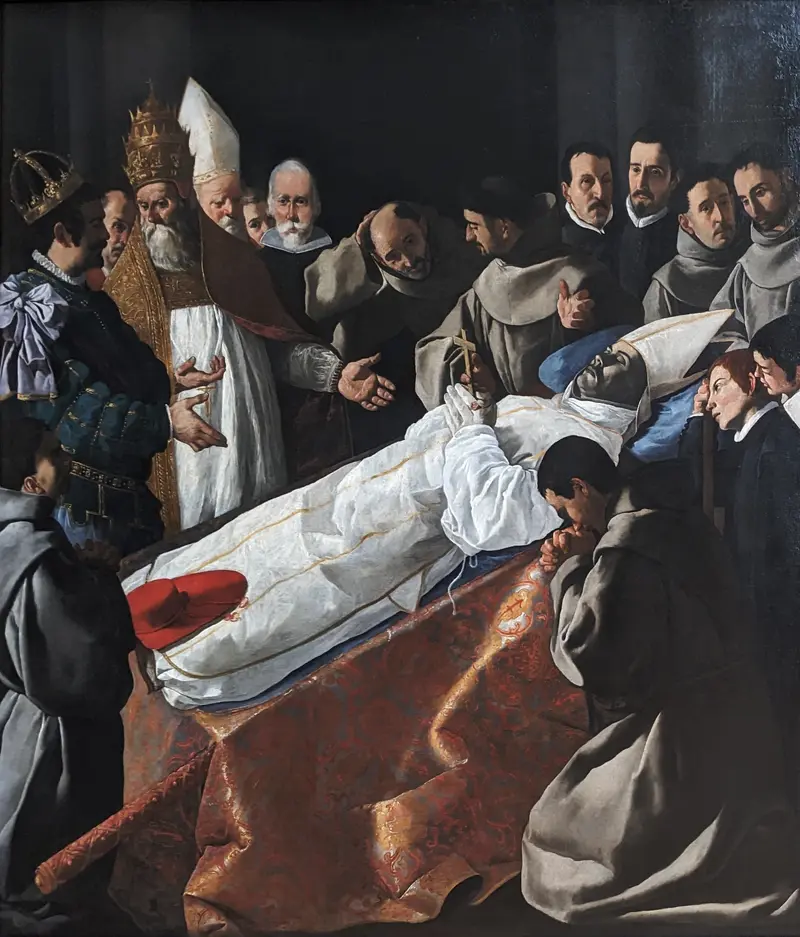
Saint Bonaventure's Body Lying in State
Francisco de Zurbarán
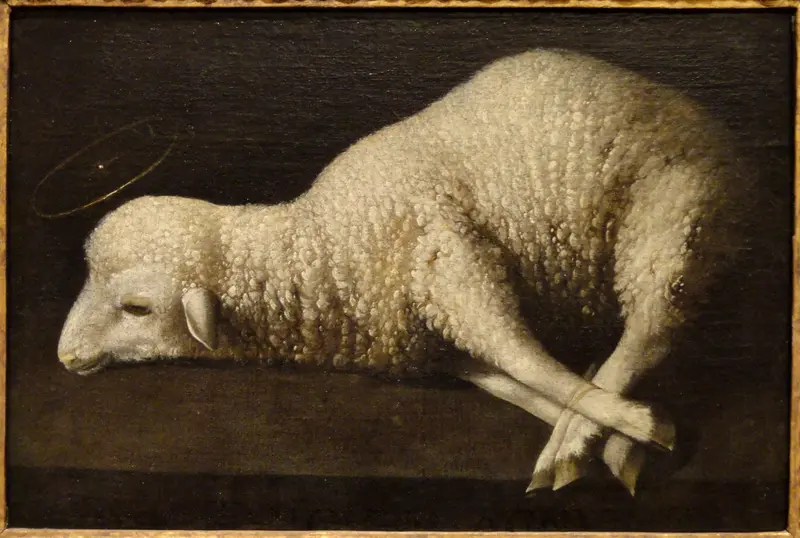
The Lamb of God
Francisco de Zurbarán

Adoration of the Magi
Francisco de Zurbarán
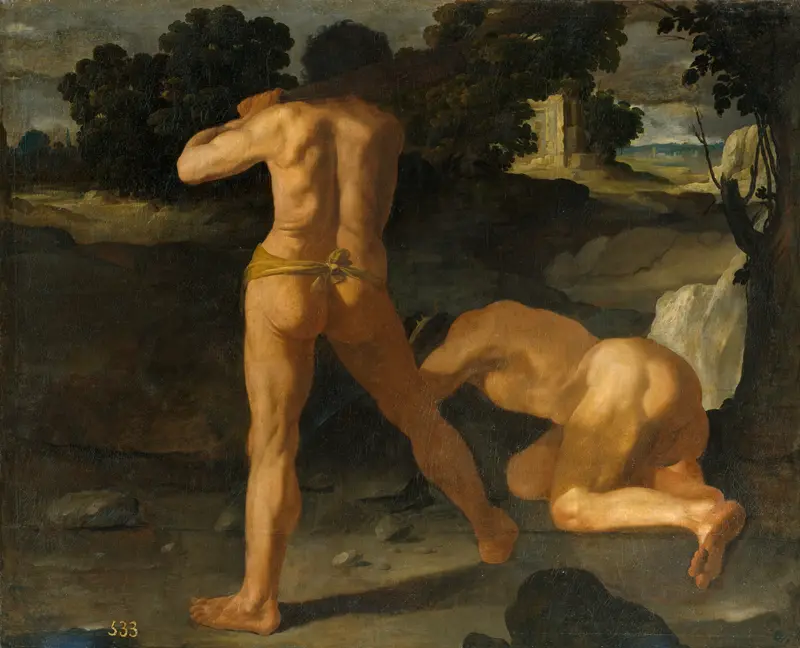
Hercules defeats King Geryon
Francisco de Zurbarán
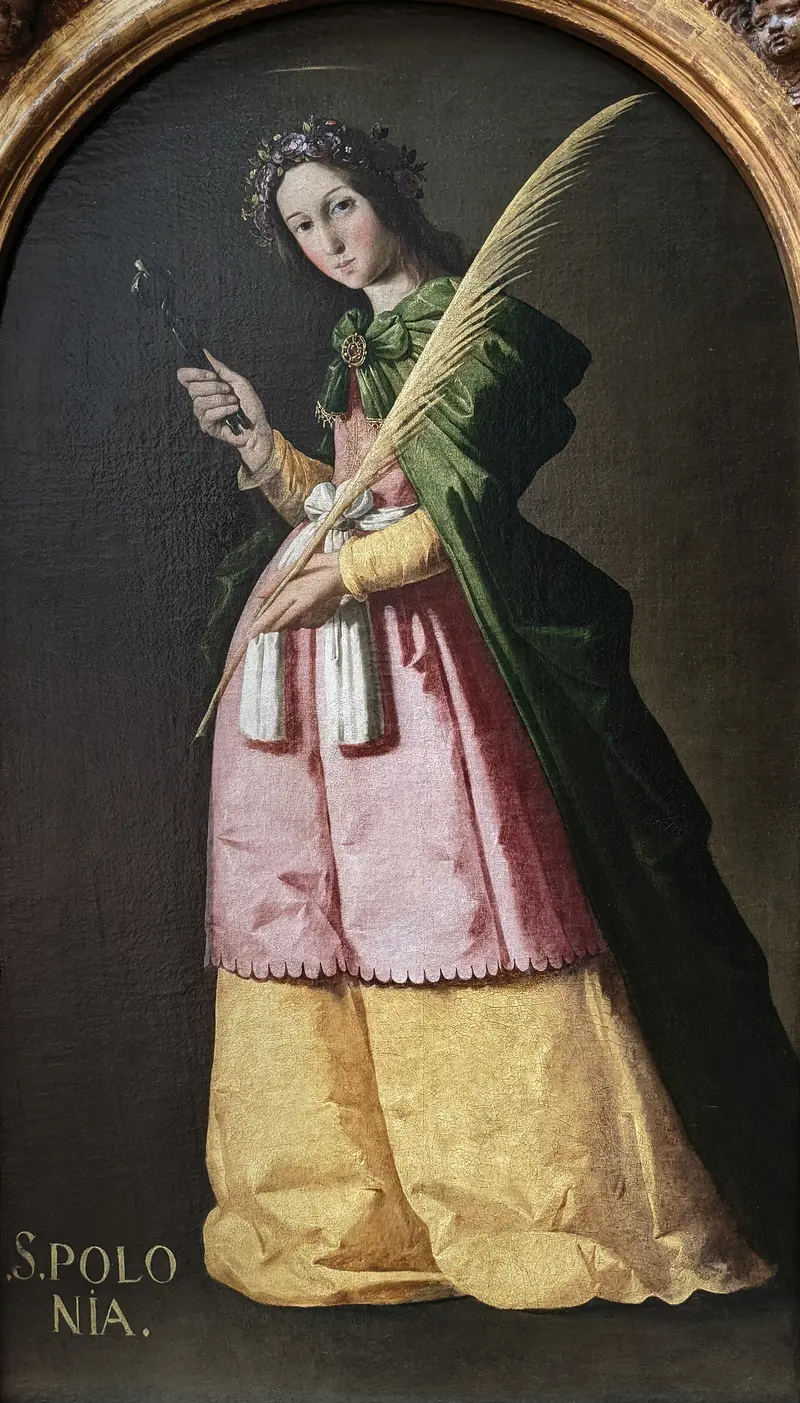
Saint Apollonia
Francisco de Zurbarán
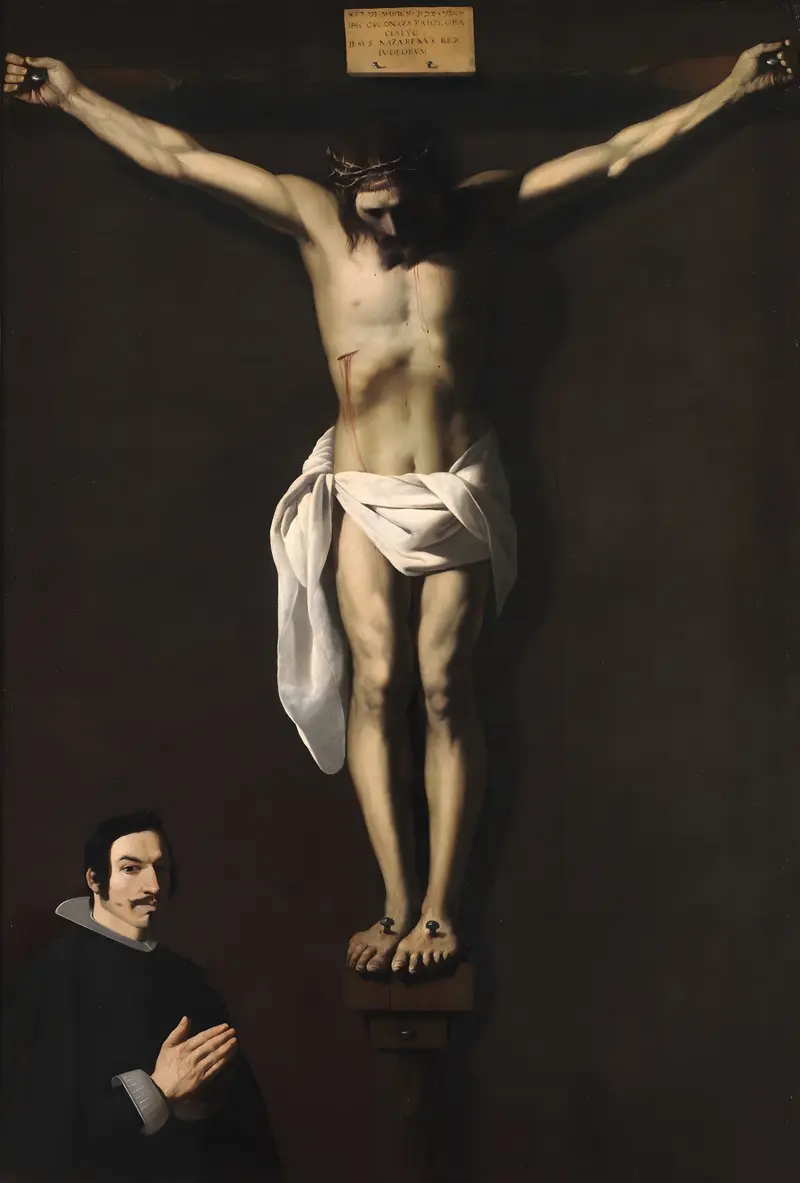
The Crucified Christ with a Donor
Francisco de Zurbarán
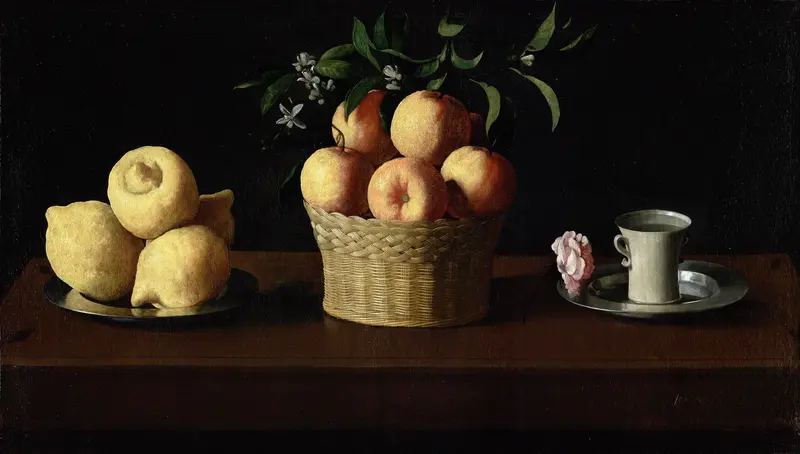
Still Life with Lemons, Oranges and a Rose
Francisco de Zurbarán
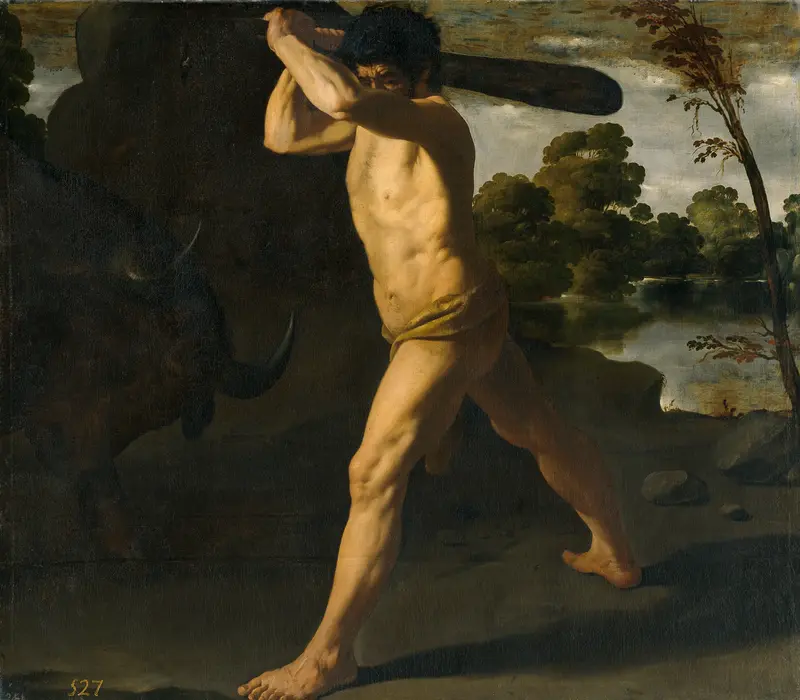
Hercules and the Cretan Bull
Francisco de Zurbarán





