
Afgezant van koning Chiram met boodschap voor Salomo — History & Facts
Who listens when art speaks of silence? In Afgezant van koning Chiram met boodschap voor Salomo, a moment of contemplative stillness unfolds, inviting the viewer to reflect on the weight of unspoken words. Look to the left at the regal figure clad in rich attire, a messenger from the King of Tyre, poised with a letter in hand. The meticulously rendered fabric, with its deep reds and golds, contrasts vividly against the cool, muted tones of the background. Notice how the soft light casts gentle shadows across his face, illuminating an expression that balances dignity with a hint of uncertainty.
The careful placement of the letter suggests an imminent revelation, while the faint outlines of distant architecture symbolize the grand connection between two great rulers. Beneath this solemn exchange lies a profound commentary on communication and power. The tension between the messenger's poised demeanor and the looming silence of the scene creates a palpable anxiety, hinting at the heavy implications of his mission. The very absence of an audience — no king, no court — accentuates the isolation inherent in the act of conveying significant truths.
Holbein captures not just a moment in time, but the emotional weight of waiting for a response, making the viewer acutely aware of the unseen dynamics at play. In 1538, Holbein was thriving in England, creating works for the court of Henry VIII. This period marked a shift in the artistic landscape, as the artist navigated the complexities of Tudor politics while maintaining his distinctive style. The painting serves not only as a visual representation of a historical moment but also as a testament to the intricate interplay of diplomacy and artistry during a time of cultural transformation.
More Artworks by Hans Holbein (II)
Browse all →
Portret van Erasmus
Hans Holbein (II)
Priester en de Dood
Hans Holbein (II)
Rechter en de Dood
Hans Holbein (II)
Kind en de Dood
Hans Holbein (II)
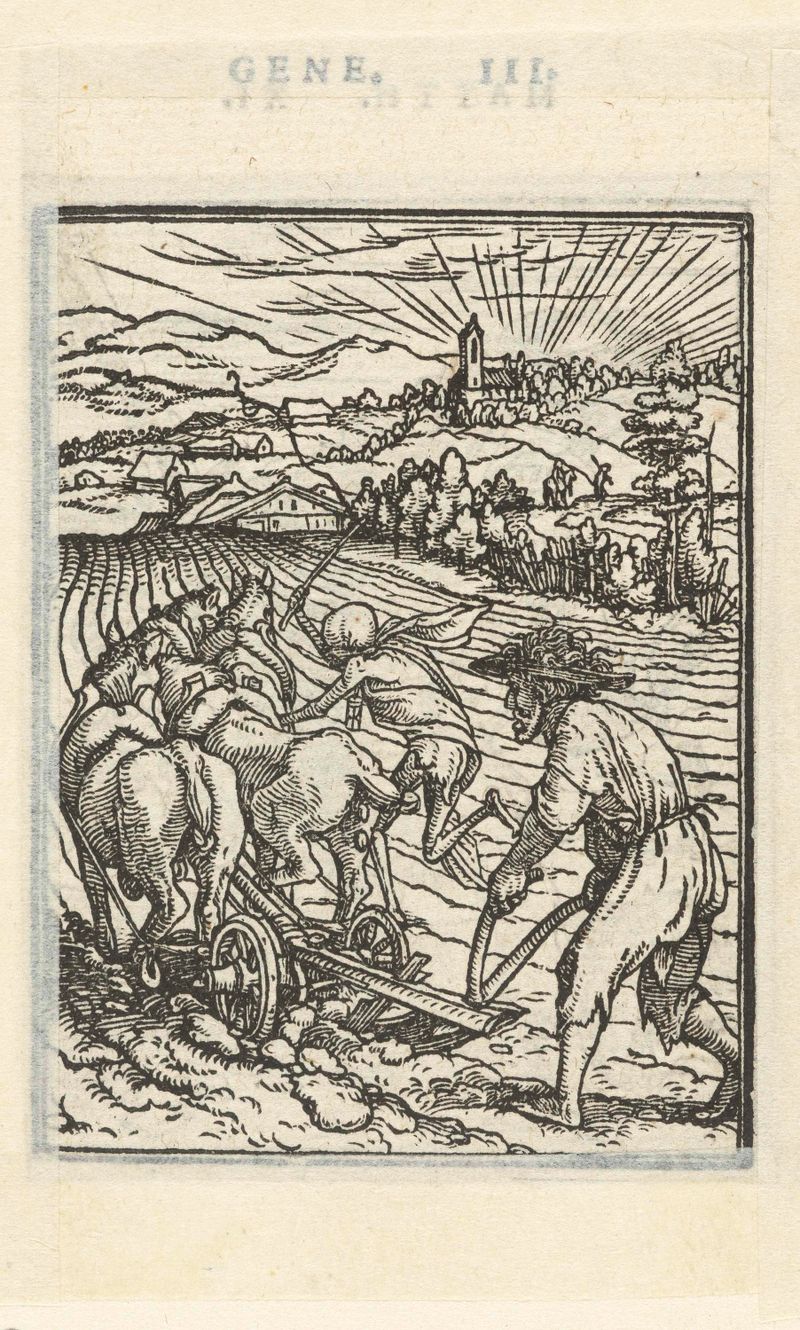
Boer en de Dood
Hans Holbein (II)
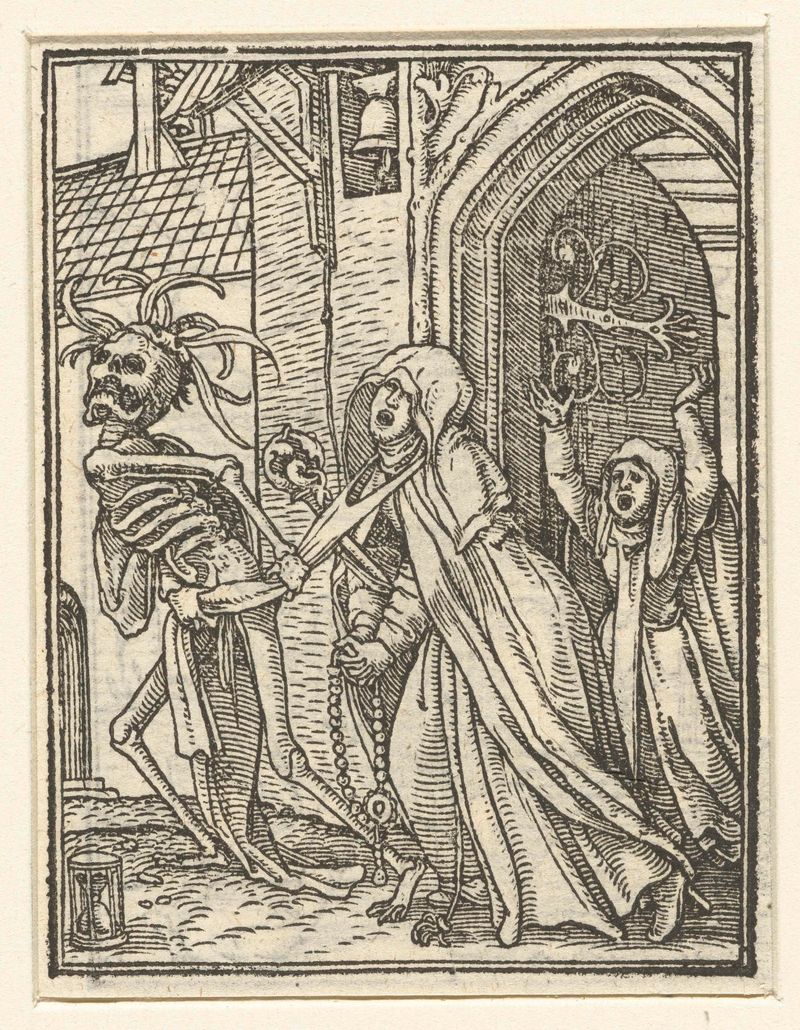
Abdis en de Dood
Hans Holbein (II)
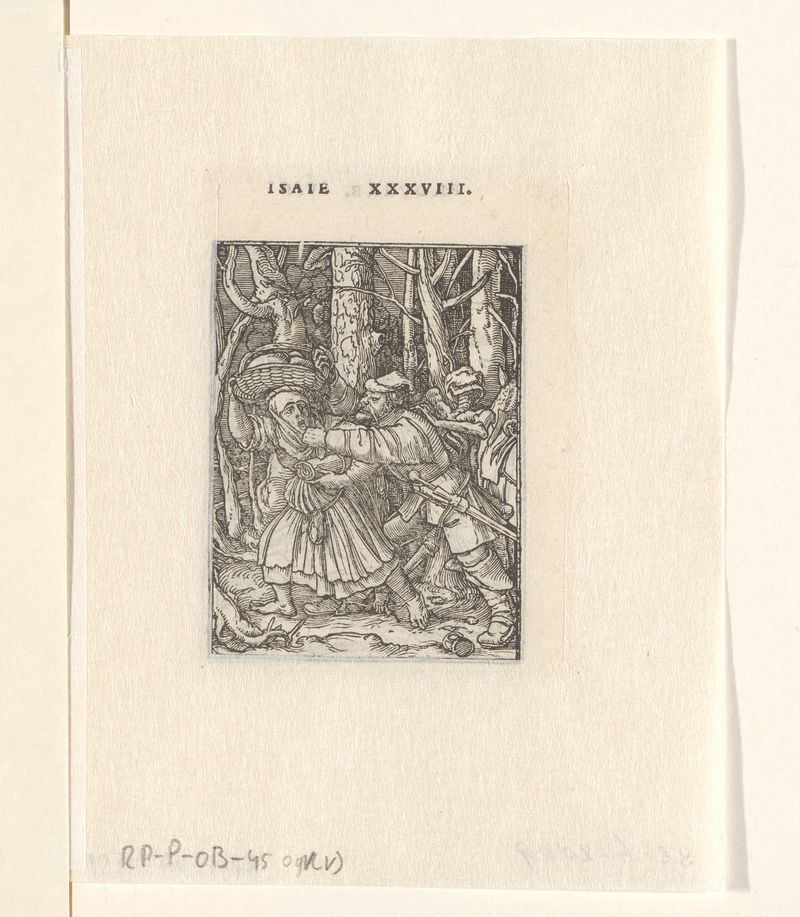
Dief en de Dood
Hans Holbein (II)
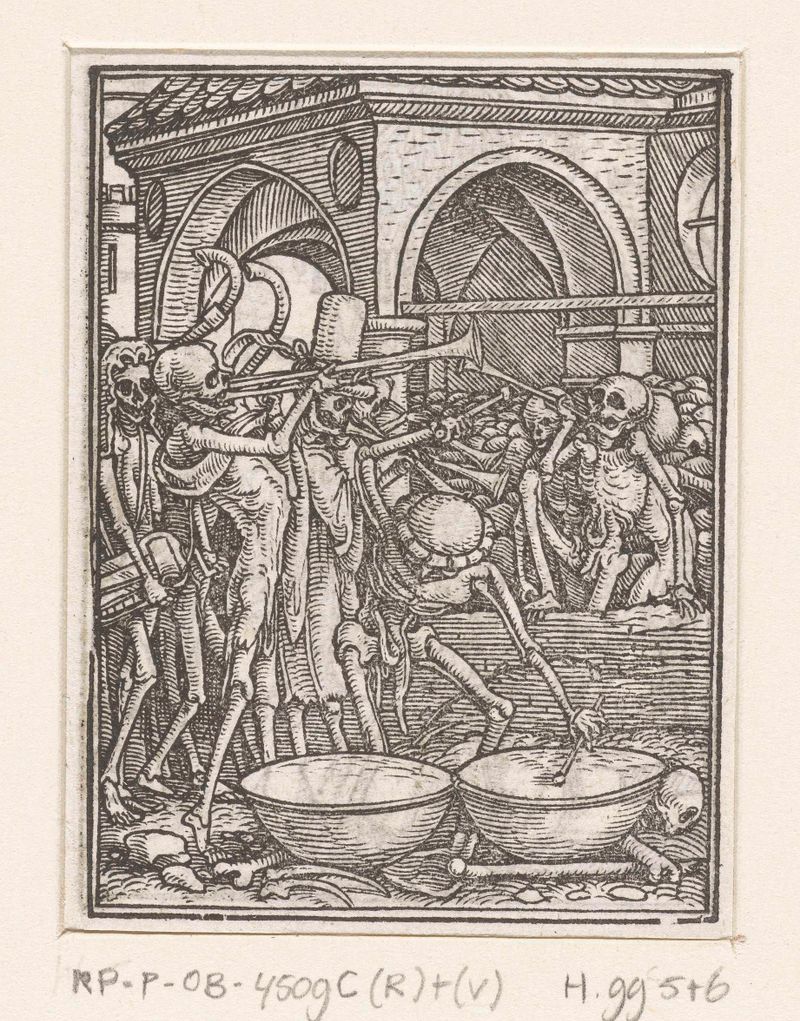
Skeletons Making Music from Dance of the Dead
Hans Holbein (II)
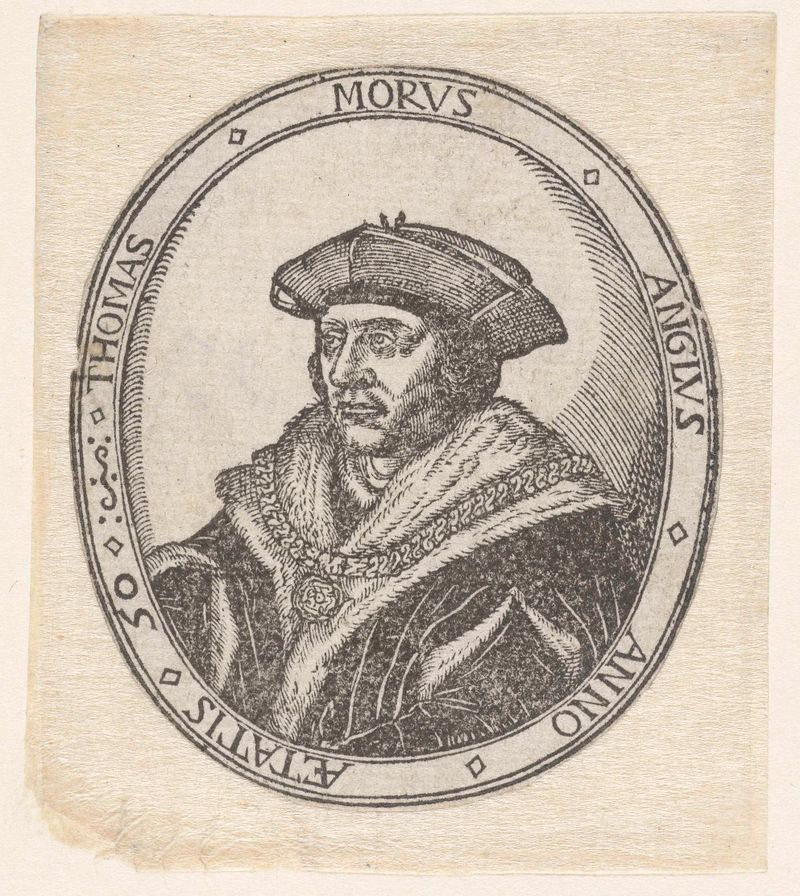
Portret van Thomas More
Hans Holbein (II)
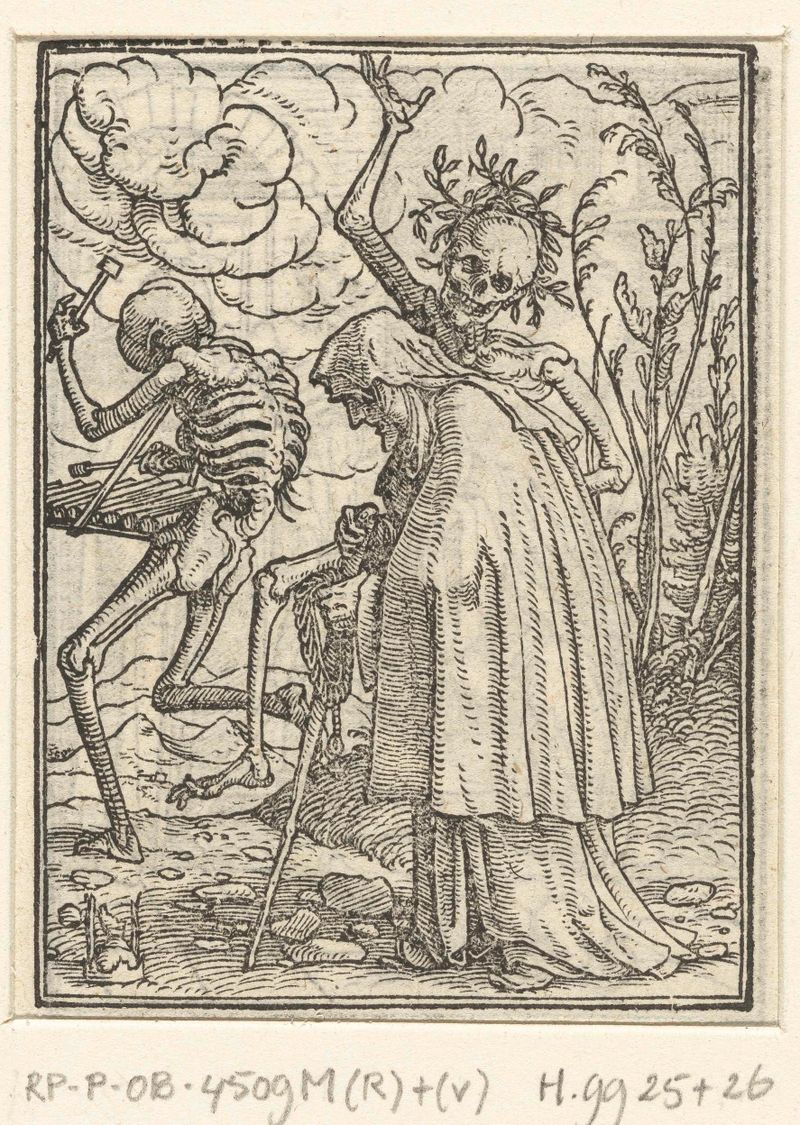
Oude vrouw en de Dood
Hans Holbein (II)
More Historical Art
Browse all →
The Night Watch Militia Company of District II under the Command of Captain Frans Banninck Cocq
Rembrandt van Rijn

Lincoln Memorial
Henry Bacon

The Third of May 1808
Francisco de Goya

Isaac and Rebecca, Known as ‘The Jewish Bride’
Rembrandt van Rijn

The Charge of the Mamelukes (1814)
Francisco de Goya

De vier ruiters van de apocalyps
Albrecht Dürer