
After the duel — History & Facts
What stops the viewer in their tracks is the uneasy stillness of the boy, his head tilted back, eyes half-closed, as if caught in the aftermath of a secret drama. The crisp black suit, the gloved hand pressed to his chest, and the shock of blood on the discarded white shirt at his feet all conspire to suggest a story that is both intimate and grave. The yellow wall behind him, cracked and unadorned, pushes the figure forward, making the pale face and the white fabric almost luminous.
There is no action here—only the charged silence that follows it, the hush after the clash. Every detail, from the careful rendering of the boy’s shoes to the stark stain on the shirt, is a clue, inviting the viewer to piece together what has just unfolded. Painted in 1872 by Antonio Mancini, this work belongs to a world where the rituals of honor and violence, inherited from earlier centuries, still cast a shadow over modern life. In the late nineteenth century, Italian painters often explored the tensions of youth and society, sometimes using children as actors in adult dramas to heighten the sense of vulnerability and consequence.
Though little is recorded about the journey of this specific painting, its presence today in a digital collection allows us to confront its mysteries anew. The viewer is left with questions—about the duel, the boy’s role, and the cost of pride—that linger long after the first glance.
More Artworks by Antonio Mancini

Portrait of a lady
Antonio Mancini
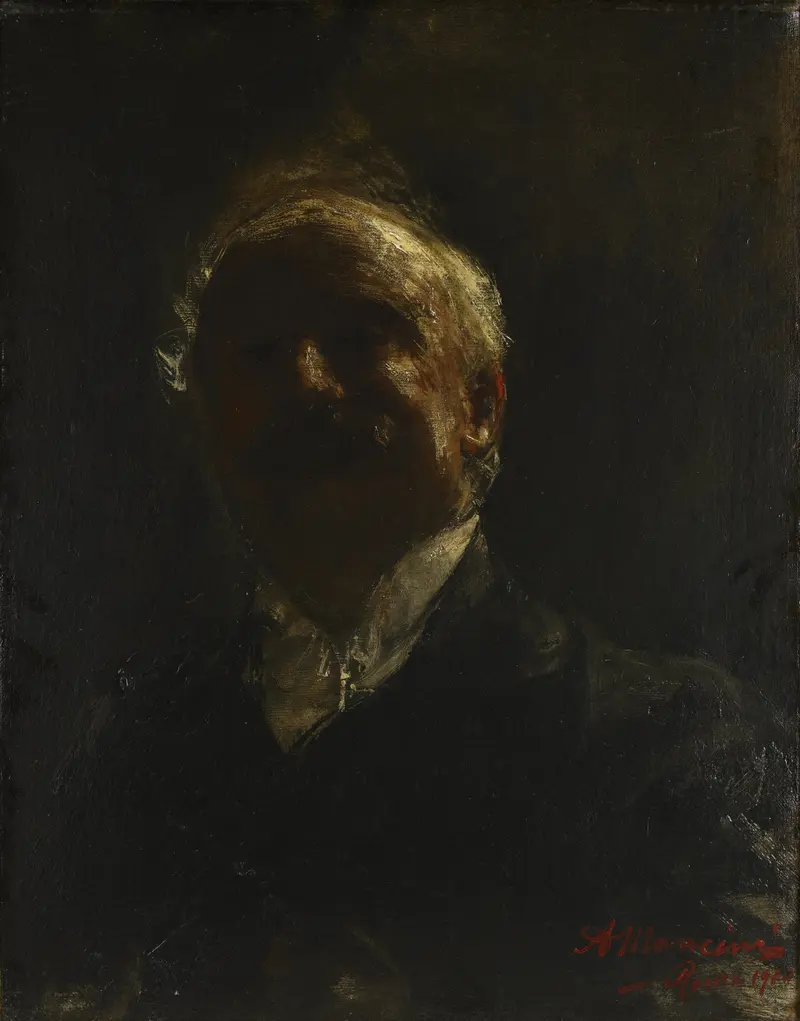
Self-Portrait
Antonio Mancini
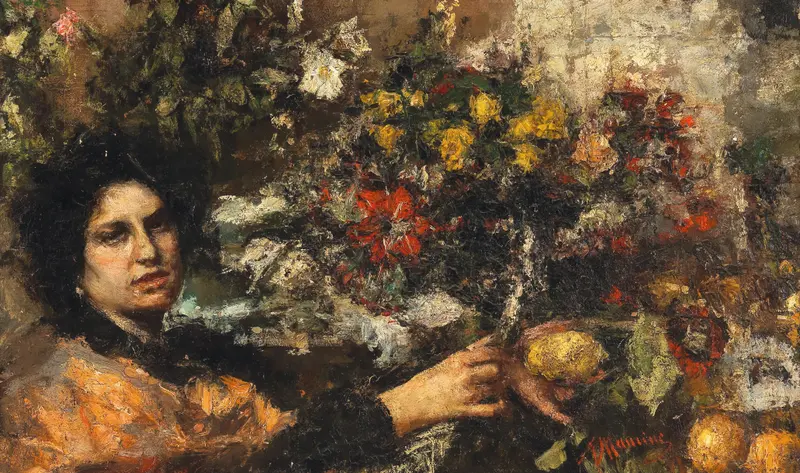
The Flower Seller
Antonio Mancini
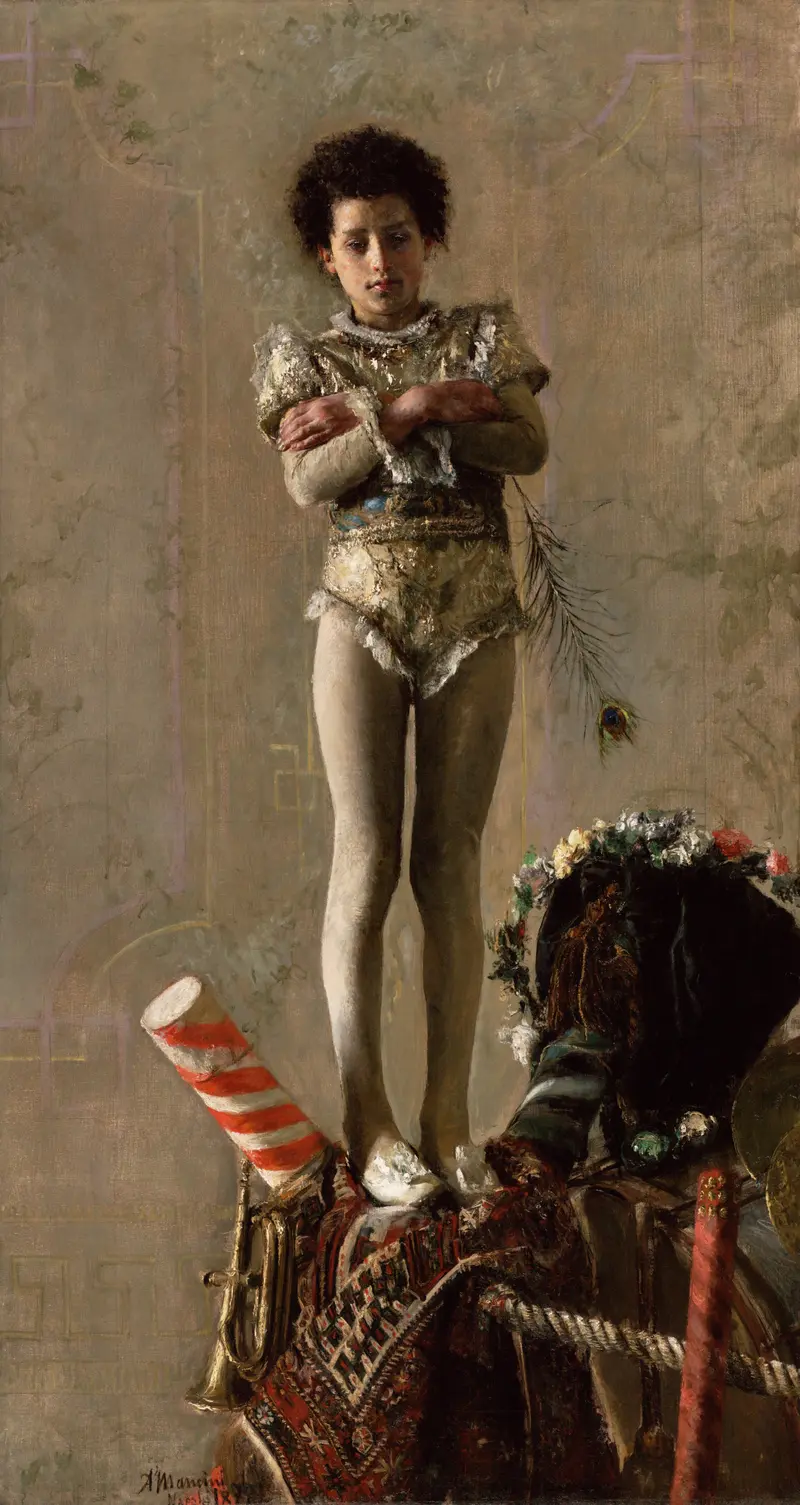
The Saltimbanco
Antonio Mancini
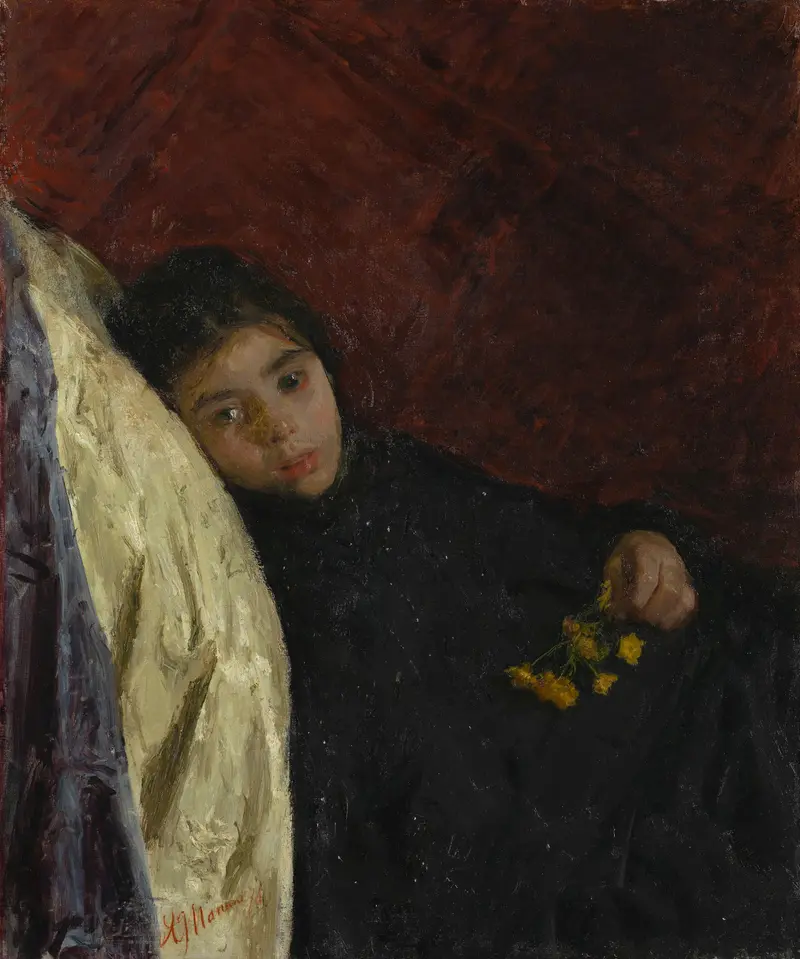
The sick child
Antonio Mancini
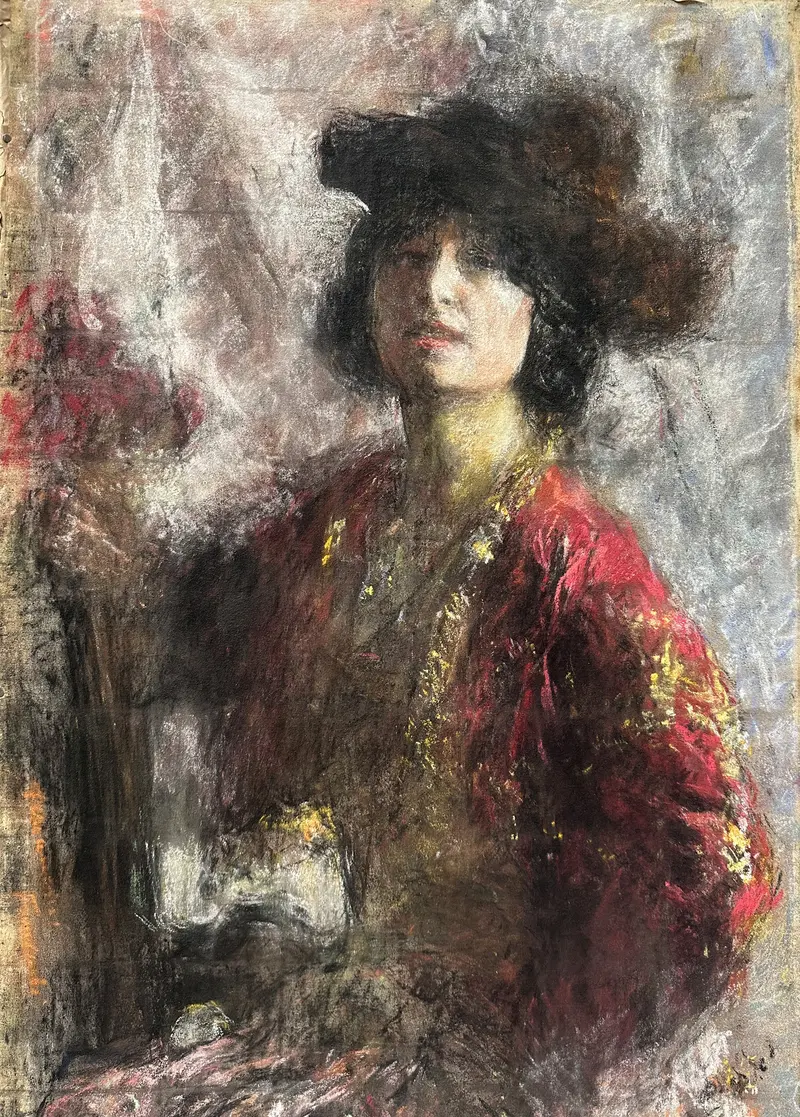
Bolero. Bullfighter
Antonio Mancini
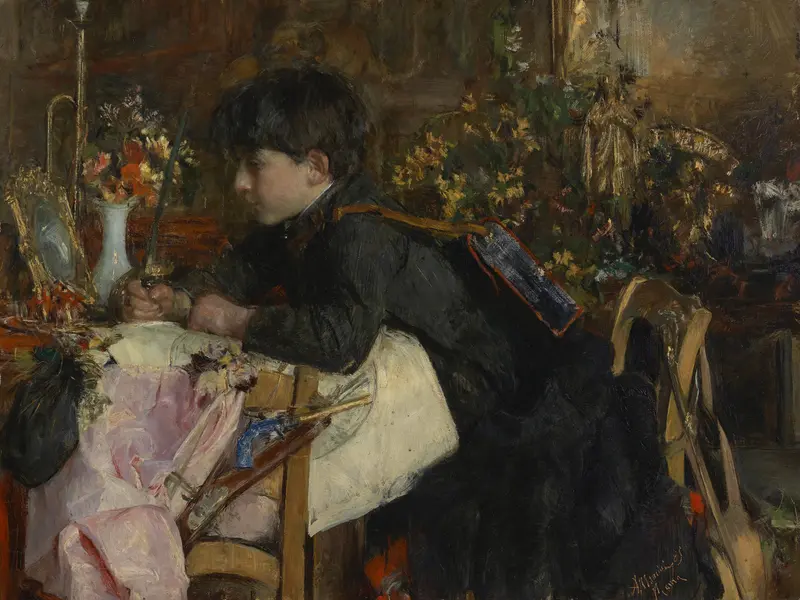
The birthday
Antonio Mancini
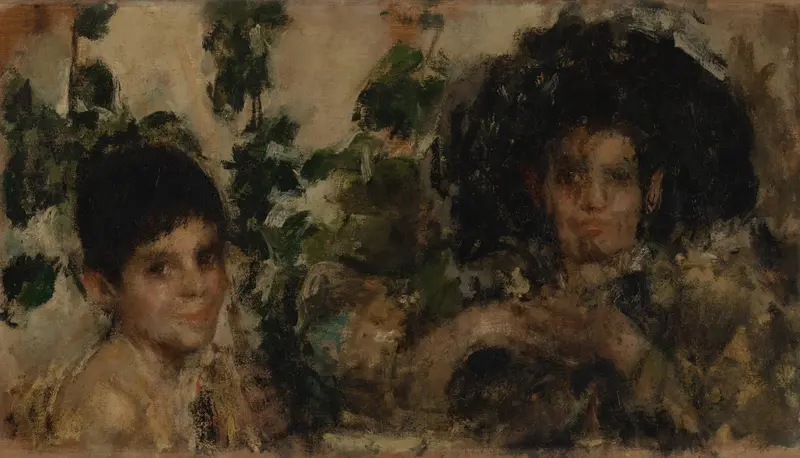
The brothers
Antonio Mancini
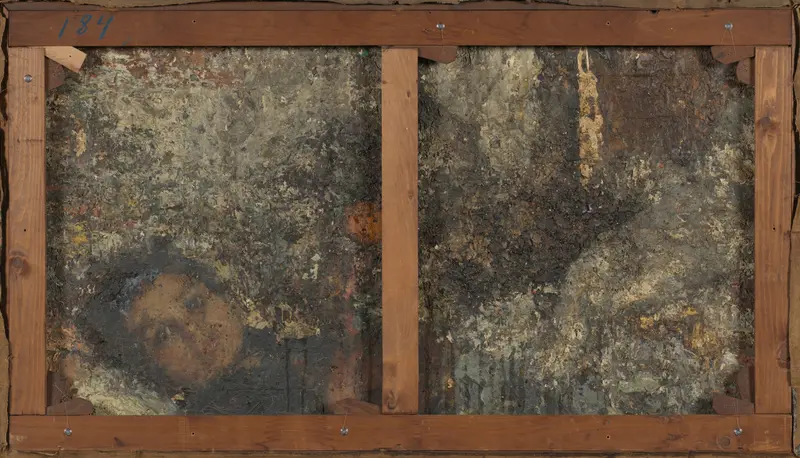
Liggend kind hwm0184v The Mesdag Collection
Antonio Mancini
Servetta
Antonio Mancini



