
The sick child — History & Facts
What first catches the eye in The sick child is not the pallor of illness, but the quiet alertness in the girl's gaze. Her head rests heavily against a pale cushion that seems to absorb what little light the scene allows, while her hand, limp but still clutching a cluster of yellow flowers, hints at a story that unfolds in silence. The deep, wine-red background presses close, giving the moment a sense of intimacy and enclosure.
Mancini’s brushwork, loose and textured, draws the viewer’s attention to the contrast between the softness of the bedding and the dark, almost formless mass of the girl's clothing, making her delicate face and the fragile flowers the anchors of the composition. Every element is arranged to lead the eye back to her expression—a mixture of resignation, fatigue, and a lingering, searching curiosity. Painted in 1875, this work belongs to a period when European artists were turning their attention to the realities of everyday life, often with an unvarnished honesty that unsettled polite society. Antonio Mancini was part of this movement, capturing not only the outward appearance but the mood and psychology of his sitters.
Such images were rarely commissioned by the wealthy; instead, they spoke to a growing audience interested in the dignity and hardship of ordinary existence. Now housed in The Mesdag Collection, The sick child stands as a testament to both the era’s shifting artistic priorities and the enduring power of a single, searching look. The longer one studies her face, the more the painting seems to ask: what is she thinking, and what do we owe to those quiet moments of vulnerability?
More Artworks by Antonio Mancini

Portrait of a lady
Antonio Mancini
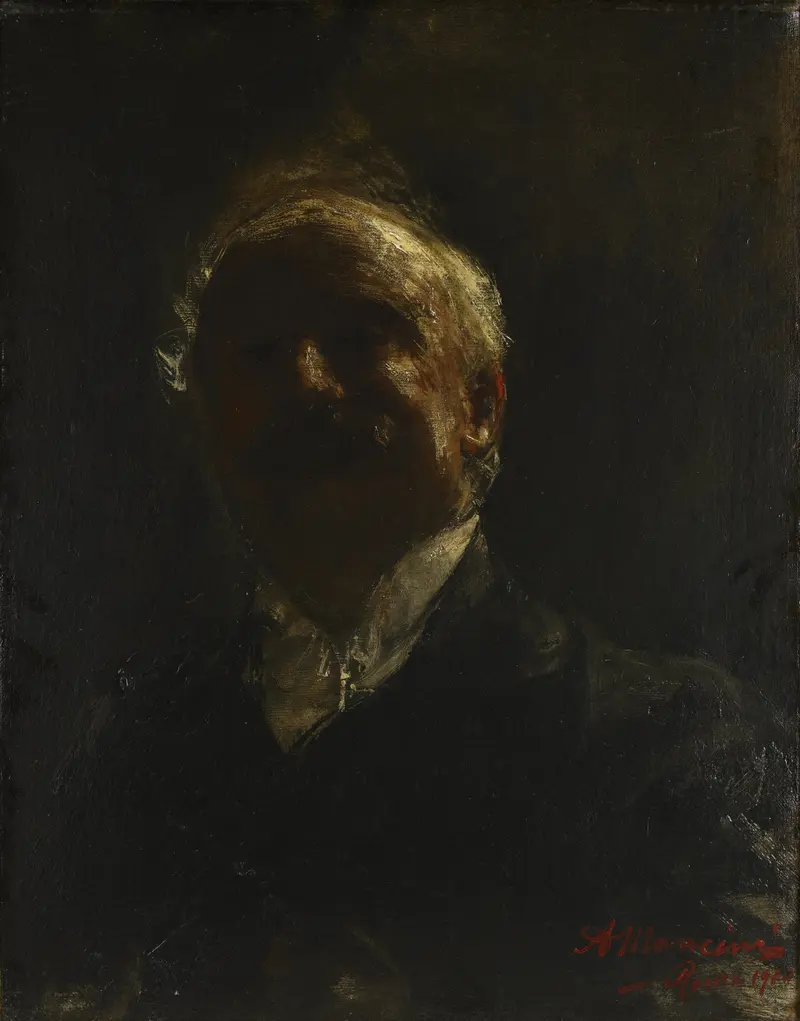
Self-Portrait
Antonio Mancini
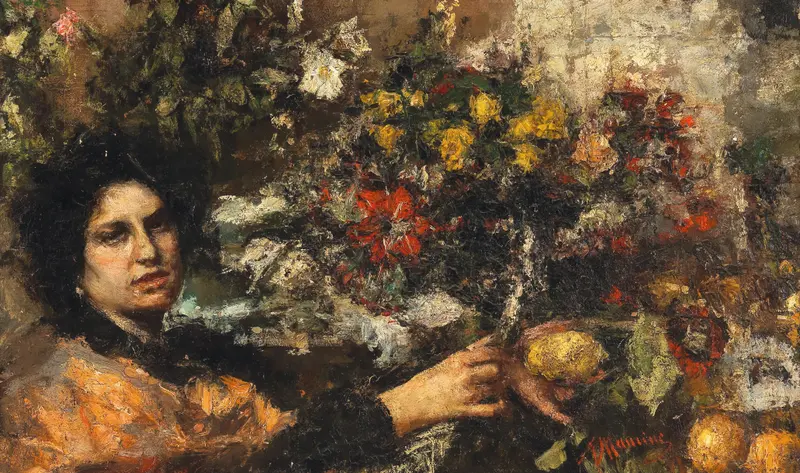
The Flower Seller
Antonio Mancini
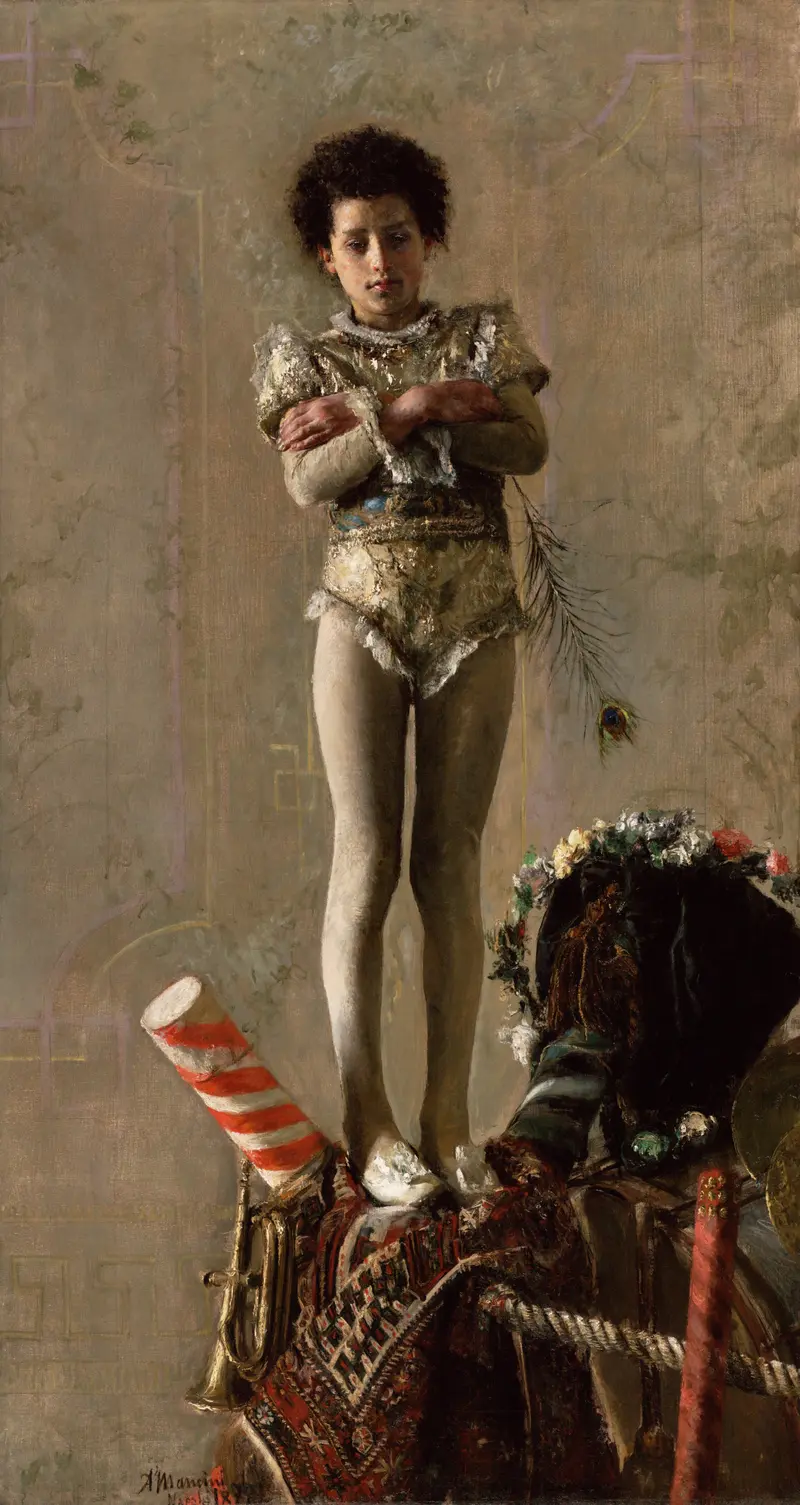
The Saltimbanco
Antonio Mancini
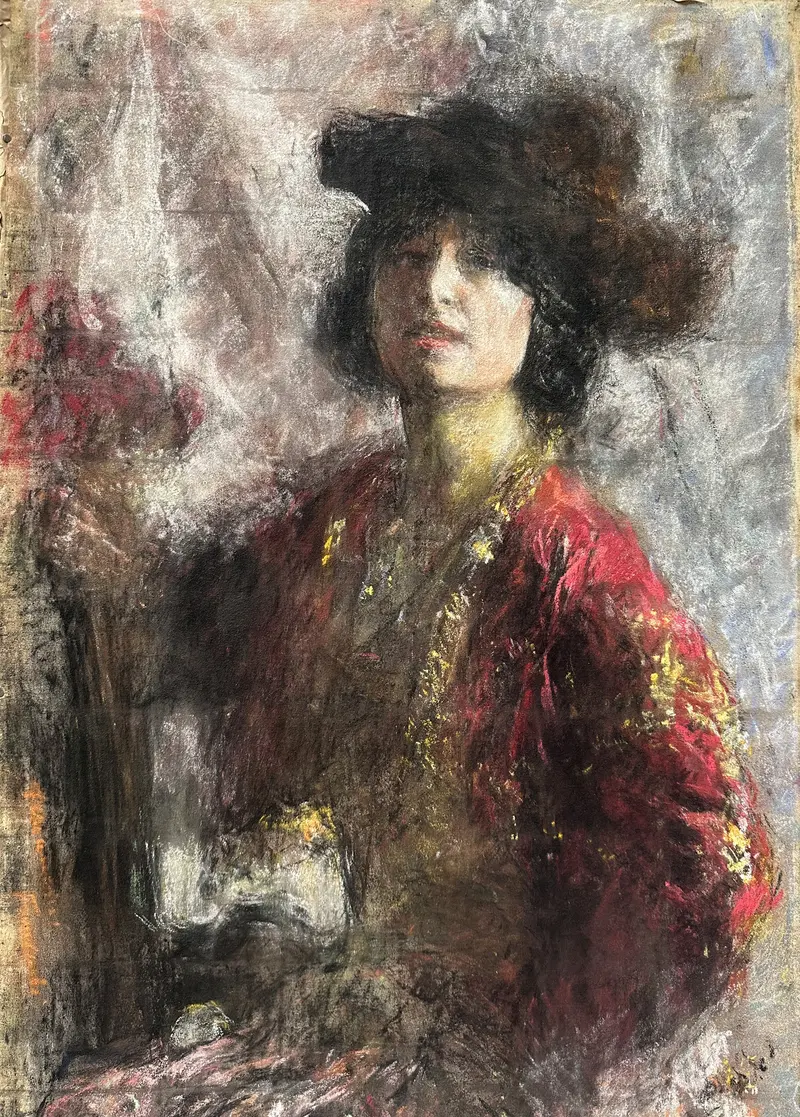
Bolero. Bullfighter
Antonio Mancini
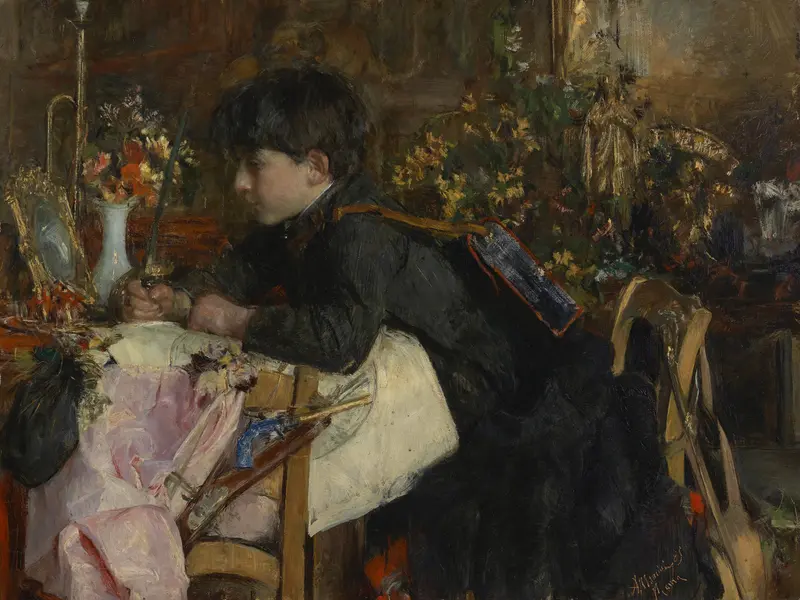
The birthday
Antonio Mancini
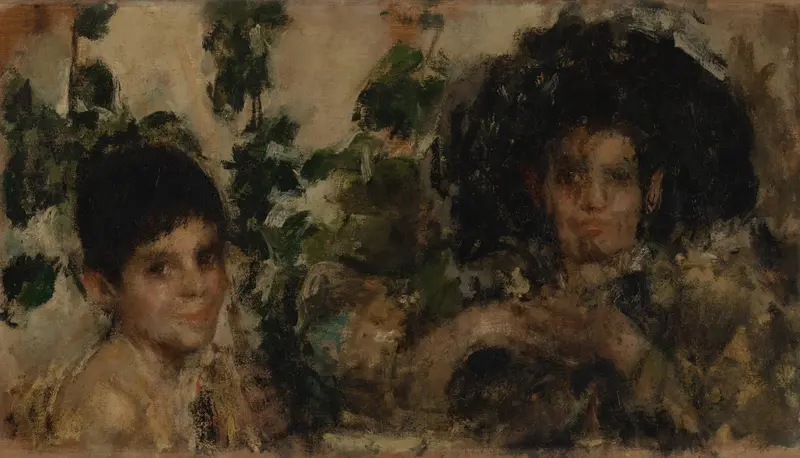
The brothers
Antonio Mancini
Liggend kind hwm0184v The Mesdag Collection
Antonio Mancini
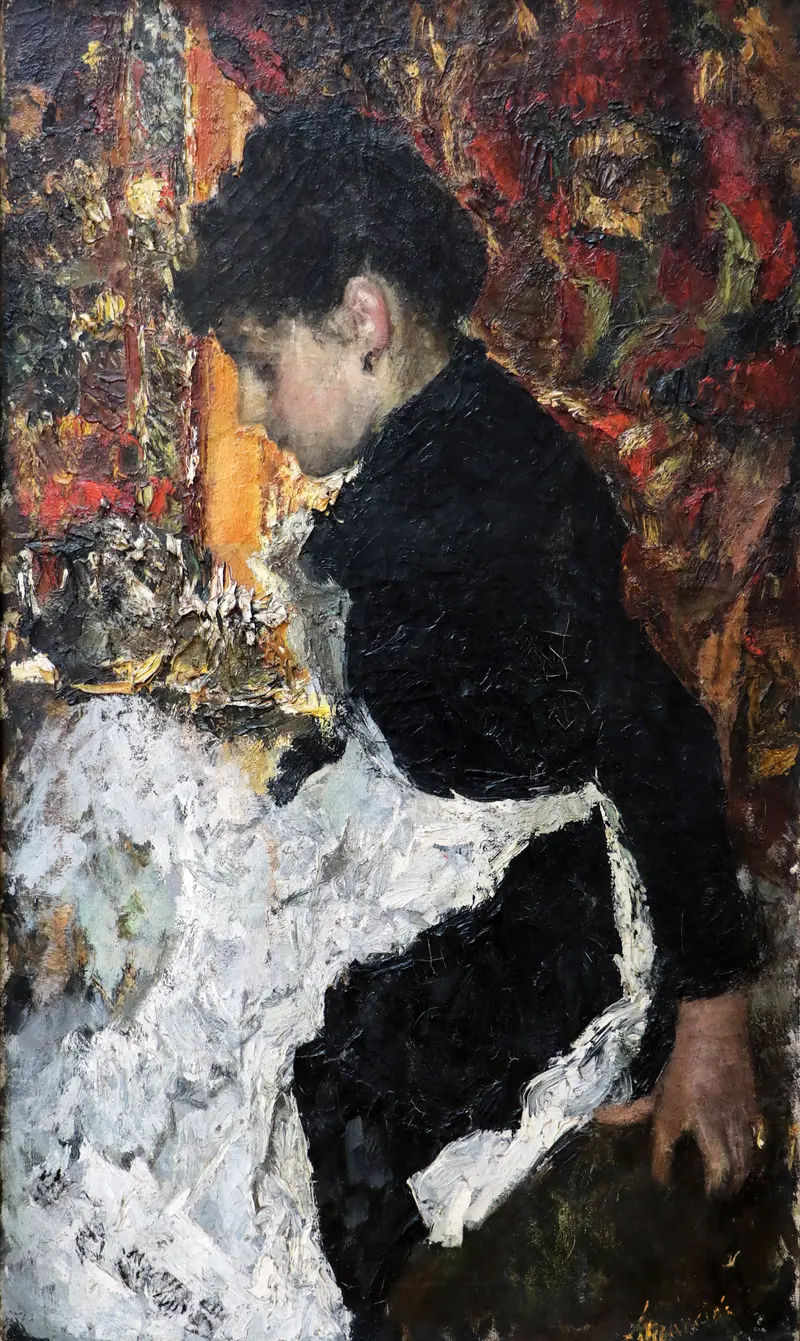
Servetta
Antonio Mancini
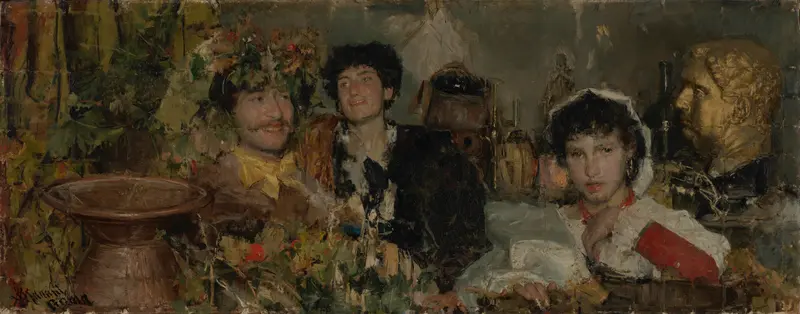
After the grape harvest
Antonio Mancini
More Genre Scene Art

Banquet of the Officers of the St George Civic Guard
Frans Hals

Rembrandt and Saskia in the Scene of the Prodigal Son
Rembrandt van Rijn

Bal du moulin de la Galette
Pierre-Auguste Renoir

Quadrille at the Moulin Rouge
Henri de Toulouse-Lautrec

A Burial at Ornans
Gustave Courbet

When Will You Marry?
Paul Gauguin