
The Flower Seller — History & Facts
What first seizes the eye in The Flower Seller is the direct, unflinching gaze of its subject—a woman whose expression hovers between fatigue and defiance, inviting us to wonder about her story. The paint itself seems almost sculpted, thick and restless, as if Antonio Mancini wanted every brushstroke to echo the roughness of a life spent among blooms and barter. Her hand, caught mid-motion, offers a lemon—an unexpected detail among the riot of flowers—drawing the viewer’s attention to the daily transactions that shape her world.
The flowers themselves are rendered with a wild energy: reds and yellows burst from the canvas, their vibrancy heightened by the dark, earthy tones that surround them. Light pools around her face and hand, pulling us into her orbit and then scattering our gaze across the tangled abundance of her wares. Painted by 1930, this work belongs to a period when artists across Europe were turning their attention to the working poor, capturing the dignity and hardship of everyday labor. Mancini was known for his ability to blend realism with a near-impressionistic handling of paint, and here, the thick impasto and bold contrasts speak to both the materiality of the subject’s life and the artist’s own restless spirit.
Such paintings were rarely made for grand salons or aristocratic patrons; instead, they found their place in the homes of the rising middle class, who sought images of real people and honest work. The record of this painting’s journey is sparse—history has kept few traces beyond its current appearance in the Dorotheum collection—but its presence is a reminder to look closely, not just at the flowers, but at the hands that bring them to market.
More Artworks by Antonio Mancini

Portrait of a lady
Antonio Mancini
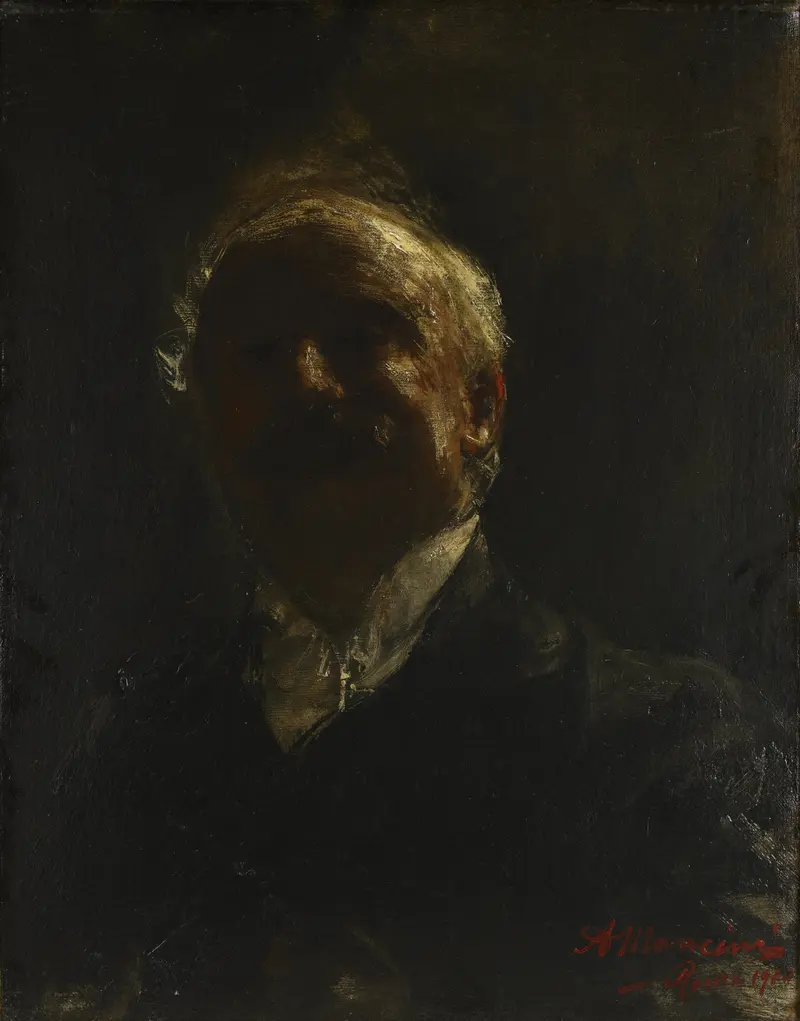
Self-Portrait
Antonio Mancini
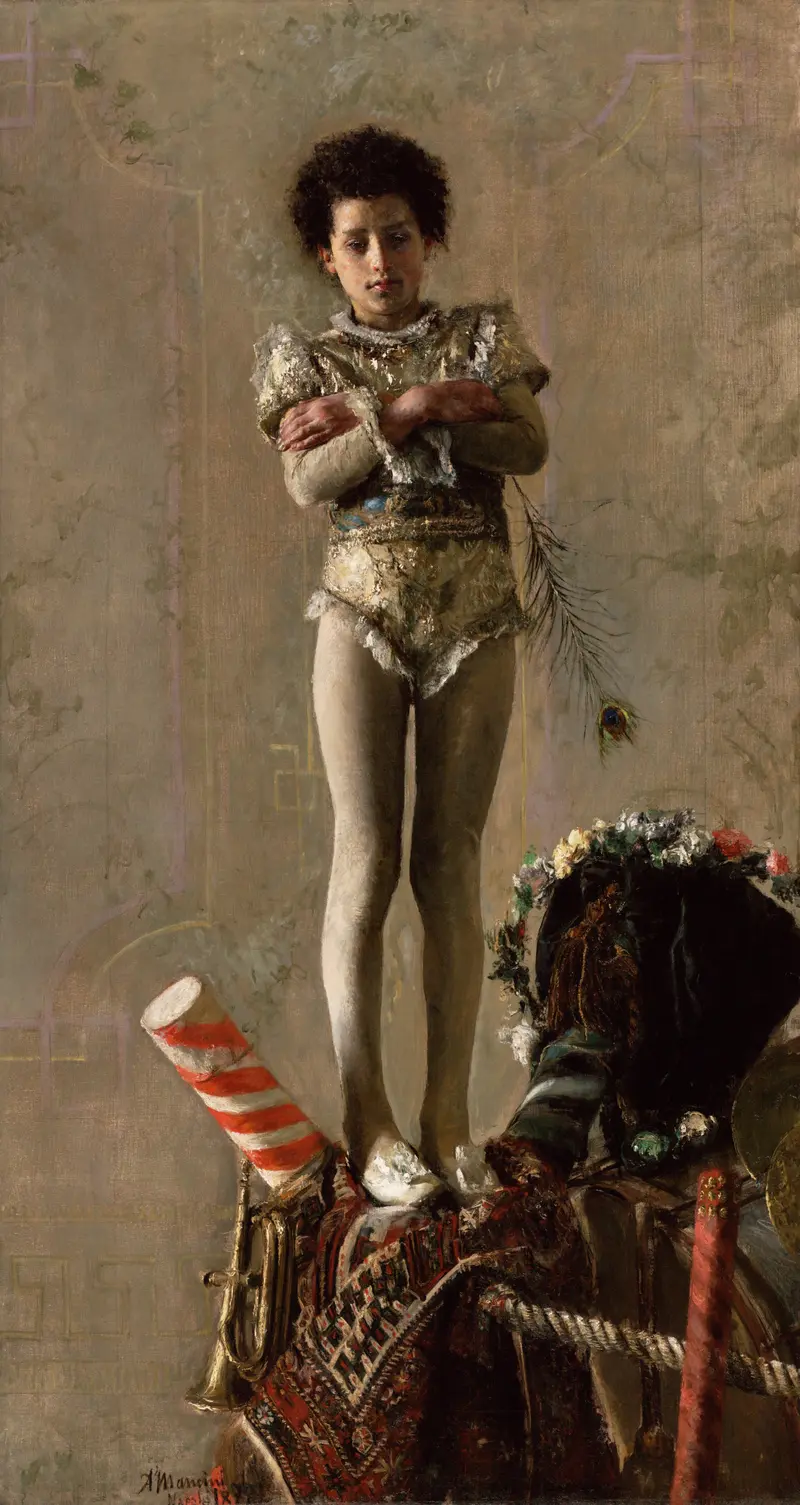
The Saltimbanco
Antonio Mancini
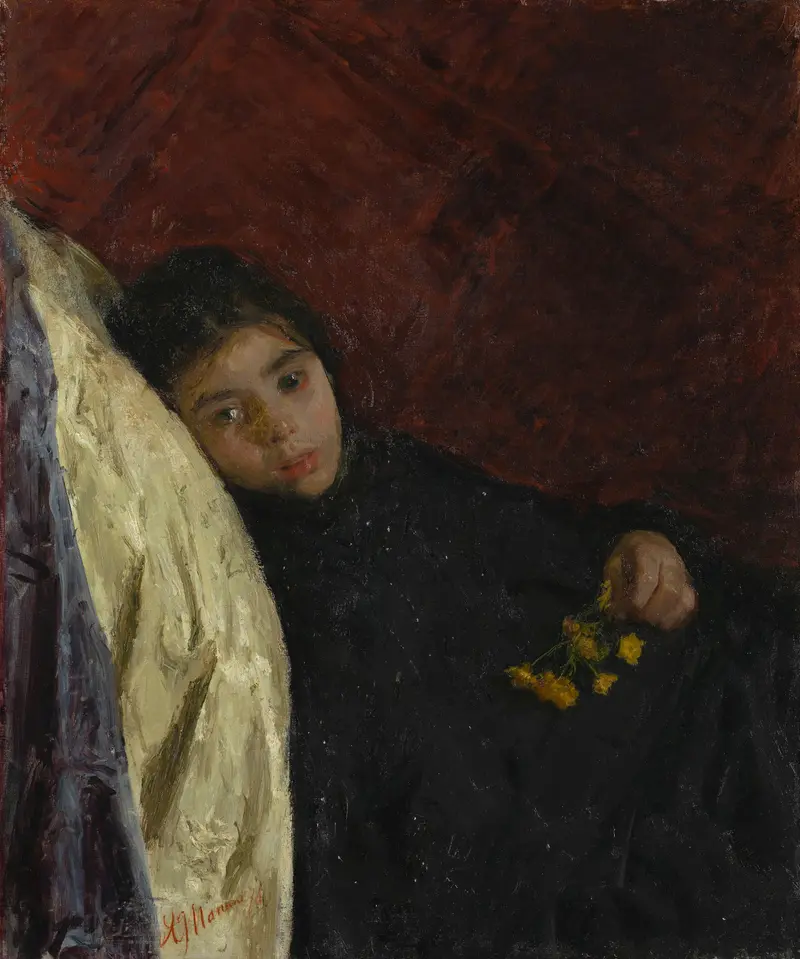
The sick child
Antonio Mancini
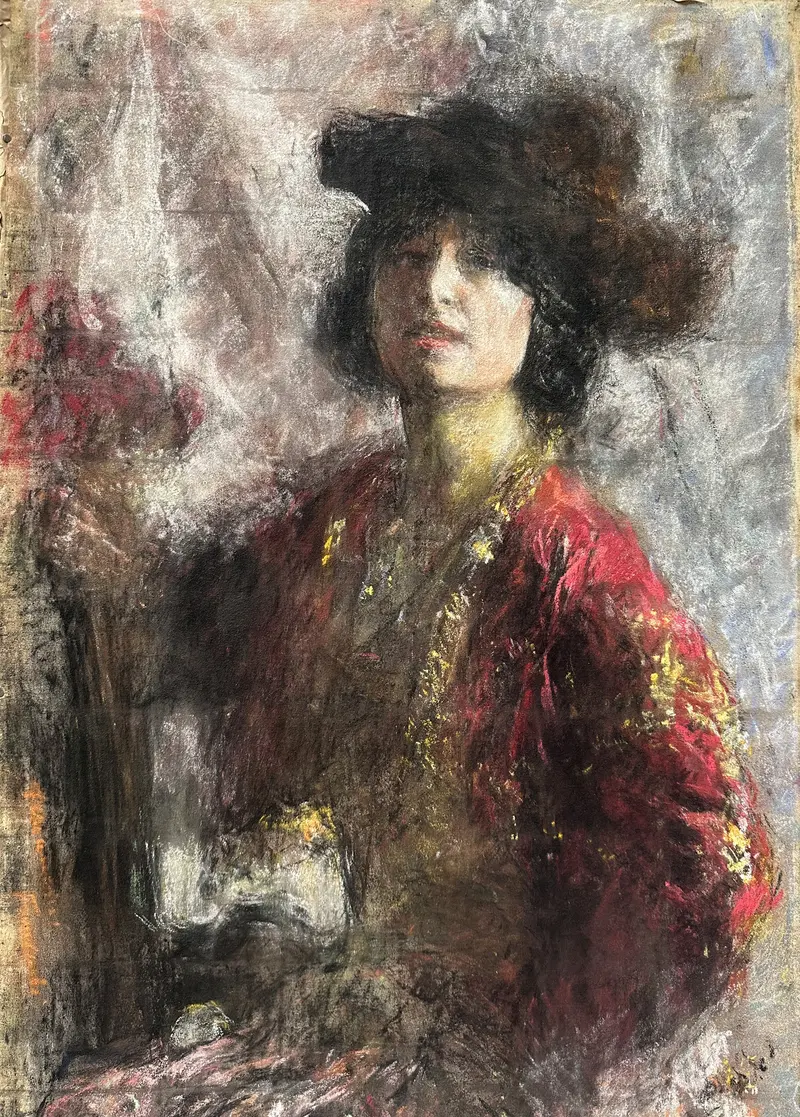
Bolero. Bullfighter
Antonio Mancini
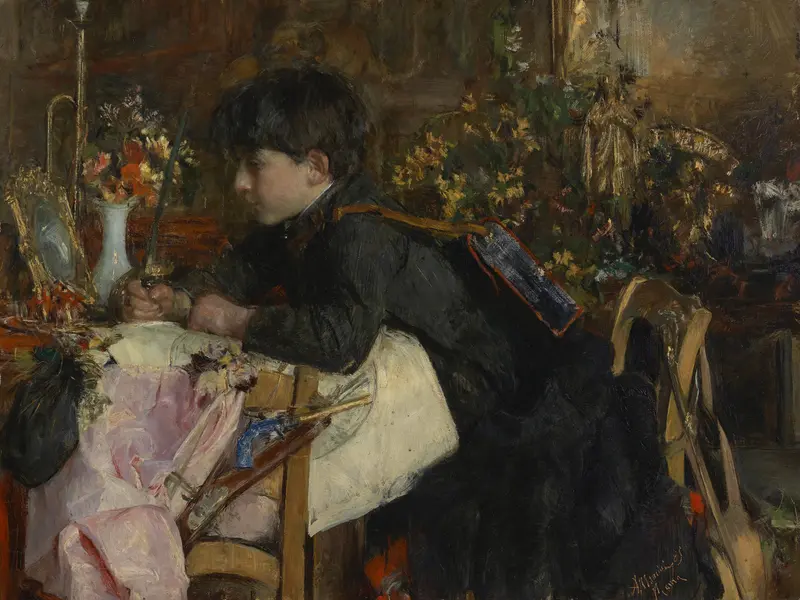
The birthday
Antonio Mancini
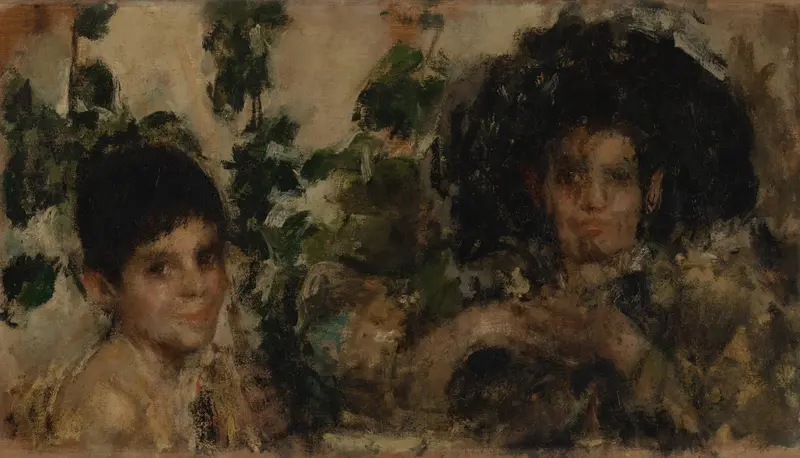
The brothers
Antonio Mancini
Liggend kind hwm0184v The Mesdag Collection
Antonio Mancini
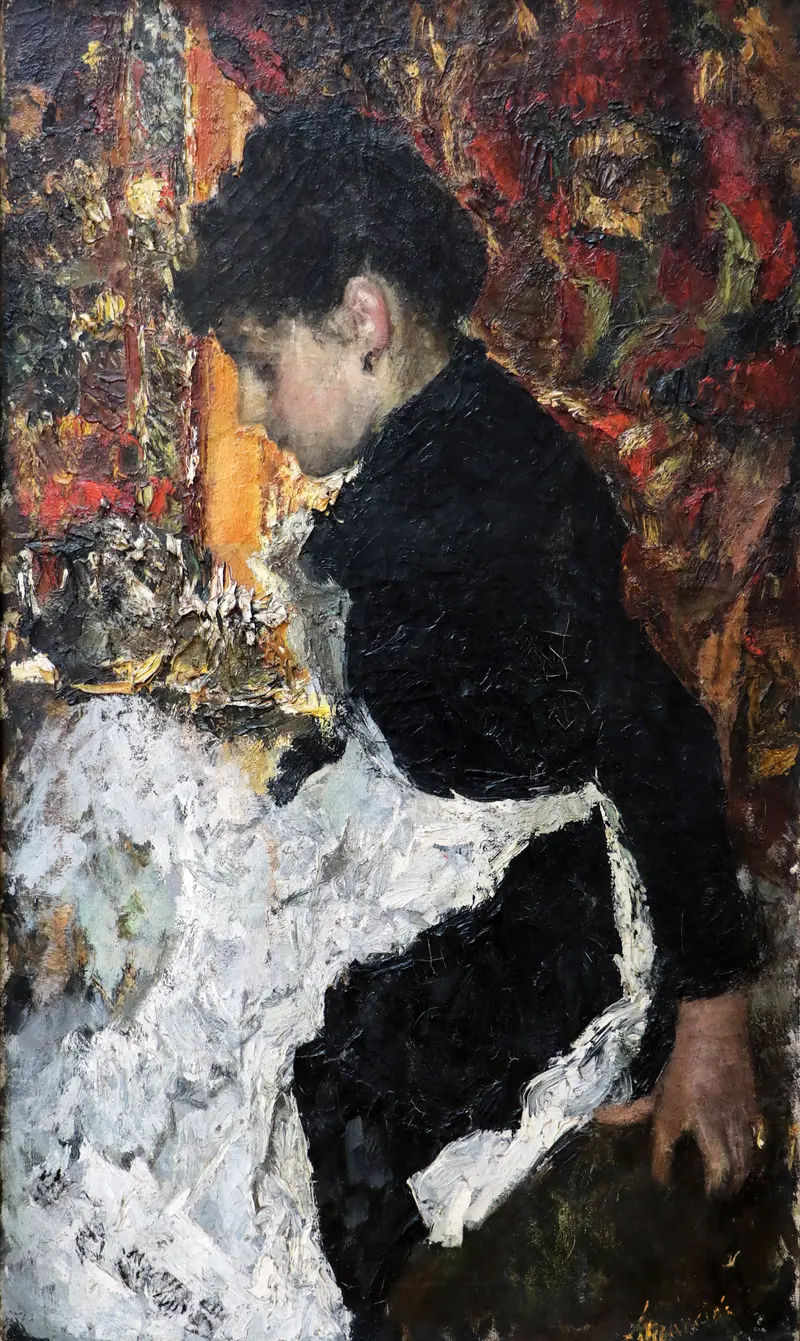
Servetta
Antonio Mancini
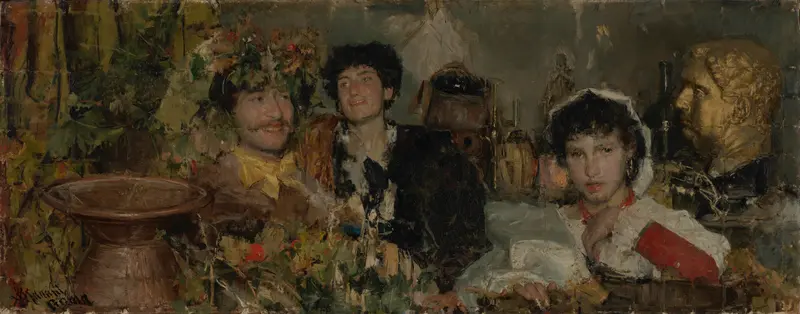
After the grape harvest
Antonio Mancini
More Genre Scene Art

Banquet of the Officers of the St George Civic Guard
Frans Hals

Rembrandt and Saskia in the Scene of the Prodigal Son
Rembrandt van Rijn

Bal du moulin de la Galette
Pierre-Auguste Renoir

Quadrille at the Moulin Rouge
Henri de Toulouse-Lautrec

A Burial at Ornans
Gustave Courbet

When Will You Marry?
Paul Gauguin