
The brothers — History & Facts
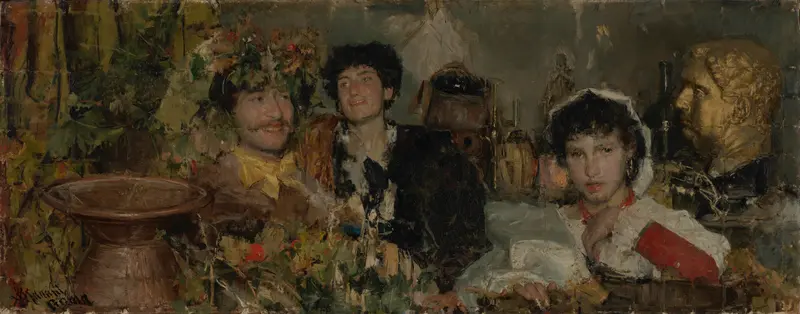
What first draws the eye in The brothers is the sense of movement and immediacy, as if the figures have only just settled into place. The leftmost boy’s half-smile emerges from a haze of brushwork, his gaze meeting ours with a conspiratorial warmth, while his companion, shrouded in a darker mass of paint, seems more guarded, his features melting into the shadow. The background dissolves into leafy greens and ochres, more suggestion than description, so that the boys seem to hover between presence and memory.
Mancini’s hand is everywhere visible: the rapid, textured strokes create a living surface, and the unfinished quality feels intentional, inviting the viewer to complete the story. This painting belongs to the closing decades of the nineteenth century, a period when artists across Europe were breaking with academic finish in favor of immediacy and psychological depth. Antonio Mancini was known for his intense, experimental portraits, often of children or street figures, painted with a bravura that sometimes scandalized his contemporaries. The Mesdag Collection, which now holds this work, was itself shaped by the taste for the new and unconventional that swept through the art world between 1867 and 1897.
History has kept few traces of the specific origins of The brothers, but its very uncertainty is part of its spell: the painting remains a living encounter, as open to interpretation now as the day it left Mancini’s easel.
More Artworks by Antonio Mancini

Portrait of a lady
Antonio Mancini
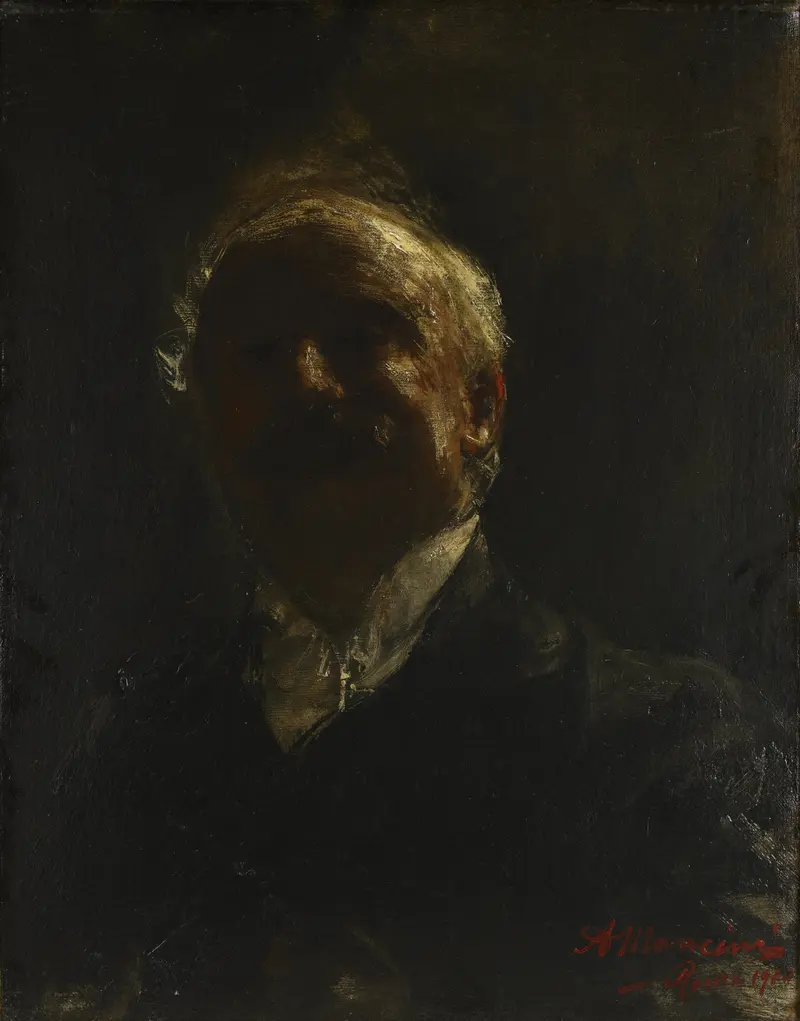
Self-Portrait
Antonio Mancini
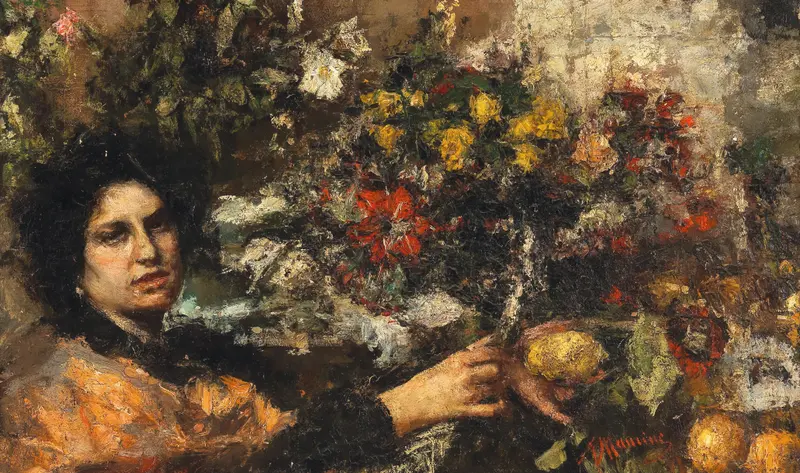
The Flower Seller
Antonio Mancini
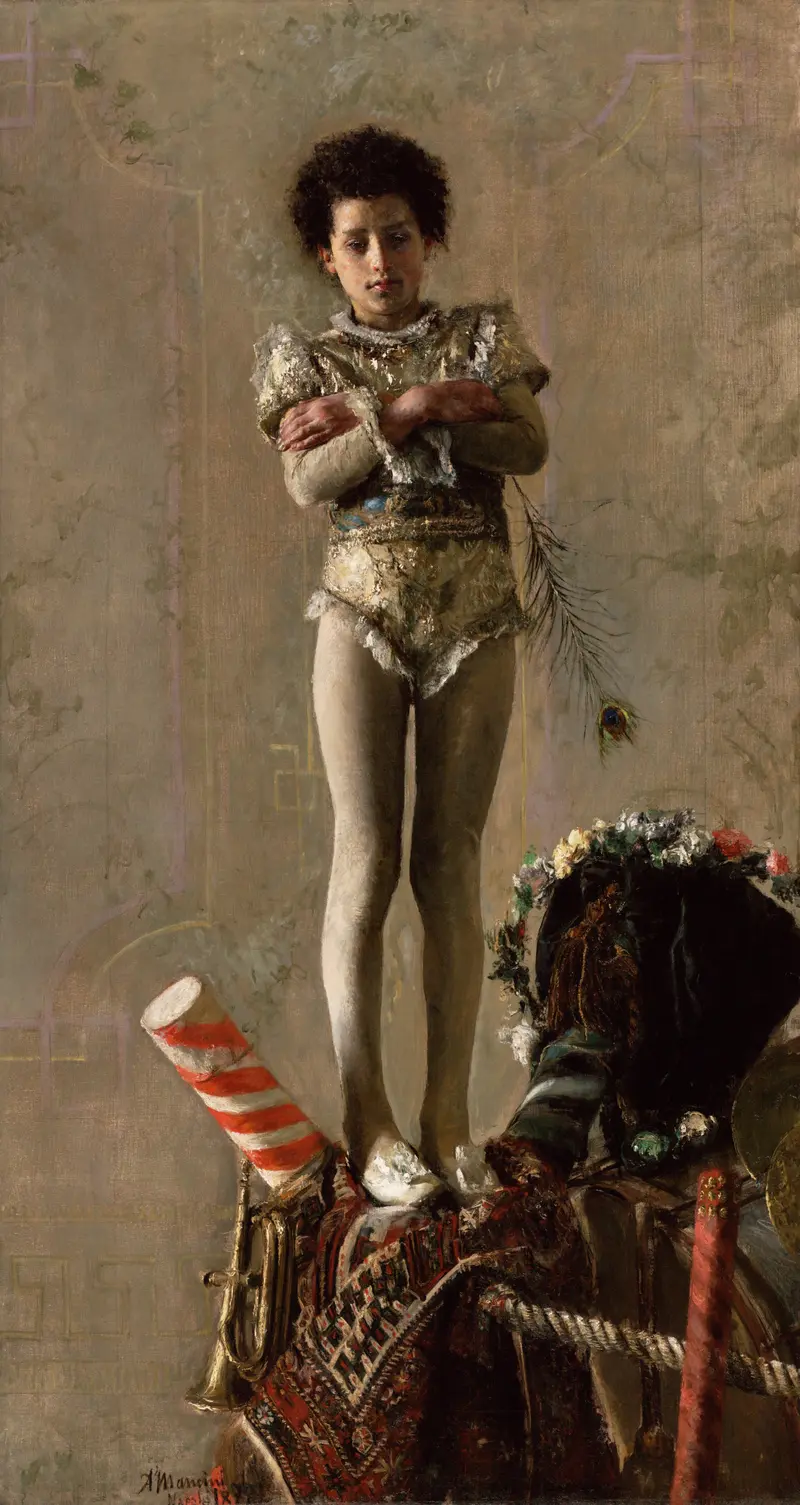
The Saltimbanco
Antonio Mancini
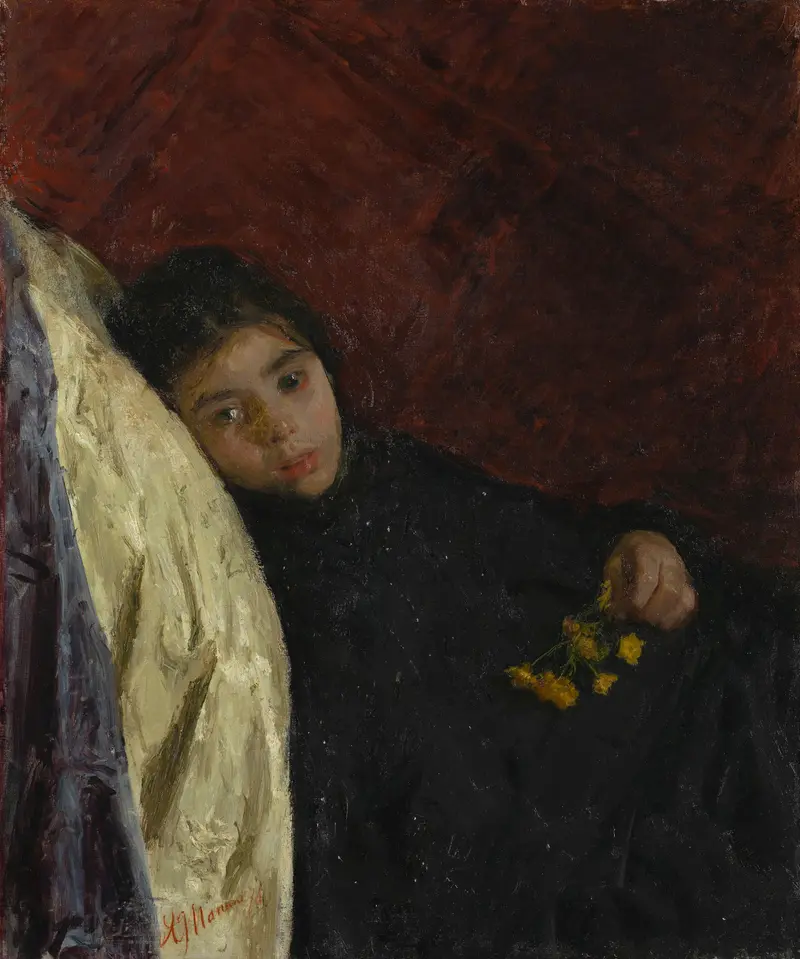
The sick child
Antonio Mancini
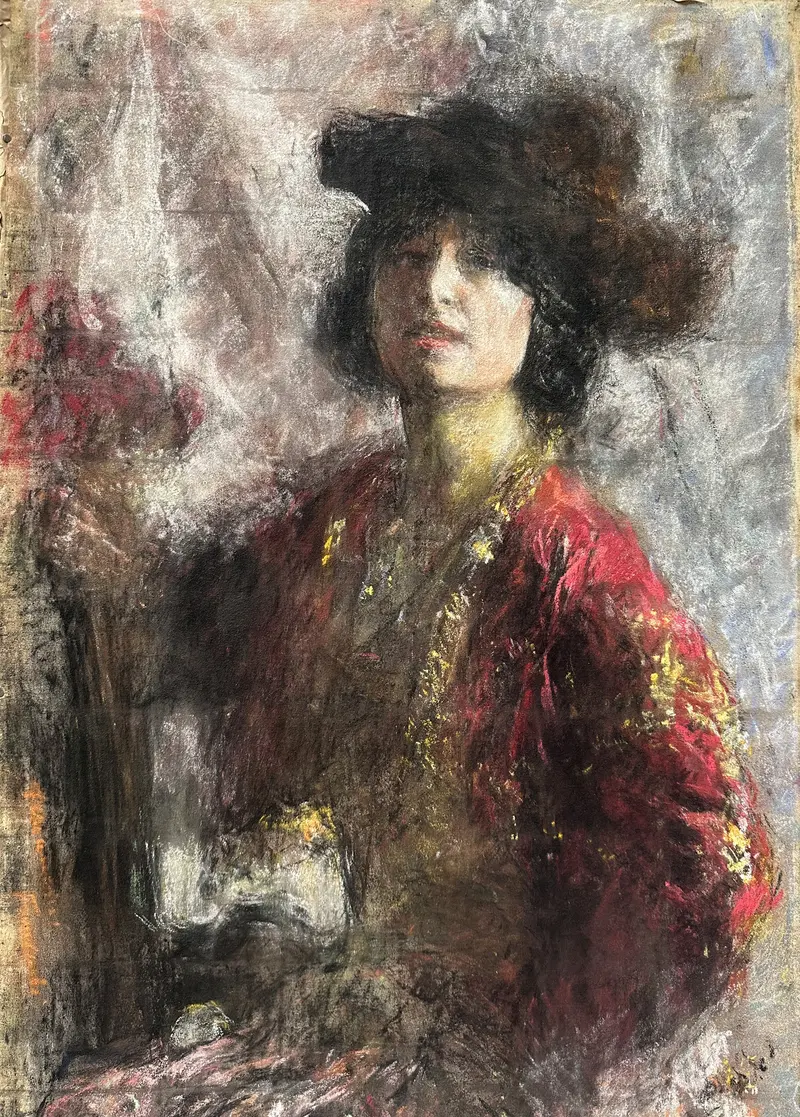
Bolero. Bullfighter
Antonio Mancini
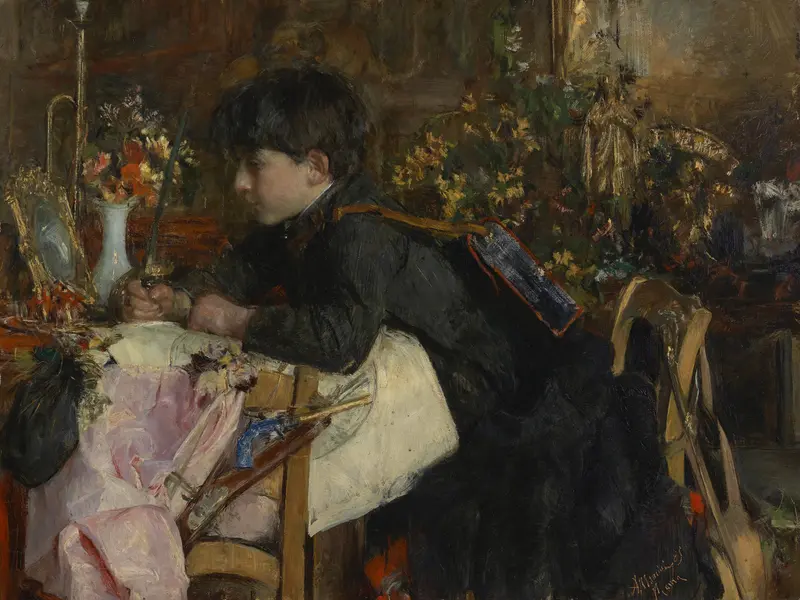
The birthday
Antonio Mancini
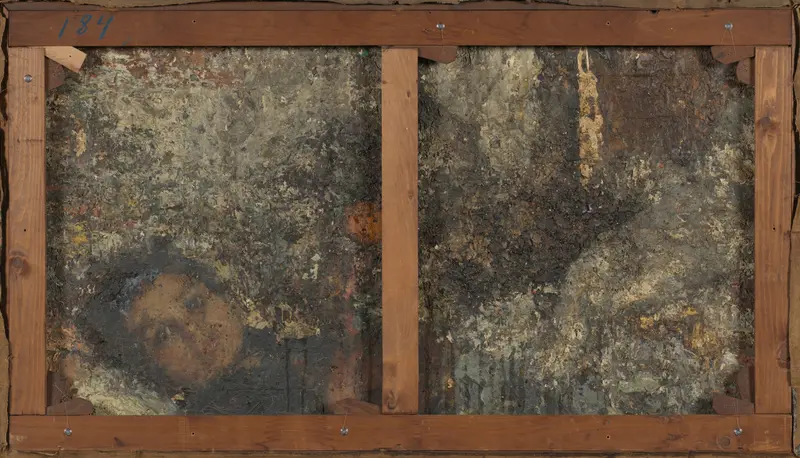
Liggend kind hwm0184v The Mesdag Collection
Antonio Mancini
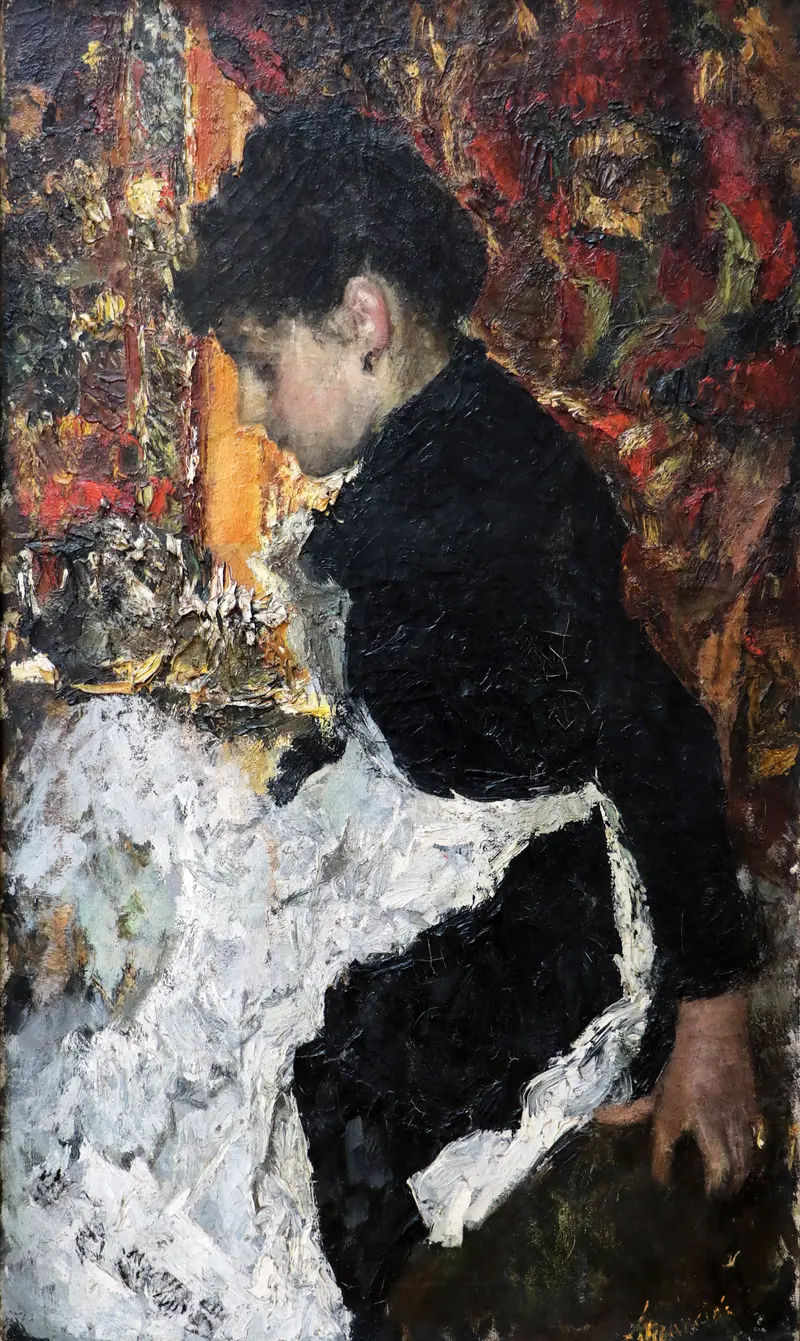
Servetta
Antonio Mancini
After the grape harvest
Antonio Mancini





