
Bolero. Bullfighter — History & Facts
It is the shimmer of red and gold that first catches the eye, as if the figure in Bolero. Bullfighter by Antonio Mancini were stepping forward from a cloud of light and shadow. The sitter’s gaze is direct, self-assured, almost challenging, while the loose, bravura brushwork blurs the boundary between flesh and costume, reality and performance.
The broad hat casts a shadow that half-conceals the eyes, drawing attention to the subtle smile and the proud tilt of the head. Around her, the background dissolves into a haze of grays and ochres, the suggestion of a stage or arena lost in the painter’s energetic handling. Every stroke seems to vibrate with the tension of anticipation, as if the moment before the music begins has been caught and held. Painted between 1911 and 1917, this work belongs to a world in flux, when the spectacle of the bullfight and the drama of the stage still held the European imagination in thrall.
Antonio Mancini, working in the early twentieth century, was known for his fascination with performers and the theatrical, often blurring the lines between portraiture and scene-painting. Such images were prized by collectors eager for a taste of modernity, yet still rooted in the traditions of bravura painting and the romance of Spanish costume. History has kept few traces of this particular painting’s journey, but its energy and immediacy invite the viewer to linger, searching for the story behind the sitter’s enigmatic expression.
More Artworks by Antonio Mancini

Portrait of a lady
Antonio Mancini
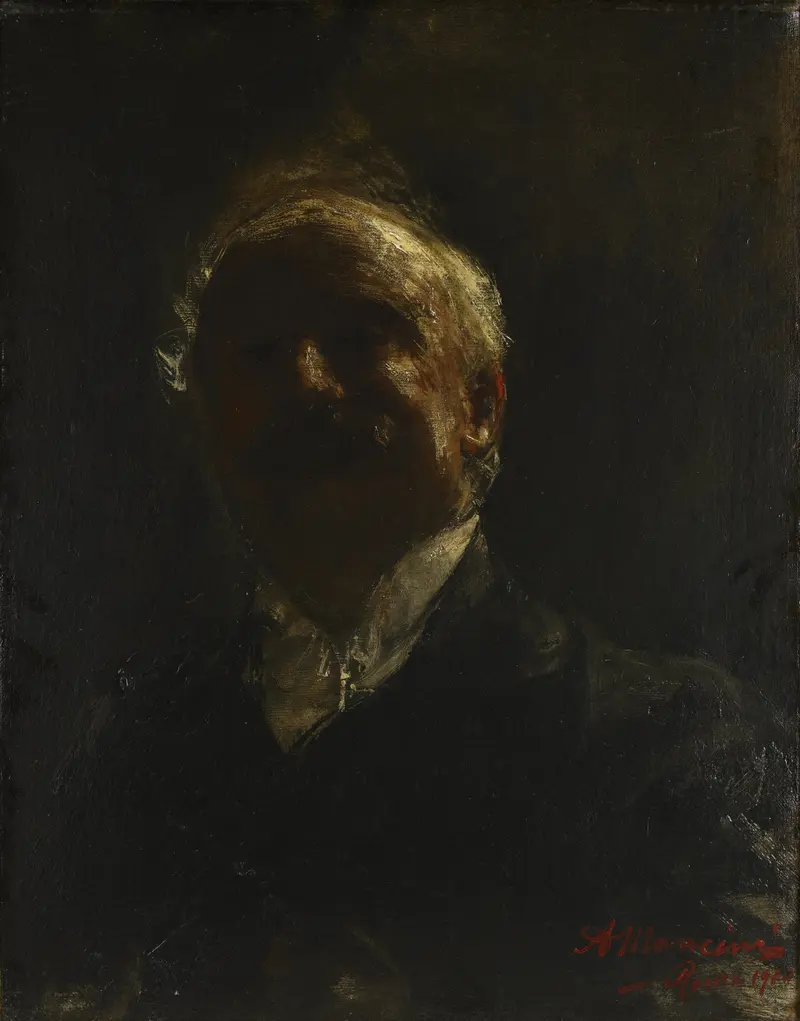
Self-Portrait
Antonio Mancini
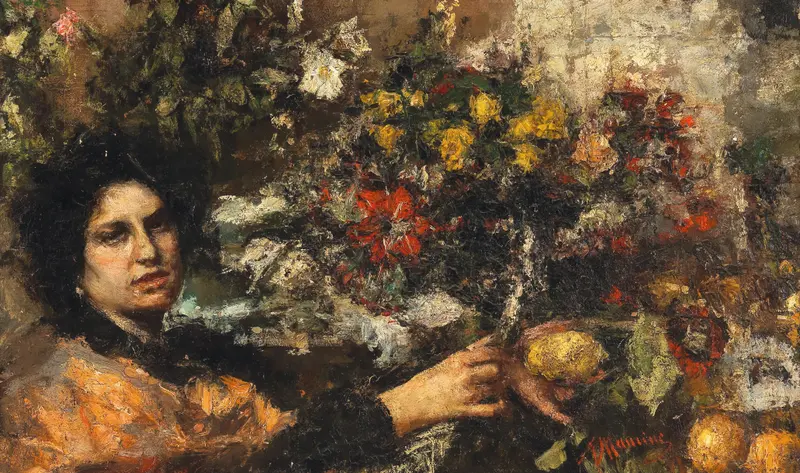
The Flower Seller
Antonio Mancini
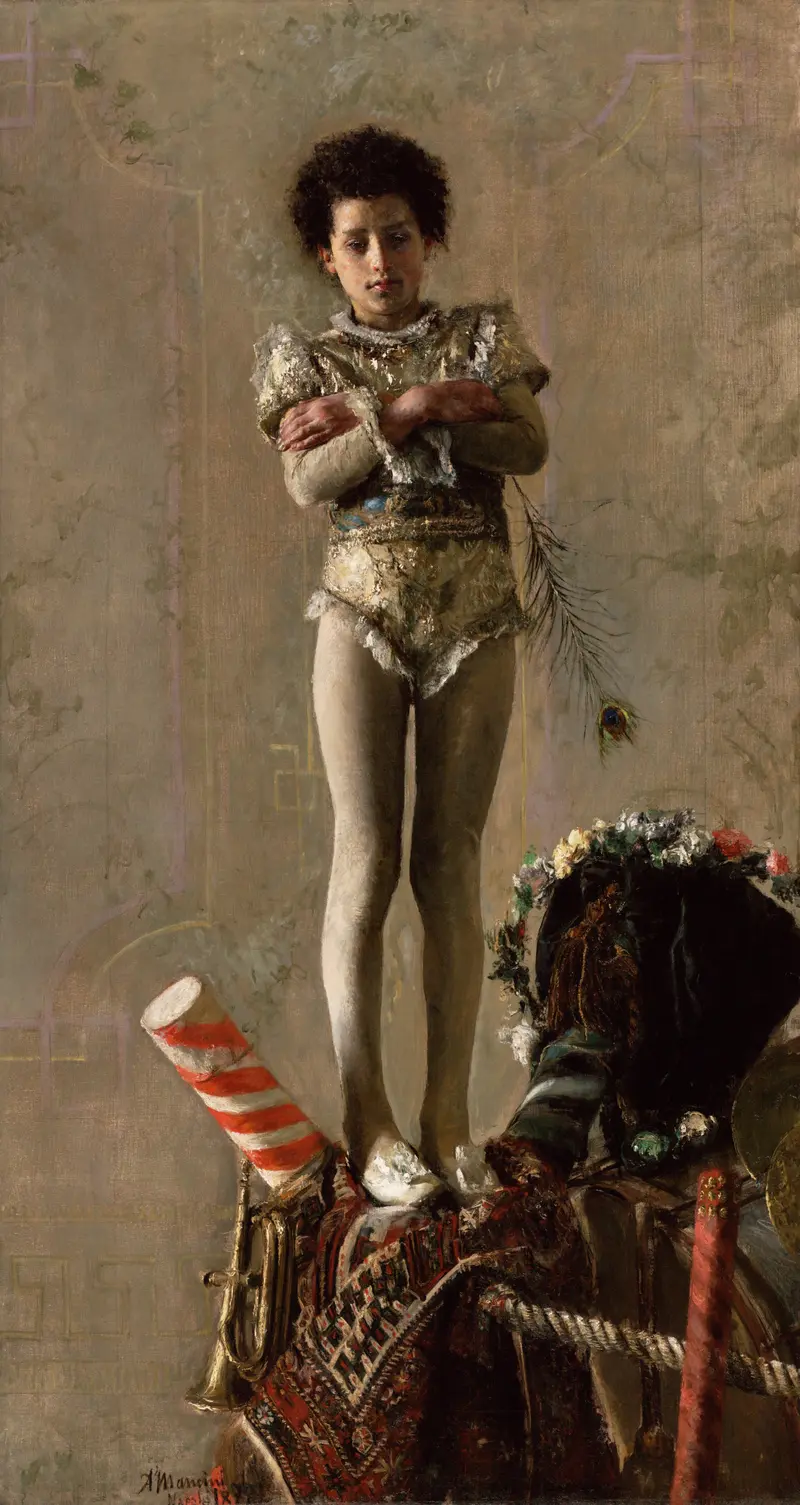
The Saltimbanco
Antonio Mancini
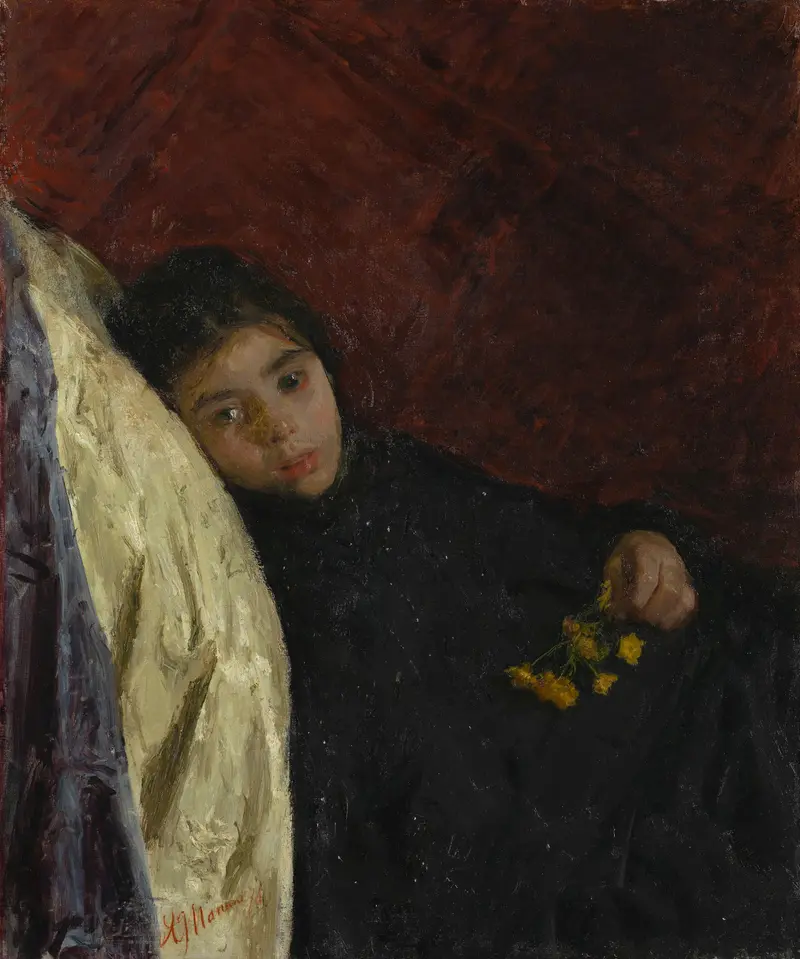
The sick child
Antonio Mancini
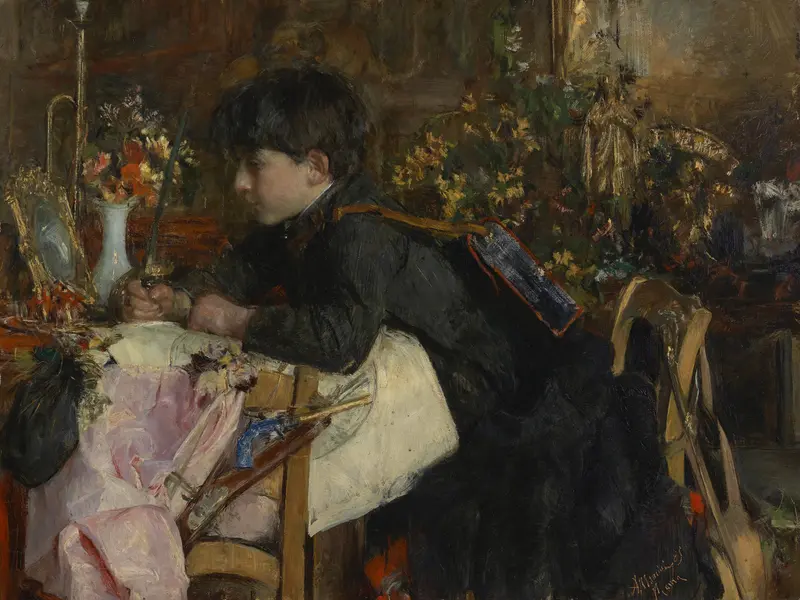
The birthday
Antonio Mancini
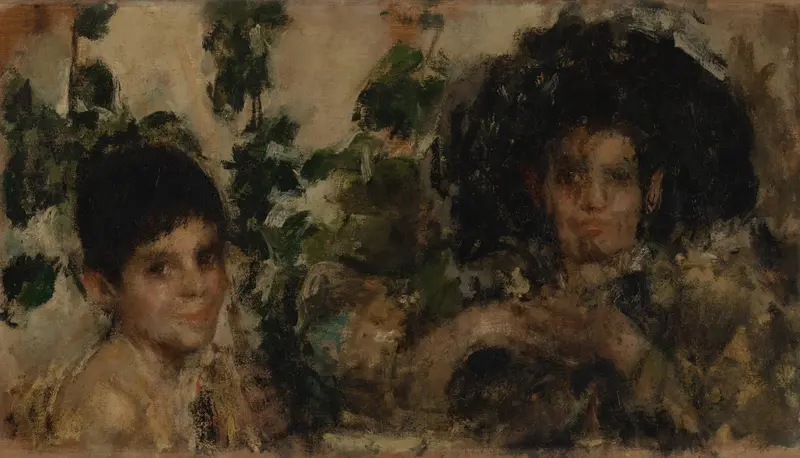
The brothers
Antonio Mancini
Liggend kind hwm0184v The Mesdag Collection
Antonio Mancini
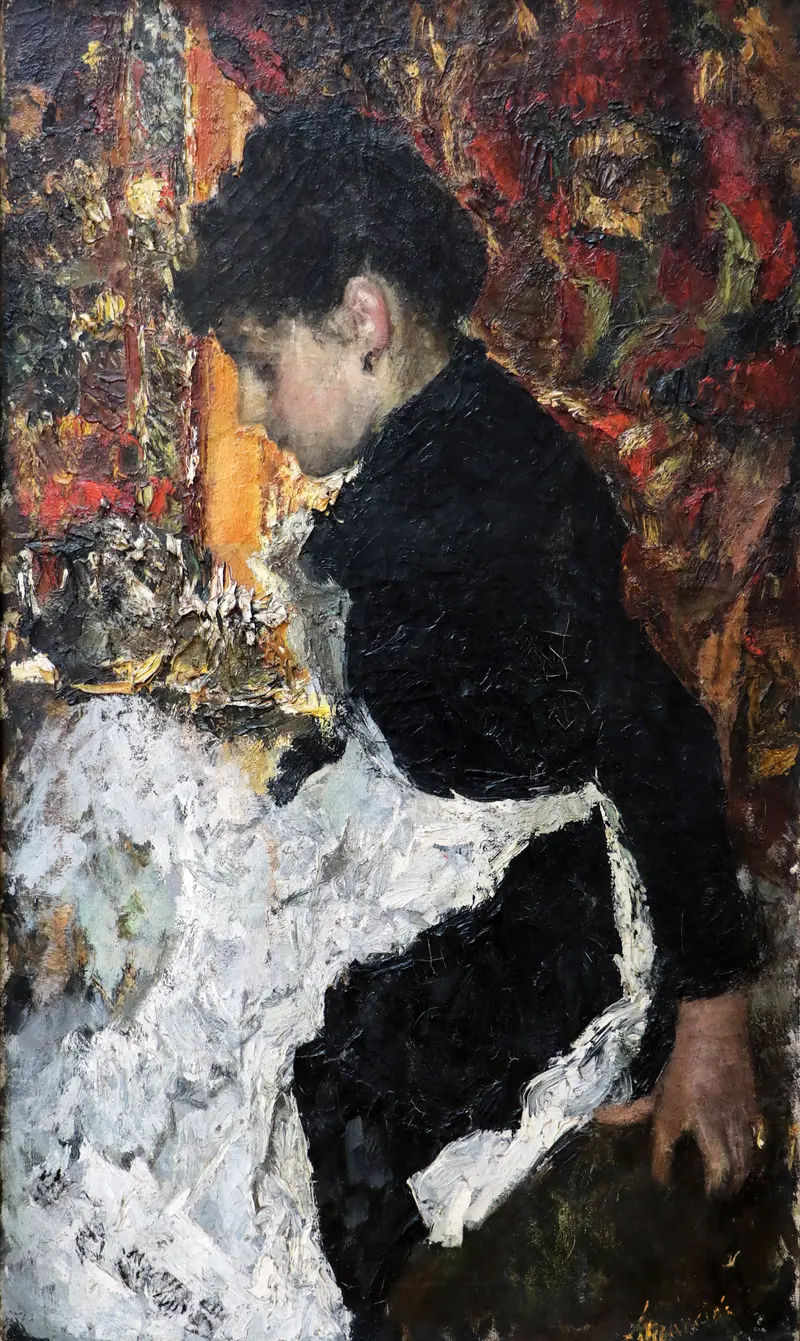
Servetta
Antonio Mancini
After the grape harvest
Antonio Mancini





