
Portrait of a lady — History & Facts
A smile, broad and unguarded, draws you instantly into the world of Portrait of a lady by Antonio Mancini. The sitter’s gaze, candid and direct, seems to catch the viewer in a moment of shared delight—her cheeks flushed, lips parted as if she has just been surprised by a fond memory. The artist’s brushwork, loose and energetic, animates the surface with a sense of immediacy: the creamy whites of her cuffs and collar almost swirl into motion, while the dark background recedes, leaving her presence to command the scene.
Mancini’s signature in the upper left, a flash of red, is the only sharp accent in a composition otherwise built from earthy, textured tones. The effect is intimate, as if the artist has captured not just a likeness, but a fleeting spark of personality. This portrait belongs to a world where the art of likeness was undergoing transformation. In the late nineteenth and early twentieth centuries, painters like Mancini—working in Italy and beyond—sought new ways to convey the vitality of their sitters, often for a rising bourgeois clientele eager to see themselves portrayed with both realism and warmth.
The thick, tactile paint and spontaneous gestures here speak to that era’s fascination with character over idealization. Though little is recorded about this particular work beyond its appearance at Dorotheum, Vienna, in September 2023, it stands as a testament to a time when portraiture was as much about capturing spirit as status. Look again at her smile: it is the painting’s true story, undimmed by time.
More Artworks by Antonio Mancini
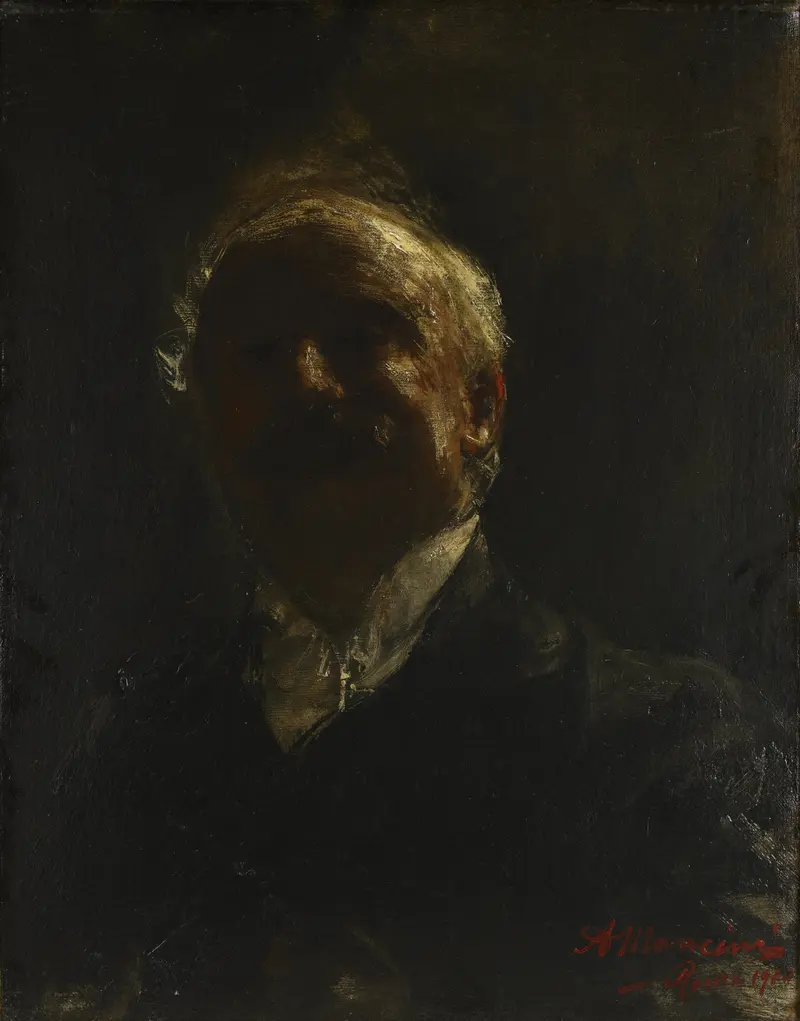
Self-Portrait
Antonio Mancini
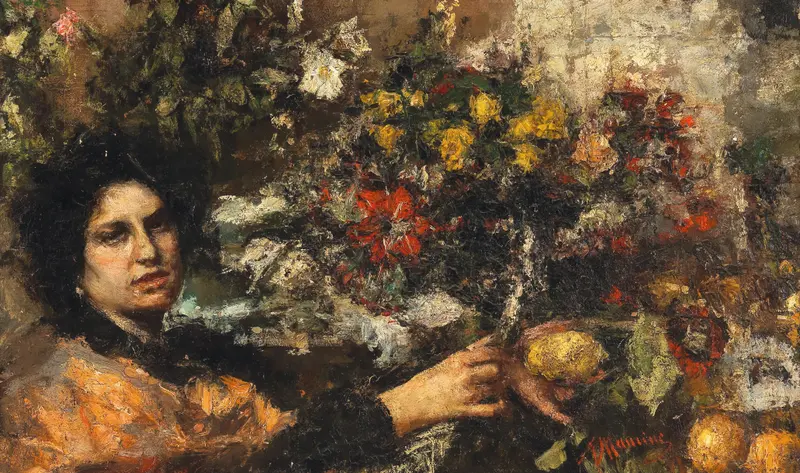
The Flower Seller
Antonio Mancini
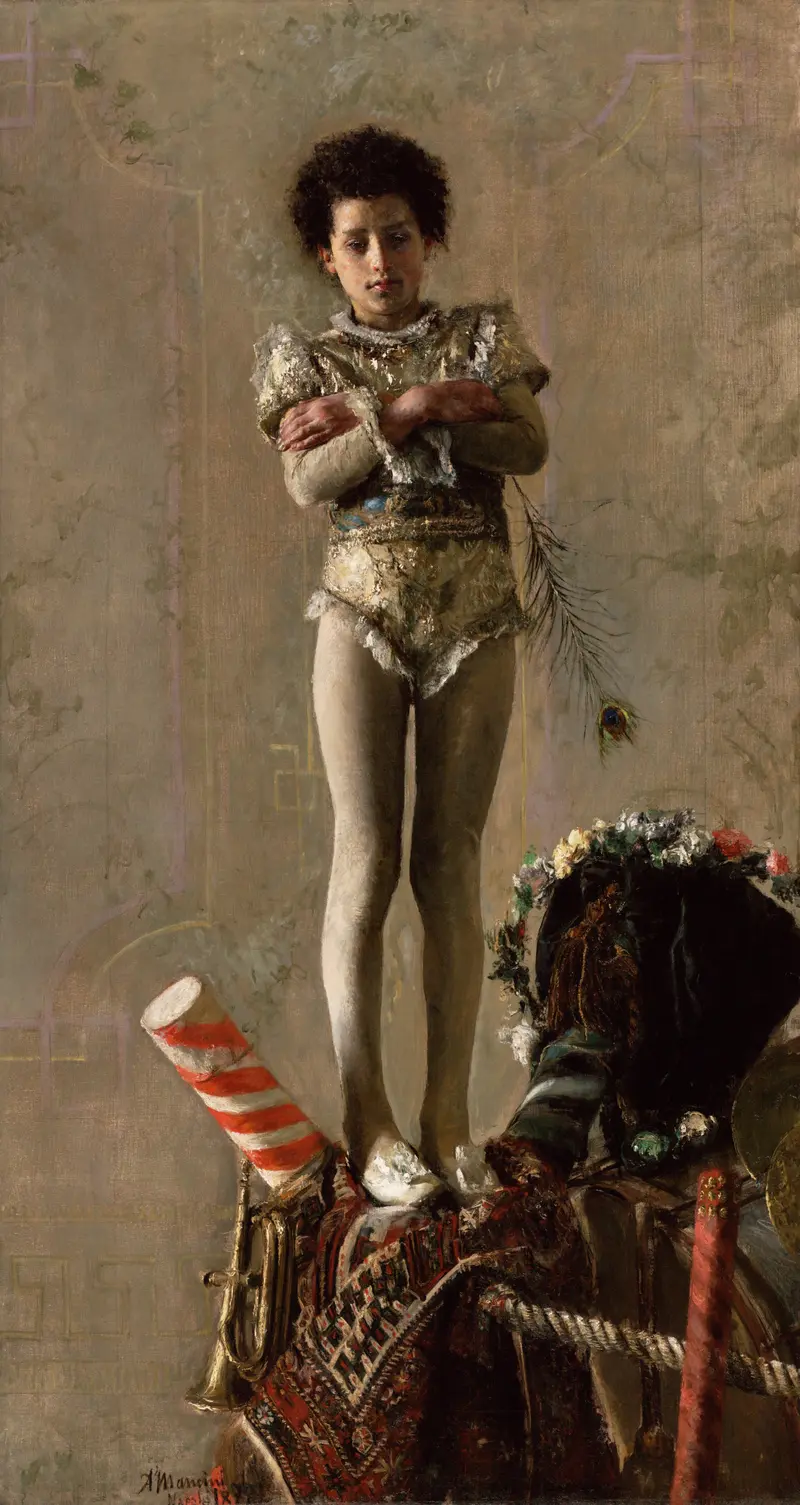
The Saltimbanco
Antonio Mancini
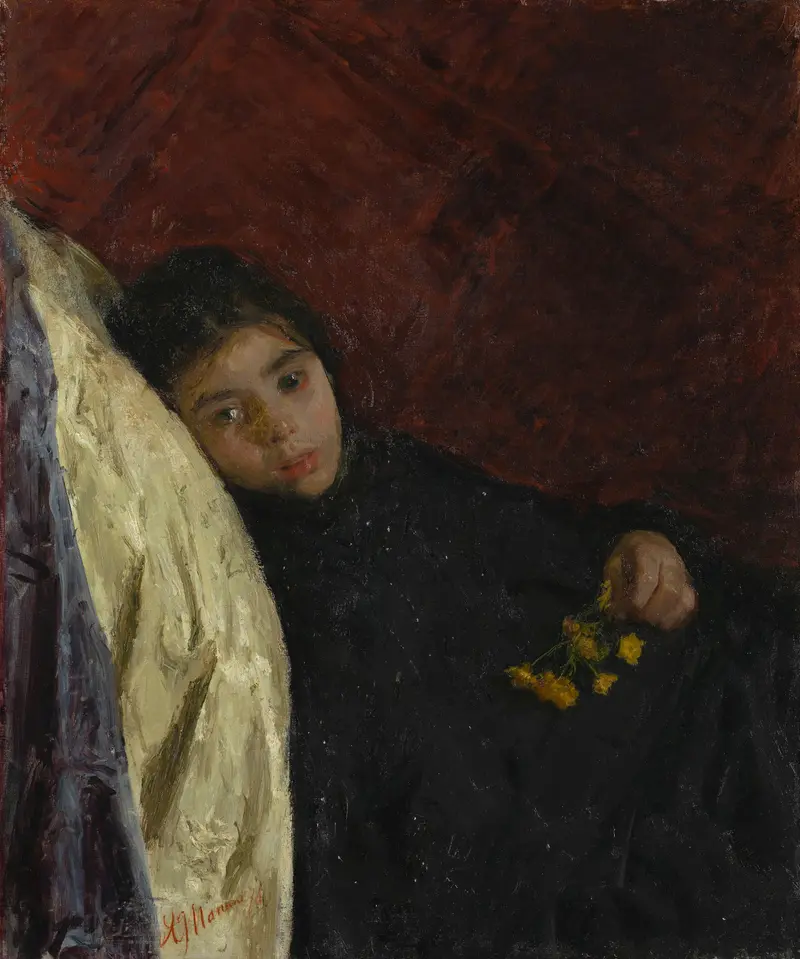
The sick child
Antonio Mancini
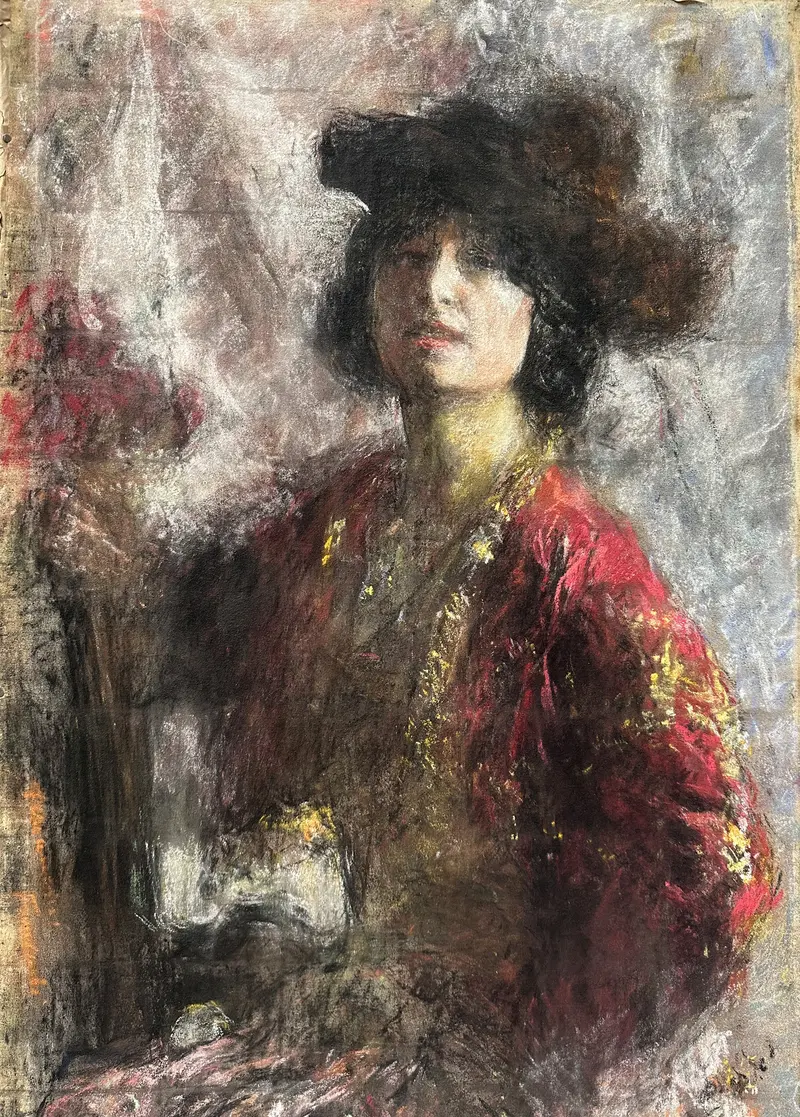
Bolero. Bullfighter
Antonio Mancini
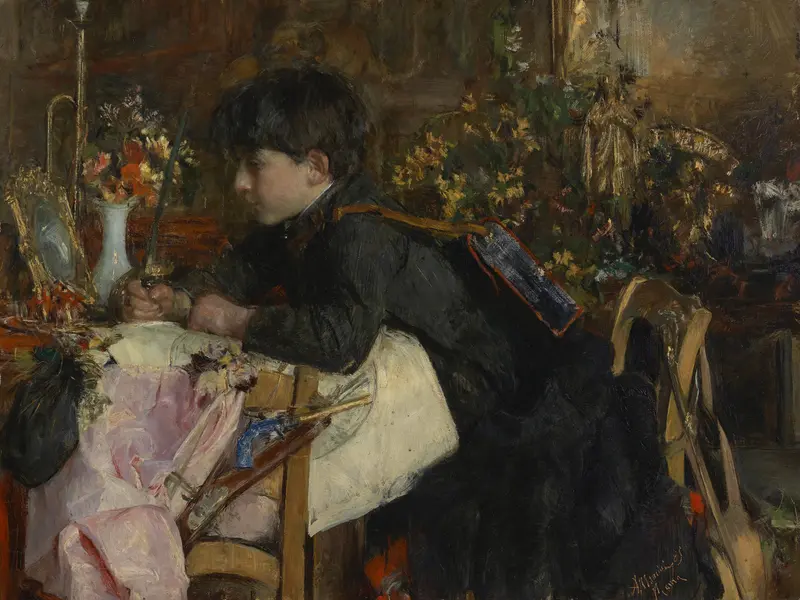
The birthday
Antonio Mancini
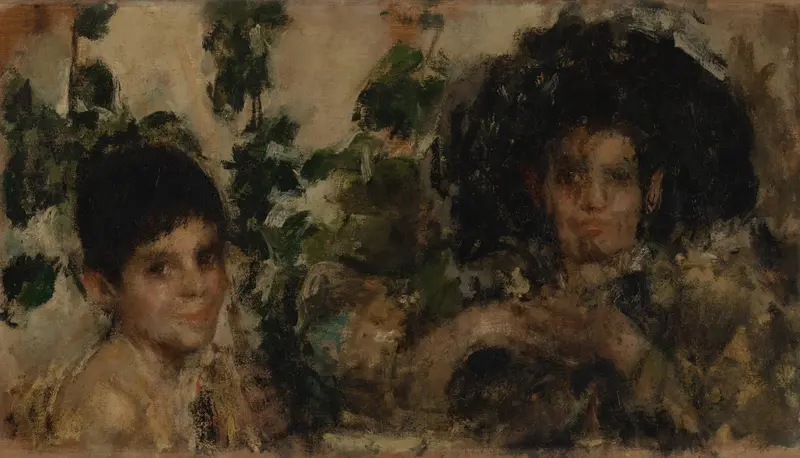
The brothers
Antonio Mancini
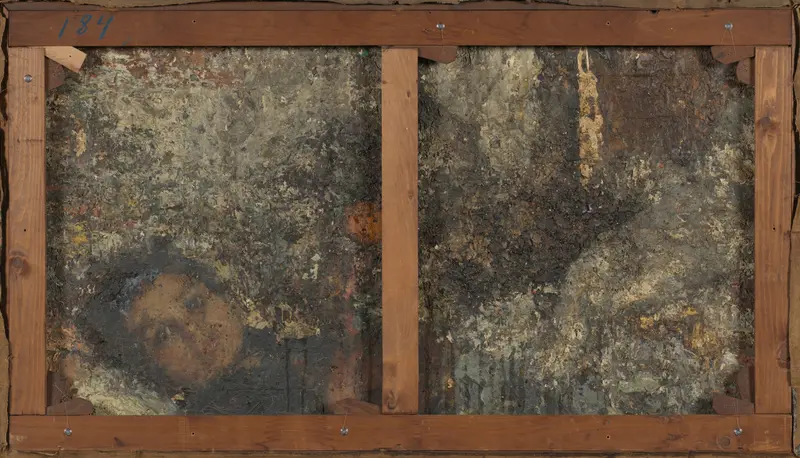
Liggend kind hwm0184v The Mesdag Collection
Antonio Mancini
Servetta
Antonio Mancini
After the grape harvest
Antonio Mancini





