
Liggend kind hwm0184v The Mesdag Collection — History & Facts
The first thing that catches the eye in Liggend kind hwm0184v The Mesdag Collection is the haunting emergence of a child's face from a dense, almost geological surface of paint. The head lies low in the frame, half-shrouded by shadows and thick impasto, as if the child is both part of the earth and set apart from it. The gaze is direct, wide-eyed, and ambiguous—caught between sleep and waking, innocence and unease.
Around this face, the brushwork dissolves into abstraction: a riot of ochres, greys, and blacks, so textured it seems to press forward from the canvas. The wooden stretcher bars, visible and unapologetic, divide the image and remind us of the painting’s physicality—this is not just a scene, but an object with weight and history. Works like this, painted before 1897 by Antonio Mancini, belong to a moment when artists were pushing the boundaries of how paint could be used to capture life and emotion. The late nineteenth century saw a surge in interest in the everyday, the humble, and the unvarnished—subjects that might once have been overlooked, now rendered with almost obsessive attention to surface and sensation.
In Italy and beyond, painters like Mancini found new ways to convey the vulnerability of childhood, often for collectors who prized both technical bravura and psychological depth. Now held in The Mesdag Collection, this painting stands as a testament to that restless experimentation. The longer you look, the more the child’s face seems to flicker between presence and disappearance, asking you to decide what is real and what is memory.
More Artworks by Antonio Mancini

Portrait of a lady
Antonio Mancini
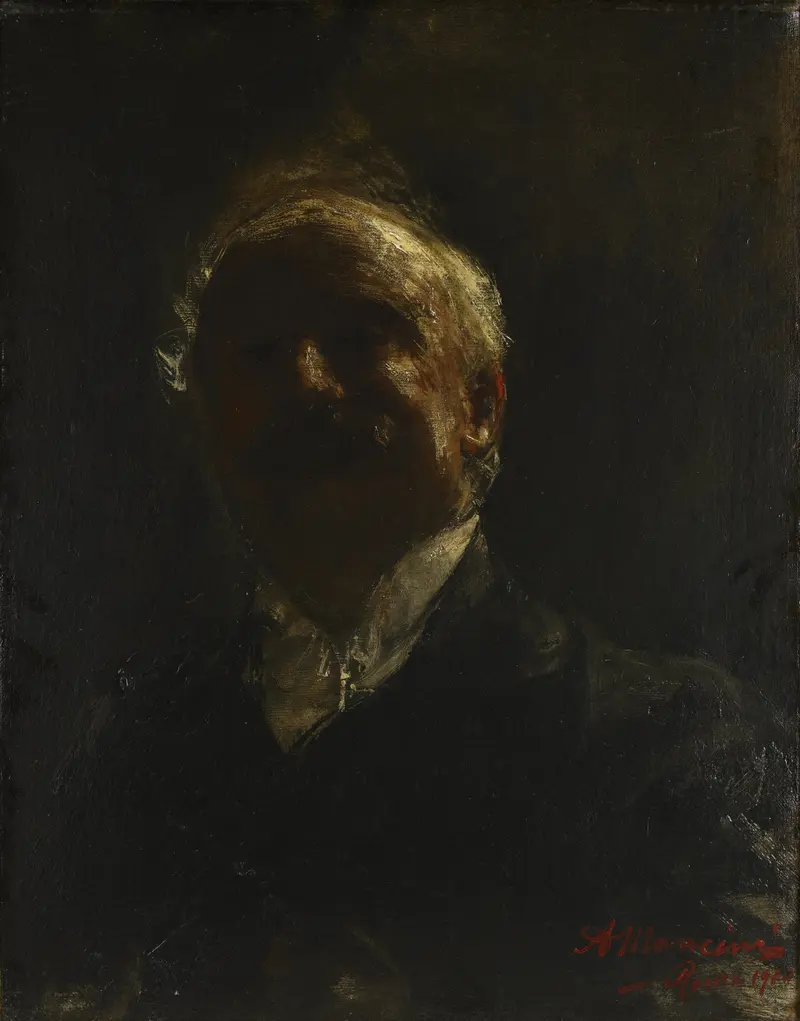
Self-Portrait
Antonio Mancini
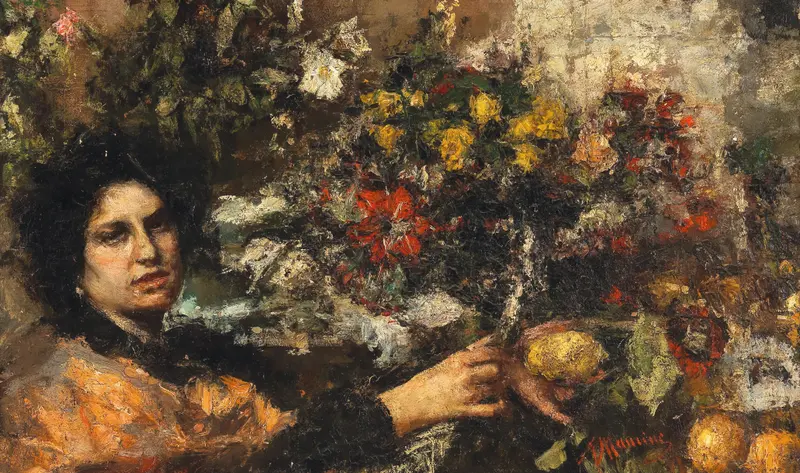
The Flower Seller
Antonio Mancini
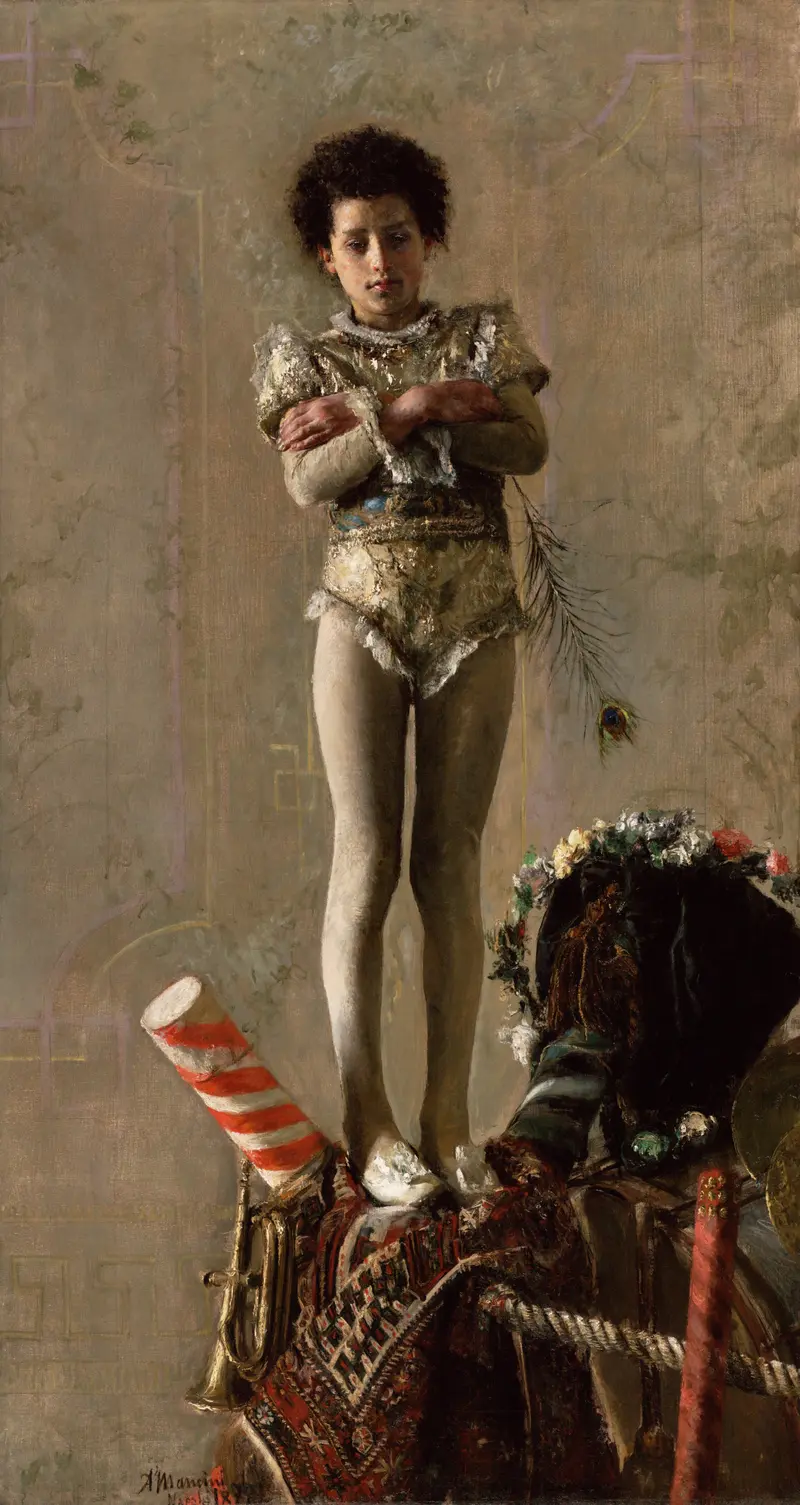
The Saltimbanco
Antonio Mancini
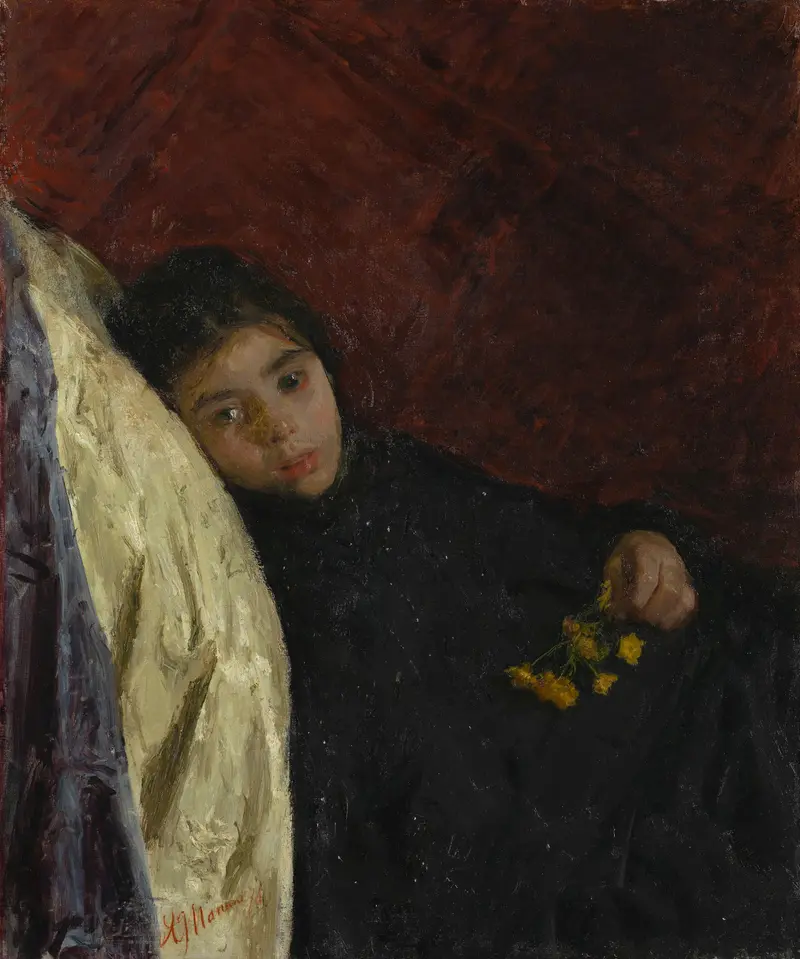
The sick child
Antonio Mancini
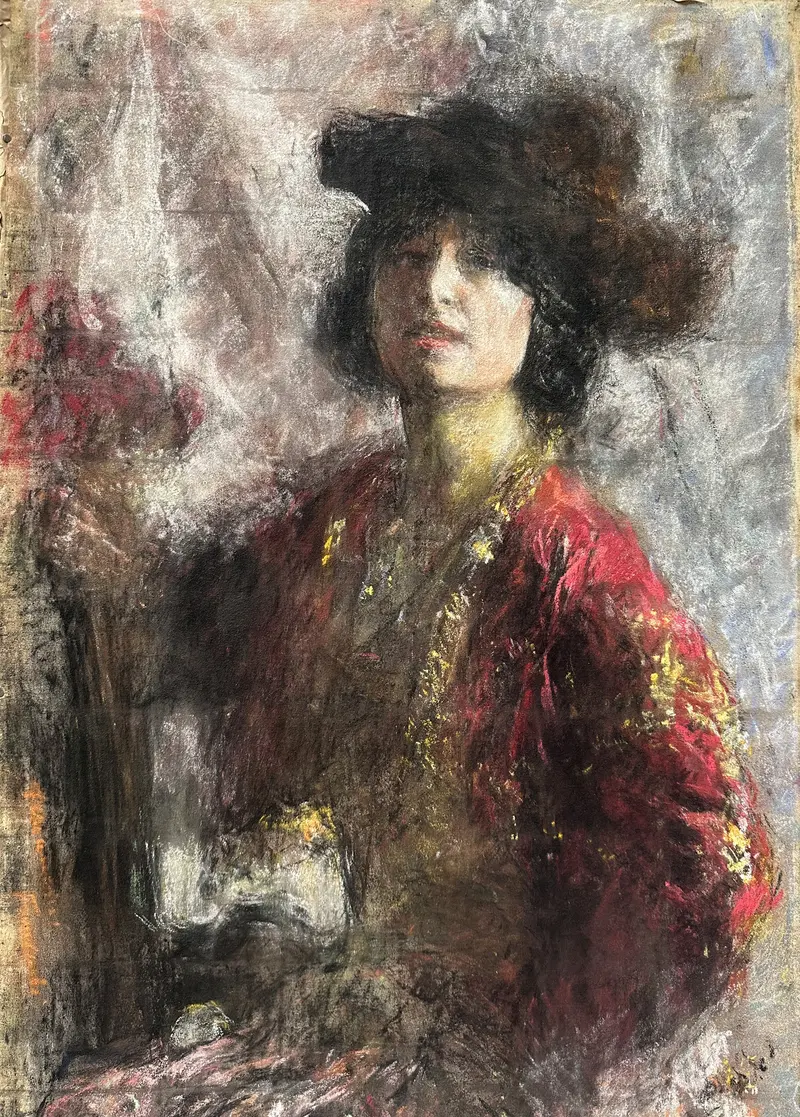
Bolero. Bullfighter
Antonio Mancini
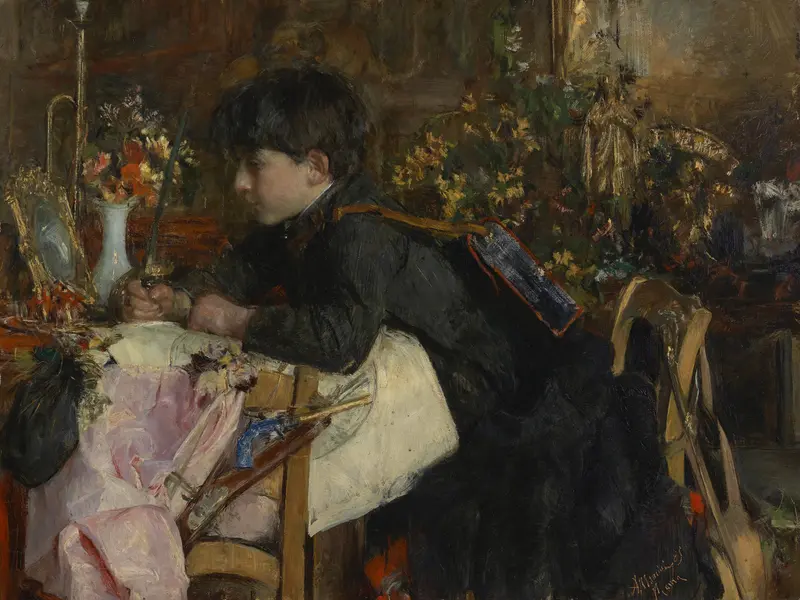
The birthday
Antonio Mancini
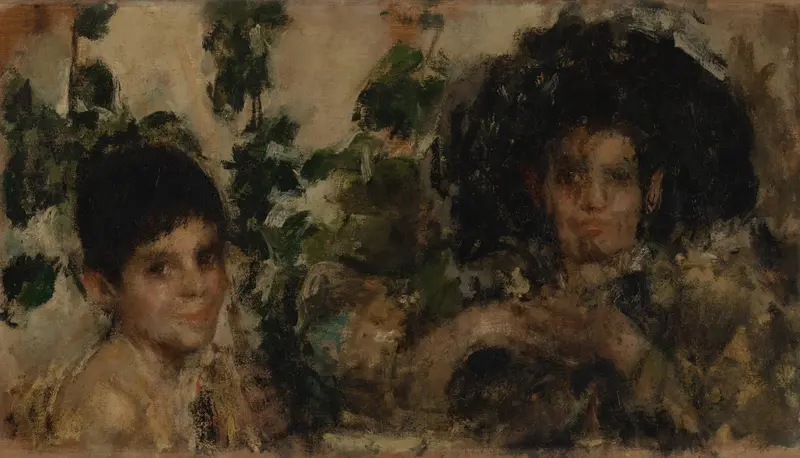
The brothers
Antonio Mancini
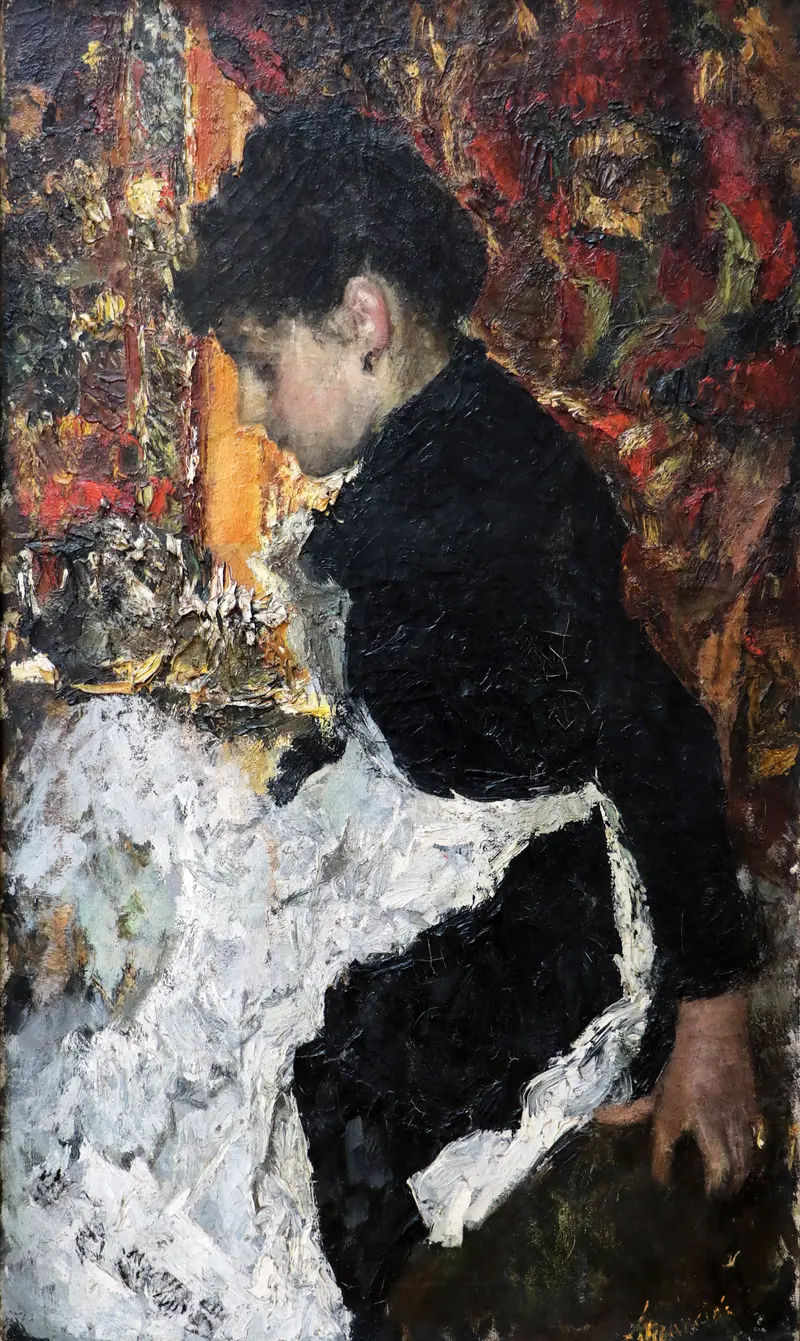
Servetta
Antonio Mancini
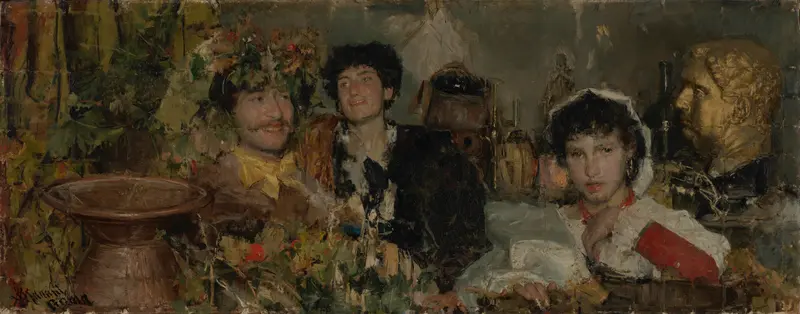
After the grape harvest
Antonio Mancini



