
Agony in the Garden — History & Facts
A shaft of light carves its way through the darkness, landing on a solitary figure whose upturned face and open hands seem to plead with the heavens. In Agony in the Garden, Antonio da Correggio chooses not the chaos of betrayal, but the hush before it: a moment suspended between fear and surrender. The blue-robed Christ kneels, his white garment catching the glow that pours from an angel descending at the upper left.
That angel’s hand gestures downward, as if offering comfort or a message, while Christ’s gaze is fixed upward, his expression caught between hope and resignation. The surrounding gloom presses in, but the light insists on his presence, making him the quiet axis of the scene. Painted in 1525, this work belongs to a world where religious painting was both public spectacle and private meditation. The early 16th century in Italy saw artists like Correggio infusing biblical stories with new psychological depth, using light and shadow not just to model bodies but to evoke emotion.
Works like this were often commissioned for chapels or private devotion, intended to draw the viewer into the drama of Christ’s suffering and prayer. The English Heritage collection now holds this painting, though history has kept few traces of its early journey. As you look closer, notice how the darkness is not empty but alive with tension—each brushstroke a reminder that this was an age when faith, doubt, and art all mingled in the night.
More Artworks by Antonio da Correggio

Virgin and Child with the Young Saint John the Baptist
Antonio da Correggio
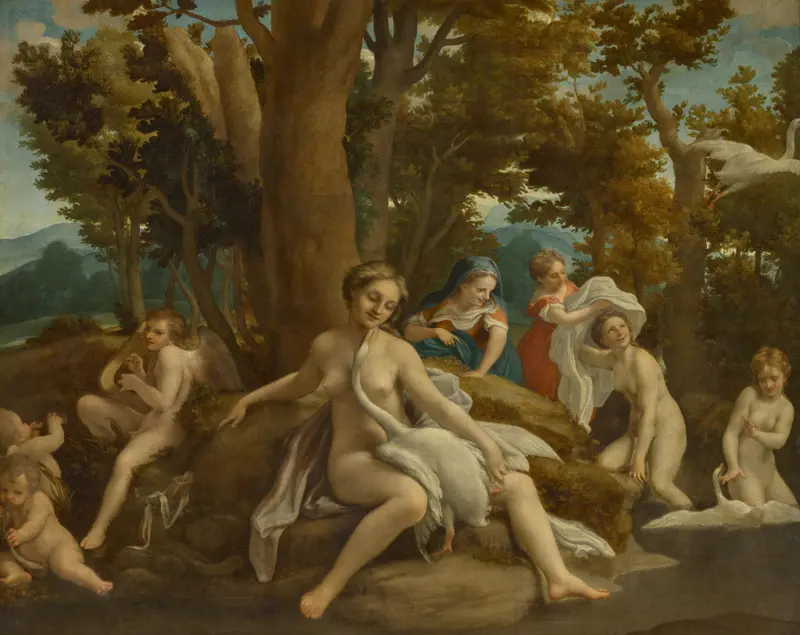
Leda and the Swan
Antonio da Correggio
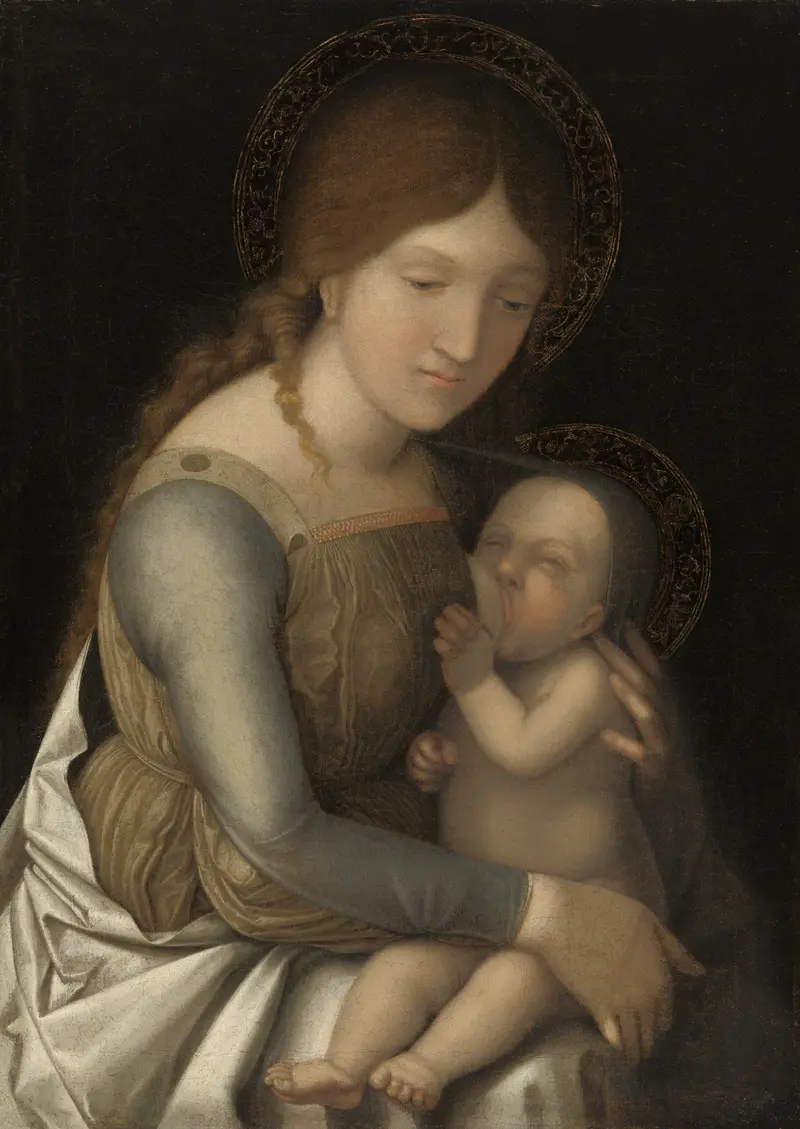
Madonna and Child
Antonio da Correggio
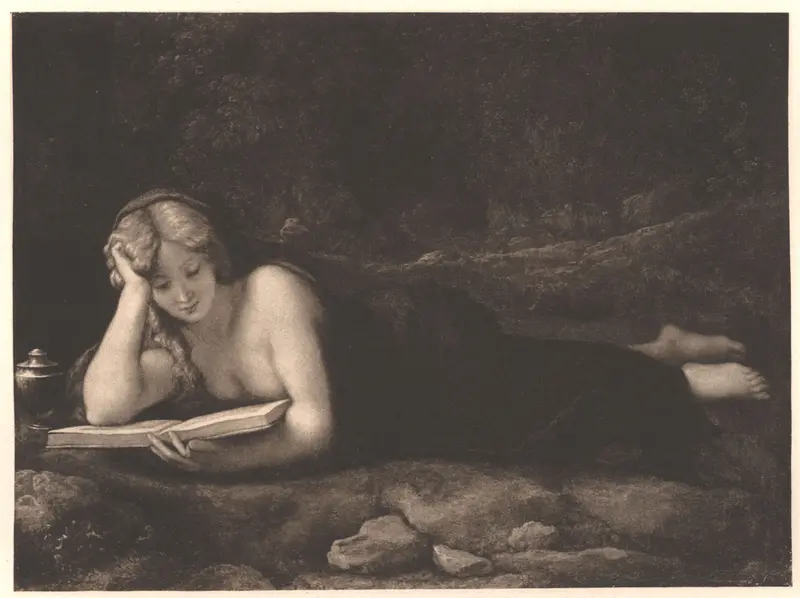
Penitent Magdalene
Antonio da Correggio
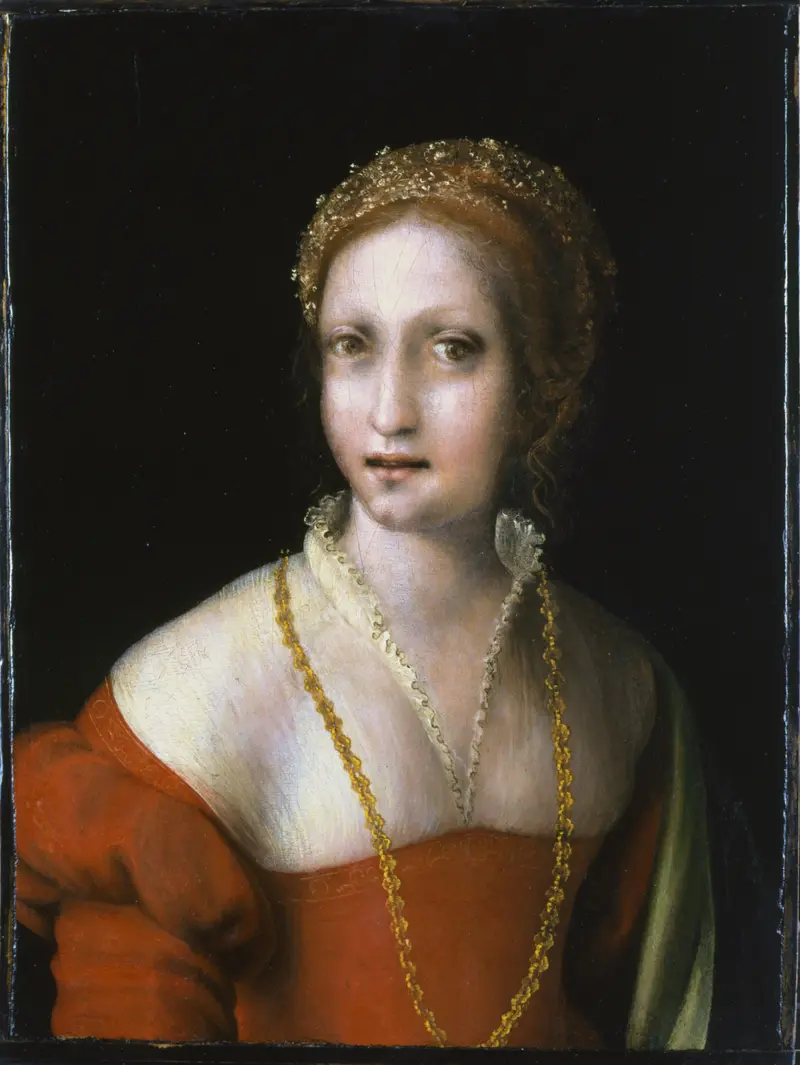
Portrait of a Young Girl
Antonio da Correggio
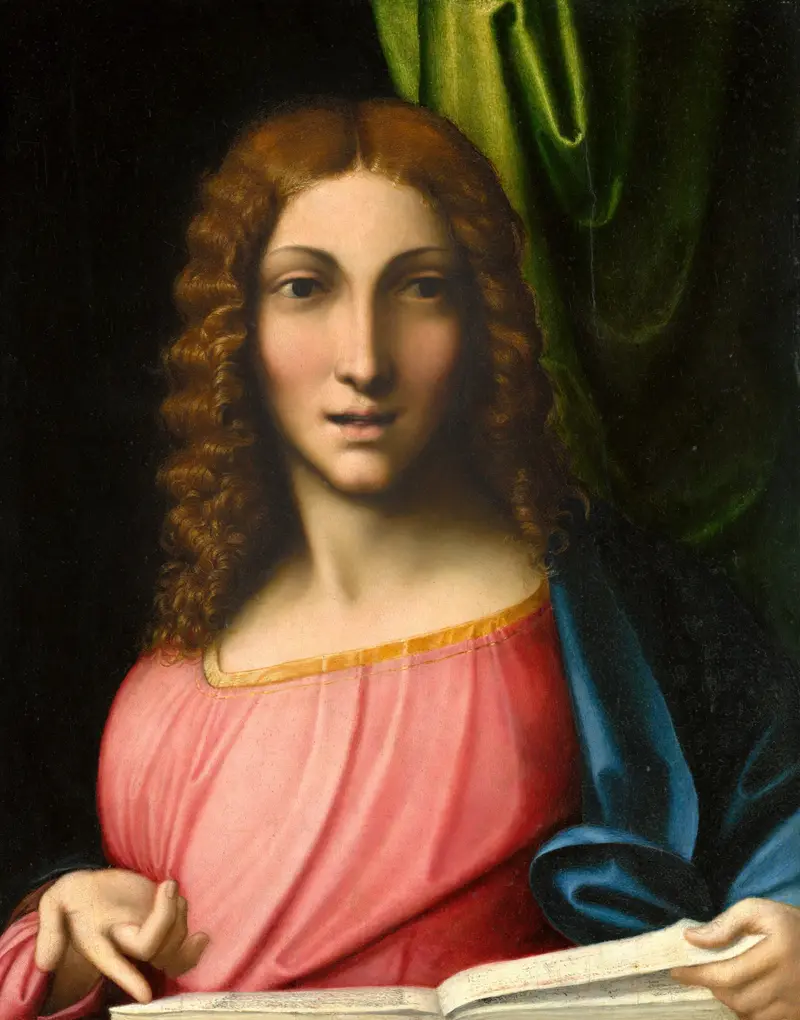
Christ in the Temple
Antonio da Correggio

Nativity
Antonio da Correggio
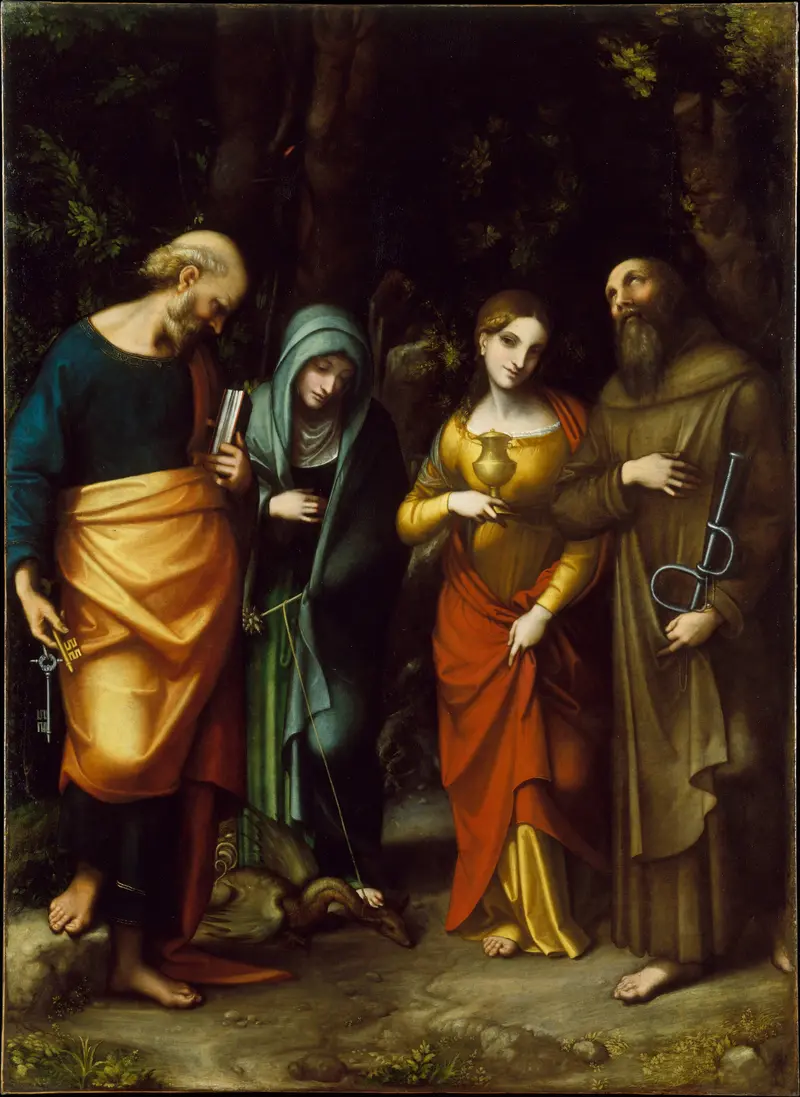
Saints Peter, Martha, Mary Magdalen, and Leonard
Antonio da Correggio
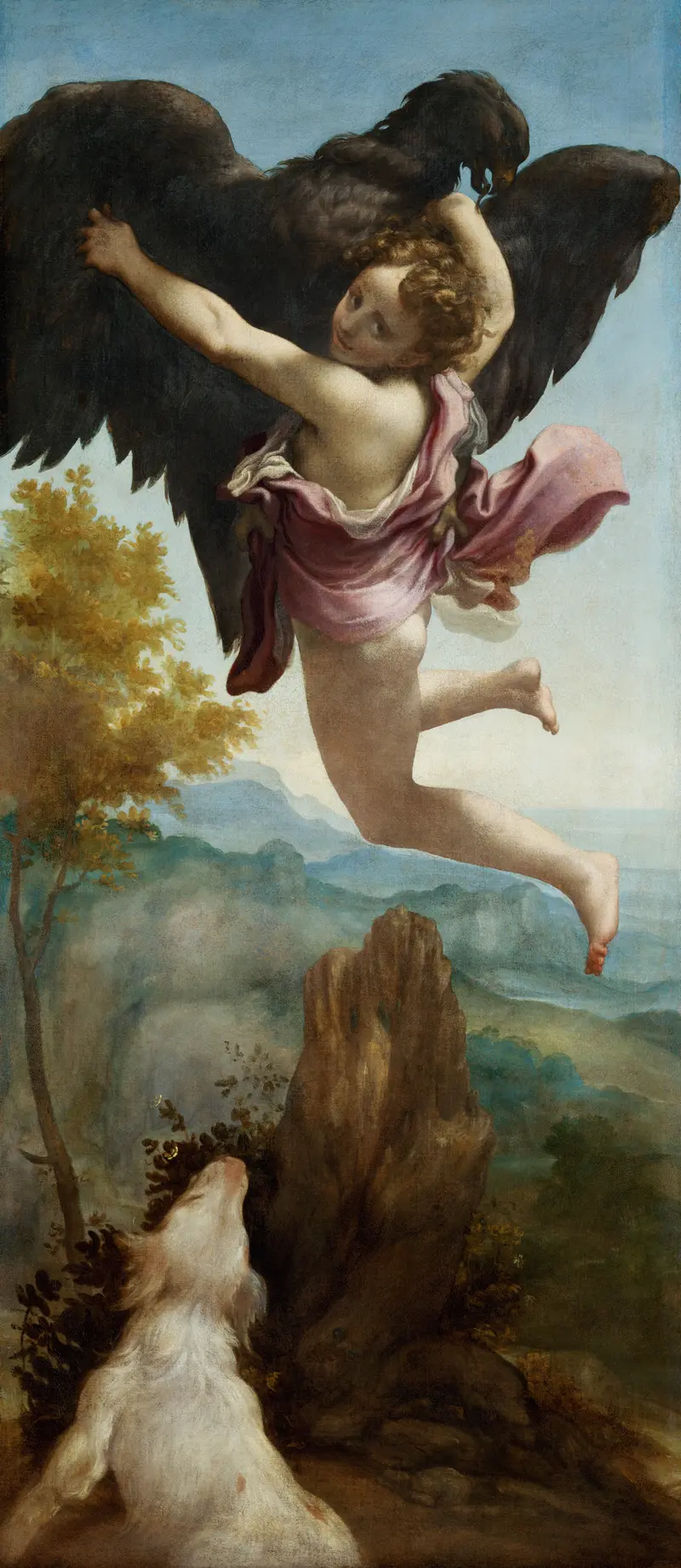
The Loves of Jupiter
Antonio da Correggio

Study for the "Madonna della Scodella" [recto]
Antonio da Correggio





