Aigle — History & Facts
Could a single brushstroke hold eternity? In Aigle, the delicate interplay of nature and emotion invites us to ponder the profound truths woven within the fabric of existence. Look to the left at the majestic eagle soaring against a backdrop of soft, swirling clouds. The artist employs a palette of muted earth tones alongside vivid whites and deep blues, creating a striking contrast that emphasizes the bird’s grace. Notice how the light catches its feathers, illuminating each contour with a life of its own.
The careful layering of paint captures both the physicality of the eagle and the ethereal quality of the atmosphere, drawing the viewer’s gaze upward as if lifted by the very wings of freedom. Underlying this serene depiction lies the tension between solitude and strength. The eagle, emblematic of power and independence, hovers alone in the expansive sky, symbolizing both the struggle for survival and the beauty of uninhibited flight. One can almost sense the quiet pulse of the natural world, as the soft hues of the clouds whisper secrets of existence.
This moment encapsulates not just a fleeting glance at nature, but a deeper meditation on the truth of life and the constant search for meaning. During the years between 1840 and 1844, Johann Friedrich Wagner was immersed in the Romantic movement, which sought to explore the emotional and spiritual dimensions of art. Living in Germany, Wagner was influenced by the burgeoning interest in the natural world and the philosophical inquiries of his time. The creation of Aigle reflects a desire to convey not just the form of the eagle, but also the deeper truths of freedom and individuality, resonating with the broader cultural currents of his era.
More Artworks by Johann Friedrich Wagner
Browse all →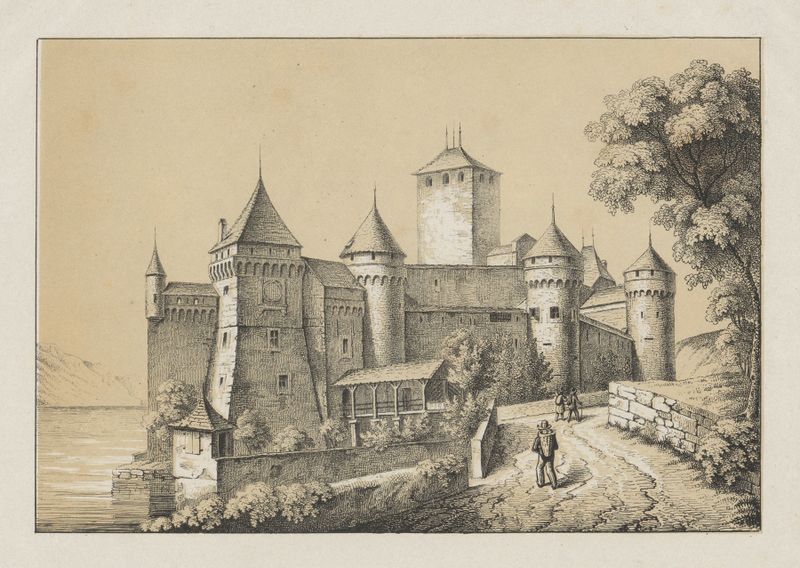
Chillon
Johann Friedrich Wagner

Valangin
Johann Friedrich Wagner
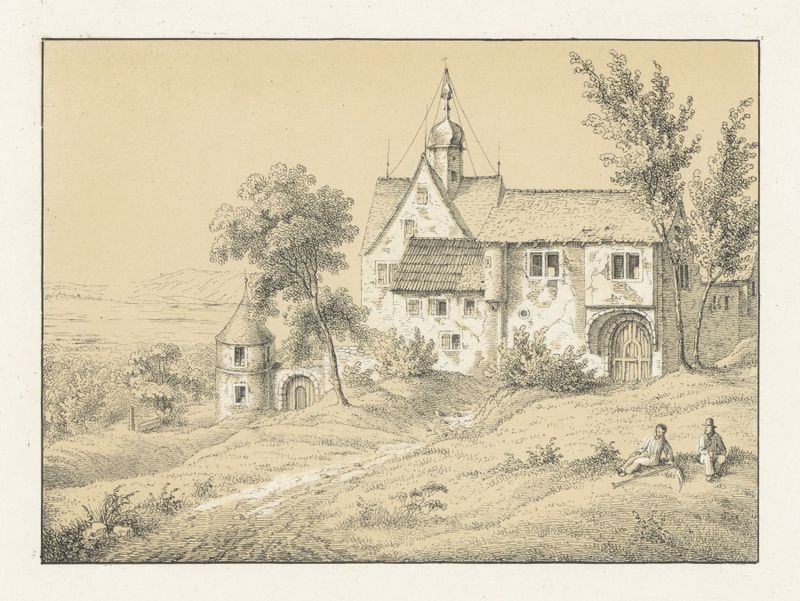
Greifenstein
Johann Friedrich Wagner

Vorburg
Johann Friedrich Wagner
Delémont
Johann Friedrich Wagner

Pleujouse
Johann Friedrich Wagner

Challay
Johann Friedrich Wagner
Mont Salvant
Johann Friedrich Wagner
Aha. Od. Untere Burg von Sarnen
Johann Friedrich Wagner
Lausanne
Johann Friedrich Wagner