
La Tour de Peilz — History & Facts
Could a single brushstroke hold eternity? In La Tour de Peilz, the fleeting nature of life intersects with the permanence of the painted image, inviting viewers to ponder their own mortality amidst captivating landscapes. Now, look closely at the serene waters reflecting a tranquil sky. Your gaze should first settle on the distant horizon, where the gentle interplay of blues and greens creates a sense of depth and tranquility. Notice how the soft light bathes the scene, infusing it with warmth and a hint of nostalgia.
The composition draws the eye through a blend of carefully chosen colors, establishing a harmonious balance that reflects both nature’s beauty and its ephemeral qualities. Delve deeper into the painting's subtleties; the contrast between the serene landscape and the subtle shadows hints at the transient nature of life. The stillness of the scene evokes a poignant reminder of time passing, a delicate dance between existence and oblivion. Hidden within the vibrant hues and gentle contours lies an emotional tension, reflecting Wagner's contemplation of the human experience and our inevitable end. Johann Friedrich Wagner created La Tour de Peilz between 1840 and 1844 during a period of personal transition and reflection.
Living in Switzerland, he immersed himself in the lush landscapes that surrounded him, honing his craft amid a burgeoning Romantic movement that celebrated nature's beauty and the complexities of human emotion. This artwork represents a crucial time in Wagner’s career, where he embraced the interplay of light, color, and sentiment that defined his artistic legacy.
More Artworks by Johann Friedrich Wagner
Browse all →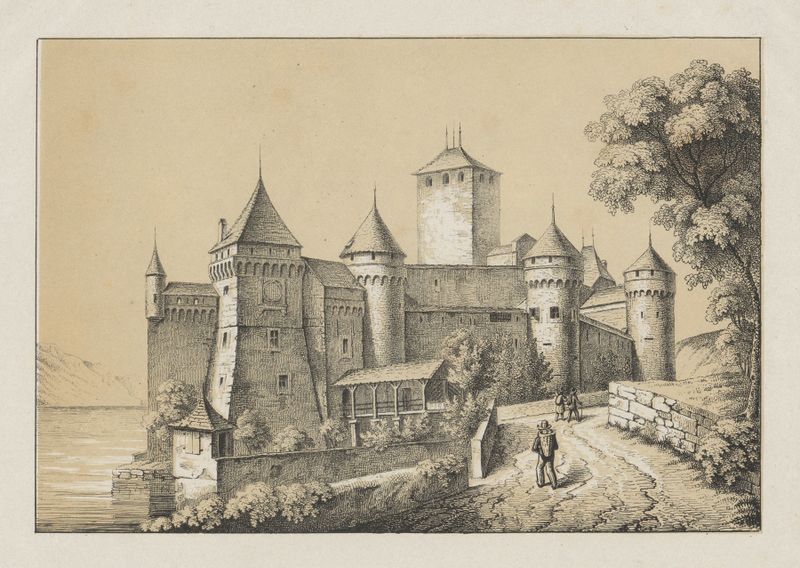
Chillon
Johann Friedrich Wagner

Valangin
Johann Friedrich Wagner
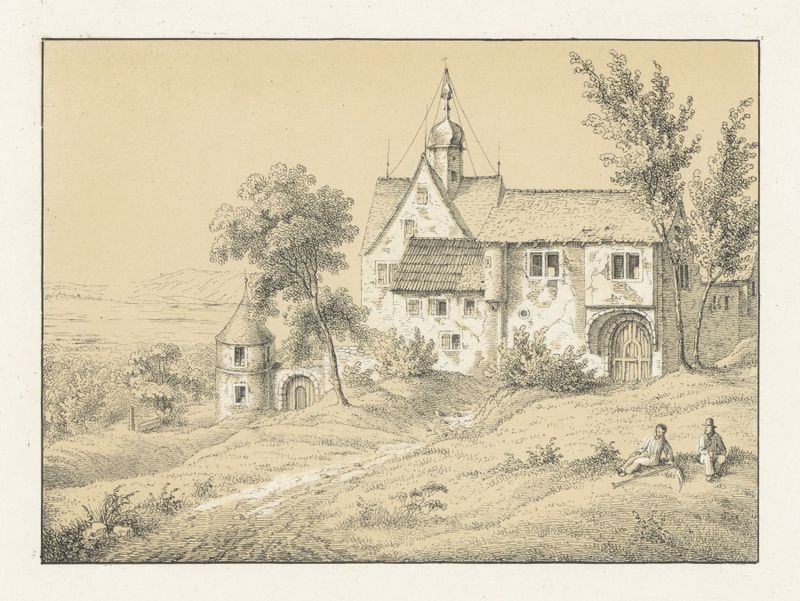
Greifenstein
Johann Friedrich Wagner

Vorburg
Johann Friedrich Wagner
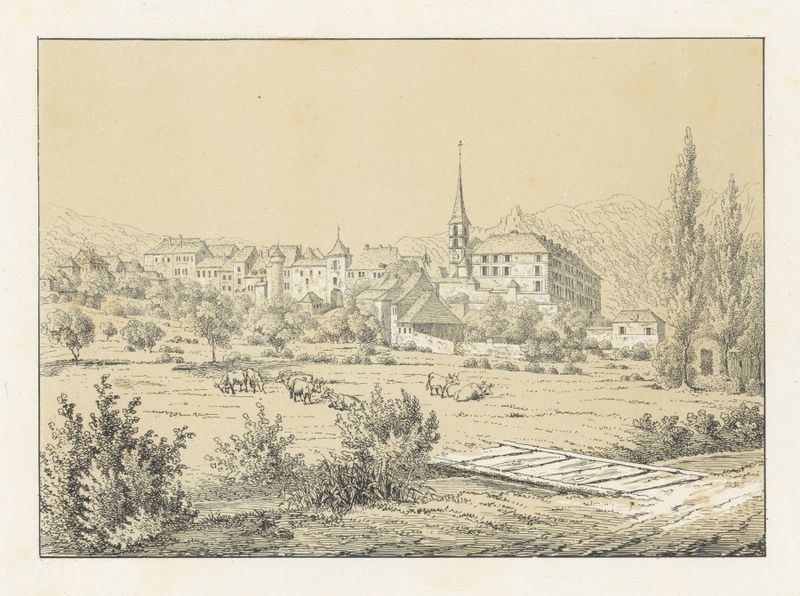
Delémont
Johann Friedrich Wagner

Pleujouse
Johann Friedrich Wagner

Challay
Johann Friedrich Wagner
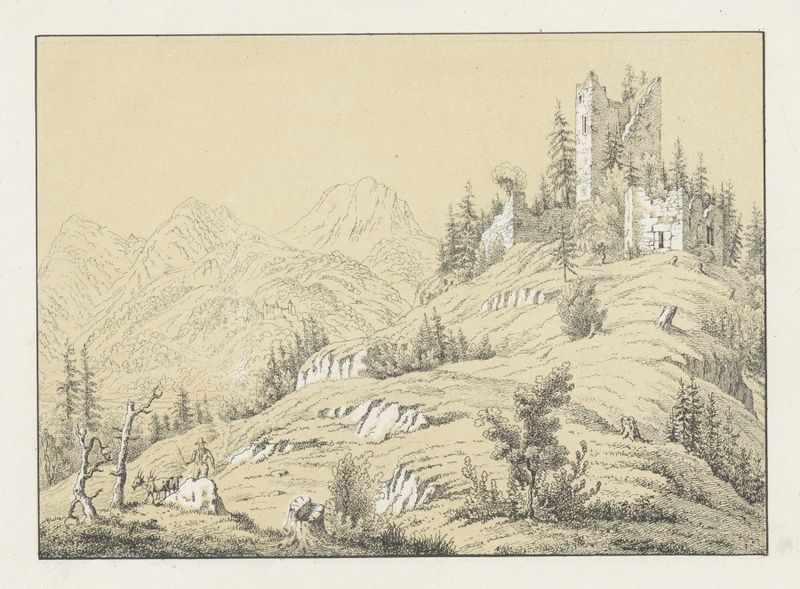
Mont Salvant
Johann Friedrich Wagner
Aha. Od. Untere Burg von Sarnen
Johann Friedrich Wagner
Lausanne
Johann Friedrich Wagner





