
Alexander and Bucephalus — History & Facts
In Alexander and Bucephalus, Giovanni Battista Tiepolo uses vibrant colors to depict the legendary figure of Alexander the Great alongside his loyal horse, Bucephalus. The background features a dynamic landscape, suggesting movement and energy. The figures are rendered in a dramatic style, showcasing Tiepolo's skill in capturing the essence of his subjects.
The overall composition conveys a sense of grandeur and heroism. The painting is executed in oil on canvas, a medium that allows for rich color and detail. Tiepolo's brushwork is fluid and expressive, contributing to the lively atmosphere of the scene. Viewers can observe the intricate details in the horses' manes and the textures of the clothing worn by Alexander.
The dimensions are approximately 100 x 150 cm, making it a sizable work that commands attention. Giovanni Battista Tiepolo was a prominent Italian painter of the Rococo period, known for his large-scale ceiling frescoes and vibrant narrative scenes. Alexander and Bucephalus reflects Tiepolo's interest in historical themes and his ability to blend drama with elegance. An interesting fact about this work is that it showcases Tiepolo's mastery of light and shadow, enhancing the three-dimensionality of the figures.
This painting is currently housed in the Museo del Prado in Spain.
More Artworks by Giovanni Battista Tiepolo
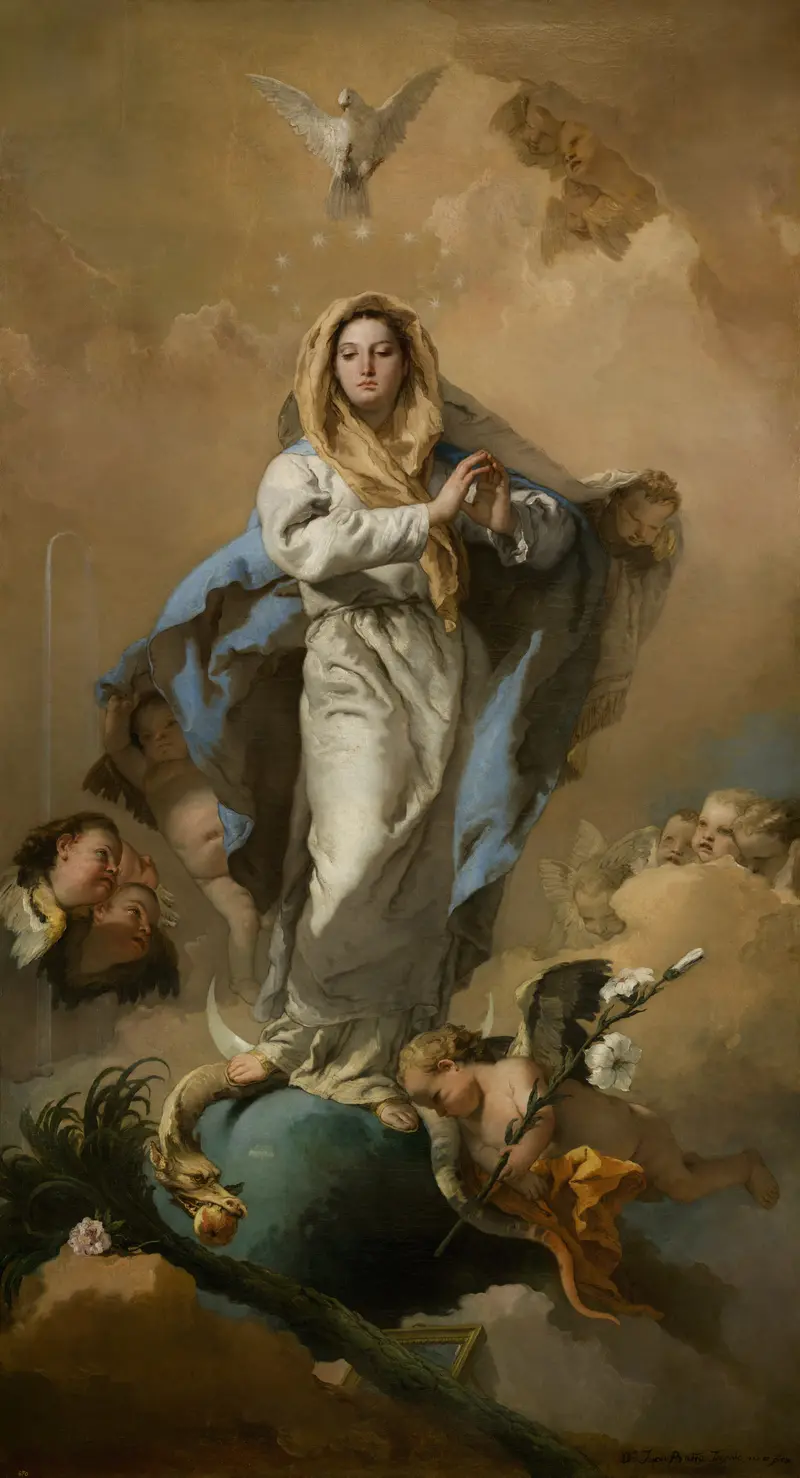
The Immaculate Conception
Giovanni Battista Tiepolo
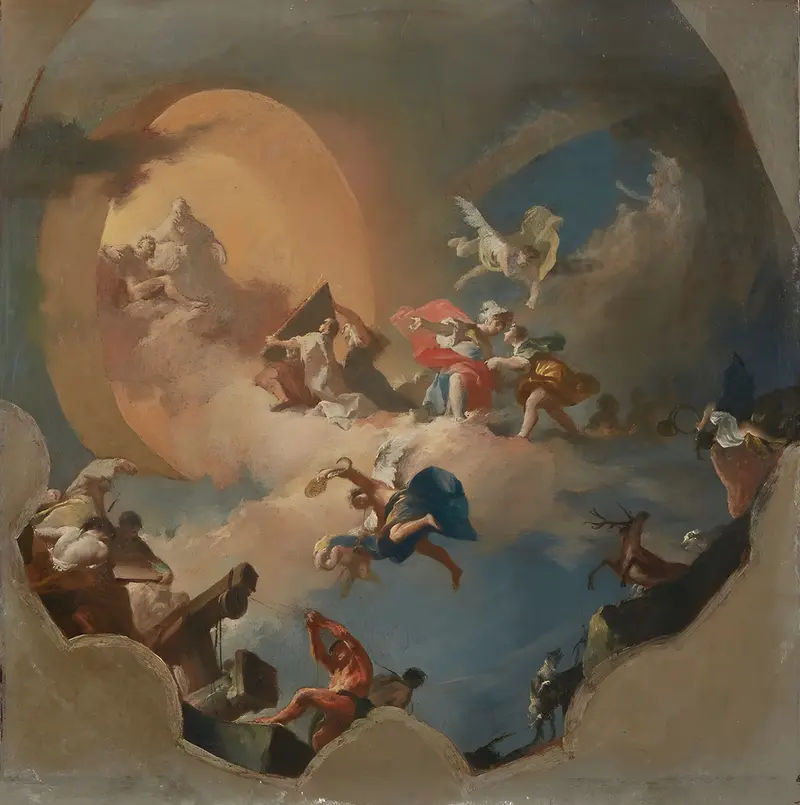
The Apotheosis of the Arts
Giovanni Battista Tiepolo
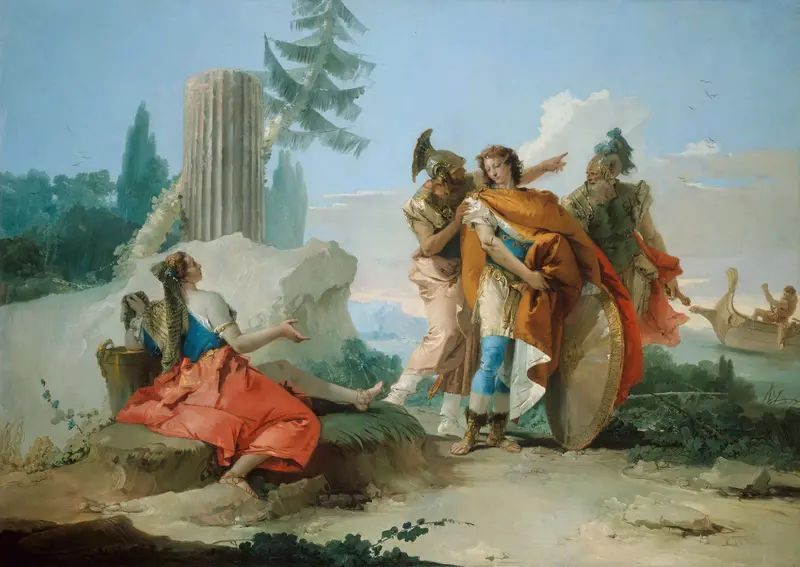
Armida Abandoned by Rinaldo
Giovanni Battista Tiepolo
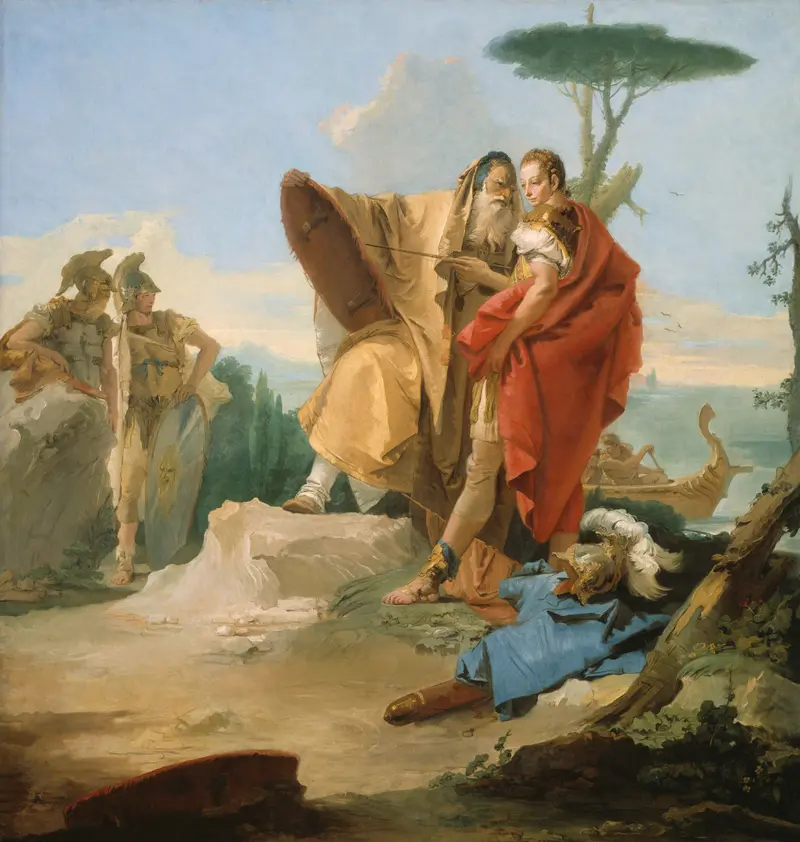
Rinaldo and the Magus of Ascalon
Giovanni Battista Tiepolo
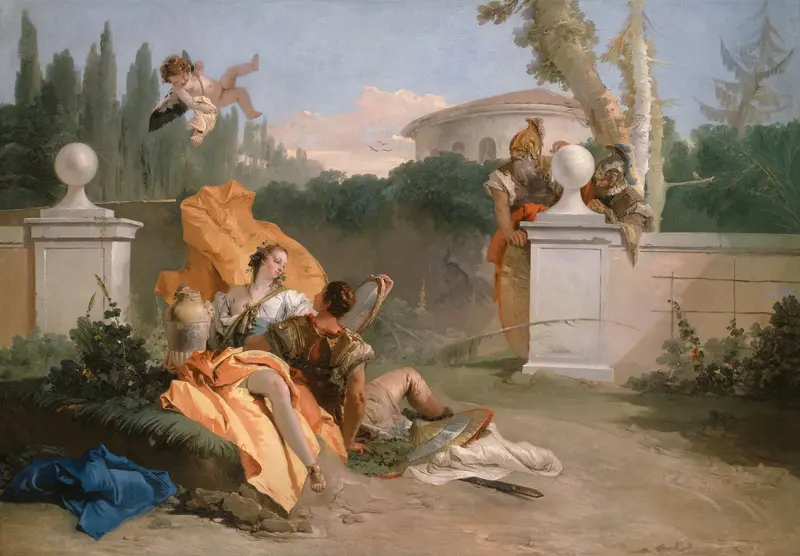
Rinaldo and Armida in Her Garden
Giovanni Battista Tiepolo
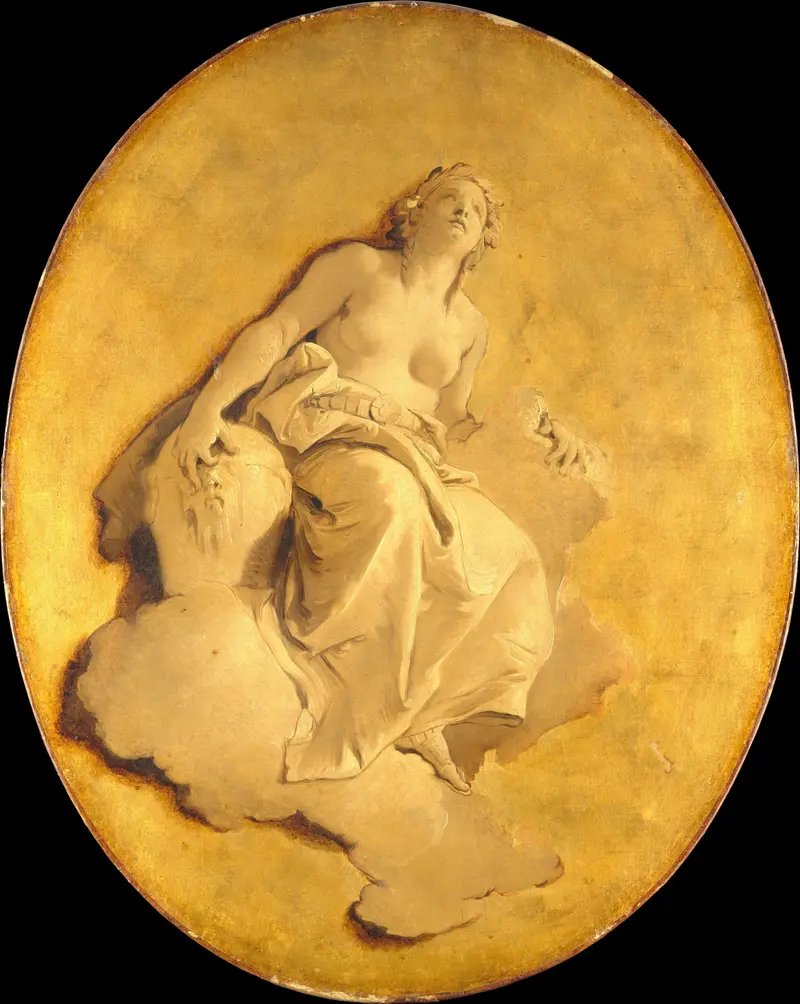
A Female Allegorical Figure
Giovanni Battista Tiepolo
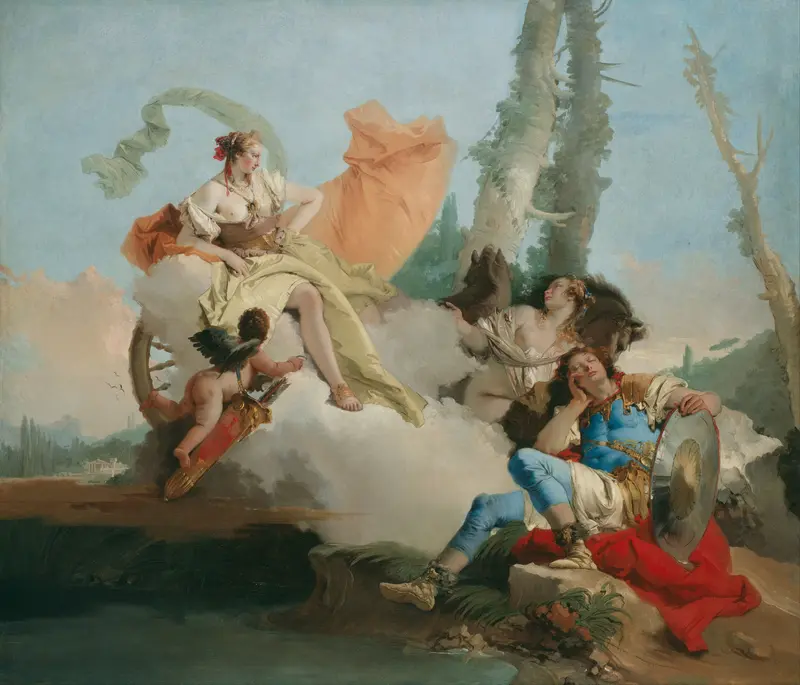
Armida Encounters the Sleeping Rinaldo
Giovanni Battista Tiepolo
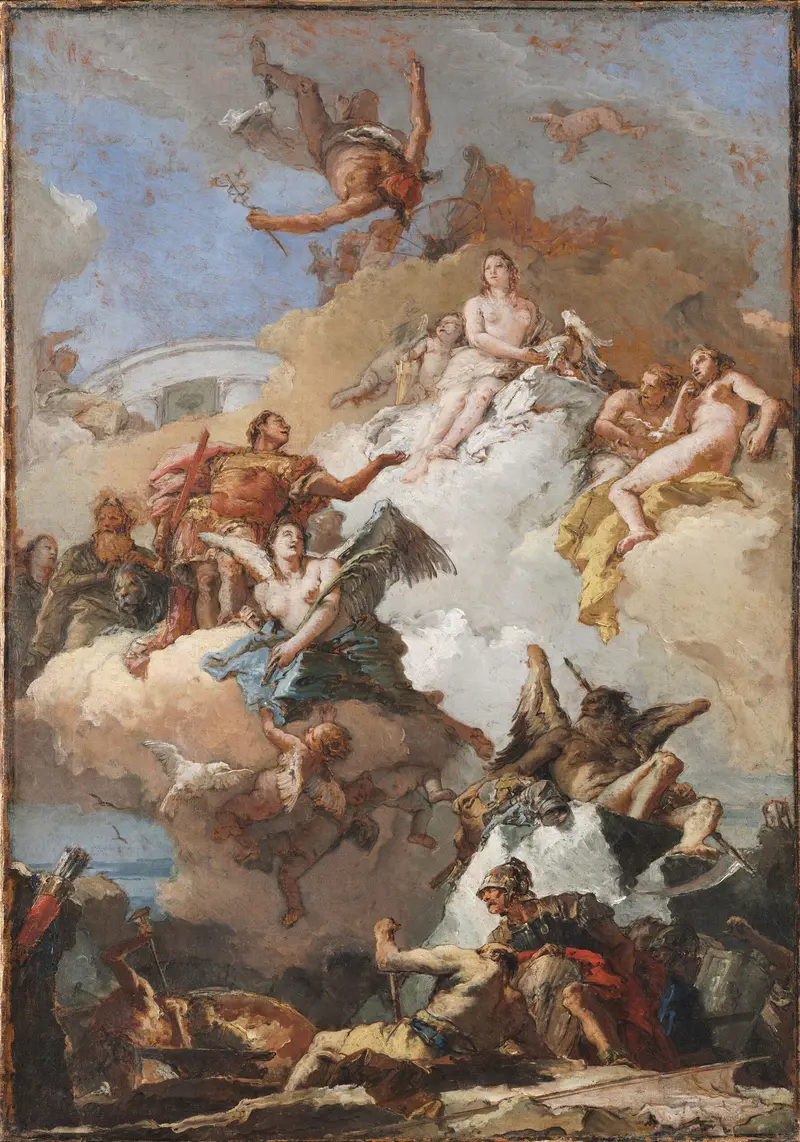
The Apotheosis of Aeneas
Giovanni Battista Tiepolo
Saint Roch as a Pilgrim
Giovanni Battista Tiepolo
The Apotheosis of the Spanish Monarchy
Giovanni Battista Tiepolo





