A Female Allegorical Figure — History & Analysis
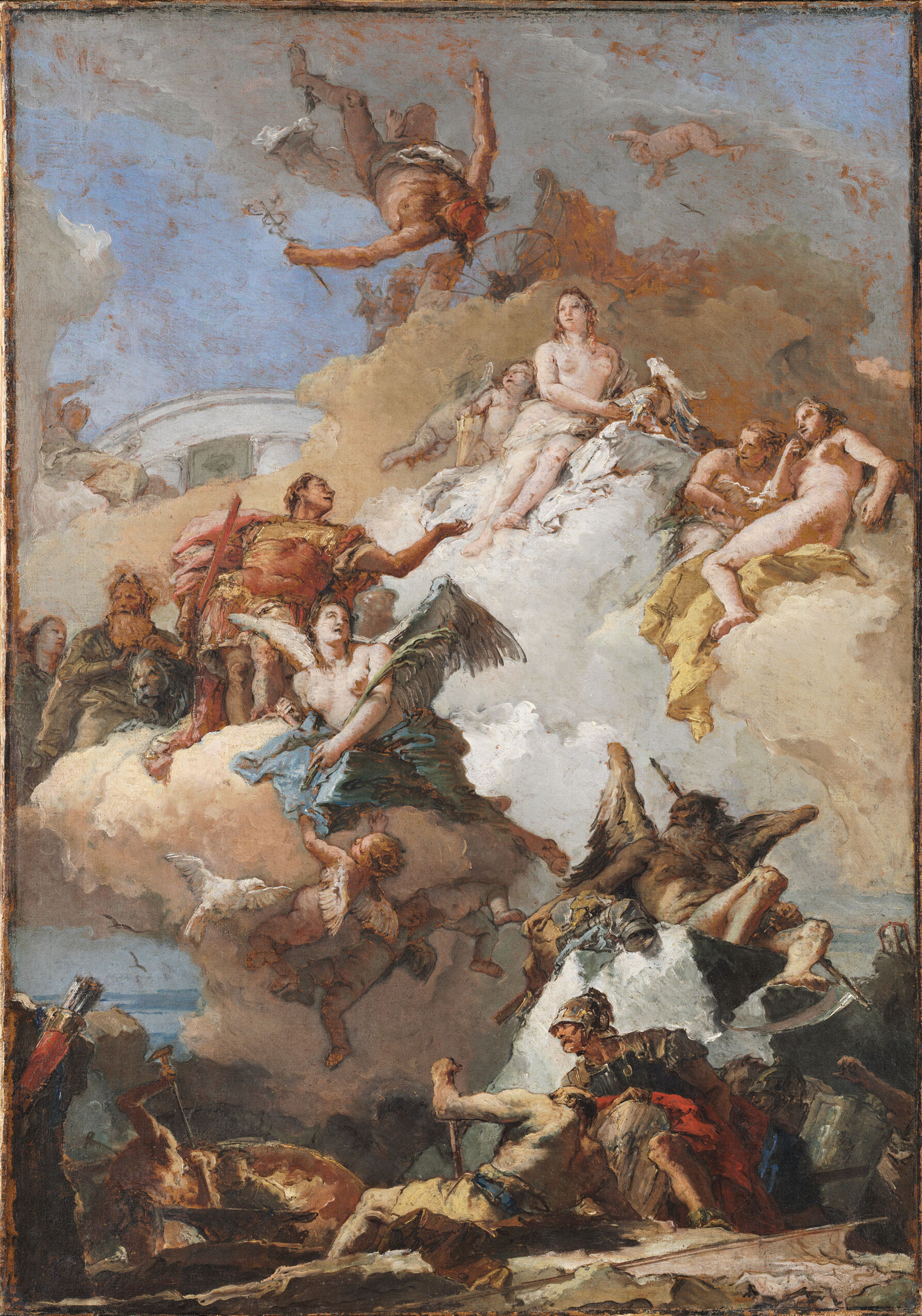
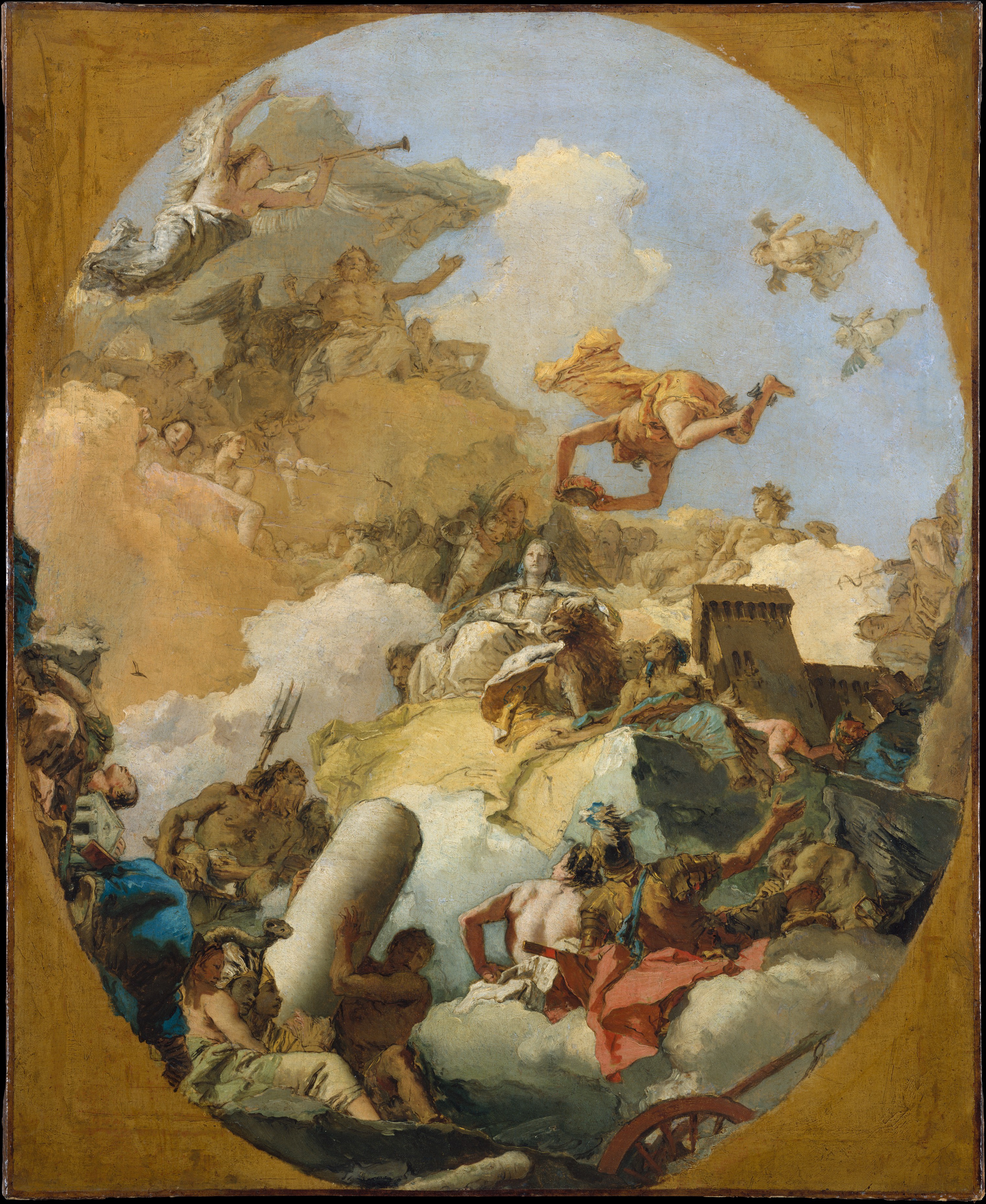
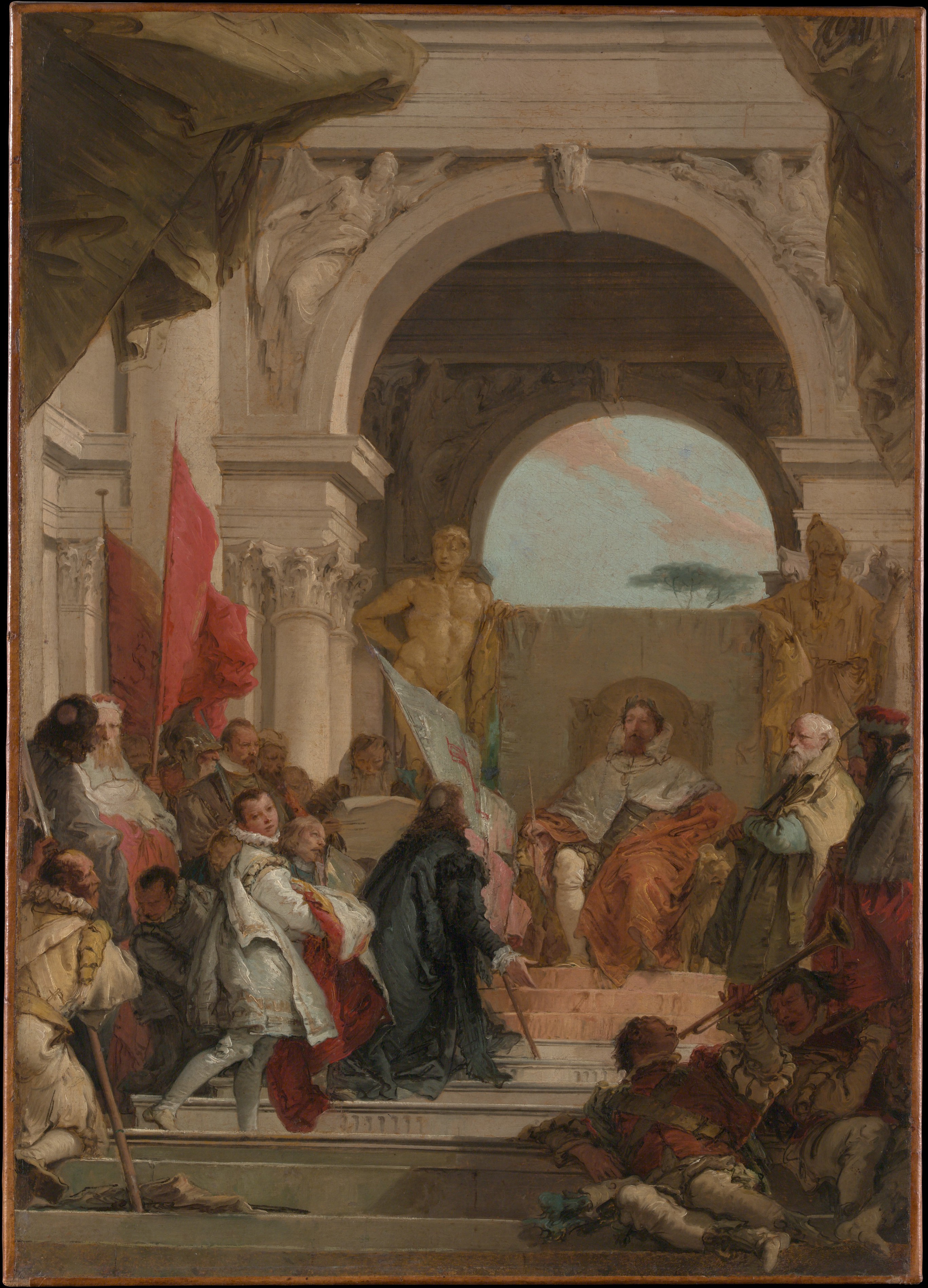
“Between color and silence, truth hides.” In the delicate interplay of hues, emptiness reveals profound truths often overlooked beneath surface beauty. It is within this stillness that we often find the most significant narratives. Look closely at the center where the allegorical figure stands, bathed in a soft, golden light that seems to emanate from within. Her flowing gown, painted with billowing strokes of deep azure and ethereal white, demands attention as it contrasts beautifully with the muted background. The light cascades gently, illuminating her serene expression and the intricate details of her attire.
Notice how her gesture directs the viewer’s gaze upward, creating a sense of aspiration and depth, inviting contemplation on the nature of truth and existence. Yet, beneath this serene facade lies a tension of solitude and contemplation. The figure’s left hand delicately cradles an object, perhaps a symbol of knowledge or insight, while the vacant space around her evokes a profound emptiness. This juxtaposition of presence and absence speaks to the silence that often accompanies the search for meaning.
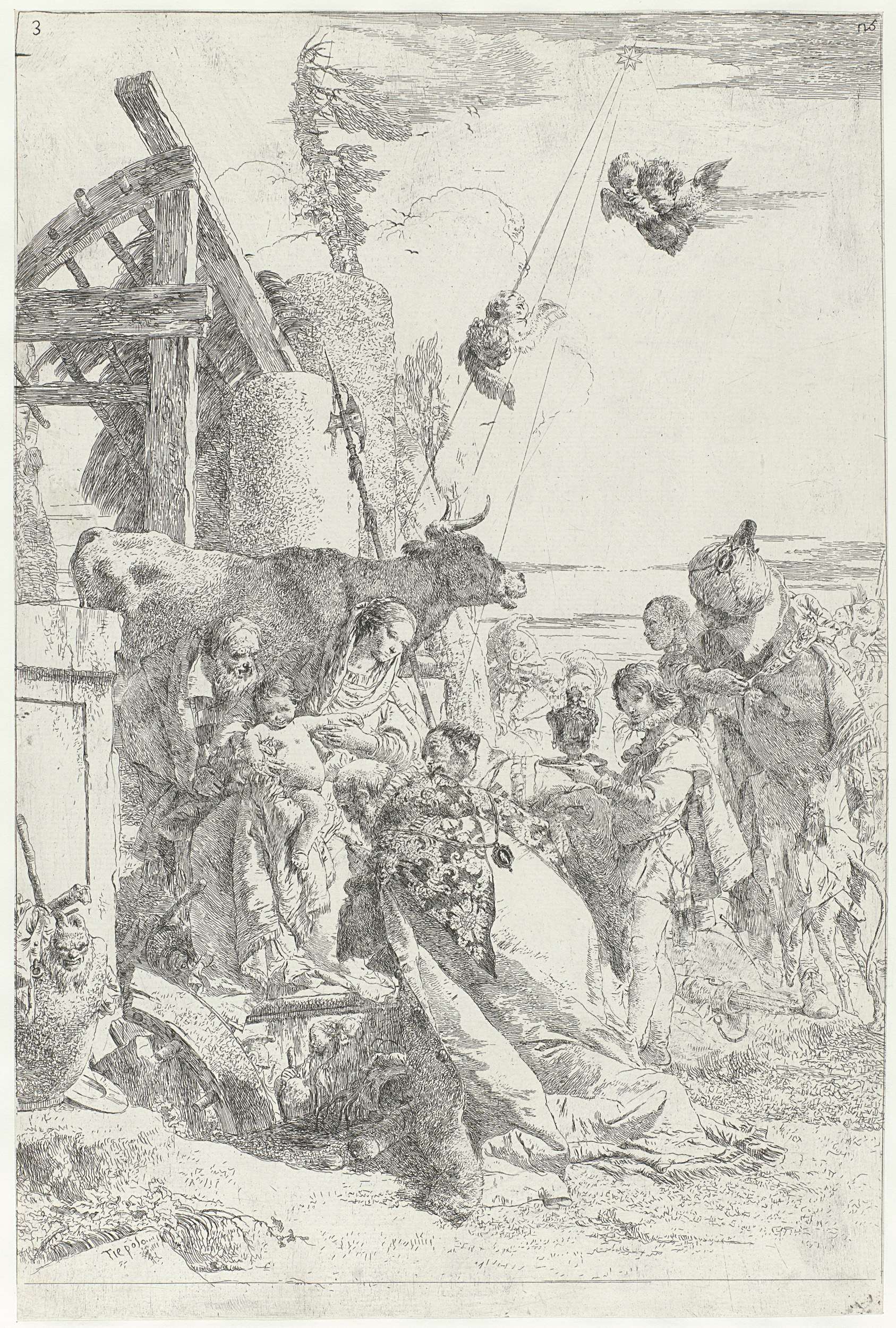
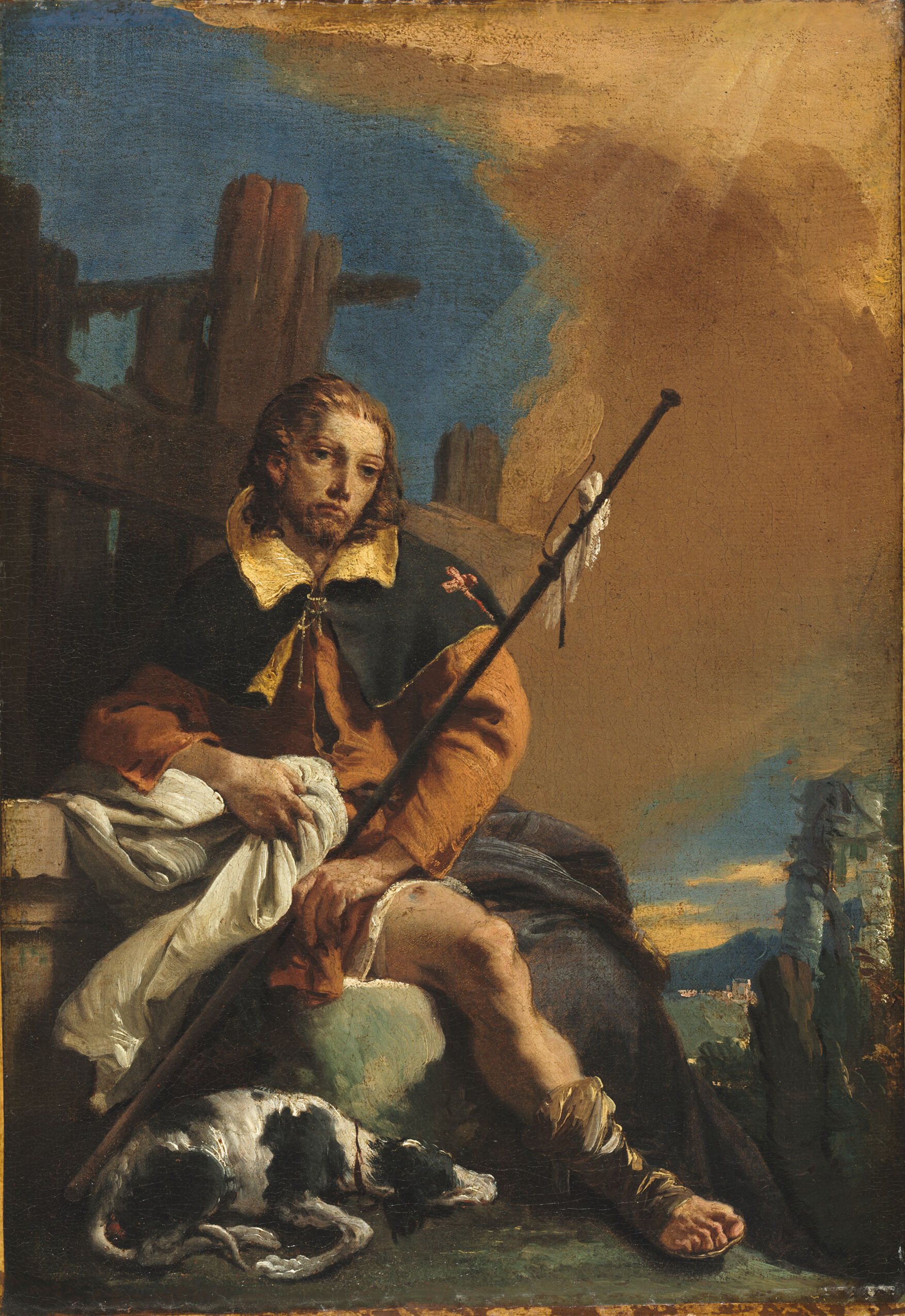
Shadows linger in the corners of the canvas, mirroring the unspoken thoughts that fill the void, challenging us to confront the complexities of our own understanding. Created between 1740 and 1750, this piece emerged during a vibrant time in the Rococo movement, as Tiepolo sought to blend grandeur with emotional depth. Working in Venice, he was influenced by the evolving dynamics of art and society, embracing both the decorative and the philosophical. This work reflects the artist’s mastery in capturing not only the beauty of the human form but also the elusive nature of truth that transcends the visual realm.